
Arbutin
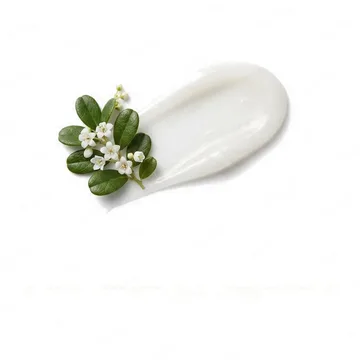
Arbutin noticeably lightens dark spots, fades sun spots, and evens out skin tone by slowing down pigment production. It suits both dry and oily skin types well when applied as serums, which usually contain a concentration of two percent. This ingredient fits easily into a routine alongside a tri-ceramide complex, ceramide-building complex, and sphingolipid, but it should be kept apart from adapalene, benzoyl peroxide, and glycolic acid.
Archives of Pharmacal Research, 2009
This page shows arbutin products with a Lovi page. For every product, and a routine built for your skin, use the Lovi app.
Popular arbutin products
-
Topicals
Faded Serum
 €8.99
-
The Ordinary
Alpha Arbutin 2% + HA
€10.16
-
Good Molecules
Niacinamide Brightening Toner
€48.10
- iS Clinical Active Serum
- Skin Script Glycolic and Retinol Pads
-
Good Molecules
Daily Brightening Serum
€25.45
-
Anua
PEACH 70% NIACINAMIDE SERUM
€17.45
- Skinbetter Science Even Tone Correcting Serum™


Arbutin serums
-
Topicals
Faded Serum
€8.99
-
The Ordinary
Alpha Arbutin 2% + HA
€10.16
- iS Clinical Active Serum
-
Good Molecules
Daily Brightening Serum
€25.45
-
Anua
PEACH 70% NIACINAMIDE SERUM
€17.45
- Skinbetter Science Even Tone Correcting Serum™
-
Goodal
Green Tangerine Vita C Dark Spot Serum+
€25.00
- iS Clinical Super Serum Advance+
-
Beauty of Joseon
Glow Deep Serum: Rice + Alpha-Arbutin
€22.16
-
Allies of Skin
Tranexamic & Arbutin Advanced Brightening Serum
 €106.95
- iS Clinical Brightening Complex
- Bubble Day Dream


What reviewers say about popular arbutin products
The highlight reviewers mention most for each popular arbutin product on Lovi.
Topicals Faded Serum Unpleasant smell ★4.4 · 3.0k+ reviews
The Ordinary Alpha Arbutin 2% + HA Lightweight texture ★4.2 · 1.6k+ reviews
- Sticky or tacky finish
- Hydrating and plumping
- “Absorbs quickly”
Good Molecules Niacinamide Brightening Toner Brightens skin ★4.5 · 800+ reviews
- Reduces pore appearance
- Good price point
- “skin looks more radiant”
iS Clinical Active Serum Improves Texture & Tone ★4.6 · 1000+ reviews
Good Molecules Daily Brightening Serum Affordable price ★4.5 · 800+ reviews
- Hydrating & plumping
- Lightweight texture
- “unbeatable for the price”
Anua PEACH 70% NIACINAMIDE SERUM Brightening and glow ★4.6 · 5.4k+ reviews
- Improves texture
- Hydrating and lightweight
- “Gives a nice healthy glow”
Other arbutin products
-
Good Molecules
Niacinamide Brightening Toner
€48.10
- Skin Script Glycolic and Retinol Pads
-
Anua
Rice Enzyme Brightening Cleansing Powder
€25.45
- Soroci Morning Drizzle Calming Cream
-
Some By Mi
Yuja Niacin Brightening Moisture Gel Cream
€14.00
- Dermelect Rapid Repair Barrier Balancing Serum
-
Anua
Peach 77 Niacin Essence Toner
€18.95
- SOME BY MI Yuja Niacin Mineral 100 Brightening Sun Cream


Arbutin for dry skin
-
Some By Mi
Yuja Niacin Brightening Moisture Gel Cream
€14.00
- Peter Thomas Roth Potent-C Niacinamide Discoloration Treatment
- iS Clinical Super Serum Advance+
-
Good Molecules
Niacinamide Brightening Toner
€48.10
- Dermelect Rapid Repair Barrier Balancing Serum
- NATURIUM Alpha Arbutin Serum 2%
-
Topicals
Faded Serum
€8.99
- Skinbetter Science Even Tone Correcting Serum™
-
Anua
Peach 77 Niacin Essence Toner
€18.95
-
Good Molecules
Daily Brightening Serum
€25.45
-
TIA'M
Vita B3 Source
€17.19
-
Topicals
Faded Brightening & Clearing Gel
€11.99


Arbutin for oily skin
-
SOME BY MI
Yuja Niacin Blemish Care Serum
€14.44
-
Some By Mi
Yuja Niacin Brightening Moisture Gel Cream
€14.00
-
Good Molecules
Niacinamide Brightening Toner
€48.10
-
Topicals
Faded Serum
€8.99
-
Topicals
Faded Brightening & Clearing Gel
€11.99
- Urban Skin Rx Retinol Rapid Repair & Dark Spot Treatment
- Dermelect Rapid Repair Barrier Balancing Serum
- iS Clinical Active Serum
-
Anua
Peach 77 Niacin Essence Toner
€18.95
- iS Clinical Super Serum Advance+
-
Anua
PEACH 70% NIACINAMIDE SERUM
€17.45
- Skinbetter Science Even Tone Correcting Serum™


Arbutin for combination skin
-
Some By Mi
Yuja Niacin Brightening Moisture Gel Cream
€14.00
-
SOME BY MI
Yuja Niacin Blemish Care Serum
€14.44
-
Topicals
Faded Brightening & Clearing Gel
€11.99
-
Topicals
Faded Serum
€8.99
- iS Clinical Active Serum
- Urban Skin Rx Retinol Rapid Repair & Dark Spot Treatment
- Peter Thomas Roth Potent-C Niacinamide Discoloration Treatment
-
Anua
Peach 77 Niacin Essence Toner
€18.95
- Dermelect Rapid Repair Barrier Balancing Serum
- SOME BY MI Yuja Niacin Mineral 100 Brightening Sun Cream
- iS Clinical Brightening Complex
-
Good Molecules
Niacinamide Brightening Toner
€48.10


Arbutin for sensitive skin
-
Some By Mi
Yuja Niacin Brightening Moisture Gel Cream
€14.00
-
Topicals
Faded Serum
€8.99
- Peter Thomas Roth Potent-C Niacinamide Discoloration Treatment
-
Topicals
Faded Brightening & Clearing Gel
€11.99
-
Good Molecules
Niacinamide Brightening Toner
€48.10
- Skinbetter Science Even Tone Correcting Serum™
-
Beauty of Joseon
Glow Deep Serum: Rice + Alpha-Arbutin
€22.16
-
SOME BY MI
Yuja Niacin Blemish Care Serum
€14.44
-
The Ordinary
Alpha Arbutin 2% + HA
€10.16
- iS Clinical Super Serum Advance+
- SOME BY MI Yuja Niacin Mineral 100 Brightening Sun Cream
- Soroci Morning Drizzle Calming Cream


Arbutin for acne-prone skin
-
Some By Mi
Yuja Niacin Brightening Moisture Gel Cream
€14.00
-
Topicals
Faded Serum
€8.99
-
Anua
Peach 77 Niacin Essence Toner
€18.95
- iS Clinical Super Serum Advance+
-
Topicals
Faded Brightening & Clearing Gel
€11.99
-
Good Molecules
Niacinamide Brightening Toner
€48.10
-
TIA'M
Vita B3 Source
€17.19
-
SOME BY MI
Yuja Niacin Blemish Care Serum
€14.44
- Dermelect Rapid Repair Barrier Balancing Serum
-
Anua
PEACH 70% NIACINAMIDE SERUM
€17.45
-
Allies of Skin
Tranexamic & Arbutin Advanced Brightening Serum
€106.95
- Peter Thomas Roth Potent-C Niacinamide Discoloration Treatment


What to combine arbutin with
| Ingredient | Together | How to use them |
|---|---|---|
 Tri-ceramide complex |
Works well | Use them together, applying arbutin first, to strengthen your moisture barrier and brighten safely. Arbutin and tri-ceramide complex |
 Ceramide-building complex |
Works well | Use them together, apply the ceramide-building complex first, as lipids help calm your skin while brightening. Arbutin and ceramide-building complex |
 Sphingolipid |
Works well | Use them together, apply arbutin first, to help keep your skin barrier strong and moisturized while brightening. Arbutin and sphingolipid |
 Niacinamide |
Works well | Use them together, applying niacinamide first, to fade dark spots and brighten skin faster. Arbutin and niacinamide |
 Linoleic acid |
Works well | Use them together, apply the arbutin first, because they make a great team for glowing, moisturized skin. Arbutin and linoleic acid |
 Hyaluronic acid |
Works well | Use them together, applying hyaluronic acid first, to boost hydration and brighten your skin. Arbutin and hyaluronic acid |
 Fatty acid |
Works well | Use them together, applying arbutin first, to help keep your skin barrier strong and moisturized while brightening. Arbutin and fatty acid |
 Lecithin |
Works well | Use them together, apply the brightening serum first, because it keeps your skin calm and hydrated. Arbutin and lecithin |
 Phytosphingosine |
Works well | Use them together, applying arbutin first, to calm your skin and boost brightness. Arbutin and phytosphingosine |
 Cholesterol |
Works well | Use them together, applying arbutin first, to brighten your skin while keeping it soft and moisturized. Arbutin and cholesterol |
 Glycolipid |
Works well | Use them together, apply the arbutin first, because the lipids protect your skin and help the brightening work better. Arbutin and glycolipid |
 Omega-3 fatty acid |
Works well | Use them together, apply the arbutin first, to brighten your skin while keeping it soft and moisturized. Arbutin and omega-3 fatty acid |
 Omegas complex |
Works well | Use them together, apply the arbutin first, to brighten your skin while keeping your face moisturized and comfortable. Arbutin and omegas complex |
 Phytosterol |
Works well | Use them together, applying arbutin first, to calm dryness while brightening your skin. Arbutin and phytosterol |
 Lauric acid |
Works well | Use arbutin and lauric acid apart: in different sessions of the same day or on different days, because they need to be separated for best results. Arbutin and lauric acid |
 Beta-sitosterol |
Works well | Use them together, apply the arbutin first, to brighten your skin while keeping your face moisturized and comfortable. Arbutin and beta-sitosterol |
 Squalane |
Works well | Use them together, apply arbutin first, to brighten your skin while keeping it soft and moisturized. Arbutin and squalane |
 Squalene |
Works well | Use them together, apply arbutin first, to brighten your skin while keeping it soft and moisturized. Arbutin and squalene |
 Adapalene |
Keep apart | Arbutin and adapalene |
 Benzoyl peroxide |
Keep apart | Use benzoyl peroxide and arbutin apart: in different sessions of the same day or on different days, because benzoyl peroxide causes oxidation and deactivation. Arbutin and benzoyl peroxide |
 Glycolic acid |
Keep apart | Use glycolic acid and arbutin apart: in different sessions of the same day or on different days, because acid breaks down arbutin. Arbutin and glycolic acid |
 Retinol |
Keep apart | Use retinol and arbutin apart: in different sessions of the same day or on different days, because they can irritate and peel your skin when combined. Arbutin and retinol |
 Tretinoin |
Keep apart | Arbutin and tretinoin |
 Alpha hydroxy acid |
Keep apart | Use alpha hydroxy acid and arbutin apart: in different sessions of the same day or on different days, because mixing them makes the arbutin lose its effectiveness. Arbutin and alpha hydroxy acid |
 Vitamin C |
Keep apart | Arbutin and vitamin C |
 Retinoid |
Keep apart | Use retinoid and arbutin apart: in different sessions of the same day or on different days, to prevent skin irritation. Arbutin and retinoid |
 Retinoid blend |
Keep apart | Use retinoid blend and arbutin apart: in different sessions of the same day or on different days, because they can irritate and peel the skin together. Arbutin and retinoid blend |
 Salicylic acid |
Keep apart | Use salicylic acid and arbutin apart: in different sessions of the same day or on different days, because acid breaks arbutin down. Arbutin and salicylic acid |
 Retinal |
Keep apart | Use retinal and arbutin apart: in different sessions of the same day or on different days, because they can irritate your skin when combined. Arbutin and retinal |
 Mandelic acid |
Keep apart | Use mandelic acid and arbutin apart: in different sessions of the same day or on different days, because acid destroys the brightener. Arbutin and mandelic acid |
 Lactic acid |
Keep apart | Arbutin and lactic acid |
 Copper |
Keep apart | Use arbutin and copper apart: in different sessions of the same day or on different days, because copper ruins arbutin. Arbutin and copper |
 Granactive retinoid |
Keep apart | Use arbutin and granactive retinoid apart: in different sessions of the same day or on different days, to prevent skin irritation. Arbutin and granactive retinoid |
 Citric acid |
Keep apart | Use arbutin and citric acid apart: in different sessions of the same day or on different days, because acid destroys arbutin. Arbutin and citric acid |
From the ingredient rules behind the "Works well with" and "Don't mix with" notes on every product in the Lovi app.
Questions and answers
What does arbutin do for the skin?
Arbutin decreases tyrosinase activity and melanin production, which helps reduce hyperpigmentation and lighten skin discolorations.
How do you use arbutin?
Arbutin decreases tyrosinase activity and melanin production to help fade hyperpigmentation. It may be paired with ingredients like niacinamide, applying niacinamide first to brighten skin faster.
Should you use arbutin in the morning or at night?
You can use arbutin both morning and night, applying it alongside compatible ingredients like niacinamide or hyaluronic acid to brighten skin and fade dark spots. Arbutin helps decrease melanin production and tyrosinase activity to improve hyperpigmentation.
Archives of Pharmacal Research, 2009Journal of Cosmetic Science, 2020
Can you use arbutin every day?
Yes, you can use arbutin every day to help reduce melanin production and fade dark spots. Studies show that daily use of arbutin significantly decreases melanin levels and improves skin hyperpigmentation.
Does arbutin cause purging or irritation?
Arbutin is unlikely to cause skin irritation or purging, as it gently reduces melanin production and helps brighten hyperpigmentation. Clinical studies show that arbutin formulations significantly decrease skin melanin levels while remaining well-tolerated.
Which skin types is arbutin best for?
Arbutin is best for dry skin, oily skin, combination skin, sensitive skin, acne-prone skin, and mature skin, with top picks including The Ordinary Alpha Arbutin 2% + HA and Topicals Faded Serum. These products offer high or superior fits across various skin types to help brighten and even out skin tone.
Can you use arbutin with tri-ceramide complex?
Yes, you can use arbutin and tri-ceramide complex together, applying arbutin first, to strengthen your moisture barrier and brighten safely. Arbutin inhibits melanin production to help fade dark spots and discoloration.
Can you use arbutin with adapalene?
Use adapalene and arbutin apart: in different sessions of the same day or on different days. This helps you avoid skin irritation when combining the two ingredients.
Research on arbutin
Behind this ingredient guide
Lovi checks every ingredient with brand-independent rules our dermatologists and cosmetic chemists build and review, and personalizes every pick with AI trained on the real results of millions of users. Lovi trains its fit score models on a proprietary dataset built from more than 10,000 expert-labeled products and more than 100,000 simulated examples, following an internally consistent methodology presented at Cosmoprof, AMWC, and Skin of Color Update.
-

Co-founder, Medical Director
Cosmetic chemist, cosmetologist, aesthetic products developer
-

Co-founder, CEO and CTO
PhD in computer science, 3x US patent holder, ex-Google, ex-Yandex
-

Dr. Sofía Perea Pérez, MD, MSc
Medical Board
Aesthetic medicine practitioner, MSc in Longevity and Anti-Aging Medicine
-

Medical Board
Specialist dermatologist, MBBS, MD, IFAAD
-

Medical Board
Cosmetic chemist, SCS, IFSCC member
-

Medical Board, Medical Advisor
Dermatology MD
-

Elina Nazarenko, MD
Medical Board
Dermatology and diagnostic consultant
-

Victoria Derkova, MS
Medical Board
Cosmetic chemist, cosmetic development technologist
How does it fit your skin?
Scan your face, then any product: Lovi shows how well it fits you and what fits even better.


