
Retinol
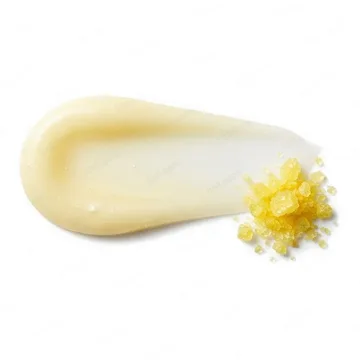
Retinol renews the skin by boosting collagen production, thickening the outer layer, and smoothing fine wrinkles while also clearing acne. It suits dry skin and oily skin best, and comes in creams, eye creams, and serums, usually at 0.3%, 0.5%, and 1%. It fits into a routine well with tri-ceramide complex, ceramide-building complex, and sphingolipid, but keep it apart from adapalene, benzoyl peroxide, and glycolic acid.
Journal of Cosmetic Dermatology, 2016
This page shows retinol products with a Lovi page. For every product, and a routine built for your skin, use the Lovi app.
Popular retinol products
- CeraVe Resurfacing Retinol Serum
-
RoC
Retinol Correxion Deep Wrinkle Night Cream
 €44.90
-
Paula's Choice
1% Retinol Treatment
€57.00
-
RoC
Retinol Correxion Line Smoothing Eye Cream
€19.99
-
Good Molecules
Gentle Retinol Cream
€25.39
-
La Roche-Posay
Retinol B3 Serum
€31.33
- DRMTLGY Retinol Body Lotion
-
RoC
Retinol Correxion Deep Wrinkle Serum
€27.04


Retinol serums
- CeraVe Resurfacing Retinol Serum
-
RoC
Retinol Correxion Deep Wrinkle Night Cream
€44.90
-
Paula's Choice
1% Retinol Treatment
€57.00
-
Good Molecules
Gentle Retinol Cream
€25.39
-
La Roche-Posay
Retinol B3 Serum
€31.33
-
RoC
Retinol Correxion Deep Wrinkle Serum
€27.04
-
CeraVe
Skin Renewing Retinol Serum
€26.49
-
The Ordinary
Granactive Retinoid 2% Emulsion
€11.05
- Murad Retinol Youth Renewal Serum
-
Palmer's
Skin Success Anti-Dark Spot Fade Cream
€11.99
-
COSRX
The Retinol 0.1 Cream
€18.97
-
Kiehl's
Retinol Skin-Renewing Daily Micro-Dose Serum
€56.37


What reviewers say about popular retinol products
The highlight reviewers mention most for each popular retinol product on Lovi.
CeraVe Resurfacing Retinol Serum Improves skin texture ★4.6 · 4.6k+ reviews
- Affordable value
- Lightweight formula
- “smoother complexion”
RoC Retinol Correxion Deep Wrinkle Night Cream Effective wrinkle reduction ★4.5 · 25.0k+ reviews
- Improves skin texture
- Non-greasy formula
- “wrinkles look less deep”
What people say about Retinol Correxion Deep Wrinkle Night Cream
Paula's Choice 1% Retinol Treatment Smoother skin texture ★4.4 · 6.1k+ reviews
- Anti-aging results
- Dryness and peeling
- “skin becomes very smooth”
RoC Retinol Correxion Line Smoothing Eye Cream Visibly reduces fine lines ★4.6 · 8.8k+ reviews
- Good value
- Non-greasy texture
- “Fine lines definitely softer”
What people say about Retinol Correxion Line Smoothing Eye Cream
La Roche-Posay Retinol B3 Serum Gentle on skin ★4.5 · 1.8k+ reviews
- Improves texture
- Brightens complexion
- “Great retinol for beginners”
Retinol creams
-
Olay
Regenerist Retinol 24 Night Moisturizer
€30.00
- Neutrogena Rapid Wrinkle Repair Regenerating Cream
-
RoC
Retinol Correxion Line Smoothing Max Hydration Cream
€28.80
-
Neutrogena
Retinol Regenerating Cream
€12.75
- Sulwhasoo Concentrated Ginseng Renewing Cream
- Murad Retinol Youth Renewal Night Cream
- LilyAna Naturals Retinol Cream
- Findley Face Serum
-
Palmer's
Eventone Fade Cream
€20.28
- Paula's Choice RESIST Intensive Repair Cream
- FarmHouse Fresh Moon Dip
- Kate Somerville +Retinol Vitamin C Moisturizer


Retinol eye creams
-
RoC
Retinol Correxion Line Smoothing Eye Cream
€19.99
-
Olay
Advanced Eye Cream
€34.73
- Dr. Dennis Gross Advanced Retinol + Ferulic Triple Correction Eye Serum
- Neutrogena Rapid Wrinkle Repair Eye Cream
-
RoC
Derm Correxion Dual Eye Cream
€27.50
-
No7
Pure Retinol Eye Cream
€26.99
- Murad Renewing Eye Cream
- Olay Retinol 24 Night Eye Cream
-
Some By Mi
Retinol Intense Advanced Triple Action Eye Cream
€15.90
- Charlotte Tilbury Magic Eye Rescue
- Glow Recipe Avocado Melt Retinol Eye Cream
- ZO Skin Health Eye Brightening Crème


Other retinol products
- DRMTLGY Retinol Body Lotion
- cocokind Retinol Body Cream
-
SkinCeuticals
Tripeptide-R Neck Repair
 €132.25
-
Palmer's Skin Success
Fade Milk
€11.99
- Paula's Choice Skin-Smoothing Retinol Body Treatment
-
Versed
Press Restart Gentle Retinol Body Lotion
€35.99
-
Dr. Dennis Gross
Alpha Beta Universal Daily Peel
€124.52
- Skin Script Glycolic and Retinol Pads
- Dermalogica Multi Vitamin Thermafoliant
- Neutrogena Rapid Tone Repair Retinol + Vitamin C Dark Spot Corrector
-
RoC
Retinol Correxion Deep Wrinkle Daily Moisturizer
€44.90
- Neutrogena Rapid Wrinkle Repair Retinol Moisturizer


Retinol for dry skin
- Dr. Dennis Gross Hyaluronic Marine Hydration Booster
-
Olay
Advanced Eye Cream
€34.73
-
IT Cosmetics
Confidence In An Eye Cream
€35.75
-
No7
Restore & Renew Serum
€25.59
-
Minimalist
SPF 50 Sunscreen
€15.00
-
Elizabeth Arden
Advanced Ceramide Capsules Daily Youth Restoring Serum
€41.50
- Paula's Choice RESIST Intensive Repair Cream
-
Paula's Choice
PRO Retinaldehyde Dual-Retinoid Treatment
€60.00
- Meebak Cica Cream
- Alastin Skincare Restorative Skin Complex
- Findley Face Serum
-
Dr. Dennis Gross
Alpha Beta Universal Daily Peel
€124.52


Retinol for oily skin
-
Dermalogica
Retinol Clearing Oil
€99.00
- Glow Recipe Blackberry Retinol Blemish Serum
-
Pixi
Retinol Tonic
€11.45
- Eva Naturals Vitamin C+ Serum
-
NATURIUM
Vitamin C Super Serum Plus
€50.99
-
Peter Thomas Roth
Even Smoother Glycolic Retinol Resurfacing Serum
€63.90
- Trader Joe's Retinol Night Serum
-
Paula's Choice
1% Retinol Treatment
€57.00
-
Dr. Dennis Gross
Alpha Beta Universal Daily Peel
€124.52
-
COSRX
The Retinol 0.1 Cream
€18.97
-
Pixi
Vitamin-C Serum
€29.95
-
The Ordinary
Granactive Retinoid 2% Emulsion
€11.05


Retinol for combination skin
-
Dermalogica
Retinol Clearing Oil
€99.00
- Trader Joe's Retinol Night Serum
- Glow Recipe Blackberry Retinol Blemish Serum
-
NATURIUM
Vitamin C Super Serum Plus
€50.99
-
Pixi
Retinol Tonic
€11.45
- Eva Naturals Vitamin C+ Serum
- Dr. Dennis Gross Ferulic + Retinol Wrinkle Recovery Overnight Serum
- CeraVe Resurfacing Retinol Serum
-
Paula's Choice
1% Retinol Treatment
€57.00
-
Dr. Dennis Gross
Alpha Beta Universal Daily Peel
€124.52
- SHANI DARDEN Retinol Reform
-
Paula's Choice
PRO Retinaldehyde Dual-Retinoid Treatment
€60.00


What to combine retinol with
| Ingredient | Together | How to use them |
|---|---|---|
 Tri-ceramide complex |
Works well | Use them together, applying tri-ceramide complex first, to prevent dryness. Retinol and tri-ceramide complex |
 Ceramide-building complex |
Works well | Use them together, applying retinol first, because ceramides soothe dryness. Retinol and ceramide-building complex |
 Sphingolipid |
Works well | Use them together, applying retinol first, to soothe dryness and protect your skin. Retinol and sphingolipid |
 Green tea |
Works well | Use them together, applying green tea first, because green tea helps keep the retinol stable and effective. Retinol and green tea |
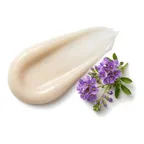 Bakuchiol |
Works well | Use them together, applying bakuchiol first, to boost anti-aging results while soothing irritation. Retinol and bakuchiol |
 Coenzyme Q10 |
Works well | Use them together, applying CoQ10 first, because CoQ10 helps keep retinol stable and effective. Retinol and coenzyme q10 |
 Vitamin E |
Works well | Use them together, applying vitamin E first, to help keep the retinol stable and effective. Retinol and vitamin E |
 Fatty acid |
Works well | Use them together, apply retinol first, because the lipids lock in moisture and soothe dryness. Retinol and fatty acid |
 Phytosphingosine |
Works well | Use them together, apply retinol first, because they soothe dryness and strengthen your skin. Retinol and phytosphingosine |
 Cholesterol |
Works well | Use them together, apply retinol first, because cholesterol locks in moisture and calms dryness. Retinol and cholesterol |
 Niacinamide |
Depends | Use them together, applying niacinamide first, to soothe skin and boost moisture. Retinol and niacinamide |
 Acetyl hexapeptide-3 |
Depends | Use retinol and acetyl hexapeptide-3 apart: in different sessions of the same day or on different days, because too much active stimulation can cause skin irritation. Retinol and acetyl hexapeptide-3 |
 Carnosine |
Depends | Use retinol and carnosine apart: in different sessions of the same day or on different days, because too much stimulation can irritate your skin. Retinol and carnosine |
 Collagen peptide |
Depends | Use them together, apply the retinol first, because they team up to boost collagen and smooth skin. Retinol and collagen peptide |
 Tripeptide |
Depends | Use retinol and tripeptide apart: in different sessions of the same day or on different days, to avoid extra irritation from combining strong formulas. Retinol and tripeptide |
 Acetyl Hexapeptide-9 |
Depends | Use retinol and acetyl hexapeptide-9 apart: in different sessions of the same day or on different days, because mixing them can cause too much skin irritation. Retinol and acetyl hexapeptide-9 |
 Hexapeptide-9 |
Depends | Use retinol and hexapeptide-9 apart: in different sessions of the same day or on different days, as they can cause too much skin irritation. Retinol and hexapeptide-9 |
 Copper peptide |
Depends | Use retinol and copper peptide apart: in different sessions of the same day or on different days, because mixing them can cause extra skin irritation. Retinol and copper peptide |
 Matrixyl 3000 |
Depends | Use them together, applying matrixyl 3000 before retinol, because they team up to boost collagen and smooth wrinkles. Retinol and matrixyl 3000 |
 Palmitoyl pentapeptide-4 |
Depends | Use retinol and palmitoyl pentapeptide-4 apart: in different sessions of the same day or on different days, as they may cause too much redness. Retinol and palmitoyl pentapeptide-4 |
 Peptide 9 |
Depends | Use retinol and peptide 9 apart: in different sessions of the same day or on different days, because mixing them can cause extra skin irritation. Retinol and peptide 9 |
 Adapalene |
Keep apart | Use adapalene and retinol apart: in different sessions of the same day or on different days, because combining them causes too much irritation and dryness. Retinol and adapalene |
 Benzoyl peroxide |
Keep apart | Use benzoyl peroxide and retinol apart: in different sessions of the same day or on different days, because they cancel each other out. Retinol and benzoyl peroxide |
 Glycolic acid |
Keep apart | Use glycolic acid and retinol apart: in different sessions of the same day or on different days, as they can cause irritation together. Retinol and glycolic acid |
 Tretinoin |
Keep apart | Use retinol and tretinoin apart: in different sessions of the same day or on different days, because combining them causes extreme irritation and peeling. Retinol and tretinoin |
 Alpha hydroxy acid |
Keep apart | Use retinol and alpha hydroxy acid apart: in different sessions of the same day or on different days, because they can cause severe skin irritation. Retinol and alpha hydroxy acid |
 Vitamin C |
Keep apart | Retinol and vitamin C |
 Retinoid |
Keep apart | Use retinol and retinoid apart: in different sessions of the same day or on different days, as light and heat break them down. Retinol and retinoid |
 Retinoid blend |
Keep apart | Use retinol and retinoid blend apart: in different sessions of the same day or on different days, because they are too strong together. Retinol and retinoid blend |
 Salicylic acid |
Keep apart | Use retinol and salicylic acid apart: in different sessions of the same day or on different days, to prevent extreme dryness and irritation. Retinol and salicylic acid |
 Tea tree oil |
Keep apart | Use retinol and tea tree oil apart: in different sessions of the same day or on different days, because they both cause too much skin irritation. Retinol and tea tree oil |
 Retinal |
Keep apart | Use retinol and retinal apart: in different sessions of the same day or on different days, because using them together overloads your skin and causes too much irritation. Retinol and retinal |
 Mandelic acid |
Keep apart | Use retinol and mandelic acid apart: in different sessions of the same day or on different days, because combining them causes skin irritation. Retinol and mandelic acid |
 Lactic acid |
Keep apart | Use retinol and lactic acid apart: in different sessions of the same day or on different days, as they both peel and irritate the skin. Retinol and lactic acid |
 Arbutin |
Keep apart | Use retinol and arbutin apart: in different sessions of the same day or on different days, because they can irritate and peel your skin when combined. Retinol and arbutin |
 Granactive retinoid |
Keep apart | Use retinol and granactive retinoid apart: in different sessions of the same day or on different days, as they are too similar and can easily irritate your skin. Retinol and granactive retinoid |
 Thyme oil |
Keep apart | Use retinol and thyme oil apart: in different sessions of the same day or on different days, as they both irritate skin. Retinol and thyme oil |
 Clove leaf oil |
Keep apart | Use retinol and clove leaf oil apart: in different sessions of the same day or on different days, because both can irritate your skin. Retinol and clove leaf oil |
 Sandalwood oil |
Keep apart | Use retinol and sandalwood oil apart: in different sessions of the same day or on different days, because they together cause skin irritation and sensitivity. Retinol and sandalwood oil |
 Alcohol |
Keep apart | Use retinol and alcohol apart: in different sessions of the same day or on different days, because they dry and irritate the skin together. Retinol and alcohol |
 Lavender oil |
Keep apart | Use retinol and lavender oil apart: in different sessions of the same day or on different days, as they both can irritate skin. Retinol and lavender oil |
 Orange oil |
Keep apart | Use retinol and orange oil apart: in different sessions of the same day or on different days, because both can irritate skin. Retinol and orange oil |
 Citric acid |
Keep apart | Use retinol and citric acid apart: in different sessions of the same day or on different days, as combining them causes irritation. Retinol and citric acid |
 Peppermint oil |
Keep apart | Use retinol and peppermint oil apart: in different sessions of the same day or on different days, because they together cause skin irritation and sensitivity. Retinol and peppermint oil |
 Rose oil |
Keep apart | Use retinol and rose oil apart: in different sessions of the same day or on different days, as they both can heavily irritate your skin. Retinol and rose oil |
 Rosewood oil |
Keep apart | Use retinol and rosewood oil apart: in different sessions of the same day or on different days, because they both cause too much skin irritation. Retinol and rosewood oil |
 Isopropyl alcohol |
Keep apart | Use retinol and isopropyl alcohol apart: in different sessions of the same day or on different days, to prevent severe dryness and irritation. Retinol and isopropyl alcohol |
 Palmarosa oil |
Keep apart | Use retinol and palmarosa oil apart: in different sessions of the same day or on different days, because they both can irritate your skin. Retinol and palmarosa oil |
 Polyvinyl alcohol |
Keep apart | Use retinol and polyvinyl alcohol apart: in different sessions of the same day or on different days, as they can strip your skin barrier and increase irritation. Retinol and polyvinyl alcohol |
 Cinnamon oil |
Keep apart | Use retinol and cinnamon oil apart: in different sessions of the same day or on different days, because they cause severe irritation and sensitivity together. Retinol and cinnamon oil |
 Eucalyptus oil |
Keep apart | Use retinol and eucalyptus oil apart: in different sessions of the same day or on different days, as they can severely irritate your skin. Retinol and eucalyptus oil |
From the ingredient rules behind the "Works well with" and "Don't mix with" notes on every product in the Lovi app.
Questions and answers
What does retinol do for the skin?
Retinol helps reduce fine lines, wrinkles, and hyperpigmentation while increasing epidermal thickness and collagen production in the skin.
How do you use retinol?
You can use retinol daily to help smooth wrinkles and improve skin texture, but use retinol and glycolic acid apart: in different sessions of the same day or on different days, as they can cause irritation together.
Should you use retinol in the morning or at night?
You should use retinol at night because sunlight breaks it down. When combining it with active ingredients that may cause irritation, use retinol and glycolic acid apart: in different sessions of the same day or on different days.
Can you use retinol every day?
Yes, you can use retinol daily, as studies show it helps improve fine lines and texture over time. However, it may cause mild skin scaling and stinging in some individuals.
Does retinol cause purging or irritation?
Yes, topical retinol may cause skin irritation like scaling and stinging as it helps improve signs of aging and hyperpigmentation.
The British Journal of Dermatology, 2019Skin Pharmacology and Physiology, 2020
Which skin types is retinol best for?
Retinol is well-suited for many skin types, with Lovi fit ratings showing it is a Superior fit for oily, combination, and acne-prone skin, and a High fit for dry, sensitive, and mature skin.
Can you use retinol with tri-ceramide complex?
Yes, you can use retinol with tri-ceramide complex together, applying tri-ceramide complex first, to prevent dryness.
Can you use retinol with adapalene?
No, you cannot use retinol with adapalene. Use adapalene and retinol apart: in different sessions of the same day or on different days, because combining them causes too much irritation and dryness.
Research on retinol
Behind this ingredient guide
Lovi checks every ingredient with brand-independent rules our dermatologists and cosmetic chemists build and review, and personalizes every pick with AI trained on the real results of millions of users. Lovi trains its fit score models on a proprietary dataset built from more than 10,000 expert-labeled products and more than 100,000 simulated examples, following an internally consistent methodology presented at Cosmoprof, AMWC, and Skin of Color Update.
-

Co-founder, Medical Director
Cosmetic chemist, cosmetologist, aesthetic products developer
-

Co-founder, CEO and CTO
PhD in computer science, 3x US patent holder, ex-Google, ex-Yandex
-

Dr. Sofía Perea Pérez, MD, MSc
Medical Board
Aesthetic medicine practitioner, MSc in Longevity and Anti-Aging Medicine
-

Medical Board
Specialist dermatologist, MBBS, MD, IFAAD
-

Medical Board
Cosmetic chemist, SCS, IFSCC member
-

Medical Board, Medical Advisor
Dermatology MD
-

Elina Nazarenko, MD
Medical Board
Dermatology and diagnostic consultant
-

Victoria Derkova, MS
Medical Board
Cosmetic chemist, cosmetic development technologist
How does it fit your skin?
Scan your face, then any product: Lovi shows how well it fits you and what fits even better.


