
Palmarosa oil
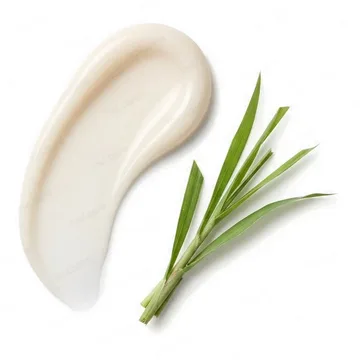
Palmarosa oil gently shields the skin by calming irritation, defending against daily oxidative stress, and helping to balance blemish-causing bacteria without harming healthy skin cells. It suits most skin types well and is commonly found in nourishing serums. When adding it to your routine, simply be sure to keep it separate from glycolic acid, retinol, and alpha hydroxy acid.
Experimental and Molecular Pathology, 2013The Journal of Pharmacy and Pharmacology, 2018
This page shows palmarosa oil products with a Lovi page. For every product, and a routine built for your skin, use the Lovi app.

What to combine palmarosa oil with
| Ingredient | Together | How to use them |
|---|---|---|
 Glycolic acid |
Keep apart | Use glycolic acid and palmarosa oil apart: in different sessions of the same day or on different days, because mixing them can cause extra redness and skin irritation. Palmarosa oil and glycolic acid |
 Retinol |
Keep apart | Use retinol and palmarosa oil apart: in different sessions of the same day or on different days, because they both can irritate your skin. Palmarosa oil and retinol |
 Alpha hydroxy acid |
Keep apart | Use alpha hydroxy acid and palmarosa oil apart: in different sessions of the same day or on different days, because combining them causes irritation and sunburn risk. Palmarosa oil and alpha hydroxy acid |
 Mandelic acid |
Keep apart | Use mandelic acid and palmarosa oil apart: in different sessions of the same day or on different days, because mandelic acid makes the skin absorb the oil too deeply and causes irritation. Palmarosa oil and mandelic acid |
 Lactic acid |
Keep apart | Use lactic acid and palmarosa oil apart: in different sessions of the same day or on different days, because they can irritate your skin together. Palmarosa oil and lactic acid |
 Citric acid |
Keep apart | Use citric acid and palmarosa oil apart: in different sessions of the same day or on different days, because they can irritate your skin together. Palmarosa oil and citric acid |
From the ingredient rules behind the "Works well with" and "Don't mix with" notes on every product in the Lovi app.
Questions and answers
What does palmarosa oil do for the skin?
Palmarosa oil helps soothe skin inflammation and reduce oxidative stress, and it may help fight acne-causing bacteria without harming skin cells. Use retinol and palmarosa oil apart: in different sessions of the same day or on different days.
Experimental and Molecular Pathology, 2013The Journal of Pharmacy and Pharmacology, 2018
How do you use palmarosa oil?
Palmarosa oil helps reduce inflammation and oxidative stress in the skin. Because it can irritate your skin when combined, use glycolic acid and palmarosa oil apart: in different sessions of the same day or on different days.
Experimental and Molecular Pathology, 2013Inflammopharmacology, 2022
Should you use palmarosa oil in the morning or at night?
You can use palmarosa oil in the morning or at night, as it helps soothe skin and calms inflammation. However, use glycolic acid and palmarosa oil apart: in different sessions of the same day or on different days.
Experimental and Molecular Pathology, 2013Inflammopharmacology, 2022
Can you use palmarosa oil every day?
Yes, you can use palmarosa oil every day to help reduce skin inflammation and fight acne-causing bacteria. It helps soothe the skin while keeping unwanted microbes in check.
The Journal of Pharmacy and Pharmacology, 2018Inflammopharmacology, 2022
Does palmarosa oil cause purging or irritation?
Palmarosa oil does not typically cause purging, but use glycolic acid and palmarosa oil apart: in different sessions of the same day or on different days because combining them may lead to irritation.
Experimental and Molecular Pathology, 2013The Journal of Pharmacy and Pharmacology, 2018
Which skin types is palmarosa oil best for?
Palmarosa oil is best for skin prone to acne and inflammation, as it helps target blemish-causing bacteria and soothe irritation. It may also help reduce oxidative stress and calm inflammatory responses in the skin.
The Journal of Pharmacy and Pharmacology, 2018Experimental and Molecular Pathology, 2013
Can you use palmarosa oil with glycolic acid?
No, you should use glycolic acid and palmarosa oil apart: in different sessions of the same day or on different days, because mixing them can cause extra redness and skin irritation.
Research on palmarosa oil
Behind this ingredient guide
Lovi checks every ingredient with brand-independent rules our dermatologists and cosmetic chemists build and review, and personalizes every pick with AI trained on the real results of millions of users. Lovi trains its fit score models on a proprietary dataset built from more than 10,000 expert-labeled products and more than 100,000 simulated examples, following an internally consistent methodology presented at Cosmoprof, AMWC, and Skin of Color Update.
-

Co-founder, Medical Director
Cosmetic chemist, cosmetologist, aesthetic products developer
-

Co-founder, CEO and CTO
PhD in computer science, 3x US patent holder, ex-Google, ex-Yandex
-

Dr. Sofía Perea Pérez, MD, MSc
Medical Board
Aesthetic medicine practitioner, MSc in Longevity and Anti-Aging Medicine
-

Medical Board
Specialist dermatologist, MBBS, MD, IFAAD
-

Medical Board
Cosmetic chemist, SCS, IFSCC member
-

Medical Board, Medical Advisor
Dermatology MD
-

Elina Nazarenko, MD
Medical Board
Dermatology and diagnostic consultant
-

Victoria Derkova, MS
Medical Board
Cosmetic chemist, cosmetic development technologist
How does it fit your skin?
Scan your face, then any product: Lovi shows how well it fits you and what fits even better.


