
Polyhydroxy acid
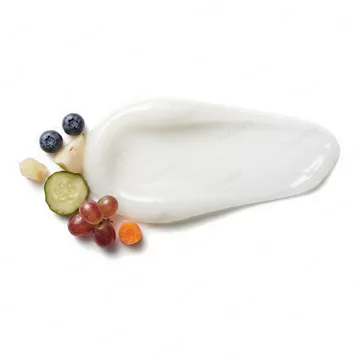
Polyhydroxy acid visibly increases skin hydration, reduces redness, smooths texture, plumps, lightens, and clears both inflamed and non-inflamed acne spots with fewer side effects than other treatments, while lowering water loss and preserving the skin barrier. It suits dry skin and oily skin best, and is available in forms like exfoliators and toners. Furthermore, it fits well into a routine because it works nicely with glycolic acid, alpha hydroxy acid, and vitamin C.
The British Journal of Dermatology, 1997Clinical, Cosmetic and Investigational Dermatology, 2019The Australasian Journal of Dermatology, 1992
This page shows polyhydroxy acid products with a Lovi page. For every product, and a routine built for your skin, use the Lovi app.
Popular polyhydroxy acid products
- Glow Recipe Watermelon Glow PHA + BHA Pore-Tight Toner
- Some By Mi AHA-BHA-PHA 30 Days Miracle Toner
- Ole Henriksen Banana Bright Vitamin C Serum
- The INKEY List PHA Toner
-
Dermalogica
PowerBright Dark Spot Peel
 €75.20
-
Cetaphil
Gentle Exfoliating SA Lotion
€13.51
-
Medicube
Zero Pore One Day Serum
€22.00
-
Some By Mi
AHA BHA PHA 30 Days Miracle Serum
€17.49


Polyhydroxy acid toners
- Glow Recipe Watermelon Glow PHA + BHA Pore-Tight Toner
- Some By Mi AHA-BHA-PHA 30 Days Miracle Toner
- The INKEY List PHA Toner
- innisfree Green Tea Enzyme PHA Toner
-
Medik8
Press & Glow
 €39.45
- LANEIGE Water Bank Blue Hyaluronic Exfoliating Toner
-
MISSHA
Vita C Plus Brightening Toner
€19.99
- ma:nyo Galactomy Clearskin Toner
- Benton PHA Peeling Toner
- Mizon AHA & BHA & PHA Peeling Mist


What reviewers say about popular polyhydroxy acid products
The highlight reviewers mention most for each popular polyhydroxy acid product on Lovi.
Glow Recipe Watermelon Glow PHA + BHA Pore-Tight Toner Hydrates skin ★4.8 · 4.0k+ reviews
- Glow and radiance
- Pleasant scent
- “extremely hydrating”
What people say about Watermelon Glow PHA + BHA Pore-Tight Toner
Some By Mi AHA-BHA-PHA 30 Days Miracle Toner Clears active acne ★4.5 · 10.0k+ reviews
- Smoothes skin texture
- Gentle exfoliation
- “Reduces pimples”
Ole Henriksen Banana Bright Vitamin C Serum Lightweight texture ★4.4 · 2.7k+ reviews
- Pleasant scent
- Hydrating and plumping
- “absorbs fast without being sticky”
The INKEY List PHA Toner Gentle on skin ★4.2 · 1.2k+ reviews
- Improves texture
- Hydrating, non-drying
- “It's made to be a gentle exfoliant for sensitive skin that's dry to combination.”
Dermalogica PowerBright Dark Spot Peel Smoothes skin texture ★4.8 · 200+ reviews
- Brightens complexion
- Fast visible results
- “skin feeling smoother”
Cetaphil Gentle Exfoliating SA Lotion Smooths rough texture ★4.7 · 1.5k+ reviews
- Lightweight absorption
- Fragrance-free
- “cleared my KP”
Polyhydroxy acid exfoliators
-
Dermalogica
PowerBright Dark Spot Peel
€75.20
-
Cetaphil
Gentle Exfoliating SA Lotion
€13.51
-
Medicube
Zero Pore One Day Serum
€22.00
-
Some By Mi
AHA BHA PHA 30 Days Miracle Serum
€17.49
- Aveeno Calm + Restore Nourishing PHA Exfoliator
-
AXIS-Y
PHA Resurfacing Glow Peel
€15.00
- Some By Mi AHA/BHA/PHA 30 Days Miracle Truecica Clear Pad
- La Roche-Posay Mela B3 Brightening Micro-Peeling Gel


Other polyhydroxy acid products
- Ole Henriksen Banana Bright Vitamin C Serum
- OLEHENRIKSEN Truth Juice Daily Cleanser
-
La Roche-Posay
MELA B3 Facial Gel Cleanser
€17.65
- Ole Henriksen PHAT Glow Facial
- INNISFREE Volcanic Calming Pore Clay Mask


Polyhydroxy acid for dry skin
- Aveeno Calm + Restore Nourishing PHA Exfoliator
-
Medik8
Press & Glow
€39.45
-
AXIS-Y
PHA Resurfacing Glow Peel
€15.00
- Ole Henriksen Banana Bright Vitamin C Serum
- La Roche-Posay Mela B3 Brightening Micro-Peeling Gel
- The INKEY List PHA Toner
-
La Roche-Posay
MELA B3 Facial Gel Cleanser
€17.65
- OLEHENRIKSEN Truth Juice Daily Cleanser
- Benton PHA Peeling Toner
- innisfree Green Tea Enzyme PHA Toner
-
Some By Mi
AHA BHA PHA 30 Days Miracle Serum
€17.49
-
MISSHA
Vita C Plus Brightening Toner
€19.99


Polyhydroxy acid for oily skin
-
MISSHA
Vita C Plus Brightening Toner
€19.99
- Some By Mi AHA-BHA-PHA 30 Days Miracle Toner
-
Some By Mi
AHA BHA PHA 30 Days Miracle Serum
€17.49
- Glow Recipe Watermelon Glow PHA + BHA Pore-Tight Toner
- ma:nyo Galactomy Clearskin Toner
- innisfree Green Tea Enzyme PHA Toner
- The INKEY List PHA Toner
- Ole Henriksen PHAT Glow Facial
-
La Roche-Posay
MELA B3 Facial Gel Cleanser
€17.65
- Some By Mi AHA/BHA/PHA 30 Days Miracle Truecica Clear Pad
- Benton PHA Peeling Toner
- Aveeno Calm + Restore Nourishing PHA Exfoliator


Polyhydroxy acid for combination skin
- Some By Mi AHA-BHA-PHA 30 Days Miracle Toner
-
Some By Mi
AHA BHA PHA 30 Days Miracle Serum
€17.49
- Glow Recipe Watermelon Glow PHA + BHA Pore-Tight Toner
- Benton PHA Peeling Toner
-
MISSHA
Vita C Plus Brightening Toner
€19.99
- ma:nyo Galactomy Clearskin Toner
- Some By Mi AHA/BHA/PHA 30 Days Miracle Truecica Clear Pad
- innisfree Green Tea Enzyme PHA Toner
- Aveeno Calm + Restore Nourishing PHA Exfoliator
-
Medik8
Press & Glow
€39.45
-
AXIS-Y
PHA Resurfacing Glow Peel
€15.00
-
La Roche-Posay
MELA B3 Facial Gel Cleanser
€17.65


Polyhydroxy acid for sensitive skin
-
MISSHA
Vita C Plus Brightening Toner
€19.99
-
AXIS-Y
PHA Resurfacing Glow Peel
€15.00
-
La Roche-Posay
MELA B3 Facial Gel Cleanser
€17.65
- Benton PHA Peeling Toner
- The INKEY List PHA Toner
- Aveeno Calm + Restore Nourishing PHA Exfoliator
- Glow Recipe Watermelon Glow PHA + BHA Pore-Tight Toner
- Ole Henriksen PHAT Glow Facial
-
Some By Mi
AHA BHA PHA 30 Days Miracle Serum
€17.49
- La Roche-Posay Mela B3 Brightening Micro-Peeling Gel
- LANEIGE Water Bank Blue Hyaluronic Exfoliating Toner
- Some By Mi AHA-BHA-PHA 30 Days Miracle Toner


What to combine polyhydroxy acid with
| Ingredient | Together | How to use them |
|---|---|---|
 Glycolic acid |
Works well | Use them together, applying glycolic acid first, for gentle exfoliation and extra moisture without irritation. Polyhydroxy acid and glycolic acid |
 Alpha hydroxy acid |
Works well | Use them together, applying alpha hydroxy acid first, for gentle exfoliation and extra moisture. Polyhydroxy acid and alpha hydroxy acid |
 Vitamin C |
Works well | Use them together, applying vitamin C first, to gently boost your glow and make the vitamin soak in better. Polyhydroxy acid and vitamin C |
 Salicylic acid |
Works well | Use them together, applying polyhydroxy acid first, because PHAs hydrate and soothe the skin while softening the strong exfoliating effects of salicylic acid. Polyhydroxy acid and salicylic acid |
 Mandelic acid |
Works well | Use them together, apply the mandelic acid first, for gentle exfoliation and extra moisture. Polyhydroxy acid and mandelic acid |
 Hyaluronic acid |
Works well | Use them together, apply hyaluronic acid first, for gentle hydration and fresh skin. Polyhydroxy acid and hyaluronic acid |
 Lactic acid |
Works well | Use them together, applying the lactic acid first, for gentle exfoliation and less irritation. Polyhydroxy acid and lactic acid |
 Citric acid |
Works well | Use them together, applying polyhydroxy acid first, to get gentle exfoliation and less irritation. Polyhydroxy acid and citric acid |
 Niacinamide |
Depends | Use them together, applying niacinamide first, to smooth texture and support your skin barrier. Polyhydroxy acid and niacinamide |
From the ingredient rules behind the "Works well with" and "Don't mix with" notes on every product in the Lovi app.
Questions and answers
What does polyhydroxy acid do for the skin?
Polyhydroxy acid helps provide gentle exfoliation and significant antiaging, skin smoothing, plumping, and lightening benefits while increasing skin moisture and remaining well tolerated by sensitive skin.
How do you use polyhydroxy acid?
Polyhydroxy acid helps hydrate and soothe the skin while softening the strong exfoliating effects of salicylic acid when you use them together, applying polyhydroxy acid first. It also helps provide gentle exfoliation and extra moisture when used together with glycolic acid, applying glycolic acid first.
Should you use polyhydroxy acid in the morning or at night?
Polyhydroxy acid may be used in the morning or at night, and it works well together with vitamin C applied first to gently boost your glow and make the vitamin soak in better.
Can you use polyhydroxy acid every day?
Yes, polyhydroxy acids may be used every day because they help hydrate and soothe the skin while providing gentle exfoliation.
Does polyhydroxy acid cause purging or irritation?
Polyhydroxy acid is unlikely to cause irritation because it features large molecules that gently exfoliate while hydrating sensitive skin. It helps improve texture with fewer side effects than traditional acids.
The British Journal of Dermatology, 1997The Australasian Journal of Dermatology, 1992
Which skin types is polyhydroxy acid best for?
Polyhydroxy acid is best for dry skin, oily skin, combination skin, sensitive skin, acne-prone skin, mature skin, skin with dark spots, dry sensitive skin, and oily acne-prone skin. Lovi gives a Superior fit rating for all of these skin types.
Can you use polyhydroxy acid with glycolic acid?
Yes, you can use polyhydroxy acid with glycolic acid because they work well together. Use them together, applying glycolic acid first, for gentle exfoliation and extra moisture without irritation.
The British Journal of Dermatology, 1997Journal of Cosmetic Dermatology, 2010
Research on polyhydroxy acid
Alpha hydroxyacids modulate stratum corneum barrier function
A comparative study of gluconolactone versus benzoyl peroxide in the treatment of acne
Corneometric evaluation of skin moisture after application of 10% and 30% gluconolactone
Behind this ingredient guide
Lovi checks every ingredient with brand-independent rules our dermatologists and cosmetic chemists build and review, and personalizes every pick with AI trained on the real results of millions of users. Lovi trains its fit score models on a proprietary dataset built from more than 10,000 expert-labeled products and more than 100,000 simulated examples, following an internally consistent methodology presented at Cosmoprof, AMWC, and Skin of Color Update.
-

Co-founder, Medical Director
Cosmetic chemist, cosmetologist, aesthetic products developer
-

Co-founder, CEO and CTO
PhD in computer science, 3x US patent holder, ex-Google, ex-Yandex
-

Dr. Sofía Perea Pérez, MD, MSc
Medical Board
Aesthetic medicine practitioner, MSc in Longevity and Anti-Aging Medicine
-

Medical Board
Specialist dermatologist, MBBS, MD, IFAAD
-

Medical Board
Cosmetic chemist, SCS, IFSCC member
-

Medical Board, Medical Advisor
Dermatology MD
-

Elina Nazarenko, MD
Medical Board
Dermatology and diagnostic consultant
-

Victoria Derkova, MS
Medical Board
Cosmetic chemist, cosmetic development technologist
How does it fit your skin?
Scan your face, then any product: Lovi shows how well it fits you and what fits even better.


