Biore Deep Pore Charcoal Cleanser for acne-prone skin

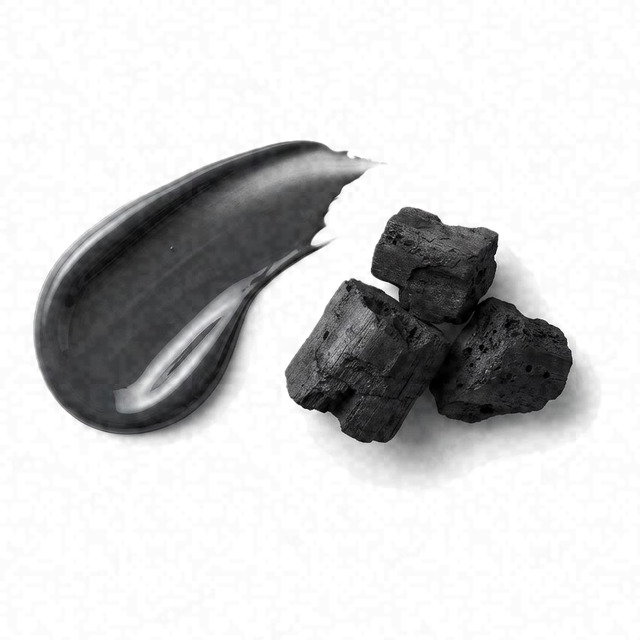 Charcoal
 Salicylic Acid
 Glycerin
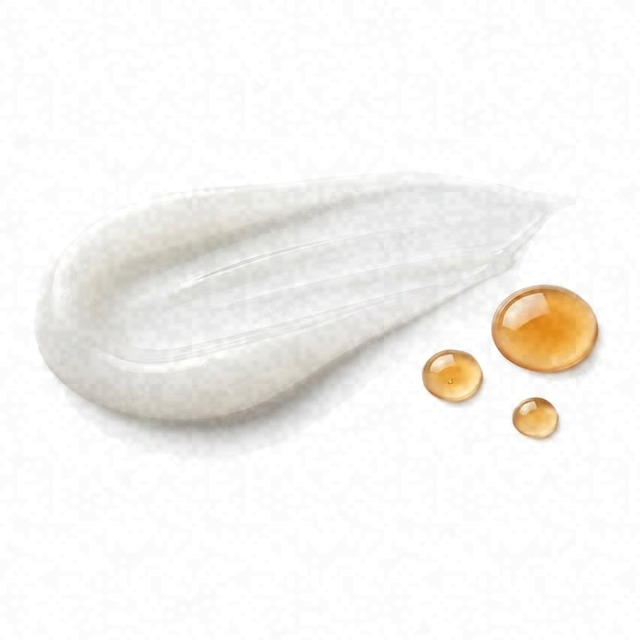 Cocamidopropyl Betaine
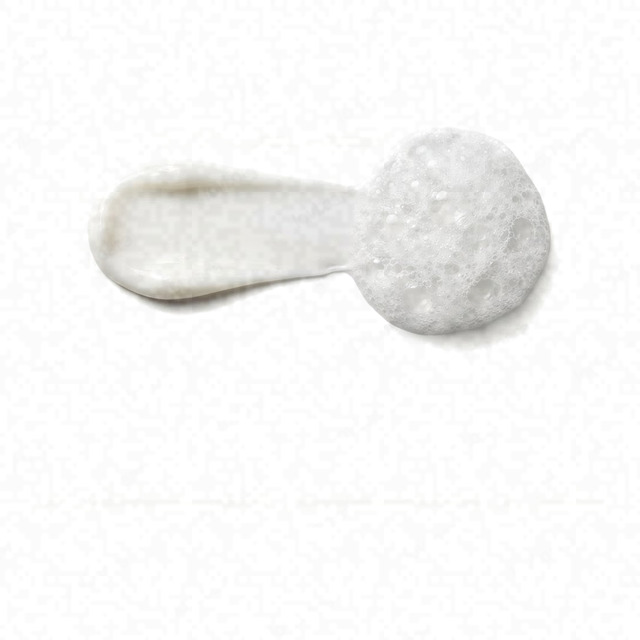 Sodium Laureth Sulfate
Average
- AverageCombination Skin Fit
- AverageEffectiveness
- HighSafety
Works for acne-prone skin; other cleansers fit it better.
This fit is calculated for the concerns frequently associated with acne-prone skin: breakouts, blackheads, and post-acne marks. For scores and recommendations based on your full skin profile, including your 12D face scan results and any goals or preferences you have, please use the Lovi app.
Page built Nov 8, 2026How the Fit score works
Lovi Assistant explains
- Offers moderate cleansing and exfoliation for your combination skin, as sodium laureth sulfate and salicylic acid work to clear pores and reduce breakouts. Charcoal powder provides mild detoxification, though the formula lacks sufficient humectants for drier areas.
- Glycerin and sorbitol offer some hydration, but additional moisturizing ingredients would enhance overall skin comfort.
- The product is safe for your skin, with no risks of irritation due to the absence of harsh ingredients and the inclusion of soothing components.
How to apply
- Could be used as part of your AM and PM routine. Start using it 3 times a week and build up to daily use if your skin tolerates it.
- This cleanser is the first step in your morning routine and the second step after your pre-cleanser in the evening. Always follow up with a toner and moisturizer .
- Gently massage a small amount of the cleanser onto your face in circular motions. Avoid harsh rubbing to keep your skin calm.
- Apply the cleanser on slightly damp skin to help it work effectively against breakouts. Rinse thoroughly with lukewarm water .
- Avoid the immediate eye area and do a patch test before your first use to check for any sensitivity.
People Say
★3.9Overall rating based on 9.0k+ reviewsBased on a very large amount of data, this cleanser is highly effective for users with oily and acne-prone skin, providing a deep clean and excellent oil control. Many users appreciate the refreshing sensation and notice improvements in complexion. However, a significant number of users with dry or sensitive skin report that the product can be overly drying and may cause irritation or redness.
Highlights
Deep clean feeling Mostly Mentioned
- “Face feels squeaky clean”
- “removes all dirt and grease”
- “pores feel breathable again”
Oil control Often Mentioned
- “Keeps shine away”
- “great for my oily T-zone”
- “cuts through grease immediately”
Refreshing sensation Often Mentioned
- “Love the tingle”
- “feels cool and refreshing”
- “wakes up my skin”
Drying and stripping Often Mentioned
- “Made my skin peel”
- “face felt super tight”
- “too harsh for daily use”
Clears complexion Sometimes Noted
- “Helped clear my blackheads”
- “fewer pimples since using”
- “skin looks brighter”
Irritation and redness Sometimes Noted
- “Burned my face”
- “turned my skin red”
- “stung my eyes bad”
Messy application Sometimes Noted
- “Stains the sink”
- “leaves black drips everywhere”
- “messy to rinse off”
Strong fragrance Rarely Noted
- “Smells like chemicals”
- “scent is too strong”
- “overwhelming perfume smell”
Sources: lovi.care, influenster.com, target.com, walmart.com, ulta.com, and more
Questions and answers
How well does Biore Deep Pore Charcoal Cleanser work for acne-prone skin?
This cleanser works moderately well for acne-prone skin because salicylic acid and charcoal help clear pores and reduce breakouts. However, it lacks sufficient hydrating ingredients for drier areas, so a cleanser for this skin needs barrier-repairing agents like ceramides and extra hydrators like hyaluronic acid or niacinamide to keep the skin balanced and comfortable.
Journal of Cosmetic Dermatology, 2024Journal of Drugs in Dermatology, 2023
Which ingredients make this cleanser a good fit for acne-prone skin?
Salicylic acid and charcoal make this cleanser a fit for acne-prone skin by helping clear pores and reduce breakouts, though this skin type needs cleansers with extra hydrating and barrier-repairing ingredients like Niacinamide, Ceramides, or hyaluronic acid to balance oil and moisture.
Journal of Cosmetic Dermatology, 2024Journal of Drugs in Dermatology, 2023
What does Activated Charcoal do for acne-prone skin?
Activated charcoal products lack clinical evidence to support claims that they can treat conditions like acne or provide exfoliative benefits. Acne-prone skin needs proven ingredients like salicylic acid or azelaic acid to help clear blemishes and calm redness.
What does Salicylic Acid do for acne-prone skin?
Salicylic acid helps clear acne-prone skin by reducing pimples and calming redness without causing many side effects. It works by dipping deep into pores to clear out blockages and control oil, making it a reliable choice for keeping skin smooth and clear.
BioMed Research International, 2020Journal of Cosmetic Dermatology, 2024
Where does it go in a skincare routine for acne-prone skin?
This cleanser goes in your morning and evening routine right before your toner and moisturizer. An acne-prone skin routine needs extra hydrating ingredients to keep the skin comfortable while salicylic acid and charcoal clear pores and reduce breakouts.
Can I use this cleanser with retinol, and in what order?
You can use this cleanser with retinol by applying the cleanser first on your damp face, rinsing it off completely, and then following up with your retinol after your skin is dry. Because this wash can be drying, using a gentle hydrating moisturizer alongside it helps keep your skin comfortable and supports your skin barrier.
How often should I use it?
You can use this cleanser daily in the morning and evening as part of your routine. This type of product works best for acne-prone skin when paired with extra hydrating ingredients to keep drier areas comfortable.
Can it clog pores, cause breakouts or purging for acne-prone skin?
This cleanser helps clear pores and reduce breakouts for acne-prone skin because it contains salicylic acid, though it may leave drier areas feeling stripped. To work better for this skin, a product of this type needs extra hydrating ingredients to keep the skin comfortable.
Journal of Cosmetic Dermatology, 2024Journal of Drugs in Dermatology, 2023
Can I use this cleanser around the eyes or on my body?
You can use this cleanser on your body, but it is best to avoid the very thin skin around the eyes where cleansers can easily cause dryness and discomfort.
Is it fragrance-free and alcohol-free?
Yes, it has no fragrance and no drying alcohol.
What the research says
Twice daily application of a multitargeted dermocosmetic cream provided comparable efficacy to benzoyl peroxide 5% gel in reducing inflammatory, non-inflammatory, and total lesions in 150 Caucasian subjects with mild-to-moderate acne over 56 days, while demonstrating superior skin tolerability.
Journal of Cosmetic Dermatology, 2024The use of a salicylic acid-based dermocosmetic significantly reduces the needed quantity of benzoyl peroxide without impacting efficacy in mild to moderate acne, and as maintenance post-benzoyl peroxide allows a significant reduction of acne relapse compared to vehicle.
Journal of Drugs in Dermatology, 2023A moisturizer containing licochalcone A, 1,2-decanediol, L-carnitine, and salicylic acid significantly reduced noninflammatory, inflammatory, and total acne lesion counts compared to a vehicle control in Thai patients during a 12-week maintenance phase.
BioMed Research International, 2020Exogenous sorbitol protected epidermal keratinocytes from osmotic toxicity in vitro and significantly improved skin barrier repair and moisturization in individuals in arid environments.
Journal of Cosmetic Science, 2013Soap-and-water wash and superactive charcoal paste applied topically at various times after T-2 toxin exposure effectively reduced skin lesion severity in swine compared to untreated controls.
Fundamental and Applied Toxicology, 1989Cryotherapy with liquid nitrogen achieved a higher cure rate (39%) than salicylic acid (24%) and a wait-and-see approach (16%) for cutaneous warts at 13 weeks in primary care patients.
CMAJ, 2010Treatment with 2% supramolecular salicylic acid hydrogel resulted in a regression and markedly improvement rate of 51.01% compared to 43.10% for Adapaline gel in patients with mild to moderate facial acne vulgaris, showing no significant difference in efficacy.
Journal of Cosmetic Dermatology, 2024Topical 5% benzoyl peroxide plus salicylic acid achieved the greatest lesion reduction at early 2 to 4 week time points compared to benzoyl peroxide, clindamycin, and combination benzoyl peroxide/clindamycin, while 5% benzoyl peroxide plus salicylic acid and combination benzoyl peroxide/clindamycin showed similar efficacy at 10 to 12 weeks in acne patients.
Journal of the American Academy of Dermatology, 2010A single application of a moisturizing fluid containing hyaluronic acid 1%, glycerin 5%, and Centella asiatica stem cells extract significantly increased skin hydration by 29% and reduced transepidermal water loss at 24 hours compared to baseline and an untreated control site in twenty healthy women.
Clinical, Cosmetic and Investigational Dermatology, 2017The emollient V0034CR significantly reduced TEWL compared to vehicle and vehicle plus glycerol, and significantly increased corneometry scores compared to vehicle and vehicle plus petrolatum in healthy volunteers with dry skin, demonstrating combined barrier function improvement from petrolatum and hydration improvement from glycerol.
Journal of Cosmetic Dermatology, 2020Ten days of treatment with a cream containing 20% glycerin significantly increased skin hydration measured by corneometer values in 17 healthy volunteers compared to a placebo cream, but showed no influence on transepidermal water loss or skin sensitivity to an irritating surfactant.
International Journal of Cosmetic Science, 2001The cytotoxic effect of sodium lauryl sulphate on normal human keratinocytes was significantly decreased when combined with cocamidopropyl betaine, Tween 20, and Tween 80 at concentrations well below the critical micelle concentration.
Skin Pharmacology and Applied Skin Physiology, 2003Sodium dodecyl sulfate (SDS) treatment decreases lipid membrane chain conformational order and stiffness leading to increased water sorption and diffusivity, whereas sodium lauryl ether sulfate (SLES) treatment increases lipid membrane conformational order and stiffness with increased water sorption capacity driven by its hygroscopic nature.
Langmuir, 2014
Why other cleansers fit acne-prone skin better
Cosmetic formulations containing 5% Centella asiatica extract showed the best efficacy in improving skin moisture and decreasing transepidermal water loss, while also exhibiting antiinflammatory properties in 25 volunteers compared to baseline measurements.
Indian Journal of Pharmaceutical Sciences, 2016A panthenol-enriched mask improved skin hydration, regulated sebum, and reduced redness and TEWL across dry sensitive, oily sensitive, and oily acne skin subgroups with excellent tolerance and no adverse reactions.
Journal of Cosmetic Dermatology, 2024Co-delivery of paeonol and madecassoside via nanoemulsions improved transdermal delivery, promoted barrier repair proteins, inhibited inflammatory cytokine secretion in cellular and 3D models, and reduced transepidermal water loss and acne in human facial skin compared to free components.
Molecules, 2023
Ingredients
Water, Glycerin, Sodium Laureth Sulfate, Cocamidopropyl Betaine, Sorbitol, Laureth-4 Carboxylic Acid, Ethylhexylglycerin, Acrylates C10-30 Alkyl Acrylate Crosspolymer, Sodium Hydroxide, Menthol, Methylparaben, Polyquaternium-39, Propylparaben, Charcoal Powder, Disodium Edta, Mannitol, Cellulose, Caprylic Capric Triglyceride, Methylisothiazolinone, Salicylic Acid, Sodium Benzoate, Iron Oxides
Behind this fit score
Lovi calculates every fit score from the full ingredient list with brand-independent rules our dermatologists and cosmetic chemists build and review, and personalizes every pick with AI trained on the real results of millions of users. Lovi trains its fit score models on a proprietary dataset built from more than 10,000 expert-labeled products and more than 100,000 simulated examples, following an internally consistent methodology presented at Cosmoprof, AMWC, and Skin of Color Update.
-

Co-founder, Medical Director
Cosmetic chemist, cosmetologist, aesthetic products developer
-

Co-founder, CEO and CTO
PhD in computer science, 3x US patent holder, ex-Google, ex-Yandex
-

Dr. Sofía Perea Pérez, MD, MSc
Medical Board
Aesthetic medicine practitioner, MSc in Longevity and Anti-Aging Medicine
-

Medical Board
Specialist dermatologist, MBBS, MD, IFAAD
-

Medical Board
Cosmetic chemist, SCS, IFSCC member
-

Medical Board, Medical Advisor
Dermatology MD
-

Elina Nazarenko, MD
Medical Board
Dermatology and diagnostic consultant
-

Victoria Derkova, MS
Medical Board
Cosmetic chemist, cosmetic development technologist


How does it fit your skin?
Scan your face, then any product: Lovi shows how well it fits you and what fits even better.