Avène Cleanance for oily skin

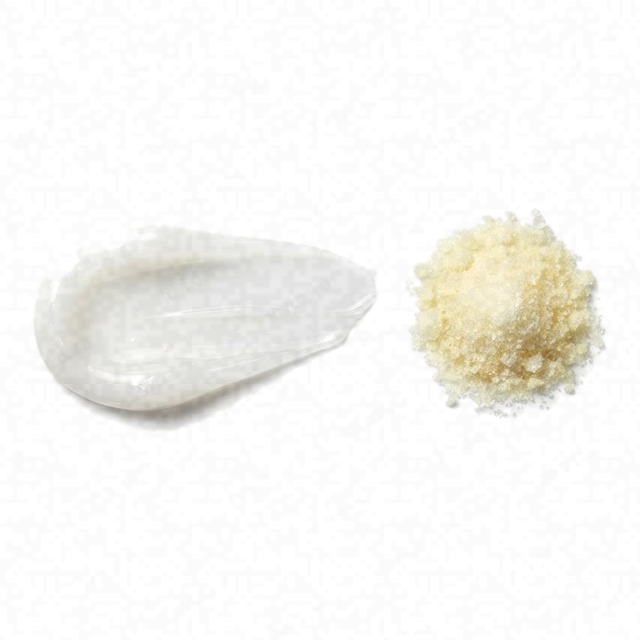 Butyl Methoxydibenzoylmethane
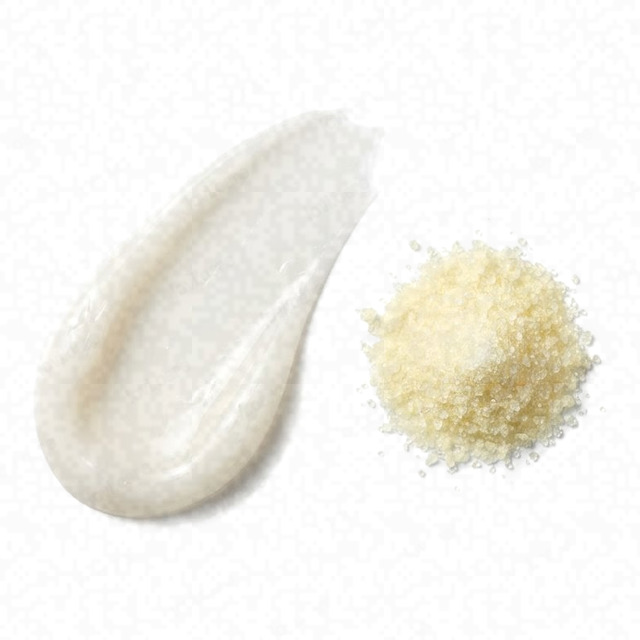 Bis-Ethylhexyloxyphenol Methoxyphenyl Triazine
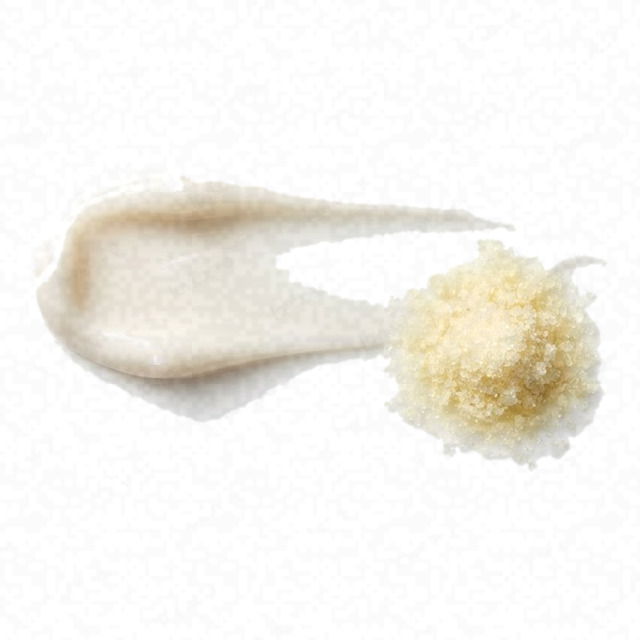 Diethylhexyl Butamido Triazone
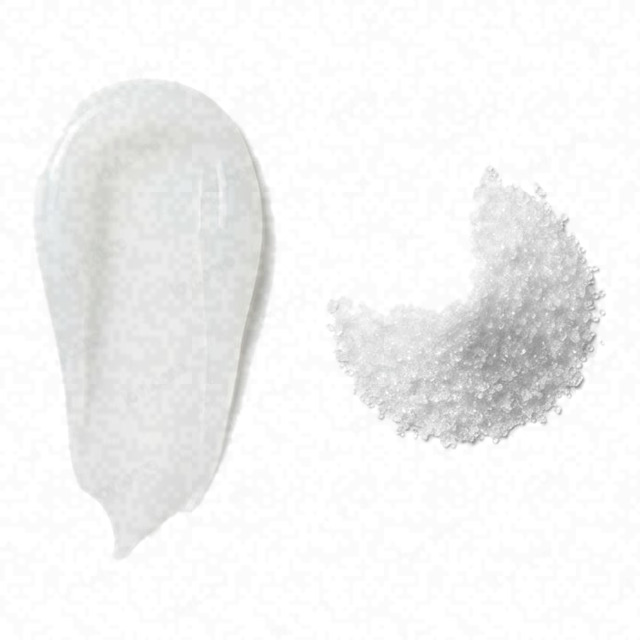 Zinc Gluconate
 Tocopheryl Glucoside
Superior
- HighOily Skin Fit
- HighEffectiveness
- HighSafety
One of the best sunscreens for oily skin.
This fit is calculated for the concerns frequently associated with oily skin: shine, enlarged pores, blackheads, and blemishes. For scores and recommendations based on your full skin profile, including your 12D face scan results and any goals or preferences you have, please use the Lovi app.
Page built Nov 8, 2026How the Fit score works
Lovi Assistant explains
- Excellent for your oily skin, this product features zinc gluconate and tocopheryl glucoside to effectively regulate sebum production and provide antioxidant protection, addressing your oily shine concerns.
- The inclusion of butyl methoxydibenzoylmethane and bis-ethylhexyloxyphenol methoxyphenyl triazine ensures robust UV protection, further enhancing the product's functionality for your skin.
- This formula is safe for your oily skin, with no reported risks of irritation due to the absence of harsh or prohibited ingredients.
How to apply
- Apply this sunscreen during your AM routine every single day. Reapply every two hours if you are staying outdoors.
- Apply the sunscreen as the final step of your morning skincare routine after your moisturizer. Allow your moisturizer to absorb fully before putting it on.
- Squeeze a generous amount and pat it gently all over your face and neck. Avoid rubbing the product harshly into your skin.
- Apply the sunscreen directly onto dry skin to ensure it forms an even and protective layer against the sun.
- Avoid getting the product directly into your eyes and stop using it if any irritation occurs.
People Say
★4.6Overall rating based on 1000+ reviewsUsers with oily, acne-prone, and sensitive skin highly recommend this cleanser for its deep yet gentle cleansing action, effectively managing excess oil and preventing breakouts without stripping moisture. While most users appreciate the fresh, matte, and soothed complexion it provides, a moderate number of reviews mention a strong fragrance, and a few users with drier or very sensitive skin experienced some dryness or irritation.
Highlights
Gentle and non-stripping Mostly Mentioned
- “leaves face clean but not dry”
- “doesn't strip moisture”
- “gentle on sensitive skin”
- “no tight feeling”
Effective oil control Often Mentioned
- “keeps skin matte”
- “reduces excess sebum”
- “controls oil well”
- “less greasy throughout the day”
Helps clear acne Sometimes Noted
- “keeps breakouts at bay”
- “cleared up my acne”
- “reduces blackheads”
- “prevents new spots”
Pleasant texture and lather Sometimes Noted
- “lathers really well”
- “light blue gel feels nice”
- “little goes a long way”
- “foams up easily”
Strong fragrance Sometimes Noted
- “smell is too strong”
- “heavily fragranced”
- “artificial scent”
- “wish it was unscented”
Can be drying Rarely Noted
- “dried out my skin”
- “left face feeling tight”
- “caused peeling”
- “too harsh for dry areas”
Caused irritation Rarely Noted
- “burned my skin”
- “caused redness”
- “broke me out”
- “irritated my eyes”
Price point Rarely Noted
- “a bit pricey”
- “expensive for a face wash”
- “pricier than standard cleansers”
- “cost is high”
Sources: lovi.care, ulta.com, boots.com, dermstore.com, lovelyskin.com, aveneusa.com, and more
Questions and answers
What makes Avène Cleanance SPF one of the best fits for oily skin?
Avène Cleanance SPF is an exceptional fit for oily skin because it contains zinc gluconate to help control shine and regulate oil production. It also includes reliable UV filters for strong sun protection while maintaining a gentle, irritation-free formula.
Clinical, Cosmetic and Investigational Dermatology, 2023Journal of the American Academy of Dermatology, 1987
Which ingredients make this cream a good fit for oily skin?
This cream is a great fit for your oily skin because it uses zinc gluconate and tocopheryl glucoside to help manage oily shine while protecting against sun damage. It is also unlikely to cause irritation.
What does Avobenzone do for oily skin?
Avobenzone helps protect oily skin from sun damage by absorbing ultraviolet rays, but because it is an organic filter, it needs to be paired with oil-controlling ingredients and a lightweight texture to keep your skin feeling fresh and shine-free.
What does Bis-Ethylhexyloxyphenol Methoxyphenyl Triazine do for oily skin?
Bis-Ethylhexyloxyphenol Methoxyphenyl Triazine helps protect oily skin from UV damage by absorbing sunlight efficiently while remaining very stable in formulas. It is unlikely to feel heavy, though an oily skin type still needs a lightweight, non-greasy sunscreen texture that keeps shine under control.
Where does this cream go in a skincare routine for oily skin?
This cream goes last in your morning routine, right after your moisturizer. It protects your skin from the sun while helping keep oily shine under control.
Can I use this cream with retinol, and in what order?
You can use this cream in the morning after applying your retinol and moisturizer to protect your skin throughout the day. This sunscreen is safe for oily skin and helps control shine while providing robust UV protection.
How often should I use this cream?
This sunscreen fits your oily skin well and is suitable for daily morning use as part of your routine. It helps control oily shine and provides strong UV protection without irritation.
Can this cream clog pores, cause breakouts or purging for oily skin?
Avène Cleanance is unlikely to clog pores or cause breakouts for oily skin, as it is safe and free of harsh ingredients that typically trigger irritation. It features zinc gluconate to help control oily shine, alongside silica to keep the finish light.
Is this cream fragrance-free and alcohol-free?
It has no drying alcohol and contains fragrance (parfum).
What the research says
Daily use of a deep cleansing gel containing salicylic acid 2%, zinc gluconate 0.2% and lipohydroxy acid 0.05% significantly reduced total lesion count by 56.3% after 84 days in 35 subjects with mild to moderate truncal acne.
Clinical, Cosmetic and Investigational Dermatology, 2023A dermocosmetic cream containing Punica granatum Pericarp extract, Salicylic acid, Niacinamide, Zinc gluconate, and Aqua Posae Filiformis significantly decreased inflammatory, non-inflammatory, and total lesion counts in subjects with mild to moderate acne compared to untreated hemi-faces after 15 days.
Journal of Cosmetic Dermatology, 2026Parsol 1789 and Eusolex 8020 provided slightly better photoprotection than oxybenzone in both normal and sensitized human skin when assessed using pigmentation end points, whereas all three sunscreens performed similarly against UVA-induced erythema.
Journal of the American Academy of Dermatology, 1987Incorporation of avobenzone and oxybenzone into ordered mesoporous silica SBA-15 significantly reduced their cutaneous penetration and transdermal permeation in porcine skin compared to free filters, while enhancing the sun protection factor by 94%.
International Journal of Pharmaceutics, 2019Encapsulating avobenzone in low-porosity TiO2-embedded mesoporous silica (TiO2/SBA-S) reduced cutaneous avobenzone absorption from 0.76 to 0.50 nmol/mg while providing effective pollutant adsorbability, UVA protection, and a two- to three-fold reduction in photoaged skin cytokines/chemokines compared to the non-treatment control.
European Journal of Pharmaceutical Sciences, 2023Encapsulation of ethylhexyl methoxycinnamate and butyl methoxydibenzoylmethane in lipid microparticles significantly reduced their in vivo human skin penetration compared to nonencapsulated filters.
Skin Pharmacology and Physiology, 2011Microencapsulation of the BMDBM/HP-beta-CD complex in lipid microparticles significantly decreased the percutaneous penetration of the UV filter into the stratum corneum of human volunteers compared to the non-encapsulated sunscreen agent.
Journal of Pharmaceutical and Biomedical Analysis, 2011Following human skin application of an O/W emulsion containing 2% BMDBM loaded in lipospheres, 15% of the sunscreen accumulated in the uppermost layers of the stratum corneum without remarkably modifying skin permeation compared to unencapsulated sunscreen.
Skin Pharmacology and Physiology, 2008Maximal topical applications of 6% bemotrizinol in a model sunscreen formulation did not result in meaningful systemic exposure in humans.
Regulatory Toxicology and Pharmacology, 2023Different strains of Propionibacterium acnes modulate cutaneous innate immunity with varying pro-inflammatory potentials, with P. acnes type III showing the highest and P. avidum the weakest, and zinc gluconate down-regulates the expression of most induced immune markers.
Experimental Dermatology, 2013Zinc gluconate induced alpha2, alpha3, alphaV, and alpha6 integrins, copper gluconate induced alpha2, alpha6, and beta1, and manganese gluconate induced most studied integrins in cultured keratinocytes.
The British Journal of Dermatology, 1999Topical application of an antioxidant serum containing 15% ascorbic acid, 0.5% ferulic acid, and 1% tocopherol prevented particulate matter-induced degradation of extracellular matrix components, inflammation, and oxidative stress in the skin of 15 female volunteers compared to untreated controls.
Journal of Cosmetic Dermatology, 2025Dermatological products containing d-alpha tocopheryl acetate showed non-comedogenic potential with less than a 50% increase in microcomedones in 12 healthy male subjects compared to octyl palmitate.
Contemporary Clinical Trials Communications, 2021Topical application of an antioxidant mix containing 15% ascorbic acid, 0.5% ferulic acid, and 1% tocopherol prevented PM and UV-induced skin barrier perturbation, lipid peroxidation, inflammatory markers, MMP9 activation, and Type I collagen loss in 15 healthy females compared to untreated exposed skin.
Journal of Cosmetic Dermatology, 2024
Ingredients
Water, C12-15 Alkyl Benzoate, Diisopropyl Sebacate, Butyl Methoxydibenzoylmethane, Bis-Ethylhexyloxyphenol Methoxyphenyl Triazine, Diethylhexyl Butamido Triazone, Silica, Glyceryl Stearate, Peg-100 Stearate, Potassium Cetyl Phosphate, Caprylic Capric Triglyceride, Polymethyl Methacrylate, Benzoic Acid, Caprylyl Glycol, Disodium Edta, Parfum, Glyceryl Laurate, Sodium Hydroxide, Tocopheryl Glucoside, Xanthan Gum, Zinc Gluconate
Behind this fit score
Lovi calculates every fit score from the full ingredient list with brand-independent rules our dermatologists and cosmetic chemists build and review, and personalizes every pick with AI trained on the real results of millions of users. Lovi trains its fit score models on a proprietary dataset built from more than 10,000 expert-labeled products and more than 100,000 simulated examples, following an internally consistent methodology presented at Cosmoprof, AMWC, and Skin of Color Update.
-

Co-founder, Medical Director
Cosmetic chemist, cosmetologist, aesthetic products developer
-

Co-founder, CEO and CTO
PhD in computer science, 3x US patent holder, ex-Google, ex-Yandex
-

Dr. Sofía Perea Pérez, MD, MSc
Medical Board
Aesthetic medicine practitioner, MSc in Longevity and Anti-Aging Medicine
-

Medical Board
Specialist dermatologist, MBBS, MD, IFAAD
-

Medical Board
Cosmetic chemist, SCS, IFSCC member
-

Medical Board, Medical Advisor
Dermatology MD
-

Elina Nazarenko, MD
Medical Board
Dermatology and diagnostic consultant
-

Victoria Derkova, MS
Medical Board
Cosmetic chemist, cosmetic development technologist


How does it fit your skin?
Scan your face, then any product: Lovi shows how well it fits you and what fits even better.