La Roche-Posay Redermic R for dry sensitive skin

 Retinol
 Sodium Hyaluronate
 Glycerin
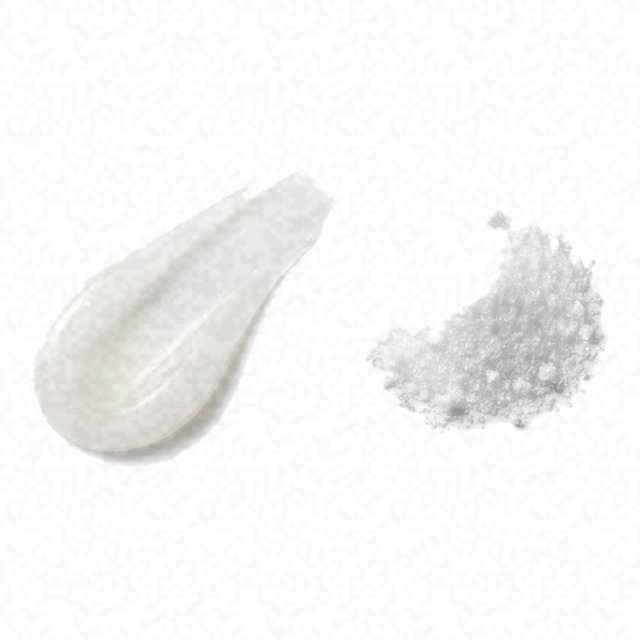 Adenosine
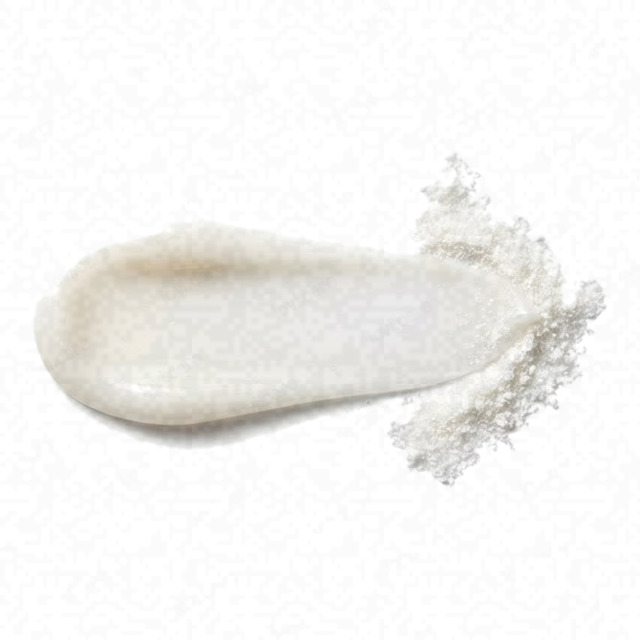 Capryloyl Salicylic Acid
Low
- AverageDry Skin Fit
- AverageEffectiveness
- ConcerningSafety
A weak match for dry sensitive skin; the serums alongside fit it better.
This fit is calculated for the concerns frequently associated with dry sensitive skin: flakiness, tightness, redness, fine lines, and wrinkles. For scores and recommendations based on your full skin profile, including your 12D face scan results and any goals or preferences you have, please use the Lovi app.
Page built Nov 8, 2026How the Fit score works
Lovi Assistant explains
- Offers moderate anti-aging benefits for your dry and sensitive skin, as retinol and retinyl linoleate work to smooth texture and minimize fine lines, but these ingredients can also exacerbate dryness and sensitivity.
- Glycerin and sodium hyaluronate provide some hydration for your dry or flaky skin, though the formula lacks sufficient emollients to fully counteract the drying effects of the retinoids.
How to apply
- Use this PM routine for your evening skincare. Start using the serum 3 times a week and increase to daily use if your skin feels comfortable.
- Apply the serum after cleansing and toner, but right before your moisturizer. This step locks in deep hydration for dry skin.
- Gently press 2-3 drops of the serum into your skin using your palms. Let it absorb completely for a minute ⏱ before applying your next product.
- Since your skin is sensitive, apply the serum on completely dry skin for better tolerance and less irritation.
- Avoid the sensitive eye area during application. Always do a patch test before your first use to ensure your skin reacts well.
People Say
★4.5Overall rating based on 300+ reviewsUsers find this product to be an effective starter retinol, particularly for sensitive skin, with many reporting improvements in skin texture and fine lines without irritation. Some users note that it may be too mild for deeper wrinkles and requires consistent long-term use for significant results.
Highlights
Smoothes texture Mostly Mentioned
- “Skin feels softer”
- “resurfaced texture”
- “bumps smoothed out”
- “velvety finish”
Gentle on skin Often Mentioned
- “No irritation experienced”
- “great starter retinol”
- “perfect for sensitive skin”
- “zero redness or peeling”
Reduces lines Often Mentioned
- “Forehead lines diminished”
- “softened crow's feet”
- “fine lines less visible”
- “plumper appearance”
Lightweight formula Sometimes Noted
- “Absorbs instantly”
- “lightweight fluid”
- “not sticky or oily”
- “wears well under makeup”
Mild/Slow results Sometimes Noted
- “No huge difference”
- “Took months to work”
- “Too weak for deep wrinkles”
- “Subtle changes only”
Unpleasant scent Sometimes Noted
- “Strong floral smell”
- “Medicinal odor”
- “Scent is overpowering”
- “Fragrance is too strong”
Helps acne/marks Rarely Noted
- “Faded acne scars”
- “reduced breakouts”
- “cleared congestion”
- “helped with pigmentation”
Drying effect Rarely Noted
- “Dried out cheeks”
- “Need heavy moisturizer”
- “Caused flaky patches”
- “Skin felt tight”
Small packaging Rarely Noted
- “Tube is tiny”
- “Finished too quickly”
- “Expensive for amount”
- “Wish it was larger”
Sources: lovi.care, lovelyskin.com, dermstore.com, lookfantastic.com, adorebeauty.com.au, ulta.com, and more
Questions and answers
Why is La Roche-Posay Redermic R a weak match for dry sensitive skin?
La Roche-Posay Redermic R is a weak match because retinol and retinyl linoleate can exacerbate dryness and sensitivity, and the formula lacks sufficient emollients to fully counteract these drying effects. Treatments that fit dry sensitive skin better need effective moisturizing and nourishing ingredients that provide hydration and barrier support without any risk of irritation, such as ceramides and multiple forms of vitamin C.
Which ingredients make this cream a poor fit for dry sensitive skin?
Retinol and retinyl linoleate make this cream a weak match because they can worsen dryness and sensitivity. Treatments that fit this skin well need nourishing ingredients like ceramides, vitamin C, and rich moisturizers to lock in hydration and protect the skin barrier.
What does Retinol do for dry sensitive skin?
Retinol is often too strong for dry sensitive skin because it may cause scaling and stinging, so a product of this type needs gentle soothing ingredients and extra moisture to keep the skin calm and smooth.
The British Journal of Dermatology, 2019Toxicology Letters, 2003
What does Hyaluronic Acid do for dry sensitive skin?
Hyaluronic acid is a great fit for dry, sensitive skin because it brings a large boost in hydration, making the skin feel soft and smooth while improving barrier function. It helps calm tightness and dryness, and is unlikely to cause irritation.
Journal of Drugs in Dermatology, 2011Dermatology and Therapy, 2021
Where does this cream go in a skincare routine for dry sensitive skin?
This treatment goes in the evening routine after your toner and before your moisturizer. Because retinol and capryloyl salicylic acid may worsen dryness and sensitivity, this skin type needs a product that includes rich emollients and soothing hydrators to fully counteract those drying effects.
Can I use this cream with vitamin C, and in what order?
You can use this treatment with vitamin C by applying vitamin C in your morning routine and this treatment at night, as using them together may cause extra irritation. Because this formula is a weak match for dry sensitive skin, a product of this type needs richer hydrating ingredients and soothing emollients to keep skin calm and comfortable.
How often should I use this cream?
This treatment is meant for the evening routine, and a dry and sensitive skin needs to start using it just once a week to help avoid extra dryness. This type of skin needs a product with richer emollients and soothing hydrators to fully balance out the drying effects of retinoids.
Can this cream clog pores, cause breakouts or purging for dry sensitive skin?
This cream is unlikely to clog pores, but the retinol inside may cause some peeling or purging as your skin gets used to it. Because this skin needs extra moisture and gentle care, a product of this type works best here when it includes rich, soothing ingredients and strong hydrators to comfortably balance out the drying effects of the retinoids.
Is this cream fragrance-free and alcohol-free?
It has no drying alcohol and contains fragrance (parfum). Cetearyl alcohol is a fatty alcohol, which soften the skin.
What the research says
Topical bakuchiol 0.5% applied twice daily compared with retinol 0.5% applied daily significantly decreased wrinkle surface area and hyperpigmentation with no statistical difference between the compounds in 44 patients over 12 weeks, while retinol users reported more facial skin scaling and stinging.
The British Journal of Dermatology, 2019A single application of a moisturizing fluid containing hyaluronic acid 1%, glycerin 5%, and Centella asiatica stem cells extract significantly increased skin hydration by 29% and reduced transepidermal water loss at 24 hours compared to baseline and an untreated control site in twenty healthy women.
Clinical, Cosmetic and Investigational Dermatology, 2017Topical 0.4% retinol significantly increased epidermal thickness, dermal vascularity, and extracellular matrix production by stimulating keratinocyte proliferation, endothelial cell proliferation, and fibroblast activation in naturally aged human skin compared to vehicle.
International Journal of Cosmetic Science, 2017Silicone particles encapsulating retinol increased its half-life by 9-fold and yielded 12-23% lower skin irritation in human subjects compared to Microsponge particles while maintaining biological activity.
Journal of Controlled Release, 2018Topical stabilized retinol treatment induced HAS gene expression and increased hyaluronic acid production in human skin in vitro, ex vivo, and in vivo compared to vehicle.
Archives of Dermatological Research, 2017Topical application of 0.1% hyaluronic acid formulations of different molecular weights led to significant improvements in skin hydration and elasticity, with low-molecular-weight formulations also significantly reducing wrinkle depth in seventy-six female subjects compared to a vehicle control.
Journal of Drugs in Dermatology, 2011Topical application of hyaluronic acid in conjunction with free gingival graft significantly reduced donor site postoperative pain until day 7 compared to normal saline, with no significant differences in graft dimensions or patient satisfaction.
Clinical Oral Investigations, 2022Treatment with a hyaluronic acid-containing mouth rinse or topical gel led to significant lesion reduction, pain relief, and normalization of lesion color in adult patients with minor recurrent aphthous stomatitis, with the gel formulation showing an earlier healing onset at 3 days.
BMC Oral Health, 2019The emollient V0034CR significantly reduced TEWL compared to vehicle and vehicle plus glycerol, and significantly increased corneometry scores compared to vehicle and vehicle plus petrolatum in healthy volunteers with dry skin, demonstrating combined barrier function improvement from petrolatum and hydration improvement from glycerol.
Journal of Cosmetic Dermatology, 2020Ten days of treatment with a cream containing 20% glycerin significantly increased skin hydration measured by corneometer values in 17 healthy volunteers compared to a placebo cream, but showed no influence on transepidermal water loss or skin sensitivity to an irritating surfactant.
International Journal of Cosmetic Science, 2001Niacinamide/glycerin body moisturizers provided better rapid and prolonged improvement of cosmetic xerosis through functional improvement of stratum corneum barrier function compared to no treatment and conventional moisturizers in female subjects.
Journal of Drugs in Dermatology, 2012Topical adenosine treatment significantly increased the anagen hair growth rate and thick hair rate compared to placebo in Japanese women with female pattern hair loss over 12 months.
The Journal of Dermatology, 2008Topical application of a disodium adenosine monophosphate-based formulation reduced wrinkles and hyperpigmentation while improving hydration, barrier function, skin lifting, and epidermal turnover in female participants.
International Journal of Molecular Sciences, 2026Adenosine and cordycepin stimulate the Wnt/beta-catenin signaling pathway through adenosine receptor and PKA activation, promoting cell proliferation, migration, and growth factor secretion in cultured dermal fibroblasts.
International Journal of Molecular Sciences, 2021Capryloyl salicylic acid peel reduced fine lines, wrinkles, and hyperpigmentation comparably to glycolic acid peel in 44 female volunteers, with no statistically significant differences between the two treatments.
Journal of Cosmetic Dermatology, 2008Combining a salicylic acid and lipohydroxy acid facial serum and mask improved closed comedones and acne severity significantly more than serum alone in adults with acne over 8 weeks, with no adverse reactions reported.
Journal of Cosmetic Dermatology, 2023Parity was demonstrated between an OTC BPO 5.5% formulation with lipohydroxy acid and tretinoin cream 0.025% versus prescription clindamycin 1%-BPO 5% gel and tretinoin cream 0.025% in participants with mild to moderate acne vulgaris at 12 weeks.
Cutis, 2012
Why other serums fit dry sensitive skin better
- Retinol in this serum
Topical bakuchiol 0.5% applied twice daily compared with retinol 0.5% applied daily significantly decreased wrinkle surface area and hyperpigmentation with no statistical difference between the compounds in 44 patients over 12 weeks, while retinol users reported more facial skin scaling and stinging.
The British Journal of Dermatology, 2019 Tocopherol succinate-loaded ethosomal gel increased skin deposition, stability, moisture, and mechanical properties in 13 human subjects compared to a control gel over 12 weeks.
Journal of Cosmetic Dermatology, 2022In 50 participants with sensitive skin, a Ceramide NP C15-containing emollient improved skin barrier function with a significant reduction in transepidermal water loss and induced modest changes in skin microbiota compared to the vehicle.
Skin Pharmacology and Physiology, 2026
Ingredients
Water, Isostearyl Neopentanoate, Glycerin, Octyldodecanol, Propylene Glycol, Pentylene Glycol, Acrylamide Sodium Acryloyldimethyltaurate Copolymer, Cetearyl Alcohol, Glycine Soja Oil, Soybean Oil, Triethanolamine, Isohexadecane, Sodium Hyaluronate, Retinol, Retinyl Linoleate, Adenosine, Capryloyl Salicylic Acid, Caprylyl Glycol, Polysorbate 80, Phenoxyethanol, Parfum
Behind this fit score
Lovi calculates every fit score from the full ingredient list with brand-independent rules our dermatologists and cosmetic chemists build and review, and personalizes every pick with AI trained on the real results of millions of users. Lovi trains its fit score models on a proprietary dataset built from more than 10,000 expert-labeled products and more than 100,000 simulated examples, following an internally consistent methodology presented at Cosmoprof, AMWC, and Skin of Color Update.
-

Co-founder, Medical Director
Cosmetic chemist, cosmetologist, aesthetic products developer
-

Co-founder, CEO and CTO
PhD in computer science, 3x US patent holder, ex-Google, ex-Yandex
-

Dr. Sofía Perea Pérez, MD, MSc
Medical Board
Aesthetic medicine practitioner, MSc in Longevity and Anti-Aging Medicine
-

Medical Board
Specialist dermatologist, MBBS, MD, IFAAD
-

Medical Board
Cosmetic chemist, SCS, IFSCC member
-

Medical Board, Medical Advisor
Dermatology MD
-

Elina Nazarenko, MD
Medical Board
Dermatology and diagnostic consultant
-

Victoria Derkova, MS
Medical Board
Cosmetic chemist, cosmetic development technologist


How does it fit your skin?
Scan your face, then any product: Lovi shows how well it fits you and what fits even better.