Estée Lauder Micro Essence Treatment Lotion for acne-prone skin

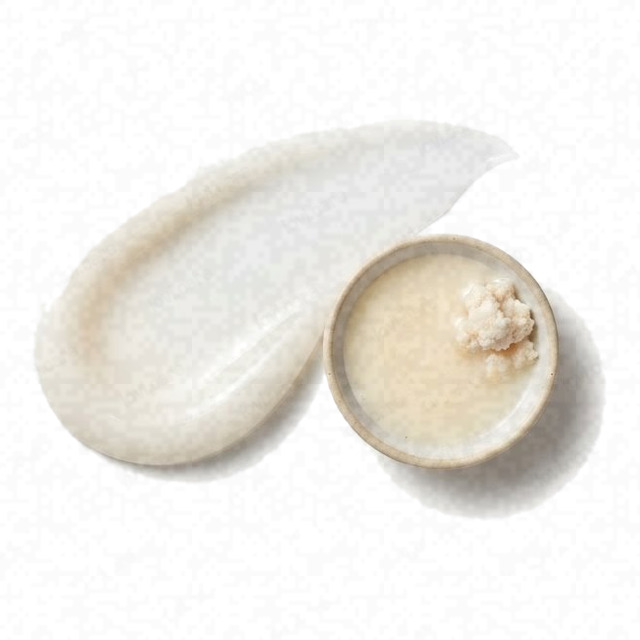 Bifida Lysate Ferment
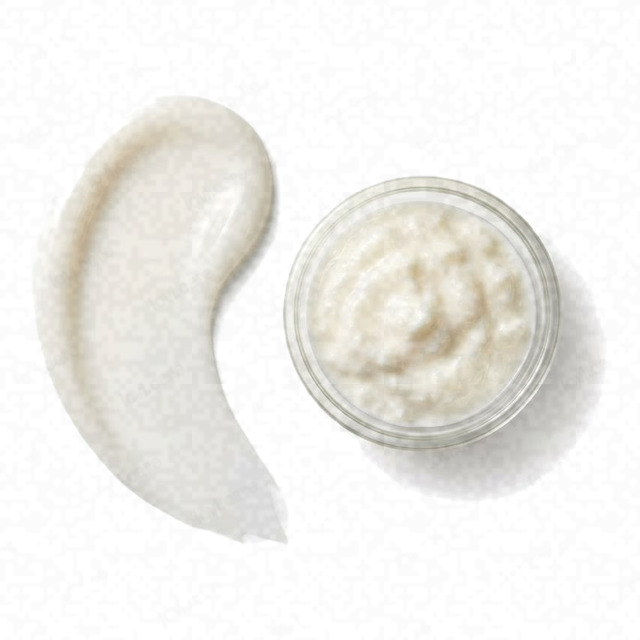 Lactobacillus Ferment
 Sodium Hyaluronate
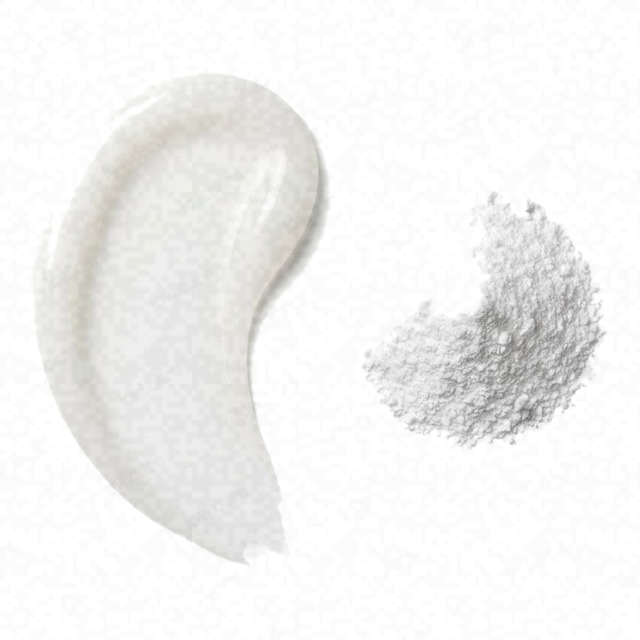 Acetyl Hexapeptide-8
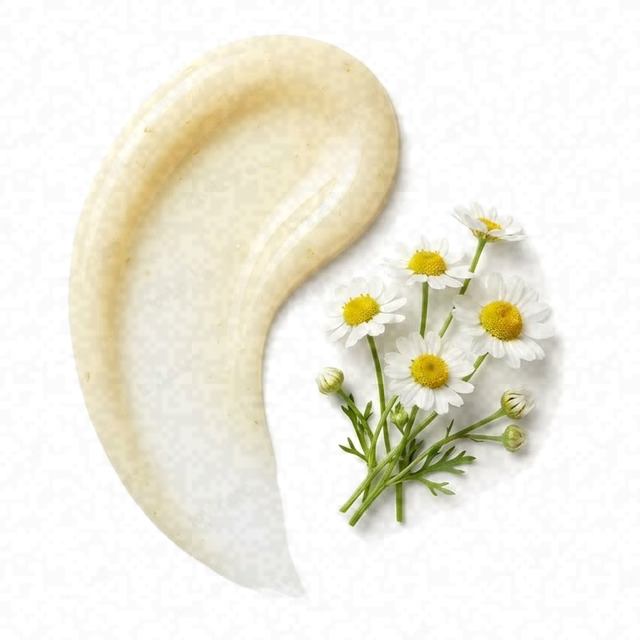 Chamomile Flower Extract
Superior
- SuperiorCombination Skin Fit
- HighEffectiveness
- ExcellentSafety
One of the best toners for acne-prone skin.
This fit is calculated for the concerns frequently associated with acne-prone skin: breakouts, blackheads, and post-acne marks. For scores and recommendations based on your full skin profile, including your 12D face scan results and any goals or preferences you have, please use the Lovi app.
Page built Nov 8, 2026How the Fit score works
Lovi Assistant explains
- Excellent suitability for your combination skin as Bifida Lysate Ferment and Lactobacillus Ferment support barrier repair, while Propanediol and Sodium Hyaluronate provide excellent hydration. These ingredients work synergistically to balance oil production and maintain moisture levels, addressing your acne and breakouts effectively.
- The formula offers moderate benefits for your acne and blemishes by supporting skin barrier function, which is crucial for managing inflammation and preventing future breakouts.
- The safety profile is excellent, with no risks of irritation due to the absence of harsh ingredients and the inclusion of soothing components like Anthemis Nobilis Flower Extract and Dipotassium Glycyrrhizate.
How to apply
- Use your hydrating toner in your AM and PM routine. Start 3x a week and work up to daily use if your skin likes it.
- Apply your hydrating toner after cleansing and before your moisturizer or SPF.
- Gently press 2-3 drops of the hydrating toner into your skin and let it absorb for a minute.
- Apply the hydrating toner on slightly damp skin to help it absorb better.
- Always do a patch test before your first use and avoid the eye area .
People Say
★4.5Overall rating based on 1.2k+ reviewsBased on a very large amount of data, this watery essence is highly recommended by users with dry or dehydrated skin for its significant hydrating and plumping effects, leading to a glowing complexion. Many also find it effective for soothing redness and repairing the skin barrier. However, a substantial number of reviewers consider the product to be too expensive, with some feeling the results are not distinct enough compared to more affordable options.
Highlights
Expensive price point Mostly Mentioned
- “too pricey”
- “not worth the money”
- “hard to justify”
Deep hydration plumping Often Mentioned
- “skin drinks it up”
- “bouncy”
- “mochi-like”
Improves skin texture Often Mentioned
- “silky smooth”
- “softer”
- “refined pores”
Lightweight fast absorbing Often Mentioned
- “watery”
- “non-sticky”
- “layers well”
Calms redness irritation Sometimes Noted
- “soothes redness”
- “calms sensitive skin”
- “post-acne inflammation”
Strengthens skin barrier Sometimes Noted
- “stronger”
- “less reactive”
- “healthier”
Lack of visible results Sometimes Noted
- “just expensive water”
- “no difference”
- “expected more”
Caused breakouts Rarely Noted
- “cystic acne”
- “tiny bumps”
- “clogged pores”
Sticky residue Rarely Noted
- “tacky film”
- “heavy”
Unpleasant scent Rarely Noted
- “vitamins”
- “fermented yeast”
- “slightly chemical”
Sources: lovi.care, esteelauder.com, sephora.co.uk, sephora.sg, cozycot.com, lmching.com, and more
Questions and answers
What makes Estée Lauder Micro Essence Treatment Lotion one of the best fits for acne-prone skin?
This toner is a great fit because Bifida Lysate Ferment and Lactobacillus Ferment repair your skin barrier, while Propanediol and Sodium Hyaluronate keep your skin hydrated. These ingredients help balance oil production and keep your skin calm, which effectively manages breakouts without any harsh irritation.
International Journal of Cosmetic Science, 2024Molecules, 2021
Which ingredients make this toner a good fit for acne-prone skin?
Bifida Lysate Ferment and Lactobacillus Ferment support barrier repair, while Propanediol and Sodium Hyaluronate provide hydration, which together balance oil production and manage blemishes. Soothing ingredients like chamomile flower extract and dipotassium glycyrrhizate help calm the skin without causing irritation.
Molecules, 2021International Journal of Cosmetic Science, 2024
What does Bifida Ferment Lysate do for acne-prone skin?
Bifida Ferment Lysate helps acne-prone skin by calming redness and keeping the skin barrier strong. This ingredient may also support the skin's defenses against irritation, making it less likely to flare up.
Journal of Cosmetic Dermatology, 2023Experimental Dermatology, 2010
What does Lactobacillus Ferment do for acne-prone skin?
Lactobacillus ferment helps calm acne-prone skin and supports a clear complexion. Ferment ingredients of this type may also improve the skin barrier and reduce breakouts when used regularly in your skincare routine.
Clinical, Cosmetic and Investigational Dermatology, 2023Journal of Experimental Pharmacology, 2025
Where does it go in a skincare routine for acne-prone skin?
This hydrating toner is used after cleansing in your morning routine, and after cleansing as part of your weekly routine. It helps balance oil production and calm breakouts while keeping your skin hydrated.
International Journal of Cosmetic Science, 2024Molecules, 2021
Can I use this toner with retinol, and in what order?
Yes, you can use this hydrating toner with retinol by applying the toner first to keep your skin calm and hydrated before adding retinol. This approach helps maintain your skin barrier and is unlikely to cause irritation when managing acne.
How often should I use it?
You can use this hydrating toner daily in your morning routine after cleansing and before your moisturizer. Its barrier-supporting ingredients help balance oil and keep your skin calm with very low risk of irritation.
International Journal of Cosmetic Science, 2024Molecules, 2021
Can this toner clog pores, cause breakouts or purging for acne-prone skin?
This toner is unlikely to clog pores or cause breakouts for acne-prone skin because it has an excellent safety profile and soothing ingredients that calm inflammation. It helps balance oil production while keeping your skin hydrated and protected without heavy, pore-clogging residues.
International Journal of Cosmetic Science, 2024Molecules, 2021
Is it fragrance-free and alcohol-free?
Yes, it has no fragrance and no drying alcohol.
What the research says
Topical application of 1,3-propanediol at various concentrations, alone or combined with butylene glycol and/or glycerol, increased skin hydration and reduced trans epidermal water loss in 30 healthy female subjects over an 8-hour period, with the 15% concentration and the addition of glycerol providing greater benefits.
International Journal of Cosmetic Science, 2024A mixture of propanediol, xylitol, and caprylic acid demonstrated in vitro antimicrobial activity against C. acnes and S. aureus, reduced 5-alpha reductase expression, and decreased skin oiliness, porphyrin, and inflammatory lesions in participants over 28 days.
Molecules, 2021Dipotassium glycyrrhizinate-loaded hydroxypropyl chitosan and poly(N-isopropylacrylamide) hydrogels applied to wounds in a mouse full-thickness skin defect model resulted in rapid wound closure, efficient tissue remolding, collagen deposition, and decreased inflammation compared to commercial Tegaderm film and 3M dressing controls.
Acta Biomaterialia, 2022A topical formulation containing panthenol, niacinamide, and dipotassium glycyrrhizate increased skin hydration by 74.1% and reduced transepidermal water loss by 13.5% at 28 days compared to baseline and untreated control in 35 individuals with xerosis.
Journal of Cosmetic Dermatology, 2026Topical application of Bifida Ferment Lysate strengthens the skin barrier function by upregulating barrier and antimicrobial peptide genes, exhibiting strong antioxidant properties, and decreasing inflammatory cytokine secretion in vitro.
Journal of Cosmetic Dermatology, 2023Probiotic-derived lotion successfully reduced inflammatory acne lesion counts and erythema index comparably to 2.5% benzoyl peroxide in patients with mild-to-moderate acne vulgaris, while causing fewer side effects.
Journal of Cosmetic Dermatology, 2022Topical application of Lactobacillus plantarum-GMNL6 enhanced collagen synthesis and SPTSSA gene expression while reducing melanin synthesis, Staphylococcus aureus biofilm, and Cutibacterium acnes proliferation, leading to clinical improvements in skin moisture, color, spots, wrinkles, UV spots, and porphyrins in human volunteers.
International Journal of Medical Sciences, 2021Lactobacillus plantarum extracellular vesicles modulated extracellular matrix related gene expression in vitro and suppressed wrinkle formation and pigmentation in clinical trials.
Current Issues in Molecular Biology, 2022Topical application of 0.1% hyaluronic acid formulations of different molecular weights led to significant improvements in skin hydration and elasticity, with low-molecular-weight formulations also significantly reducing wrinkle depth in seventy-six female subjects compared to a vehicle control.
Journal of Drugs in Dermatology, 2011Topical application of hyaluronic acid in conjunction with free gingival graft significantly reduced donor site postoperative pain until day 7 compared to normal saline, with no significant differences in graft dimensions or patient satisfaction.
Clinical Oral Investigations, 2022Treatment with a hyaluronic acid-containing mouth rinse or topical gel led to significant lesion reduction, pain relief, and normalization of lesion color in adult patients with minor recurrent aphthous stomatitis, with the gel formulation showing an earlier healing onset at 3 days.
BMC Oral Health, 2019Treatment with cross-linked hyaluronic acid-based microneedle patches combined with acetyl hexapeptide-8 or epidermal growth factor significantly improved wrinkles and skin hydration compared to the patch alone in Korean females over 29 days.
Annals of Dermatology, 2019Argireline treatment twice daily for 4 weeks produced a significant anti-wrinkle effect with 48.9% total efficacy and decreased skin roughness in Chinese subjects compared with 0% efficacy and no decrease in roughness in the placebo group.
American Journal of Clinical Dermatology, 2013Acetyl hexapeptide-3 and tripeptide-10 citrulline demonstrated antiwrinkle efficacy and decreased transepidermal water loss in twenty-four healthy volunteers compared to control groups, though synergistic effects between the two peptides remained unclear.
Journal of Cosmetic Dermatology, 2017Apigenin protects against UVA-induced cytotoxicity and senescence in normal human dermal fibroblasts, decreases MMP-1 expression, and when applied topically as a cream in human subjects, increases dermal density and elasticity while reducing fine wrinkle length, skin evenness, moisture content, and transepidermal water loss compared to control cream.
International Journal of Molecular Medicine, 2016Topical chamomile oil combined with a night splint significantly improved the symptomatic and functional status of patients with severe carpal tunnel syndrome compared to placebo, while electrodiagnostic parameters showed no significant changes.
Complementary Therapies in Clinical Practice, 2015German chamomile solution applied twice a day healed peristomal skin lesions significantly faster than once-a-day 1% hydrocortisone ointment in colostomy patients, with a mean healing time of 8.89 days versus 14.53 days.
Ostomy/wound Management, 2011
Ingredients
Water, Bifida Lysate Ferment, Propanediol, Peg-75, Lactobacillus Ferment, Acetyl Hexapeptide-8, Acetyl Glucosamine, Sodium Hyaluronate, Anthemis Nobilis Flower Extract Chamomile Flower Extract, Caffeine, Dipotassium Glycyrrhizate, Hydrolyzed Rice Extract, Betaine, Maltodextrin, Carbomer, Tromethamine, Citric Acid, Trehalose, Butylene Glycol, Caprylyl Glycol, Ppg-5-Ceteth-20, Pentylene Glycol, Disodium Edta, Sodium Citrate, Phenoxyethanol, Potassium Sorbate
Behind this fit score
Lovi calculates every fit score from the full ingredient list with brand-independent rules our dermatologists and cosmetic chemists build and review, and personalizes every pick with AI trained on the real results of millions of users. Lovi trains its fit score models on a proprietary dataset built from more than 10,000 expert-labeled products and more than 100,000 simulated examples, following an internally consistent methodology presented at Cosmoprof, AMWC, and Skin of Color Update.
-

Co-founder, Medical Director
Cosmetic chemist, cosmetologist, aesthetic products developer
-

Co-founder, CEO and CTO
PhD in computer science, 3x US patent holder, ex-Google, ex-Yandex
-

Dr. Sofía Perea Pérez, MD, MSc
Medical Board
Aesthetic medicine practitioner, MSc in Longevity and Anti-Aging Medicine
-

Medical Board
Specialist dermatologist, MBBS, MD, IFAAD
-

Medical Board
Cosmetic chemist, SCS, IFSCC member
-

Medical Board, Medical Advisor
Dermatology MD
-

Elina Nazarenko, MD
Medical Board
Dermatology and diagnostic consultant
-

Victoria Derkova, MS
Medical Board
Cosmetic chemist, cosmetic development technologist


How does it fit your skin?
Scan your face, then any product: Lovi shows how well it fits you and what fits even better.