
The Ordinary Retinol 1% in Squalane

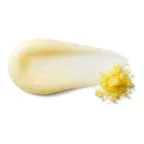 Retinol
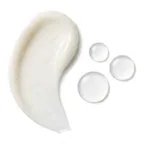 Squalane
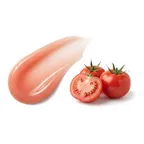 Solanum Lycopersicum Fruit Extract Tomato Fruit Extract
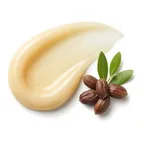 Jojoba Seed Oil
 Bht
Retinol and squalane help fight aging and soften skin, so it suits most skin types. For skin that needs soothing, serums with panthenol and madecassoside get higher fit scores. Where to buy in Saudi Arabia: Amazon.sa, SAR 147.00.
Each fit is calculated for the concerns frequently associated with that skin type. For scores and recommendations based on your full skin profile, including your 12D face scan results and goals, use the Lovi app.
Updated How the Fit score works
Where it fits best and least
Best fit Average
Oily Skin, Combination Skin, Acne-Prone Skin, Skin with Dark Spots, Mature Skin, Oily Acne-Prone Skin
Works for oily skin; other serums fit it better.
- Offers moderate anti-aging benefits for your oily skin, as retinol aids in cell turnover and minimizes fine lines, while squalane provides emollient action without clogging pores.
Lowest fit Caution
A poor match for dry skin.
- Offers significant hydration for your dry skin due to squalane and jojoba seed oil, which provide emollience, but the retinol may cause dryness and irritation for this skin type.
Other skin types
Buy online

Prices checked 22 Nov 2026
The Lovi Fit is the same in every country; only the stores and prices differ, and the ones here are for Saudi Arabia.
How to apply
- Apply this serum PM, starting 3×/week and working up to daily use as your skin adjusts.
- Place the serum after cleansing and toner, but right before your moisturizer.
- Gently press 2-3 drops of the serum into your skin and let it absorb for a minute.
- Apply the serum on slightly damp skin to help lock in extra moisture.
- Avoid the eye area and do a patch test before your first use.
People Say
★4.4Overall rating based on 700+ reviewsThis water-free serum is widely praised by users with dry or mature skin for its ability to deeply hydrate while delivering potent anti-aging benefits, such as reduced fine lines and smoother texture. Its oil-based squalane formula is frequently described as heavy or greasy, making it a polarizing choice for those with oily or acne-prone skin who often struggle with absorption.
Highlights
Highly affordable Mostly Mentioned
- “Can't beat the price”
- “High potency at a low price”
Greasy/oily finish Mostly Mentioned
- “Face feels like an oil slick”
- “Doesn't fully absorb”
- “Too greasy for oily skin”
Improves skin texture Often Mentioned
- “Wake up to smoother skin”
- “Gives the skin a glow”
- “Texture is much softer”
Moisturizing base Often Mentioned
- “Never feels dry”
- “Squalane keeps it moisturizing”
- “Great for dry skin types”
Effective anti-aging Sometimes Noted
- “Fewer fine lines”
- “Visible plumping effect”
- “Cheeks looked fuller”
Irritation & sensitivity Sometimes Noted
- “Left skin dry and itchy”
- “Caused red patches”
- “Too strong for beginners”
Short shelf life Rarely Noted
- “Have to keep in fridge”
- “Goes bad fast”
- “Only lasts 3 months”
Unpleasant scent Rarely Noted
- “Smells like cooking oil”
- “Faint earthy scent”
- “Off-putting tomato extract smell”
Sources: lovi.care, theordinary.com, sephora.uk, cultbeauty.co.uk, amazon.com, and more
Questions and answers
How well does The Ordinary Retinol 1% in Squalane work for oily skin?
This treatment works moderately well for your oily skin because retinol helps with cell turnover and squalane softens without clogging pores, though other products fit it better. To fit oily skin best, a product needs ingredients like niacinamide or zinc to control extra oil and brighten the complexion while keeping it comfortable.
Why is The Ordinary Retinol 1% in Squalane a weak match for sensitive skin?
This product is a weak match for sensitive skin because retinol can be potent and may make redness and irritation worse, as the formula lacks immediate soothing ingredients. A treatment for sensitive skin needs calming ingredients and antioxidants to soothe redness while supporting skin health.
Why does Lovi advise caution with The Ordinary Retinol 1% in Squalane for dry skin?
Lovi advises caution because the high retinol strength may cause dryness and irritation on dry skin, even though the squalane and jojoba seed oil provide significant hydration. A treatment for dry skin needs highly soothing and hydrating ingredients like ceramides, niacinamide, or peptides to support the skin barrier without any risk of irritation.
The British Journal of Dermatology, 2019Journal of Cosmetic Dermatology, 2016
How often should I use it?
This treatment works well in an evening routine, starting just once a week so your skin adjusts comfortably. If your skin handles it well with no irritation, you can slowly use it more often.
Facial Plastic Surgery, 2014Journal of Cosmetic Dermatology, 2016
Is it fragrance-free and alcohol-free?
Yes, it has no fragrance and no drying alcohol.
How well does The Ordinary Retinol 1% in Squalane work for combination skin?
The Ordinary Retinol 1% in Squalane works moderately well for combination skin because it helps regulate skin shedding and provides light hydration, though it does not directly target oily shine. A treatment of this type for combination skin needs ingredients like niacinamide, propolis, or zinc PCA to regulate oiliness and enhance radiance without causing imbalance.
Why does Lovi advise caution with The Ordinary Retinol 1% in Squalane for dry sensitive skin?
Lovi advises caution because this strong retinol treatment may increase sensitivity and lacks enough moisture-binding ingredients to fully address dryness. A treatment of this type needs rich hydrating and nourishing ingredients, along with soothing barrier-support components and antioxidants, to safely suit dry sensitive skin.
How well does The Ordinary Retinol 1% in Squalane work for acne-prone skin?
This treatment works moderately well for your acne-prone skin, though it is not specifically targeted for breakouts and blemishes. It helps smooth fine lines and is unlikely to cause severe irritation since it lacks harsh ingredients. For a better fit, acne-prone skin needs targeted ingredients like niacinamide, zinc PCA, or propolis to help control breakouts while keeping skin balanced.
How well does The Ordinary Retinol 1% in Squalane work for skin with dark spots?
This product works for skin with dark spots, though other products fit it better because its oils and squalane offer general hydration rather than directly targeting pigmentation. A treatment for dark spots needs a blend of effective antioxidants and soothing ingredients that provide significant benefits for pigmentation concerns without any risk of irritation.
How well does The Ordinary Retinol 1% in Squalane work for mature skin?
This product works moderately well for mature skin by using retinol to help smooth fine lines and wrinkles. Squalane and jojoba seed oil also provide supportive hydration, but the strong retinol may cause irritation if your skin is not used to retinoids. A product of this type needs high safety without irritation risk, strong anti-aging ingredients, and powerful antioxidants and hydrating components to truly excel on mature skin.
How well does The Ordinary Retinol 1% in Squalane work for oily acne-prone skin?
This treatment offers moderate anti-aging benefits for your oily skin, but it lacks strong ingredients to directly address breakouts and excess oil. A product for this skin needs ingredients like niacinamide, propolis, or vitamin C to control oil and target acne while keeping skin comfortable and balanced.
What the research says
Topical bakuchiol 0.5% applied twice daily compared with retinol 0.5% applied daily significantly decreased wrinkle surface area and hyperpigmentation with no statistical difference between the compounds in 44 patients over 12 weeks, while retinol users reported more facial skin scaling and stinging.
The British Journal of Dermatology, 2019Topical 0.3% and 1% retinol comparably improved biomarkers of cutaneous photoageing in photoaged volunteers, while 0.3% retinol demonstrated better tolerance with fewer and milder adverse events compared to 1% retinol in a daily escalation regimen.
International Journal of Cosmetic Science, 2022Daily application of 0.3% and 0.5% retinol serums in 37 volunteers over 12 weeks reduced skin hyperpigmentation, unevenness, and wrinkles on both sides of the face, with the 0.5% concentration causing more frequent and intense skin irritation.
Skin Pharmacology and Physiology, 2020Application of fullerene-C60 dissolved in squalane cream twice daily for 8 weeks significantly enhanced skin moisture and reduced wrinkle formation compared to placebo in 23 Japanese women without severe side effects.
Journal of Nanoscience and Nanotechnology, 2010Squalane at 0.005-0.015% counteracts UVA-induced oxidative stress, inflammation, and collagen metabolism inhibition while stimulating fibroblast migration in human dermal fibroblasts.
Molecules, 2025Plant-derived squalane protected human dermal fibroblasts against UVA-induced damage by counteracting ROS formation, suppressing apoptosis-related proteins p53, caspase-3, caspase-9, and PARP, and restoring the pro-survival p-Akt/mTOR pathway.
Antioxidants, 2025Topical formulations containing 3.75% glycerol and 1.25% hydrolyzed jojoba esters produced significantly lower evaporative TEWL values compared to glycerol alone at 8 and 24 hours posttreatment in human subjects.
Journal of Cosmetic Dermatology, 2008Topical application of 1.0% Lactobacillus ferment from jojoba cake significantly increased skin collagen fluorescence compared to baseline and placebo cream over 56 days in 46 individuals.
International Journal of Cosmetic Science, 2026Clay jojoba oil facial masks reduced total skin lesions by a mean of 54% after 6 weeks in 133 participants with acne-prone, lesioned skin and mild acne compared to baseline.
Forschende Komplementarmedizin, 2012Butylated hydroxytoluene, vitamin E, and vitamin C inhibited intracellular ROS and glycation products in dermal fibroblasts and three-dimensional skin models, with vitamin C showing the most pronounced benefits at lower concentrations.
International Journal of Cosmetic Science, 2025Organic peroxides produced free radicals via oxidative and reductive pathways in isolated murine keratinocytes, while antioxidants BHA and BHT decreased radical adduct production, with BHA being more effective.
Carcinogenesis, 1993Topical alpha-tocopherol and butylated hydroxytoluene decreased UV-A-induced photobinding of 8-methoxypsoralen to epidermal DNA and proteins in Wistar rats, while butylated hydroxytoluene protected against and alpha-tocopherol enhanced binding to lipids.
Archives of Toxicology, 1991Topical application of 0.1% retinol induced CRABP2 and HBEGF gene expression, increased keratinocyte proliferation and epidermal thickness ex vivo, and improved major skin aging signs without significant adverse reactions in 48 volunteers compared to placebo.
Skin Pharmacology and Physiology, 2009Topical application of retinol and retinoic acid both increased epidermal thickness and upregulated collagen genes and proteins in human skin, with retinol producing similar histological and molecular changes to retinoic acid alongside a significant reduction in facial wrinkles after 12 weeks.
Journal of Cosmetic Dermatology, 2016Butylated hydroxytoluene (BHT) is safe as used in cosmetic formulations at concentrations ranging from 0.0002% to 0.5% due to low dermal penetration and systemic exposure compared to oral administration.
International Journal of Toxicology, 2002Topical application of jojoba wax reduced LPS-induced secretion of IL-6, IL-8, and TNFα by approximately 30% and increased the synthesis of pro-collagen III and hyaluronic acid compared to untreated skin in an ex-vivo human skin organ culture model.
Frontiers in Pharmacology, 2024Topical lycopene-based emulgel significantly enhanced skin hydration and elasticity while reducing erythema, melanin, and sebum contents in human volunteers compared to a placebo formulation over 12 weeks.
European Journal of Pharmaceutics and Biopharmaceutics, 2022Application of squalene/phosphotungstate calcium nanowires (Sql/PWC) oleogel on UVB-irradiated skin decreased epidermal thickness, increased dermal thickness, and promoted the expression of elastin, collagen, and skin barrier markers through antioxidant and anti-inflammatory activities.
Journal of Nanobiotechnology, 2025Topical application of jojoba, almond, paraffin, and petrolatum oils on human skin increases free water and transforms water toward a weakly hydrogen-bonded state in the uppermost stratum corneum.
International Journal of Cosmetic Science, 2020
Ingredients
Squalane, Caprylic Capric Triglyceride, Retinol, Solanum Lycopersicum Fruit Extract Tomato Fruit Extract, Jojoba Seed Oil, Bht, Hydroxymethoxyphenyl Decanone, Rosmarinus Officinalis Leaf Extract Rosemary Leaf Extract
Behind these fit scores
Lovi calculates every fit score from the full ingredient list with brand-independent rules our dermatologists and cosmetic chemists build and review, and personalizes every pick with AI trained on the real results of millions of users. Lovi trains its fit score models on a proprietary dataset built from more than 10,000 expert-labeled products and more than 100,000 simulated examples, following an internally consistent methodology presented at Cosmoprof, AMWC, and Skin of Color Update.
-

Co-founder, Medical Director
Cosmetic chemist, cosmetologist, aesthetic products developer
-

Co-founder, CEO and CTO
PhD in computer science, 3x US patent holder, ex-Google, ex-Yandex
-

Dr. Sofía Perea Pérez, MD, MSc
Medical Board
Aesthetic medicine practitioner, MSc in Longevity and Anti-Aging Medicine
-

Medical Board
Specialist dermatologist, MBBS, MD, IFAAD
-

Medical Board
Cosmetic chemist, SCS, IFSCC member
-

Medical Board, Medical Advisor
Dermatology MD
-

Elina Nazarenko, MD
Medical Board
Dermatology and diagnostic consultant
-

Victoria Derkova, MS
Medical Board
Cosmetic chemist, cosmetic development technologist


How does it fit your skin?
Scan your face, then any product: Lovi shows how well it fits you and what fits even better.