SKIN1004 Madagascar Centella Tone Brightening Tone-up Sunscreen for acne-prone skin

 Centella Asiatica Extract
 Niacinamide
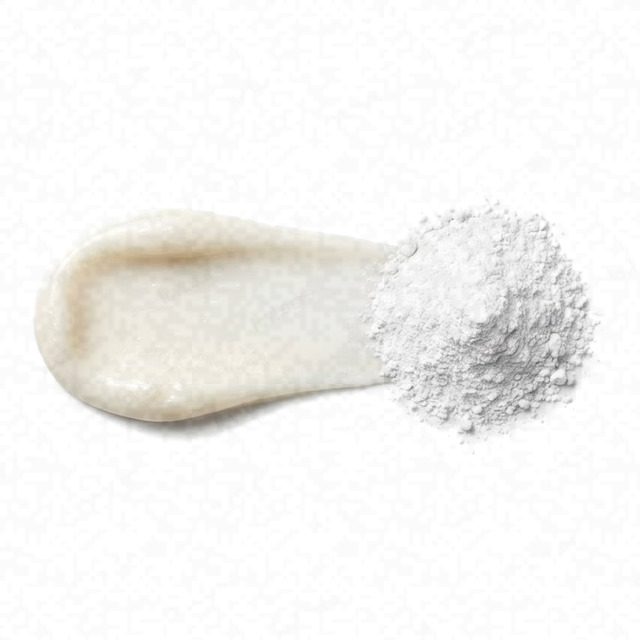 Titanium Dioxide
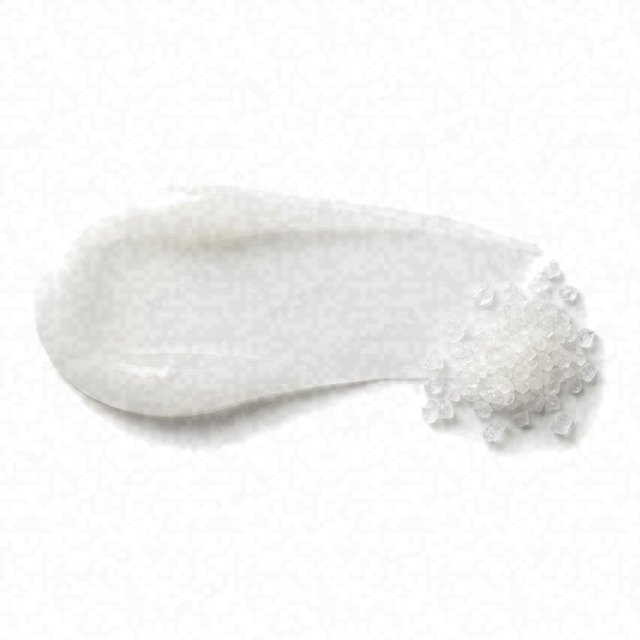 Tranexamic Acid
Average
- AverageCombination Skin Fit
- AverageEffectiveness
- HighSafety
Works for acne-prone skin; other products fit it better.
This fit is calculated for the concerns frequently associated with acne-prone skin: breakouts, blackheads, and post-acne marks. For scores and recommendations based on your full skin profile, including your 12D face scan results and any goals or preferences you have, please use the Lovi app.
Page built Nov 8, 2026How the Fit score works
Lovi Assistant explains
- Offers moderate suitability for your combination skin, as niacinamide helps regulate oil production and sodium hyaluronate provides hydration, though it may not fully address all your concerns.
- The inclusion of Madecassoside and Tranexamic Acid offers mild anti-inflammatory and barrier-strengthening effects, which are supportive for your acne-prone skin.
- The product is safe for your combination skin, with no risks of irritation due to the absence of harsh ingredients and the presence of soothing components.
People Say
★4.5Overall rating based on 900+ reviewsThis sunscreen is best suited for users with very fair to pale skin who desire a tone-up effect, as its peach-tinted formula effectively brightens and evens out complexion but leaves a significant white cast on medium to dark skin tones. While it offers a matte, non-sticky finish that works well as a makeup primer for oily types, those with dry skin often find it drying or chalky over time.
Highlights
Strong white cast Mostly Mentioned
- “looked like a ghost”
- “leaves a grayish cast”
- “too white for medium skin”
- “stark white on my face”
Brightening effect Often Mentioned
- “instantly brightens complexion”
- “gives a nice inner glow”
- “evens out sallow skin tone”
- “perfect for pale skin”
Matte finish Often Mentioned
- “dries down to a velvet finish”
- “not sticky at all”
- “feels light and fresh”
- “controls oil well”
Good makeup base Sometimes Noted
- “works as a primer”
- “foundation sits beautifully on top”
- “doesn't pill under makeup”
- “blurs imperfections”
Soothing ingredients Sometimes Noted
- “calms my sensitive skin”
- “no eye irritation”
- “contains centella and niacinamide”
- “great for redness”
Difficult application Sometimes Noted
- “hard to blend in”
- “texture is thick and chalky”
- “settles into pores”
- “requires a lot of rubbing”
Drying sensation Sometimes Noted
- “skin felt tight after hours”
- “clings to dry patches”
- “too drying for winter”
- “emphasized flaky parts”
Greasy over time Rarely Noted
- “became oily later in the day”
- “looked shiny on my T-zone”
- “felt a bit slick/greasy”
Sources: lovi.care, oliveyoung.com, iherb.com, stylekorean.com, stylevana.com, yesstyle.com, and more
Questions and answers
How well does Skin1004 Tone Brightening Tone-up Sunscreen work for acne-prone skin?
Skin1004 Madagascar Centella Tone Brightening Tone-up Sunscreen works reasonably well for acne-prone skin, as madecassoside and tranexamic acid help provide mild soothing and barrier support while niacinamide manages oil production. However, other products fit this skin better because they offer exceptionally safe, non-clogging hydration, high-quality blemish-fighting ingredients like zinc oxide, and balanced care for both oily and dry areas.
Molecules, 2023Indian Journal of Pharmaceutical Sciences, 2016
Which ingredients make this sunscreen a good fit for acne-prone skin?
Niacinamide, madecassoside, and tranexamic acid help make this sunscreen a good fit by regulating oil and providing mild anti-inflammatory and barrier-strengthening effects for your acne-prone skin. To work best for this skin, a makeup tinted spf needs to be exceptionally safe with no risk of irritation, effectively address blemishes with high-quality ingredients like niacinamide and zinc oxide, and provide hydration and protection without clogging pores.
What does Centella Asiatica Extract do for acne-prone skin?
Centella asiatica extract helps calm angry skin, reduces redness, and supports healing for breakouts. It is unlikely to cause irritation and may improve overall skin clarity when used consistently.
Molecules, 2023Journal of Alternative and Complementary Medicine, 2020
What does Niacinamide do for acne-prone skin?
Niacinamide helps acne-prone skin by reducing both inflamed and uninflamed breakouts and calming redness. It is also very helpful for keeping oily skin balanced by cutting down on excess oil production, and it is well tolerated by most people.
Where does this sunscreen go in a skincare routine for acne-prone skin?
This tinted sunscreen goes in the morning routine as the final step after your moisturizer. It is unlikely to irritate acne-prone skin, though this skin type benefits most from products that provide strong oil control and blemish-clearing active ingredients.
International Journal of Cosmetic Science, 2020Molecules, 2023
Can I use this sunscreen with retinol, and in what order?
You can use this sunscreen in the morning as the final step of your skincare routine, after your moisturizer and before your makeup. It pairs well with a nighttime retinol routine because it helps soothe the skin, though acne-prone skin often benefits more from sunscreens with stronger oil control and lighter, non-tinted finishes.
Molecules, 2023Indian Journal of Pharmaceutical Sciences, 2016
How often should I use this sunscreen?
You can use this sunscreen every morning as the final step of your AM routine. This product works for your skin, though an acne-prone skin needs lightweight hydration, oil-balancing ingredients, and calming plant extracts to keep pores clear and calm.
Can this sunscreen clog pores, cause breakouts or purging for acne-prone skin?
This sunscreen works for acne-prone skin, though other products fit this skin better. To properly care for acne-prone skin, a product of this type needs soothing ingredients like Centella Asiatica and calming agents that help reduce redness and support the skin barrier.
Molecules, 2023Indian Journal of Pharmaceutical Sciences, 2016
Is this sunscreen fragrance-free and alcohol-free?
Yes, it has no fragrance and no drying alcohol.
What the research says
Co-delivery of paeonol and madecassoside via nanoemulsions improved transdermal delivery, promoted barrier repair proteins, inhibited inflammatory cytokine secretion in cellular and 3D models, and reduced transepidermal water loss and acne in human facial skin compared to free components.
Molecules, 2023Cosmetic formulations containing 5% Centella asiatica extract showed the best efficacy in improving skin moisture and decreasing transepidermal water loss, while also exhibiting antiinflammatory properties in 25 volunteers compared to baseline measurements.
Indian Journal of Pharmaceutical Sciences, 2016A single application of a moisturizing fluid containing hyaluronic acid 1%, glycerin 5%, and Centella asiatica stem cells extract significantly increased skin hydration by 29% and reduced transepidermal water loss at 24 hours compared to baseline and an untreated control site in twenty healthy women.
Clinical, Cosmetic and Investigational Dermatology, 2017Topical application of 0.05% w/w ECa 233 gel reduced erythema index by 0.03 U and improved early crusting and general wound appearance compared to placebo in thirty individuals undergoing facial laser resurfacing.
Journal of Alternative and Complementary Medicine, 2020Niacinamide significantly decreased hyperpigmentation and increased skin lightness compared with vehicle alone after 4 weeks of use in women by inhibiting melanosome transfer.
The British Journal of Dermatology, 2002Moisturizer containing 5% panthenol, madecassoside, and copper-zinc-manganese decreased adverse reactions and downtime after ablative fractional carbon dioxide laser resurfacing with comparable efficacy to 0.02% triamcinolone acetonide cream in 20 subjects.
Journal of Cosmetic Dermatology, 2019Topical treatment with 5% vitamin C and 0.1% madecassoside significantly improved clinical scores for wrinkles, suppleness, firmness, roughness, and skin hydration, along with functional and structural remodeling of the elastic fiber network in 20 female volunteers with photoaged skin after 6 months compared to baseline.
Experimental Dermatology, 2008Treatment with an asiaticoside-containing cream applied twice daily for 12 weeks significantly improved periorbital wrinkles in 65% of 27 female volunteers compared to a vehicle control cream.
International Journal of Cosmetic Science, 2008Topical post-laser application of human adipocyte-derived mesenchymal stem cell media combined with niacinamide significantly improved wrinkle index, melanin index, patient satisfaction, and investigator esthetic improvement scores compared to vehicle cream in patients with aging skin.
Journal of Cosmetic Dermatology, 2021Topical nicotinamide prevented solar-simulated UV-induced immunosuppression in healthy volunteers, and men experienced immunosuppression at solar-simulated UV doses three times lower than those required for women.
The Journal of Investigative Dermatology, 2008Topical 5% niacinamide applied twice daily for 12 weeks reduced fine lines and wrinkles, hyperpigmented spots, red blotchiness, and skin sallowness, and improved skin elasticity compared to vehicle control in 50 female white subjects with facial photoaging.
Dermatologic Surgery, 2005Microfine titanium dioxide does not penetrate human skin when formulated in an oil-in-water emulsion with the pigment dispersed in the aqueous phase, compared to oily dispersions and liposomal encapsulation which allow deeper skin penetration.
International Journal of Cosmetic Science, 2000Replacing microsized titanium dioxide and zinc oxide with nanoparticles in sunscreens eliminates opaqueness and alters UV protection balance while inducing (photo)cyto- and genotoxicity and penetrating viable skin layers during long-term exposures.
Nanotechnology, Science and Applications, 2011Microfine zinc oxide and titanium dioxide do not penetrate the stratum corneum of porcine skin in vitro, indicating that their use in sunscreens does not pose a health risk from internal exposure.
Toxicology in Vitro, 2006
Why other products fit acne-prone skin better
Retinyl palmitate ethosomal hydrogel reduced non-inflammatory and total acne lesion counts significantly better than marketed tretinoin while improving tolerability with minimal skin irritation in patients with acne vulgaris.
International Journal of Nanomedicine, 2021Biomimetic hyaluronic acid-stabilized zinc oxide nanoparticles selectively inhibited C. acnes, outperformed erythromycin in preclinical acne models, and safely reduced acne lesions and redness in a clinical trial.
Journal of Controlled Release, 2025Topical 0.5% hyaluronic-ZnO nanogel applied twice daily reduced inflammatory-lesion counts by 58% at week four in human subjects compared to baseline without causing erythema.
Biomedicines, 2025
Ingredients
Water, Dibutyl Adipate, Titanium Dioxide, Propanediol, Caprylic Capric Triglyceride, C12-15 Alkyl Benzoate, Diethylamino Hydroxybenzoyl Hexyl Benzoate, Ethylhexyl Triazone, Niacinamide, Caprylyl Methicone, Diethylhexyl Butamido Triazone, 1,2-Hexanediol, Pentylene Glycol, Corchorus Olitorius Leaf Extract, Hordeum Vulgare Extract, Nymphaea Alba Flower Extract, Sodium Hyaluronate, Coco-Caprylate Caprate, Glycerin, Polyhydroxystearic Acid, Dimethicone Vinyl Dimethicone Crosspolymer, Vp Eicosene Copolymer, Dimethiconol, Trisiloxane, Stearic Acid, Alumina, Sodium Polyacryloyldimethyl Taurate, Polyacrylate Crosspolymer-6, Hydroxypropyl Methylcellulose Stearoxy Ether, Dicaprylyl Carbonate, Ethylhexylglycerin, Xanthan Gum, Triethoxycaprylylsilane, Adenosine, Sodium Polyacrylate, Madecassoside, Pvm Ma Copolymer, Polyether-1, T-Butyl Alcohol, Tranexamic Acid, Dipropylene Glycol, Sodium Palmitoyl Proline, Butylene Glycol, Iron Oxides Ci 77492, Iron Oxides Ci 77491
Behind this fit score
Lovi calculates every fit score from the full ingredient list with brand-independent rules our dermatologists and cosmetic chemists build and review, and personalizes every pick with AI trained on the real results of millions of users. Lovi trains its fit score models on a proprietary dataset built from more than 10,000 expert-labeled products and more than 100,000 simulated examples, following an internally consistent methodology presented at Cosmoprof, AMWC, and Skin of Color Update.
-

Co-founder, Medical Director
Cosmetic chemist, cosmetologist, aesthetic products developer
-

Co-founder, CEO and CTO
PhD in computer science, 3x US patent holder, ex-Google, ex-Yandex
-

Dr. Sofía Perea Pérez, MD, MSc
Medical Board
Aesthetic medicine practitioner, MSc in Longevity and Anti-Aging Medicine
-

Medical Board
Specialist dermatologist, MBBS, MD, IFAAD
-

Medical Board
Cosmetic chemist, SCS, IFSCC member
-

Medical Board, Medical Advisor
Dermatology MD
-

Elina Nazarenko, MD
Medical Board
Dermatology and diagnostic consultant
-

Victoria Derkova, MS
Medical Board
Cosmetic chemist, cosmetic development technologist


How does it fit your skin?
Scan your face, then any product: Lovi shows how well it fits you and what fits even better.