RoC Retinol Correxion Line Smoothing Eye Cream for sensitive skin

 Retinol
 Glycerin
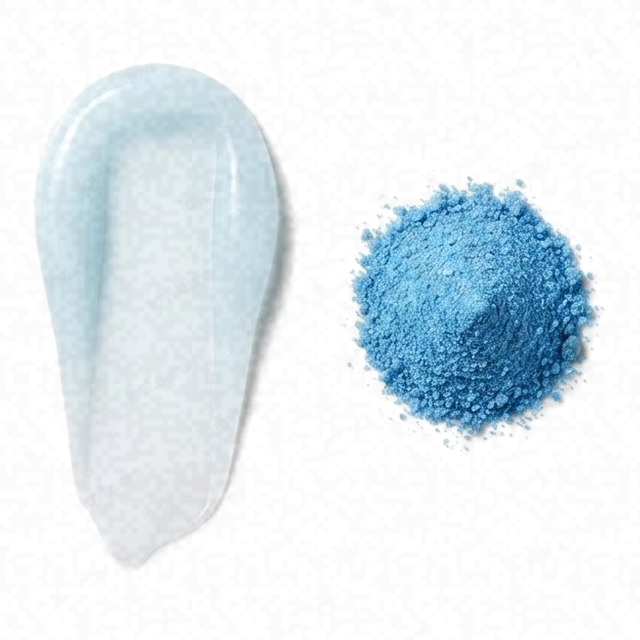 Copper Gluconate
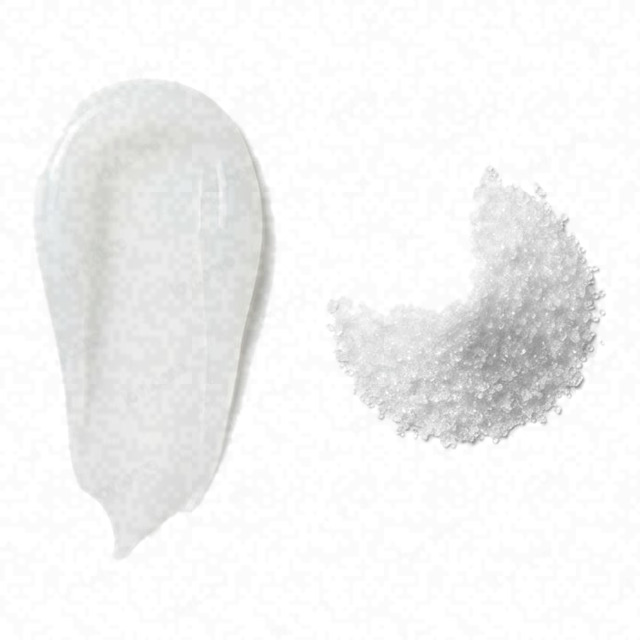 Zinc Gluconate
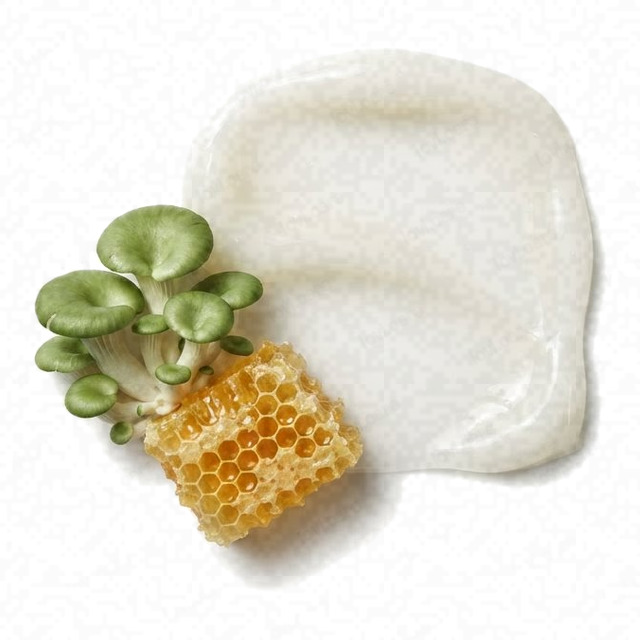 Panthenol
High
- HighNormal Skin Fit
- AverageEffectiveness
- HighSafety
One of the best eye cares for sensitive skin.
This fit is calculated for the concerns frequently associated with sensitive skin: redness, stinging, and reactions to new products. For scores and recommendations based on your full skin profile, including your 12D face scan results and any goals or preferences you have, please use the Lovi app.
Page built Nov 8, 2026How the Fit score works
Lovi Assistant explains
- Highly suitable for normal skin, this cream utilizes retinol for collagen stimulation and glycerin for humectant action, beneficial for maintaining skin health.
- While it offers moderate wrinkle reduction for the eye area, it lacks specialized ingredients like niacinamide or centella asiatica to effectively target your redness and irritation concerns.
- The safety profile is excellent, with no risks of irritation for your sensitive skin due to the absence of prohibited or harsh ingredients.
People Say
★4.6Overall rating based on 8.8k+ reviewsBased on a very large amount of data, users consistently praise this cream for its ability to visibly smooth fine lines and reduce puffiness, making it a favorite for aging and tired-looking eyes. While effective for most, those with sensitive skin or first-time retinol users occasionally report initial dryness or irritation before their skin adjusts.
Highlights
Visibly reduces fine lines Mostly Mentioned
- “Fine lines definitely softer”
- “Wrinkles smoothed out”
- “Crow's feet less visible”
Good value Often Mentioned
- “Worth the price”
- “Better than high-end”
- “Great affordable option”
Non-greasy texture Often Mentioned
- “Absorbs easily and quickly”
- “Not greasy at all”
- “Lightweight gel-cream formula”
Gentle for retinol Sometimes Noted
- “No irritation for me”
- “Gentle enough for daily use”
- “Good for sensitive skin”
Helps with puffiness Sometimes Noted
- “Depuffs my eyes”
- “Bags significantly improved”
- “Look less tired”
Causes irritation/burning Sometimes Noted
- “Made skin red/itchy”
- “Slight burning initially”
- “Too strong for me”
Drying effect Sometimes Noted
- “Skin became dry/flaky”
- “Need extra moisturizer”
- “Dried out under-eyes”
Packaging issues Rarely Noted
- “Tube oozes product”
- “Hard to control amount”
- “Packaging splits open”
Pilling under makeup Rarely Noted
- “Pills under concealer”
- “Flakes off when rubbed”
- “Doesn't layer well”
Slow results Rarely Noted
- “No difference after weeks”
- “Takes months to work”
- “Don't expect miracles”
Sources: lovi.care, walmart.com, rocskincare.com, samsclub.com, target.com, ulta.com, and more
Questions and answers
What makes RoC Retinol Correxion Line Smoothing Eye Cream a great fit for sensitive skin?
RoC Retinol Correxion Line Smoothing Eye Cream is a great fit for sensitive skin because its safety profile is excellent, with no risks of irritation due to the absence of harsh ingredients. It uses retinol to build collagen and glycerin to keep the eye area soft and smooth.
Which ingredients make this cream a good fit for sensitive skin?
This cream is a good fit for sensitive skin because it features glycerin to keep the eye area soft and smooth, along with retinol to help smooth out fine lines. Its safety profile is excellent, with no harsh ingredients to cause irritation.
What does Retinol do for sensitive skin?
Retinol is generally too harsh for sensitive skin and may cause stinging, scaling, and irritation. A product for this skin needs gentle ingredients that smooth and calm without causing redness.
The British Journal of Dermatology, 2019Toxicology Letters, 2003
What does Glycerin do for sensitive skin?
Glycerin helps keep sensitive skin soft and deeply hydrated while supporting the skin barrier. It is unlikely to cause irritation and may protect against dryness and roughness.
The British Journal of Dermatology, 2008Acta Dermato-venereologica, 1999
Where does this cream go in a skincare routine for sensitive skin?
This treatment goes in the evening routine after cleansing and toning, and before moisturizing. Putting it at night helps keep your skin safe from sun exposure while using active ingredients.
Can I use this cream with vitamin C, and in what order?
You can use this cream with vitamin C by applying vitamin C in the morning and this retinol cream at night to avoid overwhelming your skin. This spacing helps prevent potential irritation while allowing both ingredients to work effectively on your skin.
How often should I use this cream?
This cream is a great fit for your sensitive skin and has an excellent safety profile, with no risks of irritation from harsh ingredients. You can use it as part of your evening routine for treating the eye area.
Can this cream clog pores, cause breakouts or purging for sensitive skin?
This eye cream is unlikely to clog pores or cause breakouts for sensitive skin because its safety profile is excellent and it lacks harsh or prohibited ingredients that trigger irritation. When starting retinol, some skin may experience mild flaking or a temporary adjustment period as cell turnover increases.
International Journal of Cosmetic Science, 2017The British Journal of Dermatology, 2019
Is this cream fragrance-free and alcohol-free?
Yes, it has no fragrance and no drying alcohol. Stearyl alcohol is a fatty alcohol, which soften the skin.
What the research says
Topical 0.4% retinol significantly increased epidermal thickness, dermal vascularity, and extracellular matrix production by stimulating keratinocyte proliferation, endothelial cell proliferation, and fibroblast activation in naturally aged human skin compared to vehicle.
International Journal of Cosmetic Science, 2017Topical bakuchiol 0.5% applied twice daily compared with retinol 0.5% applied daily significantly decreased wrinkle surface area and hyperpigmentation with no statistical difference between the compounds in 44 patients over 12 weeks, while retinol users reported more facial skin scaling and stinging.
The British Journal of Dermatology, 2019Silicone particles encapsulating retinol increased its half-life by 9-fold and yielded 12-23% lower skin irritation in human subjects compared to Microsponge particles while maintaining biological activity.
Journal of Controlled Release, 2018Topical stabilized retinol treatment induced HAS gene expression and increased hyaluronic acid production in human skin in vitro, ex vivo, and in vivo compared to vehicle.
Archives of Dermatological Research, 2017Topical application of all-trans-retinol induced epidermal thickening and increased retinoid binding protein expression similar to all-trans-retinoic acid in normal human skin, but without causing significant erythema or measurable retinoic acid levels.
The Journal of Investigative Dermatology, 1995A single application of a moisturizing fluid containing hyaluronic acid 1%, glycerin 5%, and Centella asiatica stem cells extract significantly increased skin hydration by 29% and reduced transepidermal water loss at 24 hours compared to baseline and an untreated control site in twenty healthy women.
Clinical, Cosmetic and Investigational Dermatology, 2017The emollient V0034CR significantly reduced TEWL compared to vehicle and vehicle plus glycerol, and significantly increased corneometry scores compared to vehicle and vehicle plus petrolatum in healthy volunteers with dry skin, demonstrating combined barrier function improvement from petrolatum and hydration improvement from glycerol.
Journal of Cosmetic Dermatology, 2020Ten days of treatment with a cream containing 20% glycerin significantly increased skin hydration measured by corneometer values in 17 healthy volunteers compared to a placebo cream, but showed no influence on transepidermal water loss or skin sensitivity to an irritating surfactant.
International Journal of Cosmetic Science, 2001Zinc gluconate induced alpha2, alpha3, alphaV, and alpha6 integrins, copper gluconate induced alpha2, alpha6, and beta1, and manganese gluconate induced most studied integrins in cultured keratinocytes.
The British Journal of Dermatology, 1999A dermocosmetic cream containing Punica granatum Pericarp extract, Salicylic acid, Niacinamide, Zinc gluconate, and Aqua Posae Filiformis significantly decreased inflammatory, non-inflammatory, and total lesion counts in subjects with mild to moderate acne compared to untreated hemi-faces after 15 days.
Journal of Cosmetic Dermatology, 2026Daily use of a deep cleansing gel containing salicylic acid 2%, zinc gluconate 0.2% and lipohydroxy acid 0.05% significantly reduced total lesion count by 56.3% after 84 days in 35 subjects with mild to moderate truncal acne.
Clinical, Cosmetic and Investigational Dermatology, 2023Different strains of Propionibacterium acnes modulate cutaneous innate immunity with varying pro-inflammatory potentials, with P. acnes type III showing the highest and P. avidum the weakest, and zinc gluconate down-regulates the expression of most induced immune markers.
Experimental Dermatology, 2013Topical dexpanthenol acts as a moisturizer, improves stratum corneum hydration, accelerates wound healing and epidermal regeneration, reduces erythema, and improves symptoms of skin irritation compared to vehicle or no pretreatment.
American Journal of Clinical Dermatology, 2002Moisturizer containing 5% panthenol, madecassoside, and copper-zinc-manganese decreased adverse reactions and downtime after ablative fractional carbon dioxide laser resurfacing with comparable efficacy to 0.02% triamcinolone acetonide cream in 20 subjects.
Journal of Cosmetic Dermatology, 2019Topical dexpanthenol formulated in lipophilic vehicles improved stratum corneum hydration and reduced transepidermal water loss compared to vehicle control in humans.
Arzneimittel-Forschung, 2000
Ingredients
Water, Glycerin, Lactose, C12-15 Alkyl Benzoate, Cetearyl Ethylhexanoate, Glyceryl Stearate, Peg-100 Stearate, Peg-8, Stearyl Alcohol, Panthenol, Tromethamine, Carbomer, Isopropyl Myristate, Methylparaben, Disodium Edta, Bht, Propylparaben, Copper Gluconate, Magnesium Aspartate, Zinc Gluconate, Chlorhexidine Digluconate, Retinol, Polysorbate 20, Citric Acid, Phenoxyethanol
Behind this fit score
Lovi calculates every fit score from the full ingredient list with brand-independent rules our dermatologists and cosmetic chemists build and review, and personalizes every pick with AI trained on the real results of millions of users. Lovi trains its fit score models on a proprietary dataset built from more than 10,000 expert-labeled products and more than 100,000 simulated examples, following an internally consistent methodology presented at Cosmoprof, AMWC, and Skin of Color Update.
-

Co-founder, Medical Director
Cosmetic chemist, cosmetologist, aesthetic products developer
-

Co-founder, CEO and CTO
PhD in computer science, 3x US patent holder, ex-Google, ex-Yandex
-

Dr. Sofía Perea Pérez, MD, MSc
Medical Board
Aesthetic medicine practitioner, MSc in Longevity and Anti-Aging Medicine
-

Medical Board
Specialist dermatologist, MBBS, MD, IFAAD
-

Medical Board
Cosmetic chemist, SCS, IFSCC member
-

Medical Board, Medical Advisor
Dermatology MD
-

Elina Nazarenko, MD
Medical Board
Dermatology and diagnostic consultant
-

Victoria Derkova, MS
Medical Board
Cosmetic chemist, cosmetic development technologist


How does it fit your skin?
Scan your face, then any product: Lovi shows how well it fits you and what fits even better.