
Shiseido Urban Environment Oil-Free UV Protector SPF 42

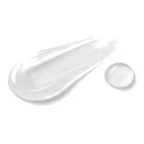 Sodium Hyaluronate
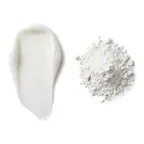 Zinc Oxide
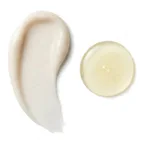 Octinoxate
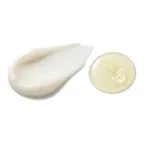 Octocrylene
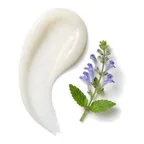 Scutellaria Baicalensis Root Extract
Zinc oxide protects against sun damage and hyaluronic acid holds in water, so it suits most skin types. For skin that needs soothing, sunscreens with allantoin and centella get higher fit scores. Where to buy in the US: Amazon.com, $27.29.
Each fit is calculated for the concerns frequently associated with that skin type. For scores and recommendations based on your full skin profile, including your 12D face scan results and goals, use the Lovi app.
Updated How the Fit score works
Where it fits best and least
Best fit Superior
Oily Skin, Acne-Prone Skin, Skin with Dark Spots, Mature Skin, Oily Acne-Prone Skin
One of the best sunscreens for oily skin.
- Excellent suitability for your oily skin is provided by Thiotaurine and Spirulina Platensis Extract, which offer seboregulation and antioxidant activity, respectively, while Silica and Dimethicone absorb excess oil for a matte finish.
Lowest fit Average
Works for dry skin; other sunscreens fit it better.
- Offers moderate suitability for dry skin, as Sodium Hyaluronate and Glycerin provide humectant action, though it lacks sufficient emollient and occlusive ingredients for optimal hydration.
Other skin types
Buy online

Prices checked 22 Nov 2026
How to apply
- Apply this sunscreen during your AM routine every single day. Reapply every two hours if you are staying outdoors.
- Apply the sunscreen as the final step of your morning skincare routine after your moisturizer. Allow your moisturizer to absorb fully before putting it on.
- Squeeze a generous amount and pat it gently all over your face and neck. Avoid rubbing the product harshly into your skin.
- Avoid getting the product directly into your eyes and stop using it if any irritation occurs.
People Say
★4.6Overall rating based on 4.0k+ reviewsBased on a very large amount of data, this sunscreen is highly recommended for oily and combination skin types, effectively controlling sebum and providing a matte finish without causing breakouts. Users appreciate its lightweight, fast-absorbing texture that also serves as a good makeup primer. However, individuals with dry skin may find it too drying, and those with deeper skin tones have noted a potential for a white cast. This information should definitely be taken into account.
Highlights
Excellent oil control Mostly Mentioned
- “keeps my skin matte all day”
- “controls my oily face very well”
- “no greasy feel after application”
Lightweight texture Often Mentioned
- “very thin milky consistency”
- “absorbs almost instantly”
- “super lightweight on the skin”
Expensive, small size Often Mentioned
- “bottle is tiny for the price”
- “finished it in a month”
- “very expensive for 1 oz”
Acne-safe Sometimes Noted
- “didn't cause breakouts”
- “safe for my acne-prone skin”
- “doesn't clog pores”
Great makeup primer Sometimes Noted
- “doubles as a face primer”
- “makeup applies beautifully on top”
- “foundation stays put longer”
Drying formula Sometimes Noted
- “emphasizes dry spots”
- “skin felt tight and dry”
- “too drying for winter use”
Leaves white cast Sometimes Noted
- “leaves a purple/white cast”
- “takes a long time to blend in”
- “not dark skin friendly”
Strong fragrance Rarely Noted
- “scent is too strong”
- “smells heavily of alcohol”
- “fragrance lingered for hours”
Sources: lovi.care, macys.com, ulta.com, shiseido.com, nordstrom.com, sephora.com, and more
Questions and answers
What makes Shiseido Urban Environment Oil-Free UV Protector SPF 42 one of the best fits for oily skin?
This sunscreen is a great fit because ingredients like Thiotaurine and Spirulina Platensis Extract help control oil while Silica and Dimethicone leave your face with a matte finish. It also has a very safe and gentle formula that is unlikely to irritate your skin.
Pharmaceutical Biology, 2017International Journal of Pharmaceutics, 2025
What makes Shiseido Oil-Free UV Protector one of the best fits for oily acne-prone skin?
This product is an exceptional fit because Thiotaurine and Spirulina Platensis Extract help control extra oil and breakouts, while Zinc Oxide and Ascorbyl Tetraisopalmitate soothe inflammation. It also uses calming ingredients like Dipotassium Glycyrrhizate and Camellia Sinensis Leaf Extract to keep your skin calm and smooth without irritation.
Journal of Controlled Release, 2025Clinical, Cosmetic and Investigational Dermatology, 2019
What makes Shiseido Urban Environment Oil-Free UV Protector a great fit for combination skin?
This sunscreen is a great fit because ingredients like sodium hyaluronate and glycerin give your skin moisture without extra oil, while silica and zinc oxide help absorb shine. It also provides strong protection against UV damage with a safe formula that is unlikely to cause irritation.
How well does Shiseido Oil-Free UV Protector work for dry skin?
This product works for dry skin, though other sunscreens fit it better. Sodium Hyaluronate and Glycerin help hold in moisture, but this skin type needs richer softening and sealing ingredients to lock in hydration.
Clinical, Cosmetic and Investigational Dermatology, 2017International Journal of Biological Macromolecules, 2018
How well does Shiseido Urban Environment Oil-Free UV Protector work for dry sensitive skin?
This sunscreen works moderately well for dry sensitive skin because ingredients like sodium hyaluronate and glycerin bring in moisture, though it may lack enough rich softeners to fully keep dry skin comfortable. To work best for this skin type, a product like this needs extra rich softeners and nourishing oils to deeply lock in moisture and comfort dry skin.
How often should I use this sunscreen?
Apply this sunscreen every morning as the final step of your daytime routine. It helps protect your skin from UV rays while keeping excess oil under control.
Is this sunscreen fragrance-free and alcohol-free?
It has no fragrance and contains drying alcohol (sd alcohol 40-b and alcohol).
What makes Shiseido Urban Environment Oil-Free UV Protector SPF 42 one of the best fits for acne-prone skin?
This product is one of the best fits for your acne-prone skin because it features soothing ingredients like sodium hyaluronate and dipotassium glycyrrhizate with a very safe profile and no risk of irritation. Ascorbyl tetraisopalmitate and dipotassium glycyrrhizate also help calm breakouts through their anti-inflammatory properties.
European Journal of Pharmaceutics and Biopharmaceutics, 2017
What makes Shiseido Urban Environment Oil-Free UV Protector a great fit for sensitive skin?
Shiseido Urban Environment Oil-Free UV Protector is a great fit for sensitive skin because it uses sodium hyaluronate and trehalose to keep your skin hydrated while calming redness with dipotassium glycyrrhizate and scutellaria baicalensis root extract. It is formulated without harsh ingredients to minimize irritation and provides robust sun protection.
Skin Research and Technology, 2024Journal of Cosmetic Dermatology, 2026
What makes Shiseido Urban Environment Oil-Free UV Protector SPF 42 one of the best fits for skin with dark spots?
This sunscreen is one of the best fits for skin with dark spots because it combines powerful UV protection with ingredients like sodium hyaluronate and glycerin to keep skin soft, alongside brightening ingredients like Ascorbyl Tetraisopalmitate that actively target hyperpigmentation. Daily use of sunscreens with this brightening form of vitamin C helps improve dark spots and skin hydration.
What makes Shiseido Urban Environment Oil-Free UV Protector SPF 42 one of the best fits for mature skin?
Shiseido Urban Environment Oil-Free UV Protector SPF 42 is one of the best fits for mature skin because it combines robust UV protection with sodium hyaluronate and glycerin to keep skin hydrated, while ingredients like ascorbyl tetraisopalmitate help address wrinkles and fine lines.
What the research says
Topical application of 0.1% hyaluronic acid formulations of different molecular weights led to significant improvements in skin hydration and elasticity, with low-molecular-weight formulations also significantly reducing wrinkle depth in seventy-six female subjects compared to a vehicle control.
Journal of Drugs in Dermatology, 2011Topical hyaluronic acid serum used twice daily by 40 females with facial photoaging produced an immediate 134% increase in skin hydration, a sustained 55% increase at week 6, and significant improvements in smoothness, plumping, fine lines, wrinkles, and global appearance without causing irritation.
Dermatology and Therapy, 2021A topical antioxidant serum significantly reduced air pollution-induced skin pigmentation and proinflammatory gene expression ex vivo, and improved skin aging signs in 40 healthy adult females after 90 days of daily use.
Journal of Cosmetic Dermatology, 2022Topical 0.5% hyaluronic-ZnO nanogel applied twice daily reduced inflammatory-lesion counts by 58% at week four in human subjects compared to baseline without causing erythema.
Biomedicines, 2025Daily use of a deep cleansing gel containing salicylic acid 2%, zinc gluconate 0.2% and lipohydroxy acid 0.05% significantly reduced total lesion count by 56.3% after 84 days in 35 subjects with mild to moderate truncal acne.
Clinical, Cosmetic and Investigational Dermatology, 2023Topical zinc oxide nanogels formulated using Dendrobium anosmum showed greater effectiveness against Gram-positive acne-causing bacteria compared to chemogenic nanoparticles.
Molecules, 2023Encapsulation of ethylhexyl methoxycinnamate and butyl methoxydibenzoylmethane in lipid microparticles significantly reduced their in vivo human skin penetration compared to nonencapsulated filters.
Skin Pharmacology and Physiology, 2011Replacing 20% of the chemical UV filter octyl methoxycinnamate with urucum oil in solid lipid nanoparticles maintained the skin protection factor without inducing toxic responses or significant skin penetration in human volunteers.
Skin Pharmacology and Physiology, 2018The application of a sunscreen formulation containing ethylhexyl methoxycinnamate, ethylhexyl salicylate, methyl anthranilate, and octocrylene does not significantly affect critical acne-related species such as Cutibacterium acnes and Staphylococcus epidermidis, refuting the induction of facial dysbiosis in men.
Archives of Dermatological Research, 2024Dermal sunscreen exposure in 20 healthy volunteers led to plasma concentrations of avobenzone, octocrylene, and its metabolite CDAA reaching up to 11 μg/L, 25 μg/L, and 1352 μg/L, respectively.
Environment International, 2019Chemical sunscreens containing avobenzone, octocrylene, homosalate, and octisalate showed no to minimal risks of dermal irritation, sensitization, photo-allergy, and photo-irritation in human subjects.
Journal of Drugs in Dermatology, 2025Incorporating rosmarinic acid into sunscreens enhanced the in vivo SPF of octocrylene by over 157% and reduced lipid peroxidation in the human stratum corneum.
Antioxidants, 2025A nighttime topical antioxidant containing resveratrol, baicalin, and vitamin E significantly improved fine lines, wrinkles, firmness, elasticity, laxity, hyperpigmentation, radiance, roughness, and dermal thickness in subjects with mild to moderately photodamaged skin over 12 weeks.
Journal of Drugs in Dermatology, 2014Motor baicalin encapsulated in bio-vesicles enhanced water solubility, stability, transdermal penetration, antioxidant activity, and clinical skin antiaging efficacy compared to liposome baicalin and baicalin raw material.
Journal of Cosmetic Dermatology, 2025Topical wogonin at 250-1000 microg/ear/3 days reduced COX-2 and tumor necrosis factor-alpha mRNA levels and decreased prostaglandin E2 concentration by 27.3-34.3% in a mouse model of tetradecanoylphorbol-13-acetate-induced ear edema compared to untreated inflamed skin.
Biochemical Pharmacology, 2003A single application of a moisturizing fluid containing hyaluronic acid 1%, glycerin 5%, and Centella asiatica stem cells extract significantly increased skin hydration by 29% and reduced transepidermal water loss at 24 hours compared to baseline and an untreated control site in twenty healthy women.
Clinical, Cosmetic and Investigational Dermatology, 2017A topical formulation containing panthenol, niacinamide, and dipotassium glycyrrhizate increased skin hydration by 74.1% and reduced transepidermal water loss by 13.5% at 28 days compared to baseline and untreated control in 35 individuals with xerosis.
Journal of Cosmetic Dermatology, 2026Replacing microsized titanium dioxide and zinc oxide with nanoparticles in sunscreens eliminates opaqueness and alters UV protection balance while inducing (photo)cyto- and genotoxicity and penetrating viable skin layers during long-term exposures.
Nanotechnology, Science and Applications, 2011An anti-acne hydrogel containing Aloe barbadensis, Garcinia mangostana, and Camellia sinensis extracts showed superior antiacne and antiblotch activities compared to 1% clindamycin gel in sixty subjects with mild-moderate acne.
Clinical, Cosmetic and Investigational Dermatology, 2019Biomimetic hyaluronic acid-stabilized zinc oxide nanoparticles selectively inhibited C. acnes, outperformed erythromycin in preclinical acne models, and safely reduced acne lesions and redness in a clinical trial.
Journal of Controlled Release, 2025Spirulina platensis extract incorporated skin cream at 1.125% concentration enhanced wound healing and cell viability in HS2 keratinocyte cells without genotoxic effects on human peripheral blood cells.
Pharmaceutical Biology, 2017Topical C-phycocyanin application on UVB-irradiated mouse skin improved macroscopic characteristics, reduced epidermal thickening, increased hydroxyproline and antioxidant enzyme activities, and decreased inflammatory factors, oxidative stress, and matrix metalloproteinases.
Frontiers in Bioengineering and Biotechnology, 2023Glycerol- and cholesterol-enriched transfersomes loaded with cyano-phycocyanin improved encapsulation efficiency, provided stability for up to 8 months at 4 °C, enhanced cytoprotective activity against H2O2-induced oxidative stress in HaCaT cells to approximately 80% viability compared to 60% in untreated cells, and significantly increased ex vivo skin penetration in the epidermis compared to aqueous cyano-phycocyanin.
International Journal of Pharmaceutics, 2025Topical formulations containing ascorbyl tetraisopalmitate, coenzyme Q10, green tea polyphenols, and resveratrol reduced the release of inflammatory cytokines and attenuated inflammatory signs compared to untreated skin and vehicle in 25 Japanese volunteers exposed to sodium dodecyl sulfate.
European Journal of Pharmaceutics and Biopharmaceutics, 2017The LG-NLC formulation of licorice extract achieved a Z-average size of 185.3 nm, high entrapment efficiency of 79.01% for glabridin and 69.27% for liquiritin, a two-stage release pattern, efficient in vivo skin penetration, strong anti-tyrosinase activity, and physiochemical stability for up to 9 months.
Current Pharmaceutical Design, 2024A 3-in-1 anti-aging topical night serum-in-oil applied once daily decreased wrinkles by 11%, increased skin firmness by 8%, reduced redness by 70%, and improved overall skin quality and complexion in 103 female subjects over 28 to 84 days compared to baseline.
Journal of Cosmetic Dermatology, 2019Supplementation of a broad-spectrum sunscreen with Spirulina and dimethylmethoxy chromanol significantly improved skin pigmentation, reduced collagen degradation, and enhanced net elasticity in 44 healthy subjects after 84 days compared to sunscreen alone.
European Journal of Pharmaceutical Sciences, 2017UV filters octocrylene, octylmethoxycinnamate, and benzophenone-3 increase the generation of UV-induced reactive oxygen species in the nucleated epidermis above control levels when left on the skin surface for 60 minutes.
Free Radical Biology & Medicine, 2006Sodium trehalose sulfate decreased transepidermal water loss and increased stratum corneum water content in participants with low stratum corneum water content when applied for 4 weeks compared to placebo.
Skin Research and Technology, 2024Liposomal encapsulation of octyl methoxycinnamate increases its safety, skin affinity, and in vivo solar photoprotection factor while slowing its release and enhancing retention in the stratum corneum compared to a conventional formulation.
International Journal of Nanomedicine, 2013Multilamellar liposomes containing octyl methoxycinnamate increased stratum corneum accumulation and reduced deeper skin penetration compared to conventional emulsions and small unilamellar liposomes in six volunteers, resulting in a slightly better sun protection factor.
Journal of Cosmetic Science, 2008The difference in dermatotoxicokinetic parameters between trans-EHMC and cis-EHMC isomers was not statistically significant when applied to the forearm skin of two volunteers.
Environmental Science and Pollution Research International, 2017Hyaluronic acid-based formulations exhibit remarkable anti-wrinkle, anti-aging, and skin rejuvenating effects via soft tissue augmentation, improved skin hydration, and face volume restoration.
International Journal of Biological Macromolecules, 2018
Ingredients
Sodium Hyaluronate, Spirulina Energy Essence, Ensulizole, Homosalate, Octisalate, Zinc Oxide, Water, Dimethicone, Trisiloxane, Sd Alcohol 40-B, Glycerin, Silica, Peg Ppg-14 7 Dimethyl Ether, Lauryl Peg-9 Polydimethylsiloxyethyl Dimethicone, Peg-10 Dimethicone, Trehalose, Myristyl Myristate, Ethylhexyl Palmitate, Dextrin Palmitate, Isodecyl Neopentanoate, Ascorbyl Tetraisopalmitate, Thiotaurine, Dipotassium Glycyrrhizate, Scutellaria Baicalensis Root Extract, Paeonia Albiflora Root Extract, Sanguisorba Officinalis Root Extract, Camellia Sinensis Leaf Extract, Garcinia Mangostana Bark Extract, Perilla Ocymoides Leaf Extract, Spirulina Platensis Extract, Triethanolamine, Triethoxycaprylylsilane, Butylene Glycol, Disodium Edta, Disteardimonium Hectorite, Tocopherol, Bht, Alcohol, Isostearic Acid, Menthoxypropanediol, Sodium Metabisulfite, Polysilicone-2, Barium Sulfate, Sodium Citrate, Phenoxyethanol, Benzoic Acid, Iron Oxides
Behind these fit scores
Lovi calculates every fit score from the full ingredient list with brand-independent rules our dermatologists and cosmetic chemists build and review, and personalizes every pick with AI trained on the real results of millions of users. Lovi trains its fit score models on a proprietary dataset built from more than 10,000 expert-labeled products and more than 100,000 simulated examples, following an internally consistent methodology presented at Cosmoprof, AMWC, and Skin of Color Update.
-

Co-founder, Medical Director
Cosmetic chemist, cosmetologist, aesthetic products developer
-

Co-founder, CEO and CTO
PhD in computer science, 3x US patent holder, ex-Google, ex-Yandex
-

Dr. Sofía Perea Pérez, MD, MSc
Medical Board
Aesthetic medicine practitioner, MSc in Longevity and Anti-Aging Medicine
-

Medical Board
Specialist dermatologist, MBBS, MD, IFAAD
-

Medical Board
Cosmetic chemist, SCS, IFSCC member
-

Medical Board, Medical Advisor
Dermatology MD
-

Elina Nazarenko, MD
Medical Board
Dermatology and diagnostic consultant
-

Victoria Derkova, MS
Medical Board
Cosmetic chemist, cosmetic development technologist


How does it fit your skin?
Scan your face, then any product: Lovi shows how well it fits you and what fits even better.