NIOD Modulating Glucosides for acne-prone skin

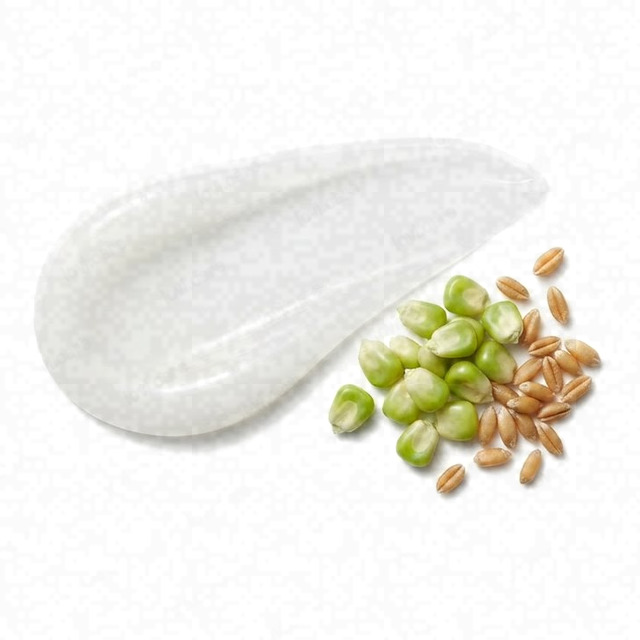 Glucosides
 Squalane
 Superoxide Dismutase
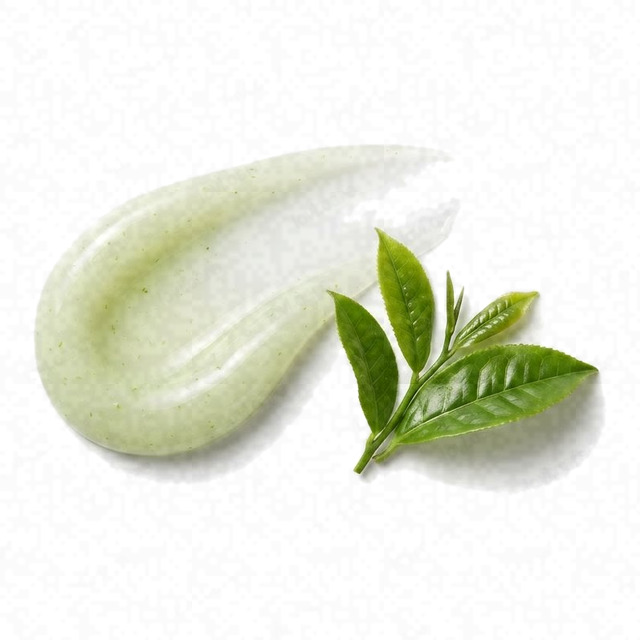 Epigallocatechin Gallatyl Glucoside
 Palmitoyl Tripeptide-8
Average
- HighCombination Skin Fit
- AverageEffectiveness
- HighSafety
Works for acne-prone skin; other serums fit it better.
This fit is calculated for the concerns frequently associated with acne-prone skin: breakouts, blackheads, and post-acne marks. For scores and recommendations based on your full skin profile, including your 12D face scan results and any goals or preferences you have, please use the Lovi app.
Page built Nov 8, 2026How the Fit score works
Lovi Assistant explains
- Offers moderate soothing and anti-redness benefits for your combination skin, as Bisabolol and Epigallocatechin Gallatyl Glucoside work to calm inflammation and reduce redness.
- The formulation also provides general hydration and antioxidant support, which can be beneficial for acne-prone skin.
- The safety profile is excellent, with no risks of irritation due to the absence of harsh ingredients and the inclusion of soothing components.
How to apply
- Use your serum as part of your PM routine and start 3x/week before working up to daily use.
- Apply this treatment after cleansing and toner, and before your moisturizer.
- Gently press 2-3 drops of the serum into your skin and let it absorb for a minute.
- Apply the product on clean, dry skin to help manage your breakouts safely.
- Avoid the eye area and do a patch test before your first use.
People Say
★4.8Overall rating based on 400+ reviewsThis serum is highly praised for its ability to calm sensitive, reactive, and irritated skin, with users frequently reporting significant improvements in redness, stinging, and compromised skin barriers. It is a popular choice for those recovering from aesthetic treatments or harsh active ingredients. Some users with normal skin may find the benefits less noticeable or the texture slightly heavy.
Highlights
Calms sensitive skin Mostly Mentioned
- “Like medicine to irritated skin.”
- “Great for sensitive, reactive skin.”
- “Helps quiet sensations of stinging and itching.”
Reduces skin redness Often Mentioned
- “Visibly reduced redness for a more even tone.”
- “Calms redness and stinging.”
- “It really did wonders in soothing skin and reducing redness.”
Buffers active irritation Sometimes Noted
- “Helps minimise the side effects of retinoids.”
- “Buffers retinoid/acid irritation.”
- “Reason my skin had been so calm while I was on Roaccutane.”
Strengthens skin barrier Sometimes Noted
- “Saved my skin barrier from beyond hope.”
- “Strengthens skin barrier integrity over time.”
- “Especially helpful when my barrier is compromised.”
Inconvenient packaging Sometimes Noted
- “Dropper bottle is messy to use.”
- “Not my favorite type of packaging.”
- “Why doesn't it come with a pump?”
Subtle for normal skin Sometimes Noted
- “If you have normal skin, benefits may not be apparent.”
- “I did not notice any improvement.”
Can cause breakouts Rarely Noted
- “It broke me out almost instantly.”
- “Heavy going on my face.”
Unappealing scent Rarely Noted
- “Strong nutty scent.”
- “A bit like paint.”
- “Has a bit of a medicinal smell.”
Sources: lovi.care, niod.com, skinsort.com, dermapproved.com, drrachelho.com, daniellesbeautyblog.com, and more
Questions and answers
How well does Modulating Glucosides work for acne-prone skin?
This treatment works well enough for acne-prone skin by offering moderate soothing, hydration, and antioxidants that help calm inflammation and reduce redness without causing irritation. Acne-prone skin needs products with ingredients like niacinamide, propolis, or zinc PCA that provide targeted blemish benefits while controlling oiliness and maintaining balance.
Which ingredients make this serum a good fit for acne-prone skin?
Bisabolol and epigallocatechin gallatyl glucoside help calm inflammation and reduce redness, while general hydration and antioxidants support acne-prone skin. To fit this skin better, a product of this type needs ingredients like niacinamide, propolis, or zinc PCA to target breakouts and control oiliness while keeping the skin balanced.
What do Glucosides do for acne-prone skin?
Glucosides help hydrate acne-prone skin and support the skin barrier without clogging pores or feeling heavy. They are unlikely to cause irritation and work well to keep dry areas smooth while you treat breakouts.
Skin Pharmacology and Physiology, 2012The Journal of Clinical and Aesthetic Dermatology, 2012
What does Squalane do for acne-prone skin?
Squalane may help keep acne-prone skin soft and smooth, but peroxidated forms can trigger inflammation in skin cells. For a better fit on acne-prone skin, products need non-clogging, soothing ingredients that balance oil without causing irritation.
Where does this serum go in a skincare routine for acne-prone skin?
This treatment goes in the evening routine after your cleansing toner and before your moisturizer. Acne-prone skin works best with products of this type that provide gentle hydration, soothing ingredients, and antioxidants to calm inflammation without causing irritation.
Can I use this serum with retinol, and in what order?
You can use this treatment alongside retinol by applying it before your retinol at night to help calm irritation and keep your skin feeling comfortable. This product has a very safe profile with no harsh ingredients, making it unlikely to cause flare-ups. Acne-prone skin often benefits best from lightweight, soothing ingredients and gentle hydrators that target blemishes and redness without clogging pores.
How often should I use this serum?
This treatment works well in the evening routine, fitting acne-prone skin with moderate soothing and hydration benefits while keeping irritation risks low. To achieve a better fit for this skin type, products of this type need stronger acne-targeting ingredients like salicylic acid or benzoyl peroxide alongside oil-balancing components.
Can this serum clog pores, cause breakouts or purging for acne-prone skin?
This product is unlikely to irritate acne-prone skin and has a very safe profile, though some reviewers note a low chance of causing breakouts. An acne-prone skin type needs a product that provides targeted oil control and lightweight hydration without heavy ingredients.
Is this serum fragrance-free and alcohol-free?
It has no drying alcohol and contains fragrance (benzyl alcohol).
What the research says
Topical application of glyceryl glucoside significantly increased AQP3 mRNA levels and reduced transepidermal water loss compared with vehicle-controlled areas in volunteer subjects.
Skin Pharmacology and Physiology, 2012Topical oil-in-water and water-in-oil emulsions containing glyceryl glucoside, natural moisturizing factors, and ceramide significantly improved skin hydration and barrier function while reducing visible dryness and tactile roughness in subjects with very dry skin compared to untreated sites and vehicles.
The Journal of Clinical and Aesthetic Dermatology, 2012Topical treatment with the synthetic SOD/catalase mimetic EUK-134 reduced lipid peroxide levels both at baseline on non-irradiated human skin and at the surface of UVA-exposed skin when applied before or after irradiation, compared to controls.
International Journal of Cosmetic Science, 2004Squalane at 0.005-0.015% counteracts UVA-induced oxidative stress, inflammation, and collagen metabolism inhibition while stimulating fibroblast migration in human dermal fibroblasts.
Molecules, 2025Plant-derived squalane protected human dermal fibroblasts against UVA-induced damage by counteracting ROS formation, suppressing apoptosis-related proteins p53, caspase-3, caspase-9, and PARP, and restoring the pro-survival p-Akt/mTOR pathway.
Antioxidants, 2025Topical application of TAT-SOD significantly suppresses UVB-induced erythema formation, blood flow rise, and apoptotic sunburn cell formation in human volunteers compared to a vehicle control.
European Journal of Pharmaceutics and Biopharmaceutics, 2016Topical superoxide dismutase formulations maintained physical stability and enzymatic activity for 6 months at 4 and 30 degrees C, and effectively inhibited UVB-induced skin erythema for 48 hours, whereas formulations combined with alpha-tocopherol were unstable.
European Journal of Pharmaceutics and Biopharmaceutics, 2007Superoxide dismutase 3 suppressed Propionibacterium acnes-induced skin inflammation by inhibiting the TLR2/p38/NF-κB axis and NLRP3 inflammasome activation in vitro and in vivo.
Scientific Reports, 2018Topical green tea extract significantly improved clinical symptoms, tear breakup times, and meibomian gland health compared to standard treatment in patients with dry eye and Meibomian Gland Dysfunction.
Journal of Clinical and Diagnostic Research, 2017Topical low-dose green tea extract reduces UVB-induced p53 expression and apoptosis in human skin keratinocytes compared to placebo.
Experimental Dermatology, 2009An anti-acne hydrogel containing Aloe barbadensis, Garcinia mangostana, and Camellia sinensis extracts showed superior antiacne and antiblotch activities compared to 1% clindamycin gel in sixty subjects with mild-moderate acne.
Clinical, Cosmetic and Investigational Dermatology, 2019
Ingredients
Water, Squalane, Isodecyl Neopentanoate, Glycerin, Caprylic Capric Triglyceride, Pentylene Glycol, Propanediol, Hexyldecanol, Bisabolol, Butylene Glycol, Epigallocatechin Gallatyl Glucoside, Rosmarinyl Glucoside, Caffeyl Glucoside, Gallyl Glucoside, Tetrasodium Tetracarboxymethyl Naringeninchalcone, Hydroxymethoxyphenyl Decanone, 4-T-Butylcyclohexanol, Cetylhydroxyproline Palmitamide, Hydroxyphenyl Propamidobenzoic Acid, Palmitoyl Tripeptide-8, Superoxide Dismutase, Sodium Pca, Pca, Arginine, Glycine, Alanine, Serine, Valine, Isoleucine, Proline, Threonine, Histidine, Phenylalanine, Aspartic Acid, Sodium Lactate, Mirabilis Jalapa Callus Extract, Tasmannia Lanceolata Leaf Extract Fruit, Zingiber Officinale Root Extract, Curculigo Orchioides Root Extract, Isochrysis Galbana Extract, Brassica Campestris Sterols, Stearic Acid, Dextran, Isoceteth-20, Polyacrylate Crosspolymer-6, Xanthan Gum, Tocopherol, Propyl Gallate, Tromethamine, Dehydroacetic Acid, 1,2-Hexanediol, Benzyl Alcohol, Phenoxyethanol, Caprylyl Glycol
Behind this fit score
Lovi calculates every fit score from the full ingredient list with brand-independent rules our dermatologists and cosmetic chemists build and review, and personalizes every pick with AI trained on the real results of millions of users. Lovi trains its fit score models on a proprietary dataset built from more than 10,000 expert-labeled products and more than 100,000 simulated examples, following an internally consistent methodology presented at Cosmoprof, AMWC, and Skin of Color Update.
-

Co-founder, Medical Director
Cosmetic chemist, cosmetologist, aesthetic products developer
-

Co-founder, CEO and CTO
PhD in computer science, 3x US patent holder, ex-Google, ex-Yandex
-

Dr. Sofía Perea Pérez, MD, MSc
Medical Board
Aesthetic medicine practitioner, MSc in Longevity and Anti-Aging Medicine
-

Medical Board
Specialist dermatologist, MBBS, MD, IFAAD
-

Medical Board
Cosmetic chemist, SCS, IFSCC member
-

Medical Board, Medical Advisor
Dermatology MD
-

Elina Nazarenko, MD
Medical Board
Dermatology and diagnostic consultant
-

Victoria Derkova, MS
Medical Board
Cosmetic chemist, cosmetic development technologist


How does it fit your skin?
Scan your face, then any product: Lovi shows how well it fits you and what fits even better.