Neutrogena Bright Boost Gel Cream for skin with dark spots

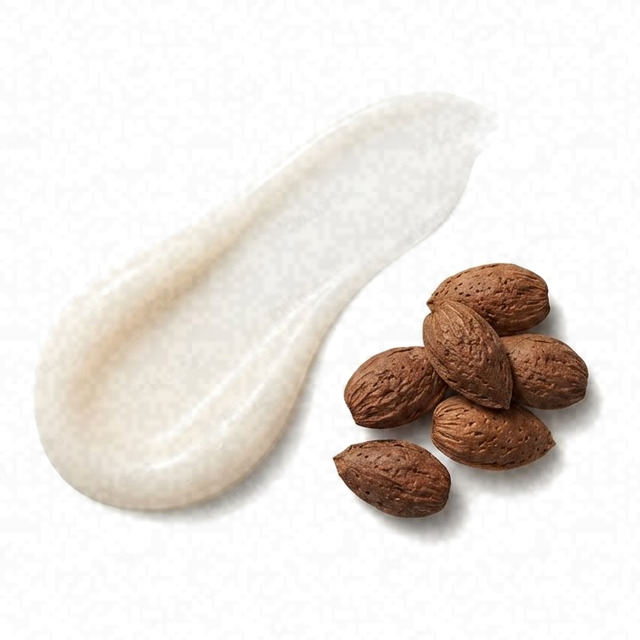 Mandelic Acid
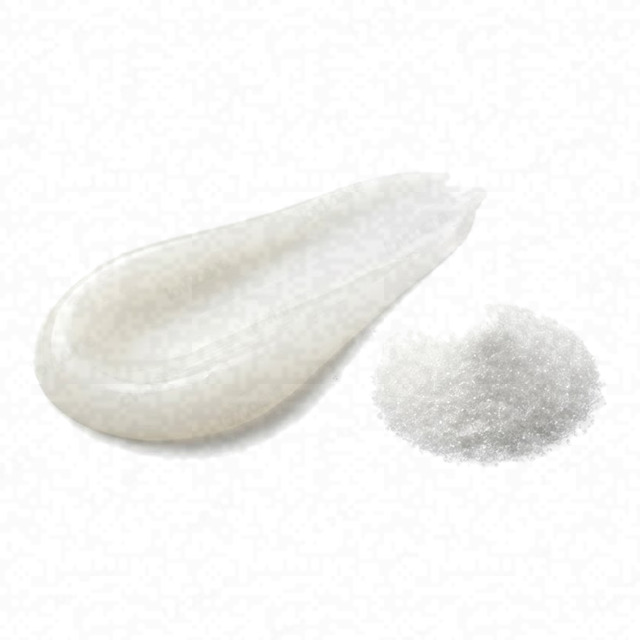 Gluconolactone
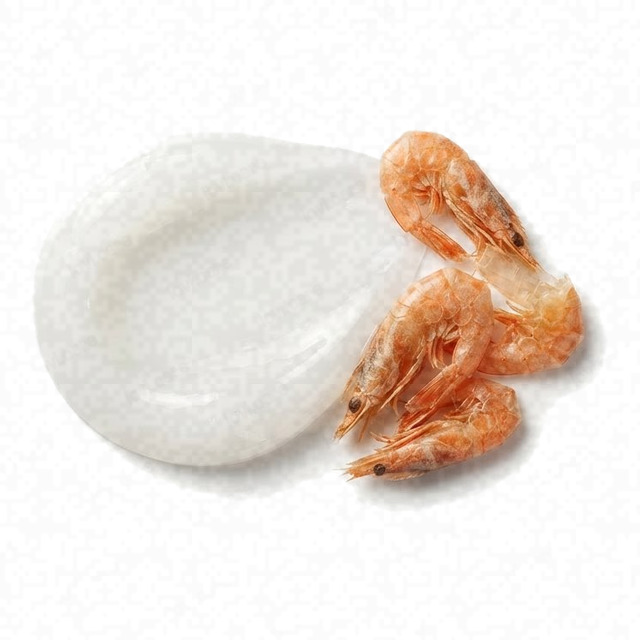 Acetyl Glucosamine
 Squalane
High
- HighNormal Skin Fit
- AverageEffectiveness
- ExcellentSafety
One of the best moisturizers for skin with dark spots.
This fit is calculated for the concerns frequently associated with dark spots: hyperpigmentation, sun spots, and uneven skin tone. For scores and recommendations based on your full skin profile, including your 12D face scan results and any goals or preferences you have, please use the Lovi app.
Page built Nov 8, 2026How the Fit score works
Lovi Assistant explains
- Suitable for normal skin, this product offers excellent brightening and smoothing texture due to mandelic acid and acetyl glucosamine, which exfoliate and hydrate effectively.
- While glycerin and squalane provide general hydration benefits, specialized ingredients to target your main goal of pigmentation are not present.
- The safety profile is excellent, with no risks of irritation for your normal skin due to the absence of harsh ingredients and the presence of soothing agents like acetyl glucosamine.
How to apply
- Could be used as part of your AM and PM routine. Start using it 3 times a week and move to daily use if your skin likes it.
- Apply this moisturizer after your cleanser and toner, right before your morning SPF.
- Gently press a small amount of the moisturizer into your skin. Avoid rubbing it too hard so it absorbs nicely.
- For the best moisture, you can apply it when your skin is slightly damp. This helps your skin stay soft and happy.
- Remember to avoid the eye area when applying. Always do a patch test before your first use.
People Say
★4.5Overall rating based on 2.0k+ reviewsBased on a very large amount of data, users with dull or uneven skin tone frequently report that this gel cream delivers a noticeable, instant glow and smoother texture, often attributing this to the inclusion of mild exfoliants like AHAs and PHAs. While many appreciate the lightweight hydration and brightening effect, a significant number of reviewers caution that the product contains visible shimmer particles and a strong fragrance that may irritate sensitive skin.
Highlights
Lightweight texture Mostly Mentioned
- “Absorbs very easily and leaves your skin looking very bright.”
- “Non-greasy and sinks in quickly.”
- “Cool creamy texture... does not dry sticky.”
- “Perfect for days when my skin is looking dull... lightweight feel.”
Brightens dull skin Often Mentioned
- “Instantly get a fresh glowy skin on application.”
- “My skin looks a bit more even and feels soft.”
- “Helped me to get a brightening skin... visible results in a short time.”
- “Visibly reduces dullness & dark spots.”
Softens and smooths Often Mentioned
- “Leaves skin soft and beautiful.”
- “Skin was nice and soft the next morning.”
- “Improves texture and clarity.”
- “Makes my skin feel so soft.”
Strong fragrance Often Mentioned
- “Scent was quite strong... definitely not for me.”
- “Overwhelming floral scent I just dislike.”
- “Smell is a bit too much for sensitive noses.”
- “Wish it was fragrance-free.”
Contains glitter Sometimes Noted
- “Presence of glitter in the cream... I could do without it.”
- “Has a slight shimmer after use.”
- “I don't like the sparkles/glitter left on my face.”
- “It looks like I have highlighter on.”
Pills under makeup Sometimes Noted
- “It pilled... rubbing off in little balls.”
- “Does not layer well with my sunscreen.”
- “Leaves a residue that rolls off.”
- “Noticed pilling when I touched my face later.”
Causes irritation Rarely Noted
- “Experienced a bit of tingling on application.”
- “Caused burning and redness.”
- “My sensitive skin did not react well to the acids.”
Sources: lovi.care, amazon.com, walmart.com, influenster.com, neutrogena.com, nykaa.com, and more
Questions and answers
What makes Neutrogena Bright Boost Gel Cream a great fit for skin with dark spots?
Neutrogena Bright Boost Gel Cream is a great fit for skin with dark spots because mandelic acid and acetyl glucosamine exfoliate and brighten the skin smoothly. This helps reduce uneven pigment safely without irritating normal skin.
Which ingredients make this cream a good fit for skin with dark spots?
This cream is a great fit for skin with dark spots because it contains mandelic acid and acetyl glucosamine, which help smooth the texture and brighten the skin. These ingredients work to fade dark areas while keeping normal skin comfortable and hydrated.
What does Mandelic Acid do for skin with dark spots?
Mandelic acid helps fade dark spots and uneven skin tone while being generally gentle on the skin. It works by gently exfoliating the outer layer to reveal fresher, more even skin underneath. To properly treat dark spots, a product of this type needs additional brightening ingredients and soothing agents to calm the skin and improve pigment reduction.
Journal of Cosmetic Dermatology, 2016Dermatologic Surgery, 2016
What does Gluconolactone do for skin with dark spots?
Gluconolactone helps improve skin with dark spots by providing gentle smoothing and renewing benefits that make the skin tone more even and bright. This ingredient is well tolerated by sensitive skin while supporting skin rejuvenation.
Where does this cream go in a skincare routine for skin with dark spots?
This moisturizing treatment goes in your evening routine after cleansing and before your moisturizer. It is unlikely to cause irritation and helps keep your skin feeling soft and smooth.
Can I use this cream with retinol, and in what order?
You can use this cream with retinol by applying the retinol first at night, followed by this moisturizer to help keep your skin calm and hydrated. This approach is unlikely to cause irritation and supports your skin while using strong treatments.
How often should I use this cream?
You can use this moisturizing treatment twice a day as part of your morning and evening routine. Regular daily application helps improve skin brightness and keeps your skin feeling smooth and well hydrated.
Journal of Cosmetic Dermatology, 2020Journal of Drugs in Dermatology, 2015
Can this cream clog pores, cause breakouts or purging for skin with dark spots?
This cream is unlikely to clog pores, cause breakouts, or lead to purging on skin with dark spots. Its formula avoids heavy, pore-clogging ingredients and has an excellent safety profile with a low risk of irritation for normal skin.
Can I use this cream around the eyes or on my body?
This moisturizing treatment is suitable for use on the body, but the thin skin around the eyes requires extra care and specialized products. While it is unlikely to irritate normal skin, the delicate eye area needs formulas specifically tested for safety and effectiveness near the eyes.
Is this cream fragrance-free and alcohol-free?
Yes, it has no fragrance and no drying alcohol. Cetearyl alcohol is a fatty alcohol, which soften the skin.
What the research says
Topical 2% N-acetyl glucosamine reduced facial hyperpigmentation in an 8-week split-face clinical test, with an even greater effect observed when combined with 4% niacinamide.
Journal of Cosmetic Dermatology, 2007N-acetyl-glucosamine-loaded nanostructured lipid carriers successfully delivered the hydrophilic agent through the skin and reduced melanin distribution in healthy volunteers.
Advanced Pharmaceutical Bulletin, 2016Topical cosmetic products containing hyaluronic acid, N-acetyl glucosamine, and gamma-amino butyric acid improved skin hydration by 24.28% to 33.60%, elasticity by 11.98%, and skin lightening by 5.26% over 2 months in 20 female participants.
Journal of Cosmetic and Laser Therapy, 2019Treatment with 45% mandelic acid peel showed nearly equal overall efficacy as 30% salicylic acid peel in patients with mild-to-moderate facial acne vulgaris, but with fewer adverse effects.
Journal of Cosmetic Dermatology, 2020Chemical peels using 35% glycolic acid, 20% salicylic-10% mandelic acid, and phytic acid reduce acne scores by 70.55%, 74.14%, and 69.7% respectively, and significantly decline the postacne hyperpigmentation index in Asian patients with mild to moderate acne.
Journal of Cutaneous and Aesthetic Surgery, 2019Commonly used chemical peels showed no significant differences in effectiveness for acne vulgaris in most comparisons, though combined salicylic and mandelic acid peeling was superior to glycolic acid and glycolic acid was superior to placebo, based on twelve randomized controlled trials.
BMJ Open, 2018Glycolic acid, salicylic acid, gluconolactone, and licochalcone A combined with 0.1% adapalene showed no hindrance compared to adapalene monotherapy and provided benefits in reducing complications in 25 subjects with mild-to-moderate acne vulgaris.
Clinical, Cosmetic and Investigational Dermatology, 2019Gluconolactone and tartaric acid significantly lower transepidermal water loss and erythema after sodium lauryl sulphate challenge compared to vehicle, untreated control, and glycolic acid in healthy subjects.
The British Journal of Dermatology, 1997Gluconolactone 14% solution significantly improved mild to moderate acne by reducing inflamed and non-inflamed lesions similarly to 5% benzoyl peroxide, but with fewer side-effects in 150 patients.
The Australasian Journal of Dermatology, 1992Liposomes containing N-acetyl glucosamine prepared using the fusion method significantly increased skin moisture content compared to empty liposomes in human volunteers over a 5-hour period.
Journal of Cosmetic Dermatology, 2013A topical antiaging neck and décolletage cream containing N-acetyl glucosamine significantly improved dermatologist-graded aging parameters, brightness, redness, and self-assessed aging signs in 42 Caucasian women over a 16-week period.
Journal of Drugs in Dermatology, 2016Combining a fractionated Q-switched ND:YAG 1,064-nm laser with a topical plant stem cell extract and N-acetyl glucosamine enhanced the anti-aging effect on rhytides in female patients compared to laser treatment alone.
Journal of Drugs in Dermatology, 2015Squalane at 0.005-0.015% counteracts UVA-induced oxidative stress, inflammation, and collagen metabolism inhibition while stimulating fibroblast migration in human dermal fibroblasts.
Molecules, 2025Plant-derived squalane protected human dermal fibroblasts against UVA-induced damage by counteracting ROS formation, suppressing apoptosis-related proteins p53, caspase-3, caspase-9, and PARP, and restoring the pro-survival p-Akt/mTOR pathway.
Antioxidants, 2025
Ingredients
Water, Dimethicone, Glycerin, Mandelic Acid, Triethyl Citrate, Gluconolactone, Acetyl Glucosamine, Hydroxyethyl Acrylate Sodium Acryloyldimethyl Taurate Copolymer, Polyacrylate Crosspolymer-6, Butylene Glycol, Squalane, Aluminum Octenylsuccinate Starch, Sodium Hydroxide, Phenoxyethanol, Dimethicone Crosspolymer, Cetearyl Olivate, Dimethiconol, Sorbitan Olivate, Chlorphenesin, Cetearyl Alcohol, Polysorbate 60, Succinoglycan, Coco-Glucoside, Disodium Edta, Ethylhexylglycerin, Silica, Tin Oxide, Titanium Dioxide, Mica, Ci 16035
Behind this fit score
Lovi calculates every fit score from the full ingredient list with brand-independent rules our dermatologists and cosmetic chemists build and review, and personalizes every pick with AI trained on the real results of millions of users. Lovi trains its fit score models on a proprietary dataset built from more than 10,000 expert-labeled products and more than 100,000 simulated examples, following an internally consistent methodology presented at Cosmoprof, AMWC, and Skin of Color Update.
-

Co-founder, Medical Director
Cosmetic chemist, cosmetologist, aesthetic products developer
-

Co-founder, CEO and CTO
PhD in computer science, 3x US patent holder, ex-Google, ex-Yandex
-

Dr. Sofía Perea Pérez, MD, MSc
Medical Board
Aesthetic medicine practitioner, MSc in Longevity and Anti-Aging Medicine
-

Medical Board
Specialist dermatologist, MBBS, MD, IFAAD
-

Medical Board
Cosmetic chemist, SCS, IFSCC member
-

Medical Board, Medical Advisor
Dermatology MD
-

Elina Nazarenko, MD
Medical Board
Dermatology and diagnostic consultant
-

Victoria Derkova, MS
Medical Board
Cosmetic chemist, cosmetic development technologist


How does it fit your skin?
Scan your face, then any product: Lovi shows how well it fits you and what fits even better.