
The Ordinary Natural Moisturizing Factors + PhytoCeramides for sensitive skin

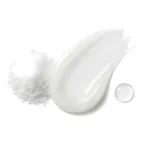 Moisturizing Factors
 Phytoceramides
 Sodium Hyaluronate
 Glycerin
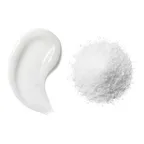 Urea
Average
- LowNormal Skin Fit
- HighEffectiveness
- Low RiskSafety
Works for sensitive skin; other moisturizers fit it better.
This fit is calculated for the concerns frequently associated with sensitive skin: redness, stinging, and reactions to new products. For scores and recommendations based on your full skin profile, including your 12D face scan results and any goals or preferences you have, please use the Lovi app.
Updated How the Fit score works
Lovi Assistant explains
- Offers moderate moisturizing for your normal skin, with ceramides and hyaluronic acid supporting barrier resilience and hydration, though it lacks targeted ingredients for normal skin concerns.
- Glycerin and sodium hyaluronate provide hydration and barrier support beneficial for your redness and irritation.
- The formula is generally safe for your sensitive skin, with urea and citric acid posing a slight risk of irritation.
Buy online

Prices checked 20 Nov 2026
The Lovi Fit is the same in every country; only the stores and prices differ, and the ones here are for India.
How to apply
- Use this soothing AM and PM routine every day to keep your normal skin calm. Always remember to apply SPF in the morning after your moisturizer.
- Apply your moisturizer after your toner in the morning, and after your serum in the evening. This step locks in hydration and protects your skin.
- Gently press a small amount of the moisturizer evenly across your face. Avoid rubbing to keep your sensitive skin happy and calm.
- You can apply this gentle formula on dry or slightly damp skin for the best comfort. It works wonderfully on clean skin to soothe redness and irritation.
- Do a patch test before your very first use to check your skin's reaction. Avoid getting the product directly into your eyes .
People Say
★4.3Overall rating based on 1.7k+ reviewsBased on a very large amount of data, this ultra-rich moisturizer is widely celebrated by users with dry, dehydrated, or mature skin for its ability to repair the moisture barrier and provide a plump, dewy finish. Users with oily or acne-prone skin frequently find the texture too heavy and greasy, with some reporting congestion or breakouts.
Highlights
Intense hydration Often Mentioned
- “Immediately moisturised skin”
- “Boosts skin hydration significantly”
- “Skin looks so hydrated”
- “Quenches tight, dehydrated skin”
Greasy finish Often Mentioned
- “Leaves an oily residue”
- “Too shiny for day use”
- “Feels heavy and sticky”
- “Sits on top of skin”
Barrier repair Sometimes Noted
- “Restores my barrier”
- “Heals flaky patches”
- “Great for damaged skin”
- “Soothes sore areas”
Rich texture Sometimes Noted
- “Feels luxurious and thick”
- “Melts into the skin”
- “Leaves skin soft and glowy”
- “Creates a smooth base”
Value for money Sometimes Noted
- “Rivals expensive creams”
- “Little goes a long way”
- “Better than high-end brands”
- “Great price for ceramides”
Causes breakouts Sometimes Noted
- “Gave me closed comedones”
- “Broke me out immediately”
- “Caused fungal acne”
- “Clogged my pores”
Scent Rarely Noted
- “Has an earthy smell”
- “Smells like ingredients”
- “Slightly off-putting scent”
- “Not completely odorless”
Slow absorption Rarely Noted
- “Takes time to sink in”
- “Hard to spread evenly”
- “Too heavy under sunscreen”
- “Pills if rubbed too much”
Sources: lovi.care, theordinary.com, sephora.com, ulta.com, kohls.com, skinsort.com, and more
Questions and answers
How well does The Ordinary Natural Moisturizing Factors + PhytoCeramides work for sensitive skin?
This moisturizer works reasonably well for sensitive skin, offering moderate hydration and barrier support, though urea and citric acid pose a slight risk of irritation. Sensitive skin needs products with highly effective, soothing ingredients like fermented Centella Asiatica and Cica Ceramide that target redness without any risk of irritation.
Which ingredients make this cream a good fit for sensitive skin?
Glycerin, sodium hyaluronate, and ceramides help hydrate and soothe sensitive skin, though urea and citric acid may pose a slight risk of irritation. A moisturizer for this skin needs highly effective, soothing ingredients like fermented Centella Asiatica and Cica Ceramide that target redness without irritation, while maintaining optimal texture and balance.
What do Natural Moisturizing Factors do for sensitive skin?
Natural moisturizing factors help make sensitive skin soft and smooth by boosting surface hydration and strengthening the skin barrier. This helps protect the skin from irritation and daily stress, and improves comfort for dry or sensitive skin types.
Journal of Drugs in Dermatology, 2025Journal of the European Academy of Dermatology and Venereology, 2022
What do Phytoceramides do for sensitive skin?
Phytoceramides help calm and comfort sensitive skin by restoring the protective moisture barrier and locking in hydration. This type of product works best when it also includes soothing ingredients like centella asiatica and panthenol to keep dry skin soft and less prone to irritation.
Experimental Dermatology, 2025Journal of Cosmetic Dermatology, 2025
Where does this cream go in a skincare routine for sensitive skin?
This cream goes as the last step in your evening routine, after your cleanser, soothing toner, and treatment. It is generally safe for your sensitive skin, though urea and citric acid may pose a slight risk of irritation.
Can I use this cream with retinol, and in what order?
You can use this cream with retinol by applying the retinol first, letting it absorb, and then following with the cream to keep your skin soft and calm. This moisturizer helps support your skin barrier and may reduce dryness and irritation caused by retinol. Sensitive skin of this type needs gentle, barrier-repairing ingredients like ceramides and hyaluronic acid without strong acids that can sting.
How often should I use this cream?
You can use this moisturizer twice a day as part of your morning and evening routine. The formula helps keep skin hydrated and is generally safe for your sensitive skin, though urea and citric acid may pose a slight risk of irritation.
Journal of Cosmetic Dermatology, 2020Skin Pharmacology and Physiology, 2026
Can this cream clog pores, cause breakouts or purging for sensitive skin?
This cream may cause breakouts for sensitive skin, as reviewers commonly complain about a greasy finish and breakouts. Sensitive skin requires lightweight, non-greasy moisturizers that hydrate without clogging pores.
Can I use this cream around the eyes or on my body?
Yes, you can use this cream around the eyes and on your body to help keep those areas hydrated. This type of product needs gentle barrier-protecting ingredients like ceramides and soothing moisturizers to keep sensitive skin soft and calm without causing irritation.
Is this cream fragrance-free and alcohol-free?
Yes, it has no fragrance and no drying alcohol.
What the research says
Application of Body Lotion for 5 weeks on cosmetic dry skin improved barrier properties, increased levels of cholesterol, ceramides, and long-chain fatty acids, increased beneficial skin bacteria, and enhanced microbiome functional potential compared to baseline.
Scientific Reports, 2022Ceramides serve critical roles in skin barrier function and are incorporated into skin-care products to improve or restore the skin barrier in diseased skin where ceramide content is altered.
Journal of the American Academy of Dermatology, 2014A single application of a moisturizing fluid containing hyaluronic acid 1%, glycerin 5%, and Centella asiatica stem cells extract significantly increased skin hydration by 29% and reduced transepidermal water loss at 24 hours compared to baseline and an untreated control site in twenty healthy women.
Clinical, Cosmetic and Investigational Dermatology, 2017Ceramide and niacinamide-containing moisturizer combined with anti-acne treatment significantly improved non-inflammatory, inflammatory, and total acne lesions compared to hydrophilic cream in 40 patients with mild to moderate acne vulgaris after 8 weeks.
Journal of Cosmetic Dermatology, 2024Topical application of a pseudo-ceramide-containing spray improved stratum corneum water content, transepidermal water loss, cell area, and scaling score, and normalized the ceramide profile in patients with dry and sensitive skin compared to a control spray.
Journal of Cosmetic Dermatology, 2025Topical application of 0.1% hyaluronic acid formulations of different molecular weights led to significant improvements in skin hydration and elasticity, with low-molecular-weight formulations also significantly reducing wrinkle depth in seventy-six female subjects compared to a vehicle control.
Journal of Drugs in Dermatology, 2011Topical hyaluronic acid serum used twice daily by 40 females with facial photoaging produced an immediate 134% increase in skin hydration, a sustained 55% increase at week 6, and significant improvements in smoothness, plumping, fine lines, wrinkles, and global appearance without causing irritation.
Dermatology and Therapy, 2021A topical antioxidant serum significantly reduced air pollution-induced skin pigmentation and proinflammatory gene expression ex vivo, and improved skin aging signs in 40 healthy adult females after 90 days of daily use.
Journal of Cosmetic Dermatology, 2022The emollient V0034CR significantly reduced TEWL compared to vehicle and vehicle plus glycerol, and significantly increased corneometry scores compared to vehicle and vehicle plus petrolatum in healthy volunteers with dry skin, demonstrating combined barrier function improvement from petrolatum and hydration improvement from glycerol.
Journal of Cosmetic Dermatology, 2020Ten days of treatment with a cream containing 20% glycerin significantly increased skin hydration measured by corneometer values in 17 healthy volunteers compared to a placebo cream, but showed no influence on transepidermal water loss or skin sensitivity to an irritating surfactant.
International Journal of Cosmetic Science, 2001Niacinamide/glycerin body moisturizers provided better rapid and prolonged improvement of cosmetic xerosis through functional improvement of stratum corneum barrier function compared to no treatment and conventional moisturizers in female subjects.
Journal of Drugs in Dermatology, 2012Topical 0.025% tretinoin cream showed a significantly greater improvement in neck hyperpigmentation compared to 10% urea cream in patients with acanthosis nigricans.
The Journal of Dermatological Treatment, 2021Topical 40% urea cream achieved improvement in less time and showed superiority over 12% ammonium lactate lotion in skin roughness, fissure reduction, thickness, and dryness at day 14 in patients treated for moderate to severe xerosis.
American Journal of Clinical Dermatology, 2002Topical urea improves permeability barrier function and antimicrobial peptide expression in human volunteers and normal epidermis by acting as a small-molecule regulator after transporter uptake.
The Journal of Investigative Dermatology, 2012
Ingredients
Water, Caprylic Capric Triglyceride, Cetyl Ethylhexanoate, Isodecyl Neopentanoate, Glycerin, Propanediol, Polyglyceryl-6 Polyricinoleate, Hydrogenated Oil, Polyglyceryl-2 Isostearate, Isosorbide Dicaprylate, Disteardimonium Hectorite, Phytosteryl Canola Glycerides, Glycosphingolipids, Glycolipids, Linoleic Acid, Oleic Acid, Palmitic Acid, Stearic Acid, Arginine, Glycine, Alanine, Serine, Proline, Threonine, Glutamic Acid, Lysine Hcl, Betaine, Xylitylglucoside, Anhydroxylitol, Xylitol, Glucose, Maltose, Fructose, Trehalose, Sodium Pca, Pca, Sodium Lactate, Urea, Allantoin, Sodium Hyaluronate, Lecithin, Triolein, Dimethyl Isosorbide, Pentylene Glycol, Tocopherol, Hydroxymethoxyphenyl Decanone, Citric Acid, Trisodium Ethylenediamine Disuccinate, Magnesium Sulfate, Sodium Chloride, Sodium Hydroxide, Phenoxyethanol, Chlorphenesin
Behind this fit score
Lovi calculates every fit score from the full ingredient list with brand-independent rules our dermatologists and cosmetic chemists build and review, and personalizes every pick with AI trained on the real results of millions of users. Lovi trains its fit score models on a proprietary dataset built from more than 10,000 expert-labeled products and more than 100,000 simulated examples, following an internally consistent methodology presented at Cosmoprof, AMWC, and Skin of Color Update.
-

Co-founder, Medical Director
Cosmetic chemist, cosmetologist, aesthetic products developer
-

Co-founder, CEO and CTO
PhD in computer science, 3x US patent holder, ex-Google, ex-Yandex
-

Dr. Sofía Perea Pérez, MD, MSc
Medical Board
Aesthetic medicine practitioner, MSc in Longevity and Anti-Aging Medicine
-

Medical Board
Specialist dermatologist, MBBS, MD, IFAAD
-

Medical Board
Cosmetic chemist, SCS, IFSCC member
-

Medical Board, Medical Advisor
Dermatology MD
-

Elina Nazarenko, MD
Medical Board
Dermatology and diagnostic consultant
-

Victoria Derkova, MS
Medical Board
Cosmetic chemist, cosmetic development technologist


How does it fit your skin?
Scan your face, then any product: Lovi shows how well it fits you and what fits even better.