
PCA
Pyrrolidone carboxylic acid naturally helps restore the flexibility and moisture balance of dry skin while visibly improving the condition of dry and oily skin types when delivered through targeted serums. This gentle ingredient suits individuals managing dry or oily skin particularly well, and it is most commonly found in lightweight serums. It also integrates smoothly into an existing routine, as it works well with glycolic acid, alpha hydroxy acid, and mandelic acid.
Journal of Colloid and Interface Science, 2021International Journal of Cosmetic Science, 1981
This page shows PCA products with a Lovi page. For every product, and a routine built for your skin, use the Lovi app.
Popular PCA products
-
iUNIK
Beta-Glucan Power Moisture Serum
 ₹1,520.00
-
Neutrogena
Alcohol-Free Toner
 ₹3,499.00
- Face Reality Moisture Balance Toner
- 111SKIN Hyaluronic Acid Aqua Booster
- Paula's Choice Water-Infusing Electrolyte Moisturizer
- Formula 10.0.6 So Totally Clean Deep Pore Cleanser
- Perricone MD Rebalancing Elixir
- Nu Skin NaPCA Moisture Mist


Other PCA products
-
iUNIK
Beta-Glucan Power Moisture Serum
₹1,520.00
- 111SKIN Hyaluronic Acid Aqua Booster
- Paula's Choice Water-Infusing Electrolyte Moisturizer
- BABOR Hydra Plus
-
Neutrogena
Alcohol-Free Toner
₹3,499.00
- Face Reality Moisture Balance Toner
- Nu Skin NaPCA Moisture Mist
- Geek & Gorgeous Liquid Hydration
- Formula 10.0.6 So Totally Clean Deep Pore Cleanser
- Perricone MD Rebalancing Elixir
- Drunk Elephant F-Balm™ Electrolyte Waterfacial


What reviewers say about popular PCA products
The highlight reviewers mention most for each popular PCA product on Lovi.
iUNIK Beta-Glucan Power Moisture Serum Intense deep hydration ★4.6 · 500+ reviews
- Soothing and calming
- Poor dropper design
- “Deep lasting hydration”
Neutrogena Alcohol-Free Toner Gentle and non-drying ★4.5 · 2.9k+ reviews
- Effective cleansing
- Refreshes and softens
- “won't strip skin of natural moisture”
Face Reality Moisture Balance Toner Deeply hydrates ★4.9 · 600+ reviews
- Layers well
- Soothes skin
- “Leaves skin feeling hydrated and balanced.”
111SKIN Hyaluronic Acid Aqua Booster Hydrating and plumping ★3.7 · 200+ reviews
- Unpleasant odor
- Lightweight texture
- “skin feels plumper and more hydrated”
Paula's Choice Water-Infusing Electrolyte Moisturizer Lightweight texture ★4.5 · 100+ reviews
- Non-greasy finish
- Insufficient for dry skin
- “whipped gel to watery consistency”
What people say about Water-Infusing Electrolyte Moisturizer
Formula 10.0.6 So Totally Clean Deep Pore Cleanser Effective acne control ★4.4 · 100+ reviews
- Affordable price
- Deep pore cleansing
- “Helped so much with acne”
PCA for dry skin
- 111SKIN Hyaluronic Acid Aqua Booster
- Perricone MD Rebalancing Elixir
- BABOR Hydra Plus
- Drunk Elephant F-Balm™ Electrolyte Waterfacial
-
Neutrogena
Alcohol-Free Toner
₹3,499.00
- Nu Skin NaPCA Moisture Mist
- Geek & Gorgeous Liquid Hydration
-
iUNIK
Beta-Glucan Power Moisture Serum
₹1,520.00
- Paula's Choice Water-Infusing Electrolyte Moisturizer
- Face Reality Moisture Balance Toner
- Formula 10.0.6 So Totally Clean Deep Pore Cleanser


PCA for oily skin
- Face Reality Moisture Balance Toner
- 111SKIN Hyaluronic Acid Aqua Booster
- Drunk Elephant F-Balm™ Electrolyte Waterfacial
- Geek & Gorgeous Liquid Hydration
- Nu Skin NaPCA Moisture Mist
- Paula's Choice Water-Infusing Electrolyte Moisturizer
- Perricone MD Rebalancing Elixir
-
iUNIK
Beta-Glucan Power Moisture Serum
₹1,520.00
- BABOR Hydra Plus
-
Neutrogena
Alcohol-Free Toner
₹3,499.00
- Formula 10.0.6 So Totally Clean Deep Pore Cleanser


PCA for combination skin
- Face Reality Moisture Balance Toner
- Geek & Gorgeous Liquid Hydration
- 111SKIN Hyaluronic Acid Aqua Booster
- Drunk Elephant F-Balm™ Electrolyte Waterfacial
- Perricone MD Rebalancing Elixir
- Nu Skin NaPCA Moisture Mist
-
Neutrogena
Alcohol-Free Toner
₹3,499.00
- Paula's Choice Water-Infusing Electrolyte Moisturizer
-
iUNIK
Beta-Glucan Power Moisture Serum
₹1,520.00
- BABOR Hydra Plus
- Formula 10.0.6 So Totally Clean Deep Pore Cleanser


PCA for sensitive skin
- Face Reality Moisture Balance Toner
- Perricone MD Rebalancing Elixir
- Drunk Elephant F-Balm™ Electrolyte Waterfacial
- Geek & Gorgeous Liquid Hydration
- BABOR Hydra Plus
- 111SKIN Hyaluronic Acid Aqua Booster
-
iUNIK
Beta-Glucan Power Moisture Serum
₹1,520.00
- Paula's Choice Water-Infusing Electrolyte Moisturizer
-
Neutrogena
Alcohol-Free Toner
₹3,499.00
- Nu Skin NaPCA Moisture Mist
- Formula 10.0.6 So Totally Clean Deep Pore Cleanser


PCA for acne-prone skin
- 111SKIN Hyaluronic Acid Aqua Booster
- Face Reality Moisture Balance Toner
- Perricone MD Rebalancing Elixir
- Geek & Gorgeous Liquid Hydration
-
iUNIK
Beta-Glucan Power Moisture Serum
₹1,520.00
- Nu Skin NaPCA Moisture Mist
- Paula's Choice Water-Infusing Electrolyte Moisturizer
- Drunk Elephant F-Balm™ Electrolyte Waterfacial
- BABOR Hydra Plus
-
Neutrogena
Alcohol-Free Toner
₹3,499.00
- Formula 10.0.6 So Totally Clean Deep Pore Cleanser


PCA for mature skin
- Geek & Gorgeous Liquid Hydration
- Face Reality Moisture Balance Toner
- 111SKIN Hyaluronic Acid Aqua Booster
- Perricone MD Rebalancing Elixir
- Paula's Choice Water-Infusing Electrolyte Moisturizer
- Drunk Elephant F-Balm™ Electrolyte Waterfacial
- Nu Skin NaPCA Moisture Mist
- BABOR Hydra Plus
-
iUNIK
Beta-Glucan Power Moisture Serum
₹1,520.00
-
Neutrogena
Alcohol-Free Toner
₹3,499.00
- Formula 10.0.6 So Totally Clean Deep Pore Cleanser


What to combine PCA with
| Ingredient | Together | How to use them |
|---|---|---|
 Glycolic acid |
Works well | Use them together by applying glycolic acid first and PCA second, because they work as a team to keep skin hydrated and balanced. PCA and glycolic acid |
 Alpha hydroxy acid |
Works well | Use them together by applying the alpha hydroxy acid first, because they keep your skin comfortable and well-hydrated. PCA and alpha hydroxy acid |
 Mandelic acid |
Works well | Use them together in the same routine, applying the acid first and the PCA second to keep skin hydrated and balanced. PCA and mandelic acid |
 Carnosine |
Works well | Use them together in the same routine, applying them at the same time to boost skin hydration. PCA and carnosine |
 Hyaluronic acid |
Works well | Use them together in the same routine, applying hyaluronic acid first and PCA right after, because they boost each other's hydrating power. PCA and hyaluronic acid |
 Lactic acid |
Works well | Use them together in the same routine, applying the acid first and the PCA second to keep skin hydrated. PCA and lactic acid |
 Acetyl hexapeptide-8 |
Works well | Use them together in the same routine, applying the amino acid component first followed by the peptide serum. PCA and acetyl hexapeptide-8 |
 Peptide |
Works well | Use them together in the same routine, applying the amino acid and natural moisturizing factor product first and the peptide product second. PCA and peptide |
 Tripeptide |
Works well | Use them together in the same routine, applying both at once for extra hydration and skin repair. PCA and tripeptide |
 Acetyl Hexapeptide-9 |
Works well | Use them together in the same routine, applying the amino acid and natural moisturizing factor first followed by the peptide. PCA and acetyl hexapeptide-9 |
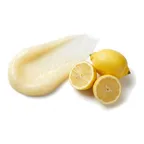 Citric acid |
Works well | Use them together, applying the citric acid first, because they balance each other to keep skin comfortable. PCA and citric acid |
 Hexapeptide-9 |
Works well | Use them together in your daily routine, applying PCA first to hydrate and prep your skin for the hexapeptide-9. PCA and hexapeptide-9 |
 Copper peptide |
Works well | Use them together in the same routine, applying the copper peptide first and the PCA right after to boost hydration and support skin firmness. PCA and copper peptide |
 Matrixyl 3000 |
Works well | Use them together in the same routine, applying the amino acid and natural moisturizing factor first followed by the peptide serum. PCA and matrixyl 3000 |
 Palmitoyl pentapeptide-4 |
Works well | Use them together in the same routine, applying the peptide product first followed by the PCA moisturizer. PCA and palmitoyl pentapeptide-4 |
 Peptide 9 |
Works well | Use them together in the same routine, because they team up to hydrate and repair your skin. PCA and peptide 9 |
 Sh-Polypeptide-1 |
Works well | Use them together in the same routine, applying the peptide product first and the PCA moisture product right after. PCA and sh-polypeptide-1 |
From the ingredient rules behind the "Works well with" and "Don't mix with" notes on every product in the Lovi app.
Questions and answers
What does PCA do for the skin?
PCA helps improve the condition of dry skin and regains moisture in the skin. It acts as a natural moisturizing factor component to support skin hydration.
International Journal of Cosmetic Science, 1981Journal of Colloid and Interface Science, 2021
How do you use PCA?
PCA helps improve the condition of dry skin when used daily as part of your skincare routine, and it works well with hydrating partners like hyaluronic acid. You can use PCA in the same routine by applying hyaluronic acid first and PCA right after to boost each other's hydrating power.
International Journal of Cosmetic Science, 1981Journal of Colloid and Interface Science, 2021
Should you use PCA in the morning or at night?
PCA helps keep your skin hydrated and may be used in the same routine with various acids and peptides.
Journal of Colloid and Interface Science, 2021International Journal of Cosmetic Science, 1981
Can you use PCA every day?
Yes, you can use PCA every day as part of your routine to help improve the condition of dry skin. PCA works as a natural moisturizing factor that helps keep your skin hydrated and balanced.
International Journal of Cosmetic Science, 1981Journal of Colloid and Interface Science, 2021
Does PCA cause purging or irritation?
PCA is unlikely to cause purging or irritation because it is a natural moisturizing factor that helps keep skin hydrated and comfortable.
Which skin types is PCA best for?
PCA helps dry, oily, combination, sensitive, acne-prone, and mature skin, with top product fits including Face Reality Moisture Balance Toner and 111SKIN Hyaluronic Acid Aqua Booster earning Superior fit ratings for specific skin types.
Journal of Colloid and Interface Science, 2021International Journal of Cosmetic Science, 1981
Can you use PCA with glycolic acid?
Yes, you can use PCA with glycolic acid by applying glycolic acid first and PCA second, because they work as a team to keep skin hydrated and balanced.
Research on PCA
Behind this ingredient guide
Lovi checks every ingredient with brand-independent rules our dermatologists and cosmetic chemists build and review, and personalizes every pick with AI trained on the real results of millions of users. Lovi trains its fit score models on a proprietary dataset built from more than 10,000 expert-labeled products and more than 100,000 simulated examples, following an internally consistent methodology presented at Cosmoprof, AMWC, and Skin of Color Update.
-

Co-founder, Medical Director
Cosmetic chemist, cosmetologist, aesthetic products developer
-

Co-founder, CEO and CTO
PhD in computer science, 3x US patent holder, ex-Google, ex-Yandex
-

Dr. Sofía Perea Pérez, MD, MSc
Medical Board
Aesthetic medicine practitioner, MSc in Longevity and Anti-Aging Medicine
-

Medical Board
Specialist dermatologist, MBBS, MD, IFAAD
-

Medical Board
Cosmetic chemist, SCS, IFSCC member
-

Medical Board, Medical Advisor
Dermatology MD
-

Elina Nazarenko, MD
Medical Board
Dermatology and diagnostic consultant
-

Victoria Derkova, MS
Medical Board
Cosmetic chemist, cosmetic development technologist
How does it fit your skin?
Scan your face, then any product: Lovi shows how well it fits you and what fits even better.


