
Citric acid
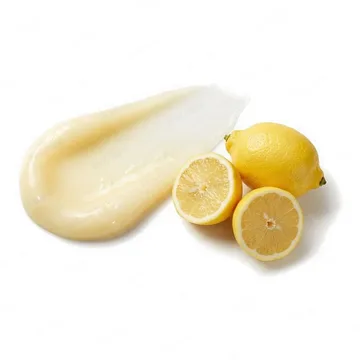
Citric acid gently protects cells from damage, visibly thickens and plumps sun-damaged skin, fades dark marks, and balances skin oiliness. It suits dry skin and oily skin best, and it comes in cleansers and toners. It fits smoothly into a routine when used with glycerin, green tea, and polyhydroxy acid, while it should be kept apart from adapalene, benzoyl peroxide, and retinol.
Biomolecules, 2021Dermatologic Surgery, 1997Journal of Cosmetic Dermatology, 2021
This page shows citric acid products with a Lovi page. For every product, and a routine built for your skin, use the Lovi app.
Popular citric acid products
-
The Ordinary
Salicylic Acid 2% Solution
 ₹557.00
- Dr. Bronner's Pure-Castile Liquid Soap (Baby Unscented)
- Thayers Hydrating Milky Toner
-
Seven Minerals
Organic Aloe Vera Gel
₹3,389.35
- SkinCeuticals Blemish + Age Defense
- Naturie Hatomugi Skin Conditioner
-
E45
Cream
₹2,781.00
- NATURIUM BHA Liquid Exfoliant 2%


Citric acid toners
- Thayers Hydrating Milky Toner
- Naturie Hatomugi Skin Conditioner
- Heritage Store Rosewater Toner
- Lancôme Tonique Douceur
- Neutrogena Blackhead Eliminating Cleansing Toner
- Neutrogena Clear & Soothe Toning Mist
- Neutrogena Soothing Clear Turmeric Mist


What reviewers say about popular citric acid products
The highlight reviewers mention most for each popular citric acid product on Lovi.
The Ordinary Salicylic Acid 2% Solution Great price ★3.6 · 2.5k+ reviews
- Improves texture
- Foaming texture
- “can't beat the price”
Thayers Hydrating Milky Toner Great value ★4.4 · 400+ reviews
SkinCeuticals Blemish + Age Defense Clears stubborn acne ★4.6 · 1.9k+ reviews
- Improves skin texture
- Reduces excess oil
- “cystic acne shrinking”
Naturie Hatomugi Skin Conditioner Lightweight hydration ★4.3 · 10.0k+ reviews
- Soothing and calming
- Insufficient moisture
- “feels like water”
E45 Cream Soothes dry skin ★4.7 · 500+ reviews
NATURIUM BHA Liquid Exfoliant 2% Improves texture and acne ★4.6 · 700+ reviews
- Gentle and non-drying
- Great value
- “cleared my blackheads in a week”
Citric acid cleansers
- Dr. Sam's Flawless Cleanser
-
Kiehl's
Calendula Deep Cleansing Foaming Face Wash
₹2,990.00
-
Neutrogena
Hydro Boost Micellar Water
₹897.00
- Caudalie Vinoclean Instant Foaming Cleanser
- Geek & Gorgeous Jelly Joker
- Bioderma Sensibio H2O Eye
-
Eucerin
DermoPurifyer Cleansing Gel
 ₹891.00


Other citric acid products
-
The Ordinary
Salicylic Acid 2% Solution
₹557.00
- NATURIUM BHA Liquid Exfoliant 2%
-
Garnier SkinActive
Blackhead Eliminating Scrub
₹1,600.00
- Takami Skin Peel
- Dr. Bronner's Pure-Castile Liquid Soap (Baby Unscented)
- Eucerin pH5 Lotion
-
Seven Minerals
Organic Aloe Vera Gel
₹3,389.35
-
E45
Cream
₹2,781.00
- Senallis Hyaluronic Acid Serum
- SkinCeuticals Blemish + Age Defense
-
NIVEA
DERMA SKIN CLEAR
₹383.00
- Neora Advanced SIG-1273 Concentrated Serum


Citric acid for dry skin
- Geek & Gorgeous Jelly Joker
- Heritage Store Rosewater Toner
- Thayers Hydrating Milky Toner
- Neutrogena Clear & Soothe Toning Mist
- Dr. Sam's Flawless Cleanser
- Senallis Hyaluronic Acid Serum
- Neutrogena Soothing Clear Turmeric Mist
- Eucerin pH5 Lotion
-
E45
Cream
₹2,781.00
-
Kiehl's
Calendula Deep Cleansing Foaming Face Wash
₹2,990.00
- Lancôme Tonique Douceur
-
The Ordinary
Salicylic Acid 2% Solution
₹557.00


Citric acid for oily skin
- SkinCeuticals Blemish + Age Defense
- Neutrogena Soothing Clear Turmeric Mist
- NATURIUM BHA Liquid Exfoliant 2%
-
Kiehl's
Calendula Deep Cleansing Foaming Face Wash
₹2,990.00
- Geek & Gorgeous Jelly Joker
- Neutrogena Clear & Soothe Toning Mist
-
Eucerin
DermoPurifyer Cleansing Gel
₹891.00
- Thayers Hydrating Milky Toner
- Heritage Store Rosewater Toner
-
NIVEA
DERMA SKIN CLEAR
₹383.00
- Lancôme Tonique Douceur
- Takami Skin Peel


Citric acid for combination skin
- Neutrogena Soothing Clear Turmeric Mist
- Thayers Hydrating Milky Toner
- SkinCeuticals Blemish + Age Defense
- Geek & Gorgeous Jelly Joker
- Neutrogena Clear & Soothe Toning Mist
-
Kiehl's
Calendula Deep Cleansing Foaming Face Wash
₹2,990.00
- NATURIUM BHA Liquid Exfoliant 2%
- Heritage Store Rosewater Toner
- Takami Skin Peel
- Lancôme Tonique Douceur
- Dr. Sam's Flawless Cleanser
-
NIVEA
DERMA SKIN CLEAR
₹383.00


Citric acid for sensitive skin
- Neutrogena Clear & Soothe Toning Mist
- Neutrogena Soothing Clear Turmeric Mist
- Geek & Gorgeous Jelly Joker
- Thayers Hydrating Milky Toner
- Lancôme Tonique Douceur
- Naturie Hatomugi Skin Conditioner
- Dr. Sam's Flawless Cleanser
- Heritage Store Rosewater Toner
- Senallis Hyaluronic Acid Serum
-
Kiehl's
Calendula Deep Cleansing Foaming Face Wash
₹2,990.00
- NATURIUM BHA Liquid Exfoliant 2%
-
Seven Minerals
Organic Aloe Vera Gel
₹3,389.35


What to combine citric acid with
| Ingredient | Together | How to use them |
|---|---|---|
 Glycerin |
Works well | Use them together in the same routine, applying the exfoliating acid first followed by the hydrating glycerin. Citric acid and glycerin |
 Green tea |
Works well | Use them in the same routine by applying green tea after citric acid, because antioxidants help protect freshly exfoliated skin. Citric acid and green tea |
 Polyhydroxy acid |
Works well | Use them together by applying the polyhydroxy acid first to soothe the skin before the citric acid, because they gently exfoliate without stinging. Citric acid and polyhydroxy acid |
 Urea |
Works well | Use them together, with the citric acid first, to keep your skin deeply hydrated and balanced. Citric acid and urea |
 Ferulic acid |
Works well | Use them in the same routine by applying ferulic acid after citric acid, because antioxidants help protect skin right after exfoliation. Citric acid and ferulic acid |
 Vitamin E |
Works well | Use them in the same routine by applying vitamin E after citric acid, because antioxidants help protect skin right after exfoliation. Citric acid and vitamin E |
 Linoleic acid |
Works well | Use them together by applying the acid first and the lipid oil right after, because the oil soothes the skin. Citric acid and linoleic acid |
 Panthenol |
Works well | Use them in the same routine by applying panthenol after citric acid, because panthenol helps calm any irritation caused by the acid. Citric acid and panthenol |
 Amino acid |
Works well | Use them together by applying citric acid first and amino acids after, because they help keep skin balanced and hydrated. Citric acid and amino acid |
 Gluconic acid |
Works well | Use them together to get gentle exfoliation and extra moisture, applying the citric acid first and the gluconic acid right after. Citric acid and gluconic acid |
 Arginine |
Works well | Use them together in the same routine, applying the acid first and the amino acid second to keep skin balanced. Citric acid and arginine |
 Fatty acid |
Works well | Use them together by applying the citric acid first and the fatty acid cream right after, because the cream helps soothe and rebuild your skin barrier. Citric acid and fatty acid |
 Lactobionic acid |
Works well | Use them together by applying citric acid first and lactobionic acid second, because lactobionic acid calms irritation and adds soothing moisture. Citric acid and lactobionic acid |
 Cholesterol |
Works well | Use them together in the same routine, applying the exfoliating acid first followed by the rich lipid cream. Citric acid and cholesterol |
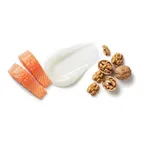 Omega-3 fatty acid |
Works well | Use them together by applying the citric acid first and the omega-3 fatty acid right after to rebuild your skin barrier and restore moisture. Citric acid and omega-3 fatty acid |
 Betaine |
Works well | Use them together by applying citric acid first and then betaine, because the hydrating ingredient helps calm the exfoliant. Citric acid and betaine |
 Omega fatty acid |
Works well | Use them together by applying the omega fatty acid after the citric acid, because the fatty acid helps rebuild your skin after the exfoliation. Citric acid and omega fatty acid |
 Tromethamine |
Works well | Use them together by applying tromethamine after citric acid, to keep your routine balanced and comfortable. Citric acid and tromethamine |
 Allantoin |
Works well | Use them together by applying citric acid first and allantoin right after to calm the skin. Citric acid and allantoin |
 Bisabolol |
Works well | Use them together by applying bisabolol after citric acid, because bisabolol calms the irritation caused by the acid. Citric acid and bisabolol |
 Lauric acid |
Works well | Use citric acid and lauric acid together by applying the citric acid first and the lauric acid right after to lock in moisture. Citric acid and lauric acid |
 PCA |
Works well | Use them together, applying the citric acid first, because they balance each other to keep skin comfortable. Citric acid and PCA |
 Ceramide |
Depends | Use them at different times of day, applying the citric acid first and the ceramides second, because they work best when separated. Citric acid and ceramide |
 Niacinamide |
Depends | Apply them at different times of day, using the acid first and niacinamide later, because mixing them can cause redness and irritation. Citric acid and niacinamide |
 Hyaluronic acid |
Depends | Apply citric acid first, wait ten to fifteen minutes, and then apply hyaluronic acid because acids can disrupt the hydrating film. Citric acid and hyaluronic acid |
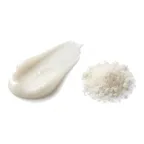 Adapalene |
Keep apart | Use them on alternate nights because combining them can cause skin irritation. Citric acid and adapalene |
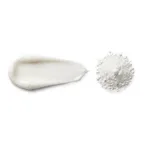 Benzoyl peroxide |
Keep apart | Use citric acid and benzoyl peroxide apart: in different sessions of the same day or on different days. Citric acid and benzoyl peroxide |
 Retinol |
Keep apart | Use them on alternate nights, because mixing them can dry and irritate your skin. Citric acid and retinol |
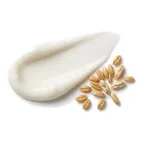 Azelaic acid |
Keep apart | Use citric acid and azelaic acid apart: in different sessions of the same day or on different days. Citric acid and azelaic acid |
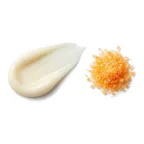 Tretinoin |
Keep apart | Use them on alternate nights because they both increase cell turnover and can cause irritation when layered together. Citric acid and tretinoin |
 Retinoid |
Keep apart | Use them on alternate nights because they are both too strong to use together. Citric acid and retinoid |
 Retinoid blend |
Keep apart | Use them on alternate nights because they both speed up skin renewal and can easily cause redness or irritation when combined. Citric acid and retinoid blend |
 Salicylic acid |
Keep apart | Use salicylic acid and citric acid on alternate nights to prevent skin irritation. Citric acid and salicylic acid |
 Retinal |
Keep apart | Use them on alternate nights because they both speed up skin renewal and can easily cause irritation. Citric acid and retinal |
 Carnosine |
Keep apart | Use citric acid and carnosine apart: in different sessions of the same day or on different days. Citric acid and carnosine |
 Acetyl hexapeptide-8 |
Keep apart | Use citric acid and acetyl hexapeptide-8 apart: in different sessions of the same day or on different days. Citric acid and acetyl hexapeptide-8 |
 Granactive retinoid |
Keep apart | Use granactive retinoid and citric acid on alternate nights to prevent skin irritation. Citric acid and granactive retinoid |
 Peptide |
Keep apart | Use them at different times of day, applying the acid first and the peptides later, because the acid ruins the peptide results. Citric acid and peptide |
 Tripeptide |
Keep apart | Use them at different times of day, applying the acid first and the peptide later, because mixing them together ruins the active benefits. Citric acid and tripeptide |
 Glutathione |
Keep apart | Use them at different times of day, applying citric acid first and glutathione later, because the strong acid breaks down the antioxidant. Citric acid and glutathione |
 Acetyl Hexapeptide-9 |
Keep apart | Use them at different times of day, applying the acid first and the peptide later, because the acid ruins the peptide. Citric acid and acetyl hexapeptide-9 |
 Hexapeptide-9 |
Keep apart | Use citric acid and hexapeptide-9 apart: in different sessions of the same day or on different days. Citric acid and hexapeptide-9 |
 Copper peptide |
Keep apart | Use citric acid and copper peptide apart: in different sessions of the same day or on different days. Citric acid and copper peptide |
 Matrixyl 3000 |
Keep apart | Use citric acid and matrixyl 3000 apart: in different sessions of the same day or on different days. Citric acid and matrixyl 3000 |
 Palmitoyl pentapeptide-4 |
Keep apart | Use citric acid and palmitoyl pentapeptide-4 apart: in different sessions of the same day or on different days. Citric acid and palmitoyl pentapeptide-4 |
 Peptide 9 |
Keep apart | Use citric acid and peptide 9 apart: in different sessions of the same day or on different days. Citric acid and peptide 9 |
 Sh-Polypeptide-1 |
Keep apart | Use them at different times of day, applying the acid first and the peptide later, because the acid ruins the peptide. Citric acid and sh-polypeptide-1 |
From the ingredient rules behind the "Works well with" and "Don't mix with" notes on every product in the Lovi app.
Questions and answers
What does citric acid do for the skin?
Citric acid helps exfoliate the skin and may increase viable epidermal thickness and glycosaminoglycan content in sun-damaged skin. Daily treatment with a serum containing citric acid may also help reduce post-inflammatory hyperchromia and decrease skin oiliness.
Dermatologic Surgery, 1997Journal of Cosmetic Dermatology, 2021
How do you use citric acid?
Should you use citric acid in the morning or at night?
You may use citric acid in the morning or at night depending on your routine, but you must keep it separate from ingredients like benzoyl peroxide or retinoids by using them at different times of day or on alternate nights to prevent skin irritation.
Can you use citric acid every day?
Yes, you can use citric acid every day, as daily treatment with a facial serum containing it helps reduce post-inflammatory hyperchromia and controls oily skin.
Does citric acid cause purging or irritation?
Yes, citric acid may cause skin irritation, so it is best to use it carefully and keep it away from strong actives like retinoids that can dry and irritate your skin.
Which skin types is citric acid best for?
Citric acid is well suited for dry, oily, combination, sensitive, acne-prone, and mature skin types. For dry or sensitive skin, Lovi finds that products like Heritage Store Rosewater Toner and Geek & Gorgeous Jelly Joker are superior fits.
Can you use citric acid with glycerin?
Yes, you can use citric acid and glycerin together in the same routine. Apply the exfoliating acid first followed by the hydrating glycerin to help them work well together.
Can you use citric acid with adapalene?
You should keep citric acid and adapalene apart by using them on alternate nights because combining them can cause skin irritation.
Research on citric acid
Behind this ingredient guide
Lovi checks every ingredient with brand-independent rules our dermatologists and cosmetic chemists build and review, and personalizes every pick with AI trained on the real results of millions of users. Lovi trains its fit score models on a proprietary dataset built from more than 10,000 expert-labeled products and more than 100,000 simulated examples, following an internally consistent methodology presented at Cosmoprof, AMWC, and Skin of Color Update.
-

Co-founder, Medical Director
Cosmetic chemist, cosmetologist, aesthetic products developer
-

Co-founder, CEO and CTO
PhD in computer science, 3x US patent holder, ex-Google, ex-Yandex
-

Dr. Sofía Perea Pérez, MD, MSc
Medical Board
Aesthetic medicine practitioner, MSc in Longevity and Anti-Aging Medicine
-

Medical Board
Specialist dermatologist, MBBS, MD, IFAAD
-

Medical Board
Cosmetic chemist, SCS, IFSCC member
-

Medical Board, Medical Advisor
Dermatology MD
-

Elina Nazarenko, MD
Medical Board
Dermatology and diagnostic consultant
-

Victoria Derkova, MS
Medical Board
Cosmetic chemist, cosmetic development technologist
How does it fit your skin?
Scan your face, then any product: Lovi shows how well it fits you and what fits even better.


