
Perricone MD Cold Plasma Plus+ for oily acne-prone skin

 Ascorbic Acid Ester
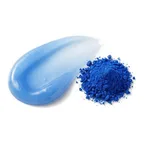 Copper Tripeptide
 Acetyl Hexapeptide-8
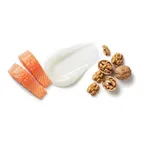 Omega 3
 Glycolic Acid
Average
- AverageOily Skin Fit
- AverageEffectiveness
- HighSafety
Works for oily acne-prone skin; other serums fit it better.
- Clinical, Cosmetic and Investigational Dermatology, 2019
- Clinical, Cosmetic and Investigational Dermatology, 2017
This fit is calculated for the concerns frequently associated with oily acne-prone skin: shine, breakouts, blemishes, and enlarged pores. For scores and recommendations based on your full skin profile, including your 12D face scan results and any goals or preferences you have, please use the Lovi app.
Updated How the Fit score works
Lovi Assistant explains
- Offers moderate suitability for your oily skin due to the presence of Glycolic Acid for mild exfoliation, but lacks sufficient seboregulating ingredients for optimal oil control.
- The formula provides general skincare benefits like hydration and soothing from Glycerin and Sodium Hyaluronate, which are supportive for acne-prone and oily skin, but it does not contain targeted ingredients for significant acne or oil control.
- The product is safe for your oily skin with no risks of irritation due to the absence of prohibited or harsh ingredients.
How to apply
- Could be used as part of your PM routine. Start 3 times a week and build up to daily use if your skin tolerates it well.
- Apply your serum after cleansing and toning, but before putting on your moisturizer.
- Gently press 2 to 3 drops of the serum into your skin and let it absorb for a minute.
- Apply the serum on clean, dry skin to help manage your blemishes safely.
- Do a patch test before your first use and avoid the delicate eye area.
People Say
★4.2Overall rating based on 1.5k+ reviewsBased on a very large amount of data, users frequently praise this serum for its ability to dramatically smooth rough texture and minimize the appearance of pores, often delivering visible results within a few weeks. While many report firmer, more radiant skin and improved tone, a significant number of reviewers struggle with its distinct scent and high price point.
Highlights
Unpleasant scent Mostly Mentioned
- “smells like fish”
- “scent is off-putting”
- “earthy and funky smell”
- “hard to get past the smell”
Improves skin texture Often Mentioned
- “smooths my skin overnight”
- “minimized my large pores”
- “texture is not grainy anymore”
- “skin feels fantastic”
High price tag Often Mentioned
- “very expensive product”
- “not worth the money”
- “price is steep”
- “waiting for a sale”
Fast absorption Sometimes Noted
- “absorbs pretty quickly”
- “sinks right in”
- “lightweight and not sticky”
- “non-greasy finish”
Increases radiance Sometimes Noted
- “saw more radiance”
- “brightening dark spots”
- “skin looks youthful”
- “helps with dullness”
Reduces fine lines Sometimes Noted
- “softens crow's feet”
- “lines appear diminished”
- “helps with wrinkles”
- “skin looks plumper”
Packaging issues Rarely Noted
- “jar is unsanitary”
- “pump stopped working”
- “hard to get product out”
- “prefer a bottle”
Skin irritation Rarely Noted
- “caused redness and burning”
- “broke me out”
- “too strong for sensitive skin”
- “caused dry patches”
Sources: lovi.care, ulta.com, perriconemd.com, amazon.com, sephora.co.uk, lovelyskin.com, and more
Questions and answers
How well does Cold Plasma Plus+ work for oily acne-prone skin?
Perricone MD Cold Plasma Plus+ works moderately well for oily acne-prone skin because it offers mild exfoliation and hydration, but it lacks targeted ingredients for significant oil and breakout control. Treatments that fit this skin better need ingredients like niacinamide and propolis to balance oil and target acne.
Clinical, Cosmetic and Investigational Dermatology, 2017Clinical, Cosmetic and Investigational Dermatology, 2019
Which ingredients make this treatment a good fit for oily acne-prone skin?
Glycolic Acid helps with mild exfoliation, while Glycerin and Sodium Hyaluronate provide gentle hydration for oily acne-prone skin. Because it lacks enough oil-controlling ingredients, a product of this type needs targeted oil-balancing ingredients like niacinamide and propolis to truly excel for this skin.
Clinical, Cosmetic and Investigational Dermatology, 2017Clinical, Cosmetic and Investigational Dermatology, 2019
What does Ascorbic Acid do for oily acne-prone skin?
Ascorbic acid helps brighten dark spots and may reduce breakouts while protecting oily acne-prone skin from daily environmental damage. It works best when paired with antioxidants and gentle hydrators that keep the skin calm and clear without clogging pores.
What does Copper Tripeptide do for oily acne-prone skin?
Copper Tripeptide helps soothe oily and acne-prone skin while supporting a clear, smooth look. For the best results on this skin type, a product of this type needs calming ingredients and oil-balancing benefits.
Where does this treatment go in a skincare routine for oily acne-prone skin?
This treatment goes in the evening routine, as a step after cleansing and toning and before moisturizing. It works for your oily skin, though an oily skin product of this type needs targeted oil-controlling ingredients for optimal oil management.
Can I use this treatment with niacinamide, and in what order?
You can use this treatment with niacinamide by applying niacinamide first and following with this treatment once it absorbs. This product is unlikely to irritate your oily skin, but it needs ingredients that actively control oil and breakouts for a better fit.
How often should I use this treatment?
This treatment works best applied in the evening as part of your routine. Oily acne-prone skin needs a product of this type that also includes targeted ingredients for significant acne and oil control.
Can this treatment clog pores, cause breakouts or purging for oily acne-prone skin?
This treatment is unlikely to clog pores or cause irritation on oily acne-prone skin, as it has a safe profile with no harsh or prohibited ingredients. However, because it lacks strong oil-controlling ingredients, oily skin types generally need targeted acne-fighting ingredients and oil-balancing components like salicylic acid or niacinamide to truly keep breakouts at bay.
Is this treatment fragrance-free and alcohol-free?
Yes, it has no fragrance and no drying alcohol. Cetearyl alcohol is a fatty alcohol, which soften the skin.
What the research says
Glycolic acid, salicylic acid, gluconolactone, and licochalcone A combined with 0.1% adapalene showed no hindrance compared to adapalene monotherapy and provided benefits in reducing complications in 25 subjects with mild-to-moderate acne vulgaris.
Clinical, Cosmetic and Investigational Dermatology, 2019A single application of a moisturizing fluid containing hyaluronic acid 1%, glycerin 5%, and Centella asiatica stem cells extract significantly increased skin hydration by 29% and reduced transepidermal water loss at 24 hours compared to baseline and an untreated control site in twenty healthy women.
Clinical, Cosmetic and Investigational Dermatology, 2017Hyaluronic acid-based formulations exhibit remarkable anti-wrinkle, anti-aging, and skin rejuvenating effects via soft tissue augmentation, improved skin hydration, and face volume restoration.
International Journal of Biological Macromolecules, 2018Topical application of 5% vitamin C cream significantly improved global clinical scores, increased skin microrelief density, and induced elastic tissue repair in photoaged skin compared to excipient control in healthy female volunteers.
Experimental Dermatology, 2003Topical application of VC-IP cream twice daily for 8 weeks reduces periorbital wrinkles in female subjects compared to a placebo cream.
Journal of Cosmetic Dermatology, 2022Topical treatment with 5% vitamin C and 0.1% madecassoside significantly improved clinical scores for wrinkles, suppleness, firmness, roughness, and skin hydration, along with functional and structural remodeling of the elastic fiber network in 20 female volunteers with photoaged skin after 6 months compared to baseline.
Experimental Dermatology, 2008The combination of Thermus thermophilus and Bacillus subtilis mixed-culture ferment extract and copper tripeptide-1 GHK-Cu reduced inflammatory cytokines, protected skin explants from UV-induced damage, and improved wrinkles and skin barrier conditions compared to individual components or controls.
Skin Research and Technology, 2026Copper tripeptide accelerates the population-doubling times of normal and irradiated fibroblasts and increases the production of basic fibroblast growth factor and vascular endothelial growth factor in irradiated fibroblasts compared to untreated controls.
Archives of Facial Plastic Surgery, 2005Treatment with cross-linked hyaluronic acid-based microneedle patches combined with acetyl hexapeptide-8 or epidermal growth factor significantly improved wrinkles and skin hydration compared to the patch alone in Korean females over 29 days.
Annals of Dermatology, 2019Argireline treatment twice daily for 4 weeks produced a significant anti-wrinkle effect with 48.9% total efficacy and decreased skin roughness in Chinese subjects compared with 0% efficacy and no decrease in roughness in the placebo group.
American Journal of Clinical Dermatology, 2013Acetyl hexapeptide-3 and tripeptide-10 citrulline demonstrated antiwrinkle efficacy and decreased transepidermal water loss in twenty-four healthy volunteers compared to control groups, though synergistic effects between the two peptides remained unclear.
Journal of Cosmetic Dermatology, 2017Topical application of eicosapentaenoic acid (EPA) reduced UV-induced epidermal thickening, collagen decrease, MMP expression, and COX-2 expression in human skin while increasing collagen and elastic fiber expression in aged human skin.
Journal of Lipid Research, 2006Topical n-3 PUFAs docosahexaenoic acid and eicosapentaenoic acid attenuate skin inflammatory responses induced by various stressors and maintain skin health.
International Journal of Cosmetic Science, 2025Topical application of linoleic acid or alpha-linolenic acid lightens ultraviolet-induced skin hyperpigmentation in brownish guinea pigs by suppressing melanin production and enhancing epidermal melanin desquamation.
Archives of Dermatological Research, 1998Serial glycolic acid peels combined with a modified Kligman formula significantly reduced facial PIH severity in Indian patients compared to the modified Kligman formula alone.
Dermatologic Surgery, 2017Short contact therapy with a tretinoin, clindamycin, and glycolic acid gel significantly improved skin tolerability and reduced acne severity scores compared to standard application therapy in patients with mild-to-moderate acne.
Dermatologic Therapy, 2021
Why other serums fit oily acne-prone skin better
Topical UP256 cream containing 0.5% bakuchiol administered twice daily significantly reduced inflammatory lesions and improved acne-related post-inflammatory hyperpigmentation in 13 subjects with mild or moderate facial acne.
Journal of Drugs in Dermatology, 2021Co-delivery of paeonol and madecassoside via nanoemulsions improved transdermal delivery, promoted barrier repair proteins, inhibited inflammatory cytokine secretion in cellular and 3D models, and reduced transepidermal water loss and acne in human facial skin compared to free components.
Molecules, 2023A cream combining propolis, tea tree oil, and Aloe vera reduced erythema scars, acne severity index, and total lesion count better than erythromycin cream in sixty patients with mild to moderate acne vulgaris compared to placebo.
Clinical Pharmacology, 2018
Ingredients
Water, Glycerin, Isopropyl Palmitate, Cetearyl Alcohol, Glyceryl Stearate, Peg-100 Stearate, Butylene Glycol, Phosphatidylcholine, Tetrahexyldecyl Ascorbate, Dimethyl Mea, Acetyl Hexapeptide-8, Palmitoyl Tripeptide-1, Palmitoyl Tetrapeptide-3, Tyrosine, Glycolic Acid, Helianthus Annuus Seed Oil Sunflower Seed Oil, Magnesium Aspartate, Zinc Gluconate, Rosaminus Officinalis Leaf Extract Rosemary Leaf Extract, Copper Gluconate, Sodium Hyaluronate, Retinyl Palmitate, Echium Plantagineum Seed Oil, Hydrolyzed Myrtus Communis Leaf Extract, Copper Tripeptide-1, Dimethicone, Disodium Edta, Carbomer, Ceteareth-20, Cyclopentasiloxane, Caprylyl Glycol, Cyclohexasiloxane, Polysorbate 20, Zea Mays Oil, Phenoxyethanol, Sorbic Acid
Behind this fit score
Lovi calculates every fit score from the full ingredient list with brand-independent rules our dermatologists and cosmetic chemists build and review, and personalizes every pick with AI trained on the real results of millions of users. Lovi trains its fit score models on a proprietary dataset built from more than 10,000 expert-labeled products and more than 100,000 simulated examples, following an internally consistent methodology presented at Cosmoprof, AMWC, and Skin of Color Update.
-

Co-founder, Medical Director
Cosmetic chemist, cosmetologist, aesthetic products developer
-

Co-founder, CEO and CTO
PhD in computer science, 3x US patent holder, ex-Google, ex-Yandex
-

Dr. Sofía Perea Pérez, MD, MSc
Medical Board
Aesthetic medicine practitioner, MSc in Longevity and Anti-Aging Medicine
-

Medical Board
Specialist dermatologist, MBBS, MD, IFAAD
-

Medical Board
Cosmetic chemist, SCS, IFSCC member
-

Medical Board, Medical Advisor
Dermatology MD
-

Elina Nazarenko, MD
Medical Board
Dermatology and diagnostic consultant
-

Victoria Derkova, MS
Medical Board
Cosmetic chemist, cosmetic development technologist


How does it fit your skin?
Scan your face, then any product: Lovi shows how well it fits you and what fits even better.