
Glycolic acid
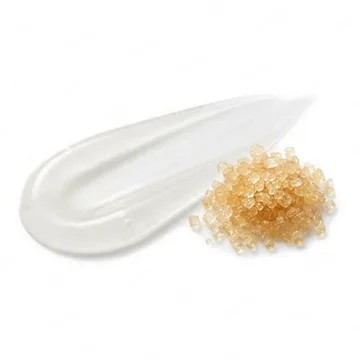
Glycolic acid gently lifts away dull surface layers to visibly brighten uneven pigmentation, smooth rough areas, and calm breakouts. It suits both dry skin and oily skin well, appearing in gentle cleansers, daily exfoliators, targeted serums, and refreshing toners at typical strengths of 7% and 20%. This ingredient fits smoothly into a routine alongside glycerin, green tea, and polyhydroxy acid, while remaining best kept apart from adapalene, benzoyl peroxide, and retinol.
Clinical, Cosmetic and Investigational Dermatology, 2019
This page shows glycolic acid products with a Lovi page. For every product, and a routine built for your skin, use the Lovi app.
Popular glycolic acid products
-
The Ordinary
Glycolic Acid 7% Toning Solution
 ₹900.00
-
RoC
Retinol Correxion Deep Wrinkle Night Cream
₹5,380.00
-
First Aid Beauty
KP Bump Eraser Body Scrub
 ₹1,400.00
-
First Aid Beauty
Facial Radiance Pads
₹2,204.00
-
Murad
Rapid Dark Spot Correcting Serum
₹7,975.00
- Skinbetter Science AlphaRet Overnight Cream
- St. Ives Apricot Scrub
-
COSRX
AHA/BHA Clarifying Treatment Toner
 ₹1,639.00


Glycolic acid exfoliators
- St. Ives Apricot Scrub
- Dr. Dennis Gross Alpha Beta Universal Daily Peel
- Good Molecules Overnight Exfoliating Treatment
- CeraVe Skin Renewing Nightly Exfoliating Treatment
- U Beauty Resurfacing Compound
- Skin Script Glycolic and Retinol Pads
- ZO Skin Health Complexion Renewal Pads
-
Murad
AHA/BHA Exfoliating Cleanser
₹1,785.00
-
Medicube
Red Succinic Acid Peeling Pad
₹2,733.00
- SkinCeuticals Glycolic 10 Renew Overnight
- Dermalogica PowerBright Dark Spot Peel
- La Roche-Posay Effaclar Clarifying Solution


What reviewers say about popular glycolic acid products
The highlight reviewers mention most for each popular glycolic acid product on Lovi.
The Ordinary Glycolic Acid 7% Toning Solution Improves texture & glow ★4.5 · 15.0k+ reviews
- Unbeatable value
- Versatile body application
- “glass skin effect”
RoC Retinol Correxion Deep Wrinkle Night Cream Effective wrinkle reduction ★4.5 · 25.0k+ reviews
- Improves skin texture
- Non-greasy formula
- “wrinkles look less deep”
What people say about Retinol Correxion Deep Wrinkle Night Cream
First Aid Beauty KP Bump Eraser Body Scrub Smoother skin ★4.6 · 3.0k+ reviews
- Effective exfoliation
- Reduces KP/bumps
- “Baby soft finish”
First Aid Beauty Facial Radiance Pads Brightens complexion ★4.6 · 2.1k+ reviews
Murad Rapid Dark Spot Correcting Serum Brightens complexion ★4.6 · 100+ reviews
- Improves texture
- Lightweight formula
- “brighter skin”
Skinbetter Science AlphaRet Overnight Cream High price point ★4.9 · 200+ reviews
- Effective anti-aging
- Improves texture & tone
- “Very expensive”
Glycolic acid toners
-
The Ordinary
Glycolic Acid 7% Toning Solution
₹900.00
-
First Aid Beauty
Facial Radiance Pads
₹2,204.00
-
COSRX
AHA/BHA Clarifying Treatment Toner
₹1,639.00
-
Pixi
Glow Tonic
₹2,850.00
-
Clinique
Clarifying Lotion 2
₹3,150.00
-
Beauty of Joseon
Green Plum Refreshing Toner
₹1,200.00
- Ole Henriksen Glow2OH Dark Spot Toner
- Thayers 2% AHA Toner
-
Proactiv
Revitalizing Toner
₹5,344.00
- SkinCeuticals Conditioning Toner
-
The INKEY List
Glycolic Acid Toner
₹3,860.17
- Troubless Clear Toner Pad


Glycolic acid serums
-
RoC
Retinol Correxion Deep Wrinkle Night Cream
₹5,380.00
-
Murad
Rapid Dark Spot Correcting Serum
₹7,975.00
- Nécessaire The Body Retinol
- SkinCeuticals Blemish + Age Defense
- Curology Dark Spot Serum
- Perricone MD Cold Plasma Plus+
- Avène Cleanance Comedomed
- Murad Vita-C Glycolic Brightening Serum
- Global Beauty Care Vitamin C Facial Serum
- Seoul Ceuticals Ultra Brightening Kojic Acid Serum
- Vichy LiftActiv B3 Serum
- Findley Dark Spot Corrector


Glycolic acid cleansers
- SkinCeuticals LHA Cleanser Gel
-
Jan Marini
Bioglycolic Face Cleanser
₹8,003.00
- SkinCeuticals Gentle Cleanser
-
Neutrogena
Hydro Boost Exfoliating Cleanser
₹3,670.00
- SkinCeuticals Glycolic Renewal Cleanser
- Glow Recipe Blueberry Bounce Gentle Cleanser
-
Dermalogica
Daily Glycolic Cleanser
₹3,500.00
- Glytone Mild Gel Cleanser
- Derma E Anti-Wrinkle Cleanser
- darrow Actine
- m-61 Power Cleanse
- Skinbetter Science Refining Foam Cleanser


Glycolic acid masks
- Hero Cosmetics Mighty Patch Micropoint for Dark Spots
-
Glamglow
Supermud Clearing Treatment
₹7,320.45
-
Glow Recipe
Watermelon Glow Sleeping Mask
₹6,369.00
- Trader Joe's Watermelon Overnight Face Mask
- Peach & Lily Super Reboot Resurfacing Mask
- Dior DreamSkin 1-Minute Mask
- Biossance Squalane + Glycolic Renewal Mask
- RNW Der. Clear AHA BHA PHA Peeling Mask
- RéVive Masque de Brilliance Resurfacing Multi-Acid Mask
- StriVectin Glycolic Skin Reset Mask
-
REN Clean Skincare
Glycol Lactic Radiance Renewal Mask
₹6,281.00
- Indie Lee Clearing Mask


Other glycolic acid products
-
First Aid Beauty
KP Bump Eraser Body Scrub
₹1,400.00
- Alpha Skin Care Renewal Body Lotion
- Topicals High Roller Ingrown Tonic
-
Neostrata
Triple Firming Neck Cream
₹17,999.00
- Verb Ghost Exfoliating Scalp Nectar
- Skinbetter Science AlphaRet Overnight Cream
-
CeraVe
Blemish Control Gel
₹844.00
- Kate Somerville ExfoliKate Glow Moisturizer
- Philosophy Hope In A Jar Smooth-Glow Multi-Tasking Moisturizer
-
Dr. Dennis Gross
Advanced Retinol + Ferulic Triple Correction Eye Serum
₹11,574.41
-
Mario Badescu
Glycolic Eye Cream
₹2,900.00
- Eight Saints All In Eye Cream


Glycolic acid for dry skin
- Riversol Exfoliating Glycolic Peel
- The Nue Co. Skin Filter Serum
- Hero Cosmetics Mighty Patch Micropoint for Dark Spots
- Murad Rapid Resurfacing Peel
- Biossance Squalane + Glycolic Renewal Mask
-
First Aid Beauty
Facial Radiance Pads
₹2,204.00
- Philosophy Hope In A Jar Smooth-Glow Multi-Tasking Moisturizer
- SkinCeuticals Glycolic 10 Renew Overnight
- Curology Dark Spot Serum
- Skinbetter Science AlphaRet Overnight Cream
- Global Beauty Care Glowing Vitamin C Facial Serum
- Dr. Dennis Gross Alpha Beta Universal Daily Peel


What to combine glycolic acid with
| Ingredient | Together | How to use them |
|---|---|---|
 Glycerin |
Works well | Use glycolic acid and glycerin together by applying glycerin right after the acid, because the hydrator calms the skin after exfoliation. Glycolic acid and glycerin |
 Green tea |
Works well | Use them in the same routine by applying green tea after glycolic acid, because antioxidants help protect freshly exfoliated skin. Glycolic acid and green tea |
 Polyhydroxy acid |
Works well | Use them together in the same routine by applying the polyhydroxy acid after the glycolic acid, because they complement each other well. Glycolic acid and polyhydroxy acid |
 Urea |
Works well | Use them together in the same routine, applying the glycolic acid first and the urea right after, to boost hydration and keep skin comfortable. Glycolic acid and urea |
 Ferulic acid |
Works well | Use them in the same routine, applying glycolic acid first and ferulic acid right after, because antioxidants protect freshly exfoliated skin. Glycolic acid and ferulic acid |
 Vitamin E |
Works well | Use glycolic acid first, followed by vitamin E, because antioxidants help protect freshly exfoliated skin from damage. Glycolic acid and vitamin E |
 Linoleic acid |
Works well | Use them together by applying glycolic acid first and linoleic acid right after, because lipids help comfort skin after exfoliation. Glycolic acid and linoleic acid |
 Panthenol |
Works well | Use them together in the same routine by applying glycolic acid first and following with panthenol, because they balance each other out. Glycolic acid and panthenol |
 Amino acid |
Works well | Use them together by applying the amino acid product first, followed by the glycolic acid, because the amino acids keep skin balanced and comfortable. Glycolic acid and amino acid |
 Gluconic acid |
Works well | Use them together in the same routine, applying the glycolic acid first and following with the gluconic acid. Glycolic acid and gluconic acid |
 Arginine |
Works well | Use them together in the same routine, applying the glycolic acid first and the arginine right after to keep skin comfortable. Glycolic acid and arginine |
 Fatty acid |
Works well | Use them together by applying the fatty acid right after the glycolic acid, because the fatty acid helps restore the skin barrier. Glycolic acid and fatty acid |
 Lactobionic acid |
Works well | Use them together in your evening routine, applying glycolic acid first and lactobionic acid second, for gentle exfoliation and soothing care. Glycolic acid and lactobionic acid |
 Cholesterol |
Works well | Use them together by applying glycolic acid first and cholesterol right after, as cholesterol helps soothe skin after exfoliation. Glycolic acid and cholesterol |
 Omega-3 fatty acid |
Works well | Use them together by applying glycolic acid first and omega-3 fatty acid after, because lipids help rebuild skin after exfoliation. Glycolic acid and omega-3 fatty acid |
 Betaine |
Works well | Apply glycolic acid first and betaine right after to keep skin calm and hydrated. Glycolic acid and betaine |
 Omega fatty acid |
Works well | Use them together by applying the glycolic acid first, because the fatty acids help rebuild your skin after the exfoliation. Glycolic acid and omega fatty acid |
 Tromethamine |
Works well | Use them together in the same routine by applying tromethamine first and glycolic acid second to keep the skin comfortable. Glycolic acid and tromethamine |
 Allantoin |
Works well | Use them together by applying glycolic acid first and allantoin right after, because allantoin helps calm any redness from the acid. Glycolic acid and allantoin |
 Bisabolol |
Works well | Use them together by applying glycolic acid first and bisabolol right after, because soothing bisabolol calms acid-induced redness. Glycolic acid and bisabolol |
 Lauric acid |
Works well | Use glycolic acid and lauric acid at different times of day, applying glycolic acid first, because they work best when layered separately. Glycolic acid and lauric acid |
 PCA |
Works well | Use them together by applying glycolic acid first and PCA second, because they work as a team to keep skin hydrated and balanced. Glycolic acid and PCA |
 Ceramide |
Depends | Apply glycolic acid first, wait until it absorbs, and then apply your ceramide cream so the acid smooths while the ceramides soothe. Glycolic acid and ceramide |
 Niacinamide |
Depends | Use glycolic acid and niacinamide apart: in different sessions of the same day or on different days. Glycolic acid and niacinamide |
 Hyaluronic acid |
Depends | Apply glycolic acid first, wait ten to fifteen minutes, and then apply hyaluronic acid because strong acids can break down hyaluronic acid. Glycolic acid and hyaluronic acid |
 Adapalene |
Keep apart | Use them on alternate nights, with glycolic acid on one evening and adapalene the next, because combining them causes skin irritation. Glycolic acid and adapalene |
 Benzoyl peroxide |
Keep apart | Use them on alternate nights, applying glycolic acid first, because mixing them in the same routine causes severe skin irritation. Glycolic acid and benzoyl peroxide |
 Retinol |
Keep apart | Use them on alternate nights to avoid skin irritation from layering strong ingredients. Glycolic acid and retinol |
 Azelaic acid |
Keep apart | Use them on alternate nights, applying glycolic acid first and azelaic acid next, because combining them causes too much irritation. Glycolic acid and azelaic acid |
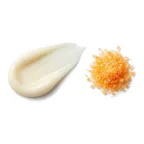 Tretinoin |
Keep apart | Use them on alternate nights because they are both strong and can irritate your skin if used together. Glycolic acid and tretinoin |
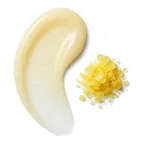 Retinoid |
Keep apart | Use them on alternate nights because they are both strong and too harsh to put on your face at the same time. Glycolic acid and retinoid |
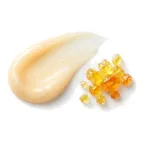 Retinoid blend |
Keep apart | Use them on alternate nights because combining them in the same routine causes skin irritation. Glycolic acid and retinoid blend |
 Salicylic acid |
Keep apart | Use them on alternate nights to avoid double exfoliation and protect your skin. Glycolic acid and salicylic acid |
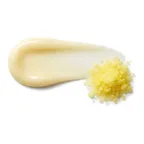 Retinal |
Keep apart | Use them on alternate nights because they are both strong and can irritate your skin when mixed. Glycolic acid and retinal |
 Carnosine |
Keep apart | Use glycolic acid and carnosine apart: in different sessions of the same day or on different days. Glycolic acid and carnosine |
 Acetyl hexapeptide-8 |
Keep apart | Use glycolic acid and acetyl hexapeptide-8 apart: in different sessions of the same day or on different days. Glycolic acid and acetyl hexapeptide-8 |
 Granactive retinoid |
Keep apart | Use glycolic acid and granactive retinoid on alternate nights to prevent skin irritation. Glycolic acid and granactive retinoid |
 Peptide |
Keep apart | Use glycolic acid and peptide apart: in different sessions of the same day or on different days. Glycolic acid and peptide |
 Tripeptide |
Keep apart | Use glycolic acid and tripeptide apart: in different sessions of the same day or on different days. Glycolic acid and tripeptide |
 Glutathione |
Keep apart | Use glycolic acid and glutathione apart: in different sessions of the same day or on different days. Glycolic acid and glutathione |
 Acetyl Hexapeptide-9 |
Keep apart | Use glycolic acid and acetyl hexapeptide-9 apart: in different sessions of the same day or on different days. Glycolic acid and acetyl hexapeptide-9 |
 Hexapeptide-9 |
Keep apart | Use them at different times of day with the acid first, because the acid breaks down the peptide and stops it from working. Glycolic acid and hexapeptide-9 |
 Copper peptide |
Keep apart | Use them at different times of day with the acid first, because the acid cancels out the peptide. Glycolic acid and copper peptide |
 Matrixyl 3000 |
Keep apart | Use glycolic acid and matrixyl 3000 apart: in different sessions of the same day or on different days. Glycolic acid and matrixyl 3000 |
 Palmitoyl pentapeptide-4 |
Keep apart | Use glycolic acid and palmitoyl pentapeptide-4 apart: in different sessions of the same day or on different days. Glycolic acid and palmitoyl pentapeptide-4 |
 Peptide 9 |
Keep apart | Use them at different times of day with the peptide product first, because the acid is too strong for the peptide. Glycolic acid and peptide 9 |
 Sh-Polypeptide-1 |
Keep apart | Use glycolic acid and Sh-Polypeptide-1 apart: in different sessions of the same day or on different days. Glycolic acid and sh-polypeptide-1 |
From the ingredient rules behind the "Works well with" and "Don't mix with" notes on every product in the Lovi app.
Questions and answers
How do you use glycolic acid?
Should you use glycolic acid in the morning or at night?
Glycolic acid is typically used at night, though certain routines may call for daytime application depending on the specific ingredients you pair it with.
Can you use glycolic acid every day?
You can use glycolic acid regularly, but frequency depends on your skin tolerance. Lovi gives this ingredient an average fit for daily routines depending on the product strength.
Does glycolic acid cause purging or irritation?
Yes, glycolic acid may cause skin irritation because it is a strong exfoliant. To avoid irritation, keep it separate from other strong ingredients like retinol by using them on alternate nights.
Which skin types is glycolic acid best for?
Lovi shows that glycolic acid is a High fit for dry skin and dry sensitive skin, and a Superior fit for oily, combination, sensitive, and acne-prone skin, as well as mature skin and skin with dark spots.
Can you use glycolic acid with glycerin?
Yes, you can use glycolic acid with glycerin by applying glycerin right after the acid, because the hydrator calms the skin after exfoliation.
Can you use glycolic acid with adapalene?
You should use glycolic acid and adapalene on alternate nights, with glycolic acid on one evening and adapalene the next, because combining them causes skin irritation.
Research on glycolic acid
Behind this ingredient guide
Lovi checks every ingredient with brand-independent rules our dermatologists and cosmetic chemists build and review, and personalizes every pick with AI trained on the real results of millions of users. Lovi trains its fit score models on a proprietary dataset built from more than 10,000 expert-labeled products and more than 100,000 simulated examples, following an internally consistent methodology presented at Cosmoprof, AMWC, and Skin of Color Update.
-

Co-founder, Medical Director
Cosmetic chemist, cosmetologist, aesthetic products developer
-

Co-founder, CEO and CTO
PhD in computer science, 3x US patent holder, ex-Google, ex-Yandex
-

Dr. Sofía Perea Pérez, MD, MSc
Medical Board
Aesthetic medicine practitioner, MSc in Longevity and Anti-Aging Medicine
-

Medical Board
Specialist dermatologist, MBBS, MD, IFAAD
-

Medical Board
Cosmetic chemist, SCS, IFSCC member
-

Medical Board, Medical Advisor
Dermatology MD
-

Elina Nazarenko, MD
Medical Board
Dermatology and diagnostic consultant
-

Victoria Derkova, MS
Medical Board
Cosmetic chemist, cosmetic development technologist
How does it fit your skin?
Scan your face, then any product: Lovi shows how well it fits you and what fits even better.


