
JUICE TO CLEANSE Vinegar Kombucha Vegan Essence for oily acne-prone skin

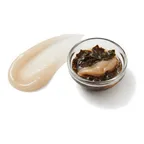 Saccharomyces Xylinum Black Tea
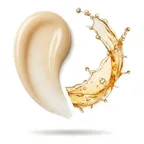 Vinegar
 Niacinamide
 Sodium Hyaluronate
 Aloe Barbadensis Leaf Juice
High
- HighOily Skin Fit
- HighEffectiveness
- ExcellentSafety
A great choice for oily acne-prone skin; a few products fit it even better.
This fit is calculated for the concerns frequently associated with oily acne-prone skin: shine, breakouts, blemishes, and enlarged pores. For scores and recommendations based on your full skin profile, including your 12D face scan results and any goals or preferences you have, please use the Lovi app.
Updated How the Fit score works
Lovi Assistant explains
- Highly suitable for your oily skin as niacinamide and capryloyl salicylic acid work to control oil production and gently exfoliate pores, addressing your concerns with acne and breakouts. Lactobionic acid and citric acid further enhance exfoliation, promoting clearer skin.
- The inclusion of Aloe Barbadensis Leaf Juice and Biosaccharide Gum-1 provides soothing and hydrating benefits, complementing the active ingredients for comfortable wear.
- This formula is safe for your skin, with no risk of irritation due to the absence of harsh ingredients and the presence of calming components.
How to apply
- Use this exfoliant as part of your PM routine once a week to start, increasing frequency only if your skin tolerates it well.
- Apply the exfoliant after cleansing and toning, but before your final moisturizer step.
- Gently press 2-3 drops of the exfoliant into your skin and let it absorb for a minute.
- Apply the product directly onto clean, dry skin for the best results against breakouts.
- Avoid the sensitive eye area and always use a daily SPF since exfoliating makes skin more sensitive to the sun.
People Say
★4.8Overall rating based on 100+ reviewsBased on limited data, this vegan essence is highly rated for its ability to deeply hydrate and gently exfoliate, leaving skin smoother and brighter with a desirable glow. Users appreciate its lightweight, non-sticky texture that layers well. Some users find the fermented vinegar scent polarizing, and a few mention the price is high and availability can be an issue. There is also a low frequency of reports regarding potential irritation from the exfoliating acids.
Highlights
Deep hydration Mostly Mentioned
- “coats like a moisture layer”
- “absorbs right into my skin”
- “deeply moisturizes and hydrates”
- “revitalizing morning walk”
Gentle exfoliation Often Mentioned
- “smooths out any uneven texture”
- “skin felt softer the day after”
- “gently eats away dead skin cells”
- “mild peeling effect”
Non-sticky texture Often Mentioned
- “lightweight, watery texture”
- “absorbs fast”
- “not sticky”
- “layers well with other products”
Brightening and glow Sometimes Noted
- “brighten your complexion”
- “gives a healthy glow”
- “skin does feel brighter”
- “glass-like skin”
Availability issues Sometimes Noted
- “temporarily out of stock”
- “hard to find”
- “only found it on YesStyle”
Scent is polarizing Sometimes Noted
- “spicy ginger or herbal scent”
- “vinegar fragrance overpowering”
- “scent is pleasant”
- “unappealing to sensitive noses”
Potential irritation Rarely Noted
- “avoid over-exfoliating”
- “use only twice a week”
- “might irritate sensitive skin types”
Price is high Rarely Noted
- “bit pricey for an indie brand”
- “expensive for the size”
- “price worth paying [only] after experiencing effectiveness”
Sources: lovi.care, asianbeautywholesale.com, yesstyle.com, hwahae.co.kr, skinsort.com, youtube.com, and more
Questions and answers
What makes JUICE TO CLEANSE Vinegar Kombucha Vegan Essence a great fit for oily acne-prone skin?
This product is a great fit because ingredients like niacinamide and capryloyl salicylic acid help control oil production and gently clear pores to manage breakouts. Lactobionic acid and citric acid further support clearer skin, while aloe juice and other soothing components help keep your skin comfortable and calm without irritation.
Clinical Pharmacology, 2018Journal of Cosmetic Dermatology, 2019
Which ingredients make this exfoliant a good fit for oily acne-prone skin?
Niacinamide and capryloyl salicylic acid make this exfoliant a great fit because they help control oil production and gently clear out pores, while lactobionic and citric acids further exfoliate for clearer skin. Additional soothing ingredients like aloe leaf juice help keep your skin comfortable and calm.
Journal of Cosmetic Dermatology, 2019Journal of Drugs in Dermatology, 2013
What does Saccharomyces Xylinum do for oily acne-prone skin?
Saccharomyces Xylinum, known as kombucha, helps oily and acne-prone skin by improving hydration and balancing skin pH while providing antioxidant benefits. This type of skin needs ingredients that support cell vitality and fight skin stress without adding heavy oils.
Where does this exfoliant go in a skincare routine for oily acne-prone skin?
This exfoliant treatment goes in your evening routine, applied after your cleanser and before your moisturizer. Lovi routines suggest starting exfoliating products once a week, and you may carefully use them more often if your skin tolerates them well and shows good results.
Can I use this exfoliant with retinol, and in what order?
You can use this exfoliant and retinol in the same routine, but it is best to apply them on alternate nights to avoid irritation. Using both strong actives at once may be too harsh for your skin, so alternating them helps keep your skin calm and clear.
How often should I use this exfoliant?
Start by using this exfoliant once a week in your evening routine, and if your skin tolerates it well and shows good results, you can carefully use it more often. This gentle approach helps clear pores and control oil while keeping your skin comfortable and calm.
Can this exfoliant clog pores, cause breakouts or purging for oily acne-prone skin?
This exfoliant is a great fit and is unlikely to clog pores or cause irritation on oily acne-prone skin because it uses gentle acids and soothing ingredients like aloe to clear pores and control oil without harsh side effects.
Journal of Cosmetic Dermatology, 2019Journal of Drugs in Dermatology, 2013
What the research says
A novel composition containing salicylic acid, capryloyl salicylic acid, HEPES, glycolic acid, citric acid, and dioic acid showed similar tolerance and efficacy compared with clindamycin 1% and benzoyl peroxide 5% gel in subjects with acne vulgaris.
Journal of Drugs in Dermatology, 2013Daily treatment with a facial serum containing multiple acids reduced post-inflammatory hyperchromia lesion grade and number by 29.4% at 56 days, and decreased skin oiliness by 30.7% at 7 days in Brazilian patients with acne vulgaris.
Journal of Cosmetic Dermatology, 2021A cream combining propolis, tea tree oil, and Aloe vera reduced erythema scars, acne severity index, and total lesion count better than erythromycin cream in sixty patients with mild to moderate acne vulgaris compared to placebo.
Clinical Pharmacology, 2018Small extracellular vesicles derived from Aloe vera peels exhibited antioxidant activity, reduced intracellular ROS levels, enhanced human skin cell migration, and upregulated antioxidant-related gene expression in H2O2-treated human keratinocytes.
Tissue Engineering and Regenerative Medicine, 2021An emulsion containing 10% lactobionic acid significantly reduces human skin surface pH without causing skin irritation or barrier impairment.
Journal of Cosmetic Dermatology, 2019Kombucha Yerba Mate ferments after 14 and 21 days of fermentation showed about a 40% inhibition of lipoxygenase, collagenase, and elastase enzymes, long-lasting skin hydration, and increased cell viability on keratinocyte and fibroblast cell lines compared to unfermented extracts.
Scientific Reports, 2021Fermentation of Cucurbita pepo L. peel and pulp extracts using Lactobacillus strains and kombucha yields multifunctional cosmetic ingredients with antioxidant, cytoprotective, anti-aging, and anti-inflammatory properties.
Molecules, 2025Fermentation of grape stems extract using a Scoby consortium for 10 and 20 days increases phenolic content and antioxidant activity, and when added to model cosmetic creams, improves skin hydration and reduces transepidermal water loss.
International Journal of Cosmetic Science, 2023Gel formulations based on orange and sweet basil essential oils combined with acetic acid achieved up to 75% clearance of acne lesions in 28 volunteer patients with good stability and minimal, transient side effects.
Biomedica, 2012A topically applied 0.1% solution of N-(3,4-dihydroxybenzyl)-2-(4-hydroxy-3-methoxyphenyl)acetic acid amide significantly inhibits UVA-induced sebum peroxidation in human skin by 39% compared to no treatment.
International Journal of Cosmetic Science, 2001Vinegar completely inhibited cubozoan cnidae firing, while alcohols potently stimulated massive discharge and urine, freshwater, and cola induced moderate discharge, with the strongest inhibition of both firing and venom-induced hemolysis achieved using proprietary formulations containing copper gluconate, magnesium sulfate, and urea.
Toxins, 2016Topical nicotinamide prevented solar-simulated UV-induced immunosuppression in healthy volunteers, and men experienced immunosuppression at solar-simulated UV doses three times lower than those required for women.
The Journal of Investigative Dermatology, 2008Topical 5% niacinamide applied twice daily for 12 weeks reduced fine lines and wrinkles, hyperpigmented spots, red blotchiness, and skin sallowness, and improved skin elasticity compared to vehicle control in 50 female white subjects with facial photoaging.
Dermatologic Surgery, 2005Topical 2% niacinamide significantly decreased sebum excretion rate in Japanese individuals and casual sebum levels in Caucasian individuals compared to placebo or baseline.
Journal of Cosmetic and Laser Therapy, 2006Topical application of 0.1% hyaluronic acid formulations of different molecular weights led to significant improvements in skin hydration and elasticity, with low-molecular-weight formulations also significantly reducing wrinkle depth in seventy-six female subjects compared to a vehicle control.
Journal of Drugs in Dermatology, 2011Topical hyaluronic acid serum used twice daily by 40 females with facial photoaging produced an immediate 134% increase in skin hydration, a sustained 55% increase at week 6, and significant improvements in smoothness, plumping, fine lines, wrinkles, and global appearance without causing irritation.
Dermatology and Therapy, 2021A topical antioxidant serum significantly reduced air pollution-induced skin pigmentation and proinflammatory gene expression ex vivo, and improved skin aging signs in 40 healthy adult females after 90 days of daily use.
Journal of Cosmetic Dermatology, 2022Formulations containing 0.10%, 0.25%, and 0.50% freeze-dried Aloe vera extract increased stratum corneum water content compared with the vehicle in 20 female subjects, while transepidermal water loss was not modified.
Skin Research and Technology, 2006Kombucha-mediated fermentation of aloe vera gel for 10 and 20 days enhanced its phenolic and flavonoid content, antioxidant capacity, cytoprotective effects, enzyme inhibition against collagenase, elastase, and hyaluronidase, and moisturizing properties compared to unfermented gel.
Molecules, 2025Aloe vera gel phenolic and polysaccharide extracts demonstrated distinct wound-healing properties in vitro, with the phenolic extract exhibiting anti-inflammatory, antioxidant, and fibroblast-stimulating effects, and the polysaccharide extract showing enhanced collagen synthesis and antibacterial activity against Staphylococcus aureus.
Journal of Functional Biomaterials, 2024
Ingredients
Saccharomyces Xylinum Black Tea Ferment, Dipropylene Glycol, Propanediol, 1,2-Hexanediol, Niacinamide, Butylene Glycol, Sodium Citrate, Hydroxyacetophenone, Water, Glycereth-25 Pca Isostearate, Lactobionic Acid, Citric Acid, Carbomer, Ethylhexylglycerin, Adenosine, Tromethamine, Pyrus Malus Fruit Extract, Vinegar, Theobroma Cacao Seed Extract, Disodium Edta, Citrus Aurantium Dulcis Peel Oil, Sodium Hyaluronate, Hydrolyzed Hyaluronic Acid, Dextrin, Rosmarinus Officinalis Oil Leaf Rosemary Oil Leaf, Lavandula Angustifolia Oil Lavender Oil, Melaleuca Alternifolia Tree Oil Leaf, Pelargonium Graveolens Oil Flower, Biosaccharide Gum-1, Arginine, Alanine, Histidine, Leucine, Methionine, Tyrosine, Aloe Barbadensis Leaf Juice, Brassica Oleracea Capitata Leaf Extract, Brassica Oleracea Botrytis Extract Cauliflower Extract, Coconut Fruit Juice, Pyrus Communis Fruit Extract, Capryloyl Salicylic Acid, Ectoin, Limonene, Linalool
Behind this fit score
Lovi calculates every fit score from the full ingredient list with brand-independent rules our dermatologists and cosmetic chemists build and review, and personalizes every pick with AI trained on the real results of millions of users. Lovi trains its fit score models on a proprietary dataset built from more than 10,000 expert-labeled products and more than 100,000 simulated examples, following an internally consistent methodology presented at Cosmoprof, AMWC, and Skin of Color Update.
-

Co-founder, Medical Director
Cosmetic chemist, cosmetologist, aesthetic products developer
-

Co-founder, CEO and CTO
PhD in computer science, 3x US patent holder, ex-Google, ex-Yandex
-

Dr. Sofía Perea Pérez, MD, MSc
Medical Board
Aesthetic medicine practitioner, MSc in Longevity and Anti-Aging Medicine
-

Medical Board
Specialist dermatologist, MBBS, MD, IFAAD
-

Medical Board
Cosmetic chemist, SCS, IFSCC member
-

Medical Board, Medical Advisor
Dermatology MD
-

Elina Nazarenko, MD
Medical Board
Dermatology and diagnostic consultant
-

Victoria Derkova, MS
Medical Board
Cosmetic chemist, cosmetic development technologist


How does it fit your skin?
Scan your face, then any product: Lovi shows how well it fits you and what fits even better.