
m-61 Power Cleanse for oily acne-prone skin

 Glycolic Acid
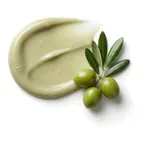 Oil Tree
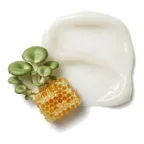 Vitamin B5
 Glycerin
 Camellia Sinensis Leaf Extract
High
- SuperiorOily Skin Fit
- HighEffectiveness
- ExcellentSafety
A great choice for oily acne-prone skin; a few cleansers fit it even better.
This fit is calculated for the concerns frequently associated with oily acne-prone skin: shine, breakouts, blemishes, and enlarged pores. For scores and recommendations based on your full skin profile, including your 12D face scan results and any goals or preferences you have, please use the Lovi app.
Updated How the Fit score works
Lovi Assistant explains
- Offers excellent suitability for your oily skin and acne-prone skin, as glycolic acid and Melaleuca Alternifolia Tree Oil Leaf provide effective pore decongestion and antimicrobial action to manage oiliness and breakouts.
- The high concentrations of glycolic acid and phytic acid ensure moderate exfoliation, helping to address blemishes and breakouts.
- The formula is safe for your skin, with no risks of irritation due to the absence of harsh ingredients and the inclusion of soothing agents like Camellia Sinensis Leaf Extract.
How to apply
- Use this cleanser as part of your AM and PM routine. Start using it daily to help clear your breakouts.
- Apply this cleanser as the first step in the morning and right after your pre-cleanser in the evening. Follow it with your toner and moisturizer.
- Gently massage a small amount of the cleanser onto your face using circular motions. Rinse thoroughly with lukewarm water and pat dry.
- Apply the cleanser on slightly damp skin to help clean deeply and remove excess oil. This works best for oily skin types.
- Avoid the sensitive eye area during application. Do a patch test before your first use.
People Say
★4.6Overall rating based on 200+ reviewsThis pore-refining cleanser is highly regarded for its deep-cleaning capabilities, effectively addressing breakouts and improving skin texture without causing excessive dryness. While generally gentle, a small number of users with sensitive skin have reported mild irritation. Some users also noted a preference for a different scent or consistency.
Highlights
Deeply cleans pores Mostly Mentioned
- “Effectively purifies pores”
- “Keeps pores clean”
- “Deep clean and refresh”
Improves skin clarity Often Mentioned
- “Helps clear breakouts”
- “Improved complexion”
- “Skin looks radiant”
Non-drying formula Often Mentioned
- “Clean without stripping”
- “Leaves skin fresh”
- “Not over drying”
Effective exfoliation Sometimes Noted
- “Removes dead cells”
- “Smoother skin texture”
- “Exfoliates and smooths”
Scent feedback Sometimes Noted
- “Smells horrible”
- “Tea tree smell”
- “Mixed feedback on scent”
Skin irritation Rarely Noted
- “Made face itchy”
- “Caused redness”
- “Irritation potential”
Watery consistency Rarely Noted
- “Change in consistency”
- “Described as watery”
- “Too thin”
Sources: lovi.care, bluemercury.com, macys.com, youtube.com, whatsinmyjar.com, and more
Questions and answers
What makes m-61 Power Cleanse a great fit for oily acne-prone skin?
This cleanser is a great fit because glycolic acid and oil tree help clear out clogged pores and keep breakouts under control. It also gently removes dead skin cells to handle blemishes while soothing agents keep your skin calm and safe from irritation.
Indian Journal of Dermatology, Venereology and Leprology, 2007Journal of Cutaneous and Aesthetic Surgery, 2019
Which ingredients make this cleanser a good fit for oily acne-prone skin?
Glycolic acid and oil tree make this cleanser a great fit because they help clear out clogged pores and keep breakouts under control on oily skin. Phytic acid also gently removes dead skin cells to address blemishes, while green tea extract helps soothe the skin.
Indian Journal of Dermatology, Venereology and Leprology, 2007Journal of Cutaneous and Aesthetic Surgery, 2019
Where does this cleanser go in a skincare routine for oily acne-prone skin?
This cleanser goes in your morning and evening routine as the first cleansing step to help clear pores and manage breakouts. It safely cleans your skin without irritation by using soothing ingredients along with exfoliating acids.
Indian Journal of Dermatology, Venereology and Leprology, 2007Journal of Cutaneous and Aesthetic Surgery, 2019
Can I use this cleanser with retinol, and in what order?
Use this cleanser and retinol apart: in different sessions of the same day or on different days. Because this cleanser exfoliates your skin, using them together may cause irritation.
How often should I use this cleanser?
You can use this cleanser daily in both your morning and evening routines to help manage oiliness and breakouts. Glycolic acid and tea tree oil provide effective pore decongestion, while soothing ingredients like green tea extract keep the formula safe and unlikely to cause irritation.
Indian Journal of Dermatology, Venereology and Leprology, 2007
Can this cleanser clog pores, cause breakouts or purging for oily acne-prone skin?
This cleanser is a great fit for your oily, acne-prone skin because glycolic acid and tea tree oil clear out pores and help manage breakouts. It is unlikely to cause irritation or worsen breakouts since it uses soothing ingredients like green tea extract.
Indian Journal of Dermatology, Venereology and Leprology, 2007Journal of Cutaneous and Aesthetic Surgery, 2019
Can I use this cleanser around the eyes or on my body?
This cleanser is safe for your body, but you should avoid using it directly around your eyes. The formula contains active exfoliating ingredients that may irritate the thin skin in the eye area.
Is this cleanser fragrance-free and alcohol-free?
Yes, it has no fragrance and no drying alcohol.
What the research says
Topical 5% tea tree oil gel significantly improved total acne lesions and acne severity index compared to placebo in 60 patients with mild to moderate acne vulgaris, showing 3.55 times and 5.75 times greater efficacy respectively.
Indian Journal of Dermatology, Venereology and Leprology, 2007A cream combining propolis, tea tree oil, and Aloe vera reduced erythema scars, acne severity index, and total lesion count better than erythromycin cream in sixty patients with mild to moderate acne vulgaris compared to placebo.
Clinical Pharmacology, 2018Tea tree oil nanoemulsion containing adapalene gel demonstrated significantly greater reductions in total, inflammatory, and non-inflammatory acne lesions as well as acne severity index compared to adapalene marketed gel in 100 patients with acne vulgaris over 12 weeks.
Archives of Dermatological Research, 2022Chemical peels using 35% glycolic acid, 20% salicylic-10% mandelic acid, and phytic acid reduce acne scores by 70.55%, 74.14%, and 69.7% respectively, and significantly decline the postacne hyperpigmentation index in Asian patients with mild to moderate acne.
Journal of Cutaneous and Aesthetic Surgery, 2019An anti-acne hydrogel containing Aloe barbadensis, Garcinia mangostana, and Camellia sinensis extracts showed superior antiacne and antiblotch activities compared to 1% clindamycin gel in sixty subjects with mild-moderate acne.
Clinical, Cosmetic and Investigational Dermatology, 2019Serial glycolic acid peels combined with a modified Kligman formula significantly reduced facial PIH severity in Indian patients compared to the modified Kligman formula alone.
Dermatologic Surgery, 2017Short contact therapy with a tretinoin, clindamycin, and glycolic acid gel significantly improved skin tolerability and reduced acne severity scores compared to standard application therapy in patients with mild-to-moderate acne.
Dermatologic Therapy, 2021The incorporation of olive oil-loaded hydrogel particles into a cream formulation provides strong moisturizing properties and photoprotective potential when applied to healthy subjects.
Pharmaceutical Development and Technology, 2018Wild Olive Oil, Extra Virgin Olive Oil, and Virgin Olive Oil compared against liquid paraffin and rosehip oil showed that wild olive oil yielded the lowest perception of oiliness and the highest increase in skin elasticity among eight healthy volunteers.
Pharmaceutics, 2022Topical dexpanthenol formulated in lipophilic vehicles improved stratum corneum hydration and reduced transepidermal water loss compared to vehicle control in humans.
Arzneimittel-Forschung, 2000A combination serum containing galactomyces ferment filtrate, dexpanthenol, and Centella asiatica effectively treated post-acne hyperpigmentation in subjects with colored skin by significantly increasing lightness scores in Fitzpatrick skin type V and reducing the melanin index in Fitzpatrick skin type IV compared to placebo.
Skinmed, 2021Topical dexpanthenol acts as a moisturizer, improves stratum corneum hydration, accelerates wound healing and epidermal regeneration, reduces erythema, and improves symptoms of skin irritation compared to vehicle or no pretreatment.
American Journal of Clinical Dermatology, 2002A single application of a moisturizing fluid containing hyaluronic acid 1%, glycerin 5%, and Centella asiatica stem cells extract significantly increased skin hydration by 29% and reduced transepidermal water loss at 24 hours compared to baseline and an untreated control site in twenty healthy women.
Clinical, Cosmetic and Investigational Dermatology, 2017The emollient V0034CR significantly reduced TEWL compared to vehicle and vehicle plus glycerol, and significantly increased corneometry scores compared to vehicle and vehicle plus petrolatum in healthy volunteers with dry skin, demonstrating combined barrier function improvement from petrolatum and hydration improvement from glycerol.
Journal of Cosmetic Dermatology, 2020Ten days of treatment with a cream containing 20% glycerin significantly increased skin hydration measured by corneometer values in 17 healthy volunteers compared to a placebo cream, but showed no influence on transepidermal water loss or skin sensitivity to an irritating surfactant.
International Journal of Cosmetic Science, 2001Topically formulated tea polyphenols show some benefit in reducing sebum secretion and treating acne vulgaris compared to baseline or control.
Antioxidants, 2016Topical application of tannase-converted green tea extract (TGE) significantly improved skin wrinkle indices and self-assessed wrinkle reduction compared to normal green tea extract (NGE) in human subjects over 8 weeks.
Journal of Cosmetic Dermatology, 2013Topical green tea and green tea plus lotus multiple emulsions reduced casual sebum secretions compared to placebo in healthy adults, with the combined treatment producing significantly greater reductions than green tea alone over a 60-day period.
Hippokratia, 2013
Ingredients
Water, Cocamidopropyl Betaine, Glycolic Acid, Polysorbate 20, Cocamidopropylamine Oxide, Ethoxydiglycol, Polyquaternium-10, Melaleuca Alternifolia Tree Oil Leaf, Phytic Acid, Camellia Sinensis Leaf Extract, Panthenol, Glycerin, Disodium Edta, Sodium Benzoate, Potassium Sorbate
Behind this fit score
Lovi calculates every fit score from the full ingredient list with brand-independent rules our dermatologists and cosmetic chemists build and review, and personalizes every pick with AI trained on the real results of millions of users. Lovi trains its fit score models on a proprietary dataset built from more than 10,000 expert-labeled products and more than 100,000 simulated examples, following an internally consistent methodology presented at Cosmoprof, AMWC, and Skin of Color Update.
-

Co-founder, Medical Director
Cosmetic chemist, cosmetologist, aesthetic products developer
-

Co-founder, CEO and CTO
PhD in computer science, 3x US patent holder, ex-Google, ex-Yandex
-

Dr. Sofía Perea Pérez, MD, MSc
Medical Board
Aesthetic medicine practitioner, MSc in Longevity and Anti-Aging Medicine
-

Medical Board
Specialist dermatologist, MBBS, MD, IFAAD
-

Medical Board
Cosmetic chemist, SCS, IFSCC member
-

Medical Board, Medical Advisor
Dermatology MD
-

Elina Nazarenko, MD
Medical Board
Dermatology and diagnostic consultant
-

Victoria Derkova, MS
Medical Board
Cosmetic chemist, cosmetic development technologist


How does it fit your skin?
Scan your face, then any product: Lovi shows how well it fits you and what fits even better.