Versed Skin Soak Rich Moisture Cream for oily acne-prone skin

 Squalane
 Hydrolyzed Hyaluronic Acid
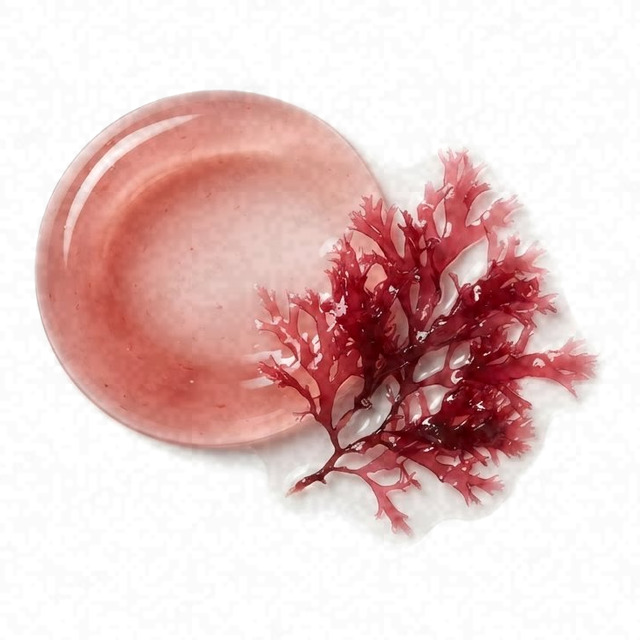 Red Algae Extract
 Glycerin
 Tocopheryl Acetate Vitamin E
High
- AverageOily Skin Fit
- AverageEffectiveness
- ExcellentSafety
A great choice for oily acne-prone skin; a few moisturizers fit it even better.
This fit is calculated for the concerns frequently associated with oily acne-prone skin: shine, breakouts, blemishes, and enlarged pores. For scores and recommendations based on your full skin profile, including your 12D face scan results and any goals or preferences you have, please use the Lovi app.
Page built Nov 8, 2026How the Fit score works
Lovi Assistant explains
- Offers excellent moisturizing for your oily skin due to glycerin and hydrolyzed hyaluronic acid, which hydrate and plump effectively, though it lacks targeted ingredients for your acne and oiliness.
- Palmaria palmata extract provides some antioxidant benefits, supporting overall skin health without directly addressing your primary concerns.
- The formula is safe for your oily skin, as it contains soothing ingredients like glycerin and squalane and avoids harsh or prohibited substances.
How to apply
- Use this AM and PM routine every day to help clear your skin. Always remember to finish with SPF in the morning.
- Apply the moisturizer after your cleanser and toner, right before your SPF during the day.
- Gently press a small amount into your skin and avoid rubbing to keep pores clear.
- Apply on clean, slightly damp skin to help the product absorb better and control oil.
- Avoid the sensitive eye area and do a simple patch test before your first use.
People Say
★4.5Overall rating based on 1000+ reviewsThis moisturizer is widely praised for its ability to provide deep hydration without feeling heavy, making it a favorite for users with dry, combination, and sensitive skin. While most users report a soft, non-greasy finish, a minority experienced breakouts or found the formula insufficiently rich for extremely dry conditions.
Highlights
Lightweight hydration Mostly Mentioned
- “rich but lightweight”
- “doesn't feel heavy”
- “soaks in right away”
- “perfect balance”
Non-greasy absorption Often Mentioned
- “absorbs quickly”
- “no greasy residue”
- “layers nicely under makeup”
- “non-sticky”
Softens and smoothes Often Mentioned
- “skin feels soft”
- “leaves face smooth”
- “calms redness”
- “plumps the skin”
Gentle on sensitive Sometimes Noted
- “no irritation”
- “great for sensitive skin”
- “calming”
- “didn't sting”
Caused breakouts Rarely Noted
- “caused breakouts”
- “clogged my pores”
- “triggered acne”
- “bumps appeared”
Greasy or shiny Rarely Noted
- “too shiny for day”
- “t-zone got oily”
- “left a film”
- “looked greasy”
Not moisturizing enough Rarely Noted
- “skin felt tight”
- “need a richer formula”
- “not enough for winter”
- “dried out quickly”
Sources: lovi.care, target.com, walmart.com, cultbeauty.co.uk, lookfantastic.com, influenster.com, and more
Questions and answers
What makes Skin Soak Rich Moisture Cream a great fit for oily acne-prone skin?
This moisturizer is a great fit because ingredients like glycerin and hydrolyzed hyaluronic acid provide wonderful hydration for your oily skin while squalane helps keep it soft and calm. The formula is completely safe for your skin type and avoids harsh substances.
Which ingredients make this cream a good fit for oily acne-prone skin?
Glycerin, hydrolyzed hyaluronic acid, and squalane make this cream a great fit for your oily skin because they hydrate and keep the formula safe and soothing. Glycerin and hyaluronic acid help boost hydration significantly and support the skin barrier.
What does Squalane do for oily acne-prone skin?
Squalane may help keep oily skin soft and smooth, but oxidized squalene can trigger inflammation in acne-prone skin. Because of this, oily acne-prone skin needs lightweight, non-greasy ingredients that balance moisture without clogging pores.
What does Hydrolyzed Hyaluronic Acid do for oily acne-prone skin?
Hydrolyzed Hyaluronic Acid helps hydrate oily acne-prone skin without clogging pores, keeping it soft and smooth. It is generally well tolerated and unlikely to cause irritation when used daily.
Archives of Dermatological Research, 2024Colloids and Surfaces. B, Biointerfaces, 2022
Where does this cream go in a skincare routine for oily acne-prone skin?
This cream is used after your cleanser and hydrating toner in the morning, and after your treatment at night. It provides great hydration for your skin while keeping it safe and calm, though it does not target acne or oiliness directly.
Can I use this cream with retinol, and in what order?
You can use this cream with your retinol, and you should apply it after your retinol treatment to help soothe your skin and keep it comfortable. Using a moisturizer alongside your treatment is very safe and helps prevent unwanted dryness and irritation without making your acne treatments less effective.
How often should I use this cream?
You can use this moisturizer twice a day as part of your morning and evening routine to keep your skin hydrated. Regular daily application is unlikely to cause irritation and helps support a healthy skin barrier.
Health Science Reports, 2021Clinical, Cosmetic and Investigational Dermatology, 2017
Can this cream clog pores, cause breakouts or purging for oily acne-prone skin?
This cream is unlikely to clog pores or cause breakouts for oily acne-prone skin, as it has a very safe formula with soothing ingredients like glycerin and squalane. Reviewers rarely complain about breakouts, and the formula avoids harsh or prohibited substances that usually trigger irritation.
Can I use this cream around the eyes or on my body?
You can safely use this moisturizer around the eyes and on the body because its gentle formula provides excellent hydration for delicate skin. Regular application helps keep skin soft and smooth while maintaining a safe profile for thin areas.
Is this cream fragrance-free and alcohol-free?
Yes, it has no fragrance and no drying alcohol. Cetyl alcohol is a fatty alcohol, which soften the skin.
What the research says
A single application of a moisturizing fluid containing hyaluronic acid 1%, glycerin 5%, and Centella asiatica stem cells extract significantly increased skin hydration by 29% and reduced transepidermal water loss at 24 hours compared to baseline and an untreated control site in twenty healthy women.
Clinical, Cosmetic and Investigational Dermatology, 2017Squalane at 0.005-0.015% counteracts UVA-induced oxidative stress, inflammation, and collagen metabolism inhibition while stimulating fibroblast migration in human dermal fibroblasts.
Molecules, 2025Plant-derived squalane protected human dermal fibroblasts against UVA-induced damage by counteracting ROS formation, suppressing apoptosis-related proteins p53, caspase-3, caspase-9, and PARP, and restoring the pro-survival p-Akt/mTOR pathway.
Antioxidants, 2025Topical application of 0.1% hyaluronic acid formulations of different molecular weights led to significant improvements in skin hydration and elasticity, with low-molecular-weight formulations also significantly reducing wrinkle depth in seventy-six female subjects compared to a vehicle control.
Journal of Drugs in Dermatology, 2011Topical application of hyaluronic acid in conjunction with free gingival graft significantly reduced donor site postoperative pain until day 7 compared to normal saline, with no significant differences in graft dimensions or patient satisfaction.
Clinical Oral Investigations, 2022Treatment with a hyaluronic acid-containing mouth rinse or topical gel led to significant lesion reduction, pain relief, and normalization of lesion color in adult patients with minor recurrent aphthous stomatitis, with the gel formulation showing an earlier healing onset at 3 days.
BMC Oral Health, 2019Topical sunscreen formulations containing UV filters, red algae extract, Ginkgo biloba, and vitamins protected hairless mice from UV-induced erythema, reduced transepidermal water loss, and significantly decreased the expression of p53 and caspase-3 compared to untreated controls.
Journal of Photochemistry and Photobiology. B, Biology, 2015Chitosan/polyvinyl alcohol nanofibrous dressings containing 3% Corallina officinalis extract exhibited bead-free morphology, enhanced mechanical strength, strong antibacterial activity against Escherichia coli and Staphylococcus aureus, and excellent biocompatibility for skin cell survival and proliferation.
Journal of Biomaterials Science. Polymer Edition, 2026The emollient V0034CR significantly reduced TEWL compared to vehicle and vehicle plus glycerol, and significantly increased corneometry scores compared to vehicle and vehicle plus petrolatum in healthy volunteers with dry skin, demonstrating combined barrier function improvement from petrolatum and hydration improvement from glycerol.
Journal of Cosmetic Dermatology, 2020Ten days of treatment with a cream containing 20% glycerin significantly increased skin hydration measured by corneometer values in 17 healthy volunteers compared to a placebo cream, but showed no influence on transepidermal water loss or skin sensitivity to an irritating surfactant.
International Journal of Cosmetic Science, 2001Niacinamide/glycerin body moisturizers provided better rapid and prolonged improvement of cosmetic xerosis through functional improvement of stratum corneum barrier function compared to no treatment and conventional moisturizers in female subjects.
Journal of Drugs in Dermatology, 2012Topical application of an antioxidant serum containing 15% ascorbic acid, 0.5% ferulic acid, and 1% tocopherol prevented particulate matter-induced degradation of extracellular matrix components, inflammation, and oxidative stress in the skin of 15 female volunteers compared to untreated controls.
Journal of Cosmetic Dermatology, 2025Dermatological products containing d-alpha tocopheryl acetate showed non-comedogenic potential with less than a 50% increase in microcomedones in 12 healthy male subjects compared to octyl palmitate.
Contemporary Clinical Trials Communications, 2021Topical application of an antioxidant mix containing 15% ascorbic acid, 0.5% ferulic acid, and 1% tocopherol prevented PM and UV-induced skin barrier perturbation, lipid peroxidation, inflammatory markers, MMP9 activation, and Type I collagen loss in 15 healthy females compared to untreated exposed skin.
Journal of Cosmetic Dermatology, 2024
Ingredients
Water, Hydrogenated Polyisobutene, Glycerin, 1,2-Hexanediol, Hydroxyethyl Acrylate Sodium Acryloyldimethyl Taurate Copolymer, Glyceryl Stearate, Peg-100 Stearate, Squalane, Palmaria Palmata Extract, Hydrolyzed Hyaluronic Acid, Sodium Hyaluronate, Tocopheryl Acetate, Phenoxyethanol, Polysorbate 60, Sorbitan Isostearate, Cetyl Alcohol, Trisodium Ethylenediamine Disuccinate
Behind this fit score
Lovi calculates every fit score from the full ingredient list with brand-independent rules our dermatologists and cosmetic chemists build and review, and personalizes every pick with AI trained on the real results of millions of users. Lovi trains its fit score models on a proprietary dataset built from more than 10,000 expert-labeled products and more than 100,000 simulated examples, following an internally consistent methodology presented at Cosmoprof, AMWC, and Skin of Color Update.
-

Co-founder, Medical Director
Cosmetic chemist, cosmetologist, aesthetic products developer
-

Co-founder, CEO and CTO
PhD in computer science, 3x US patent holder, ex-Google, ex-Yandex
-

Dr. Sofía Perea Pérez, MD, MSc
Medical Board
Aesthetic medicine practitioner, MSc in Longevity and Anti-Aging Medicine
-

Medical Board
Specialist dermatologist, MBBS, MD, IFAAD
-

Medical Board
Cosmetic chemist, SCS, IFSCC member
-

Medical Board, Medical Advisor
Dermatology MD
-

Elina Nazarenko, MD
Medical Board
Dermatology and diagnostic consultant
-

Victoria Derkova, MS
Medical Board
Cosmetic chemist, cosmetic development technologist


How does it fit your skin?
Scan your face, then any product: Lovi shows how well it fits you and what fits even better.