Obagi Kinetin+ Hydrating Cream for acne-prone skin

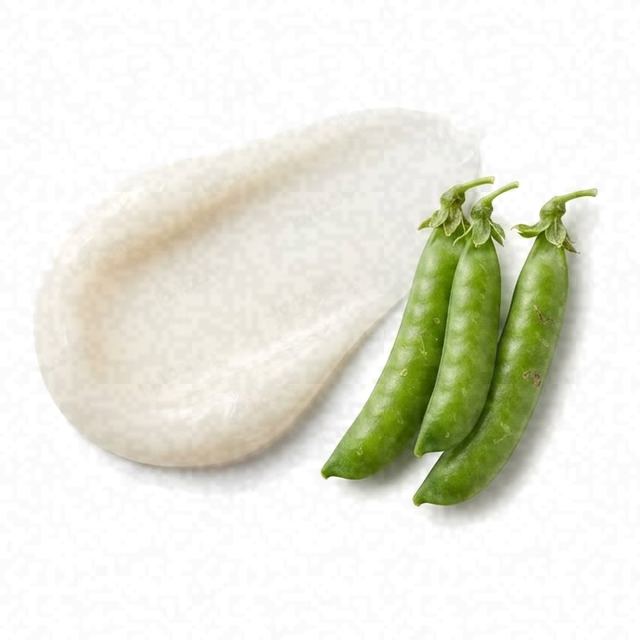 Kinetin
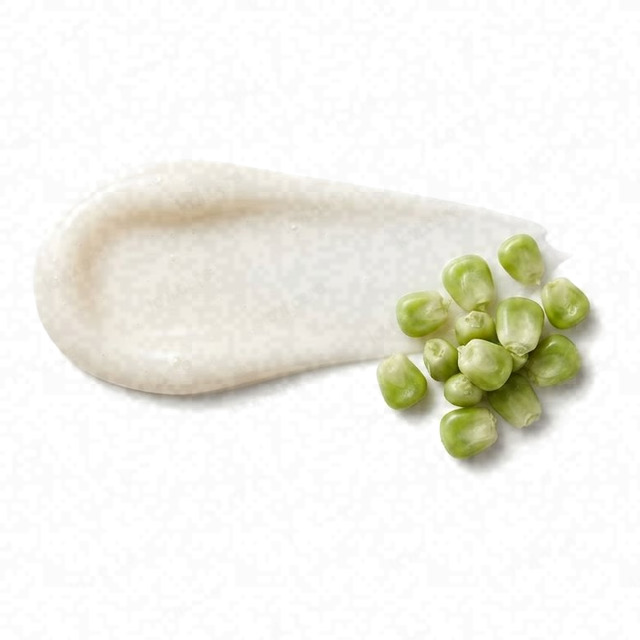 Zeatin
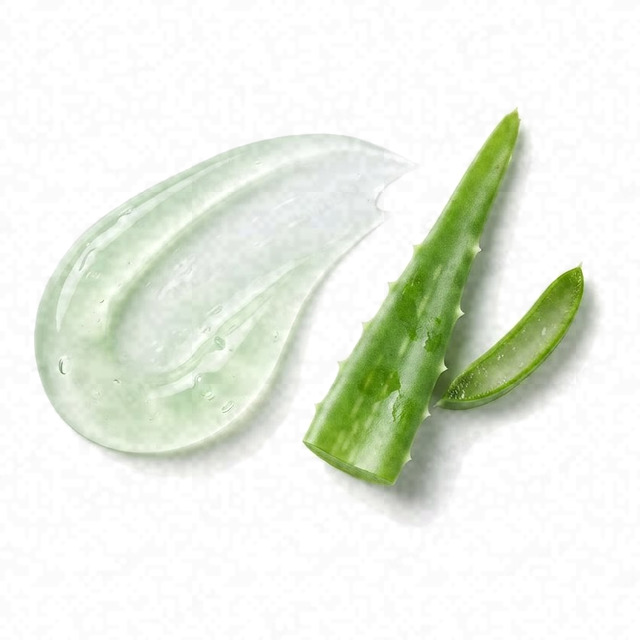 Aloe Barbadensis Leaf Juice
 Ascorbic Acid
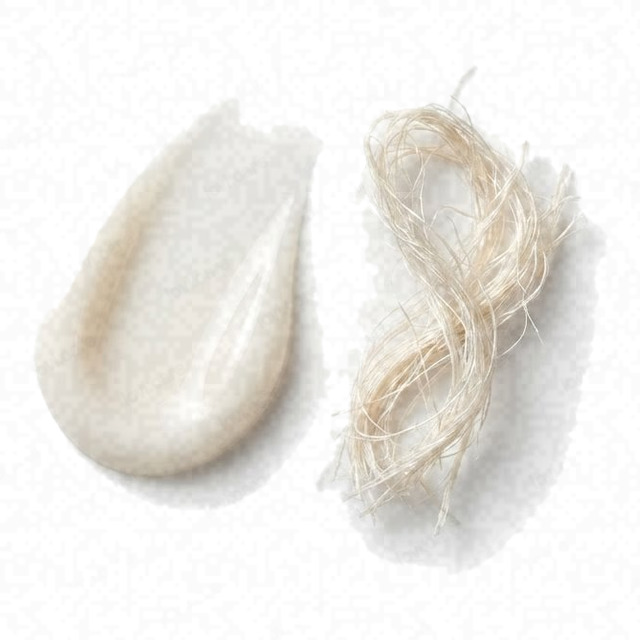 Hydrolyzed Elastin
Average
- AverageCombination Skin Fit
- AverageEffectiveness
- HighSafety
Works for acne-prone skin; other moisturizers fit it better.
This fit is calculated for the concerns frequently associated with acne-prone skin: breakouts, blackheads, and post-acne marks. For scores and recommendations based on your full skin profile, including your 12D face scan results and any goals or preferences you have, please use the Lovi app.
Page built Nov 8, 2026How the Fit score works
Lovi Assistant explains
- Offers moderate moisturizing for your combination skin due to ingredients like panthenol and kinetin, which support hydration and barrier resilience.
- While aloe barbadensis leaf juice provides general skincare benefits, the formula lacks targeted ingredients for your acne, blemishes, and breakouts.
- The product is safe for your combination skin, with no risks of irritation from harsh ingredients.
How to apply
- Use your moisturizer twice a day in your AM and PM routines. Apply it daily to help keep breakouts under control.
- Apply after your cleanser and toner, and make sure to use your SPF right after in the morning.
- Gently spread a small amount of moisturizer over your face using soft motions. Let it absorb into the skin for a minute before getting dressed or applying makeup.
- Apply on slightly damp skin to help lock in extra moisture. This keeps your combination skin balanced without feeling heavy.
- Avoid the eye area and do a patch test before your first use. Stop using if you feel any irritation.
People Say
★4.6Overall rating based on 200+ reviewsWhile many report visible improvements in skin texture and fine lines, some users find the price point too high and have experienced significant frustration with the airless pump packaging.
Highlights
Deep hydration Mostly Mentioned
- “hydrating for super-dry skin”
- “long lasting hydration”
- “leaves skin hydrated”
- “plump and well-hydrated”
Lightweight texture Often Mentioned
- “absorbs instantly”
- “non-greasy feel”
- “velvety texture”
- “light like water”
Soothing & calming Often Mentioned
- “reduces redness”
- “good for sensitive skin”
- “calms irritation”
- “hypoallergenic”
Anti-aging benefits Sometimes Noted
- “skin younger looking”
- “improves fine lines”
- “skin feels radiant”
- “restores youthful look”
Faulty packaging Sometimes Noted
- “pump does not work”
- “bottle design is a scam”
- “wasted product”
- “impossible to open”
High price Sometimes Noted
- “expensive”
- “not worth the money”
- “overrated”
- “pricey for the amount”
Acne/Breakouts Rarely Noted
- “broke out with acne”
- “caused small bumps”
- “not ideal for acne”
- “clogged pores”
Texture dislike Rarely Noted
- “too thick”
- “did not like texture”
- “feels heavy”
Sources: lovi.care, lovelyskin.com, influenster.com, walmart.com, obagi.com, dermstreet.com, and more
Questions and answers
How well does Obagi Kinetin+ Hydrating Cream work for acne-prone skin?
Obagi Kinetin+ Hydrating Cream works moderately well for acne-prone skin, providing basic hydration and barrier support without causing irritation. However, it lacks targeted ingredients for breakouts, so a product of this type needs specific blemish-fighting ingredients and soothing extracts to truly fit acne-prone skin.
Annals of Dermatology, 2017American Journal of Clinical Dermatology, 2002
Which ingredients make this cream a good fit for acne-prone skin?
Panthenol and kinetin make this cream a good fit by helping keep your skin soft and supporting its moisture barrier. Because this formula lacks targeted ingredients for breakouts, a product for acne-prone skin needs ingredients that actively help clear blemishes and soothe irritation while providing gentle hydration.
American Journal of Clinical Dermatology, 2002The Journal of Dermatological Treatment, 2017
What does Kinetin do for acne-prone skin?
Kinetin is not a targeted treatment for acne-prone skin, but it helps improve overall skin texture and moisture. Skin that is prone to breakouts needs a product of this type that is non-greasy and contains soothing ingredients to calm irritation without clogging pores.
Annals of Dermatology, 2017Indian Journal of Dermatology, Venereology and Leprology, 2015
What does Zeatin do for acne-prone skin?
Zeatin is not typically chosen for acne-prone skin, as its main research focuses on helping with UV protection and moisture balance rather than clearing breakouts. Acne-prone skin generally needs ingredients that unclog pores and calm redness to stay smooth and clear.
Where does this cream go in a skincare routine for acne-prone skin?
This cream goes toward the end of your morning routine after your hydrating toner, and as the final step of your evening routine after your treatment. A product for this skin needs targeted blemish-fighting ingredients alongside lightweight hydration to help keep breakouts under control.
Can I use this cream with retinol, and in what order?
You can use this cream alongside retinol, applying it after your retinol treatment to help keep your skin calm and moisturized. Using a gentle moisturizer with your retinoid may reduce dryness and irritation while helping your skin adjust to the treatment.
How often should I use this cream?
You can use this cream twice a day to keep your skin soft and hydrated. Daily application helps maintain moisture and supports skin barrier resilience without causing irritation.
Journal of Cosmetic Dermatology, 2020Health Science Reports, 2021
Can this cream clog pores, cause breakouts or purging for acne-prone skin?
This cream is unlikely to cause harsh irritation on acne-prone skin, but it lacks targeted ingredients to help with breakouts and blemishes. An ideal product for this skin type needs soothing, clarifying ingredients that clear pores while keeping skin soft and balanced.
American Journal of Clinical Dermatology, 2002The Journal of Dermatological Treatment, 2017
Can I use this cream around the eyes or on my body?
You can use this moisturizing treatment around the eyes because the eyelids and surrounding areas are among the thinnest regions of the skin, making them well-suited for gentle hydration. However, using it across the entire body may be impractical and less targeted than a dedicated body lotion.
Surgical and Radiologic Anatomy, 2002American Journal of Clinical Dermatology, 2002
Is this cream fragrance-free and alcohol-free?
Yes, it has no fragrance and no drying alcohol. Cetyl alcohol and stearyl alcohol are fatty alcohols, which soften the skin.
What the research says
Topical dexpanthenol acts as a moisturizer, improves stratum corneum hydration, accelerates wound healing and epidermal regeneration, reduces erythema, and improves symptoms of skin irritation compared to vehicle or no pretreatment.
American Journal of Clinical Dermatology, 2002A new topical panthenol-containing emollient significantly improved transepidermal water loss reduction, stratum corneum hydration, and intercellular lipid lamellae length compared with control in healthy subjects without negatively impacting bacterial viability.
The Journal of Dermatological Treatment, 2017Kinetin treatment increased involucrin and keratin 1 mRNA expression in HaCaT cells and improved skin moisture and transepidermal water loss while decreasing skin texture roughness in subjects using kinetin-containing cream compared to baseline.
Annals of Dermatology, 2017A panthenol-enriched mask significantly decreased erythema and hyperpigmentation, increased sebum and stratum corneum moisture, and reduced transepidermal water loss compared to a saline dressing in 60 subjects undergoing facial laser treatment.
Journal of Cosmetic Dermatology, 2025Topical combination of kinetin and niacinamide exerts synergistic anti-aging effects with significant reductions in spot, pore, wrinkle, and evenness counts, alongside increased hydration and decreased erythema in Taiwanese subjects compared to placebo.
Journal of Cosmetic Dermatology, 2007Cosmetic formulations containing a liposomal dispersion of magnesium ascorbyl phosphate, alpha-lipoic acid, and kinetin provided photoprotection against UV damage in hairless mouse skin and enhanced stratum corneum and deeper layer skin moisture in human volunteers after four weeks of daily applications.
Photochemistry and Photobiology, 2012Topical 0.1% kinetin cream applied twice daily for 12 weeks resulted in slight but statistically significant improvements in overall skin condition, texture, color, and wrinkles among 100 Thai subjects with facial photo-damage compared to baseline.
Indian Journal of Dermatology, Venereology and Leprology, 2015N6-benzyladenine and kinetin stimulated antioxidative enzyme activity, reduced glutathione, and thiol group content while decreasing membrane phospholipid peroxidation and malondialdehyde production in human skin fibroblasts in vitro.
Molecular and Cellular Biochemistry, 2016Pretreatment with trans-Zeatin significantly inhibits UVB-induced MMP-1 expression, c-Jun activation, and MAPK phosphorylation in cultured human skin fibroblasts compared to UVB irradiation alone.
International Journal of Molecular Medicine, 2009Long-term treatment with zeatin in human skin fibroblasts undergoing aging in vitro prevented cell enlargement, reduced intracellular debris, prevented actin polymerization, and enhanced stress tolerance without increasing maximum proliferative capacity.
Rejuvenation Research, 2005Trans-Zeatin treatment attenuates ultraviolet-induced aquaporin-3 loss, delayed wound healing, and decreased water permeability in cultured human skin keratinocytes through the inhibition of MEK/ERK activation.
International Journal of Molecular Medicine, 2010A cream combining propolis, tea tree oil, and Aloe vera reduced erythema scars, acne severity index, and total lesion count better than erythromycin cream in sixty patients with mild to moderate acne vulgaris compared to placebo.
Clinical Pharmacology, 2018Topical aloe vera gel significantly accelerated split-thickness skin graft donor-site healing compared to placebo in 12 patients, but showed no significant difference in pain relief.
Plastic and Reconstructive Surgery, 2018Topical application of Aloe vera cream reduced postoperative pain at rest and during defecation, accelerated wound healing at two weeks, and decreased analgesic requirements in patients after open hemorrhoidectomy compared to placebo.
Journal of Alternative and Complementary Medicine, 2010Topical application of 5% vitamin C cream significantly improved global clinical scores, increased skin microrelief density, and induced elastic tissue repair in photoaged skin compared to excipient control in healthy female volunteers.
Experimental Dermatology, 2003Ascorbic acid 2-glucoside gel significantly reduced gingival melanin pigmentation after 4 weeks compared to placebo in 73 subjects with symmetric pigmentation.
Journal of Periodontology, 2009Topical application of VC-IP cream twice daily for 8 weeks reduces periorbital wrinkles in female subjects compared to a placebo cream.
Journal of Cosmetic Dermatology, 2022Topical application of a 0.1% copper-zinc malonate-containing cream significantly enhanced elastin biosynthesis and induced elastic fibre regeneration in photoaged facial skin of 21 female patients after 6 weeks of treatment compared to baseline.
Experimental Dermatology, 2009A betaine-based deep eutectic solvent successfully enhanced the transdermal delivery of elastin peptide, which improved skin barrier repair, reduced melanin secretion and deposition, and stimulated the secretion of procollagen I and elastin.
Biomaterials Advances, 2024Bioactive recombinant humanized elastin (RHE) gel effectively restores skin elasticity, reverses UV-induced damage and oxidative stress, and promotes extracellular matrix remodeling in zebrafish and aged mice models compared to commercial vitamin E and recombinant humanized collagen gels.
Materials Today. Bio, 2025
Why other moisturizers fit acne-prone skin better
Co-delivery of paeonol and madecassoside via nanoemulsions improved transdermal delivery, promoted barrier repair proteins, inhibited inflammatory cytokine secretion in cellular and 3D models, and reduced transepidermal water loss and acne in human facial skin compared to free components.
Molecules, 2023A facial serum containing snail secretion filtrate, Calendula officinalis, and Glycyrrhiza glabra root extract significantly reduced inflammatory acne lesions compared to placebo in 66 participants with mild-to-moderate maskne over 12 weeks.
Journal of Cosmetic Dermatology, 2022
Ingredients
Water, Glyceryl Stearate, Propylene Glycol, Octyldodecyl Myristate, Stearic Acid, Cetyl Alcohol, Peg-12 Glyceryl Dimyristate, Stearyl Alcohol, Lactobacillus Ferment, Glycine Soja Soybean Sterols, Phenoxyethanol, Laureth-23, Dimethicone, Carbomer, Tocopheryl Acetate, Ethoxydiglycol, Sodium Hydroxide, Ethylhexylglycerin, Kinetin, Zeatin, Pentaerythrityl Tetra-Di-T-Butyl Hydroxyhydrocinnamate, Disodium Edta, Panthenol, Citric Acid, Ascorbic Acid, Hydrolyzed Elastin, Water-Soluble Collagen, Aloe Barbadensis Leaf Juice, Hydrochloric Acid
Behind this fit score
Lovi calculates every fit score from the full ingredient list with brand-independent rules our dermatologists and cosmetic chemists build and review, and personalizes every pick with AI trained on the real results of millions of users. Lovi trains its fit score models on a proprietary dataset built from more than 10,000 expert-labeled products and more than 100,000 simulated examples, following an internally consistent methodology presented at Cosmoprof, AMWC, and Skin of Color Update.
-

Co-founder, Medical Director
Cosmetic chemist, cosmetologist, aesthetic products developer
-

Co-founder, CEO and CTO
PhD in computer science, 3x US patent holder, ex-Google, ex-Yandex
-

Dr. Sofía Perea Pérez, MD, MSc
Medical Board
Aesthetic medicine practitioner, MSc in Longevity and Anti-Aging Medicine
-

Medical Board
Specialist dermatologist, MBBS, MD, IFAAD
-

Medical Board
Cosmetic chemist, SCS, IFSCC member
-

Medical Board, Medical Advisor
Dermatology MD
-

Elina Nazarenko, MD
Medical Board
Dermatology and diagnostic consultant
-

Victoria Derkova, MS
Medical Board
Cosmetic chemist, cosmetic development technologist


How does it fit your skin?
Scan your face, then any product: Lovi shows how well it fits you and what fits even better.