Murad Retinal ReSculpt Overnight Treatment for oily acne-prone skin

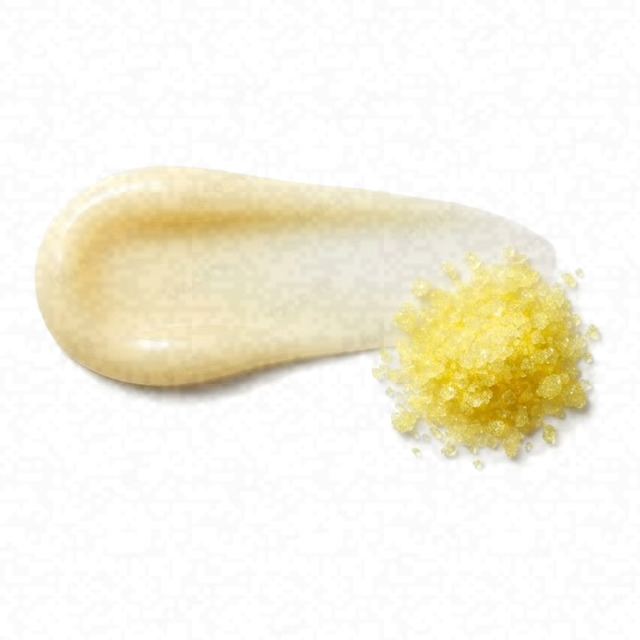 Retinal
 Squalane
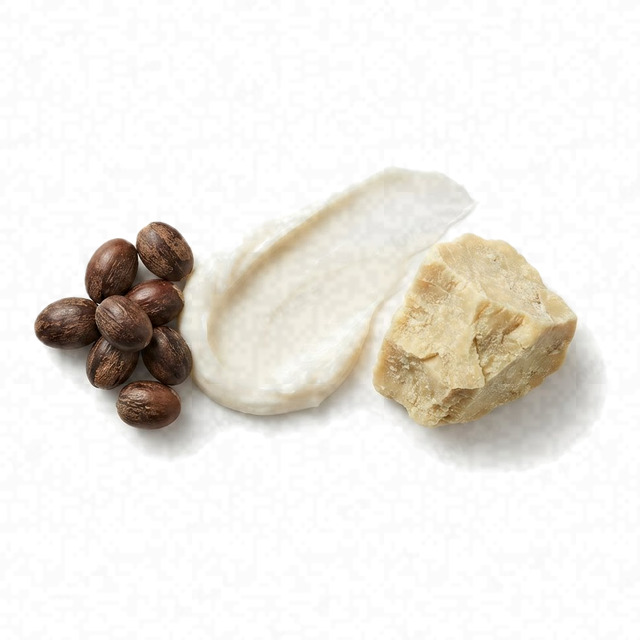 Butyrospermum Parkii Butter Shea Butter
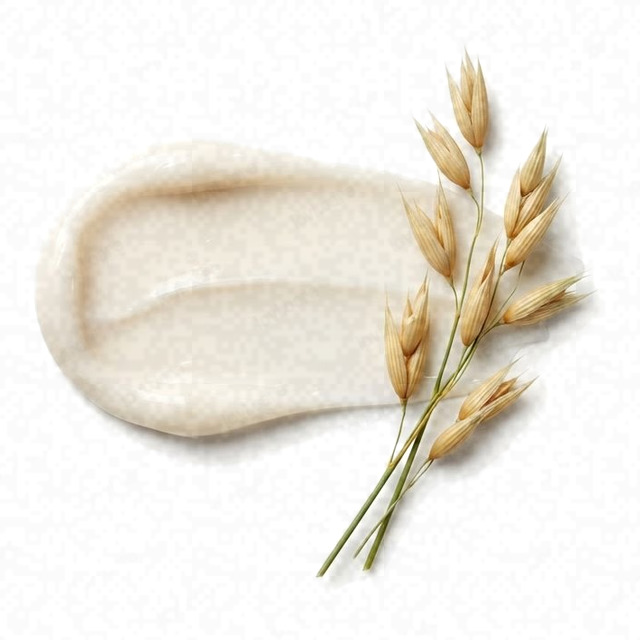 Avena Sativa Kernel Extract Oat Kernel Extract
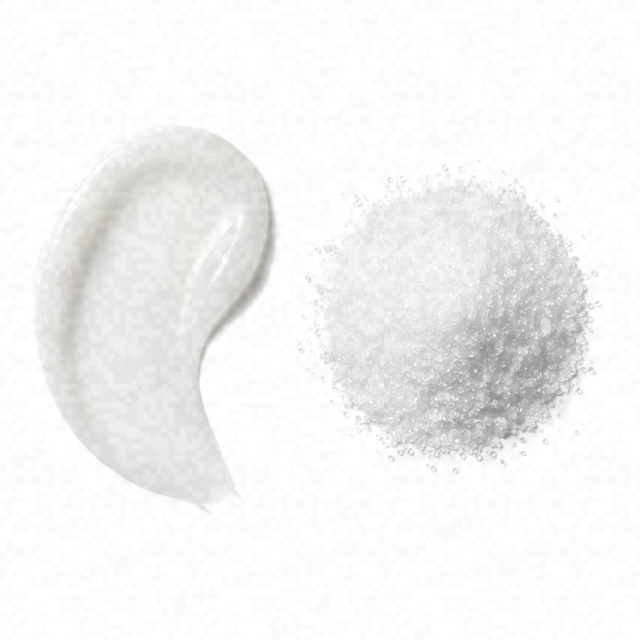 Urea
Average
- AverageOily Skin Fit
- AverageEffectiveness
- HighSafety
Works for oily acne-prone skin; other serums fit it better.
This fit is calculated for the concerns frequently associated with oily acne-prone skin: shine, breakouts, blemishes, and enlarged pores. For scores and recommendations based on your full skin profile, including your 12D face scan results and any goals or preferences you have, please use the Lovi app.
Page built Nov 8, 2026How the Fit score works
Lovi Assistant explains
- Offers moderate suitability for your oily skin, as retinal and urea work to regulate desquamation and provide humectant action, supporting your goals for acne, blemishes, and breakouts, and oiliness or shiny skin.
- While oat kernel extract and shea butter offer soothing benefits, the formula lacks sufficient seboregulating ingredients for optimal results on oily skin.
- The product is safe for your skin, with no risks of irritation due to the absence of harsh ingredients and the presence of soothing components.
How to apply
- Could be used as part of your PM routine. Start 3 times a week and build up to daily use if your skin tolerates it well.
- Apply your serum after cleansing and toning, but before putting on your moisturizer.
- Gently press 2 to 3 drops of the serum into your skin and let it absorb for a minute.
- Apply the serum on clean, dry skin to help manage your blemishes safely.
- Do a patch test before your first use and avoid the delicate eye area.
People Say
★4.8Overall rating based on 600+ reviewsUsers report this treatment effectively targets advanced signs of aging, leading to visibly firmer, smoother, and bouncier skin. It is frequently praised for delivering results on deep wrinkles and sagging without the typical irritation associated with potent retinoids.
Highlights
Visibly smooths texture Mostly Mentioned
- “skin feels smooth and soft”
- “noticeably smoother to the touch”
- “improved texture after a few weeks”
Firms and lifts Often Mentioned
- “jawline seems more defined”
- “skin feels more taut”
- “helps with sagging neck skin”
Gentle and non-irritating Often Mentioned
- “no tingling or redness”
- “great for sensitive skin”
- “less irritating than prescription tretinoin”
High price point Often Mentioned
- “too expensive for the amount”
- “price tag is steep”
- “hard to justify the cost”
Fast-acting results Sometimes Noted
- “saw results in 2 weeks”
- “immediate glow the next morning”
- “works faster than retinol”
Pleasant consistency Sometimes Noted
- “lightweight and absorbs easily”
- “creamy but not greasy”
- “soaks in quickly”
Deceiving packaging Sometimes Noted
- “bottle looks big but holds little”
- “bulky plastic packaging”
- “hard to tell when empty”
Lack of results Rarely Noted
- “no difference in 2 months”
- “didn't do much for deep lines”
- “expected more for the price”
Scent/Fragrance Rarely Noted
- “has a floral scent”
- “added fragrance not listed”
- “smell is a bit strong”
Sources: lovi.care, ulta.com, murad.com, dermstore.com, lovelyskin.com, and more
Questions and answers
How well does Murad Retinal ReSculpt work for oily acne-prone skin?
This treatment works moderately well for oily acne-prone skin, using retinal and urea to help clear breakouts and manage shiny skin. It is unlikely to cause irritation due to its soothing ingredients, though an oily skin type needs stronger oil-controlling ingredients like niacinamide, propolis, or benzoyl peroxide for the best results.
Skin Pharmacology and Applied Skin Physiology, 2002Pharmaceutics, 2021
Which ingredients make this treatment a good fit for oily acne-prone skin?
Retinal and urea help this treatment fit your oily acne-prone skin by regulating shedding and balancing moisture, while oat kernel extract and shea butter add soothing benefits. An oily skin treatment of this type needs strong oil-controlling ingredients like niacinamide, propolis, or benzoyl peroxide, along with lightweight humectants and soothing extracts to manage excess oil and breakouts comfortably.
Skin Pharmacology and Applied Skin Physiology, 2002Pharmaceutics, 2021
What does Retinal do for oily acne-prone skin?
Retinal helps clear clogged pores, reduces bumps and pimples, and helps balance oil production for oily, acne-prone skin. It is generally well tolerated when used regularly as part of an acne skincare routine.
Clinical and Experimental Dermatology, 1999European Review for Medical and Pharmacological Sciences, 2014
What does Squalane do for oily acne-prone skin?
Squalane may help keep oily skin soft and smooth, but oxidized squalene can trigger inflammation in acne-prone skin. Because of this, oily acne-prone skin needs lightweight, non-greasy ingredients that balance moisture without clogging pores.
Where does this treatment go in a skincare routine for oily acne-prone skin?
This treatment goes in the evening routine after cleansing and toning, and before moisturizing. Oily acne-prone skin needs a product of this type that also includes targeted oil-controlling ingredients to properly manage shine.
Can I use it with niacinamide, and in what order?
You can use this treatment with niacinamide, applying niacinamide first after cleansing to calm and brighten your skin before following with this retinal cream. This combination is generally safe and unlikely to cause irritation when introduced gradually.
Skin Pharmacology and Applied Skin Physiology, 2002Pharmaceutics, 2021
How often should I use this treatment?
This treatment works well in your evening routine, but oily acne-prone skin needs a product with more oil-controlling ingredients for optimal results.
Can it clog pores, cause breakouts or purging for oily acne-prone skin?
This treatment is unlikely to clog pores or cause irritation on oily skin, but it may cause initial breakouts as the retinal helps clear blemishes. An oily acne-prone skin type needs formulas with stronger oil-controlling ingredients to get the best results.
Is this treatment fragrance-free and alcohol-free?
It has no drying alcohol and contains fragrance (citronellol and parfum). Cetearyl alcohol and cetyl alcohol are fatty alcohols, which soften the skin.
What the research says
Topically applied Avena sativa and Avena Rhealba oatmeal extracts significantly reduced skin irritation parameters including a* parameter increase and blood flow increase compared to vehicle in 12 healthy individuals subjected to the sodium lauryl sulfate irritation model.
Skin Pharmacology and Applied Skin Physiology, 2002Colloidal oat extracts diminished pro-inflammatory cytokines in vitro and colloidal oat lotion improved skin dryness, scaling, roughness, and itch intensity in healthy female subjects compared to baseline.
Journal of Drugs in Dermatology, 2015Colloidal oatmeal induced skin barrier-related gene expression in vitro and showed significant clinical improvements in skin dryness, moisturization, and barrier in 50 healthy female subjects treated with a colloidal oatmeal lotion.
Journal of Drugs in Dermatology, 2016A multiple W/O/W emulsion containing Rosmarinus officinalis L., Avena sativa L., and Linum usitatissimum L. extracts showed no irritant, phototoxic, inflammatory, or allergenic potential in human skin models and patch tests, establishing its safety as a cosmetic base.
Pharmaceutics, 2021A combination cream of stimu-tex AS and saccharide isomerate reduced erythema, increased skin capacitance, and reduced transepidermal water loss compared to placebo in 20 subjects after fractional CO2 laser procedure without causing serious adverse events.
Lasers in Medical Science, 2025Twice daily application of retinaldehyde 0.1% and 0.05% creams for 3 months improved skin texture and hydration and reduced transepidermal water loss in 40 female Korean volunteers, with only the 0.1% cream significantly improving the melanin index.
Journal of Cosmetic Dermatology, 2018Topical retinaldehyde demonstrated significant antibacterial activity against gram-positive bacteria both in vitro and in vivo, leading to decreased bacterial counts without inducing resistance.
Dermatology, 2002Topical 0.05% retinaldehyde applied over 1 year significantly increased epidermal thickness of the temple and cutaneous elasticity compared to an emollient control group in 40 aging skin patients.
Dermatology, 1999Squalane at 0.005-0.015% counteracts UVA-induced oxidative stress, inflammation, and collagen metabolism inhibition while stimulating fibroblast migration in human dermal fibroblasts.
Molecules, 2025Plant-derived squalane protected human dermal fibroblasts against UVA-induced damage by counteracting ROS formation, suppressing apoptosis-related proteins p53, caspase-3, caspase-9, and PARP, and restoring the pro-survival p-Akt/mTOR pathway.
Antioxidants, 2025A skin barrier restoring cream with shea butter, silkflo, and vitamin E increased type I procollagen synthesis, enhanced antioxidant enzyme activity, decreased reactive oxygen species generation, and promoted hyaluronic acid production in H2O2-stimulated human keratinocyte cells compared to untreated cells.
International Journal of Cosmetic Science, 2025A repair cream containing Rhealba oat plantlets extract, l-ALA-l-GLU dipeptide, and hyaluronic acid provided immediate relief and was judged by doctors as good or very good in 96.8% of cases for wound healing in 2,363 patients following dermatological acts.
Clinical, Cosmetic and Investigational Dermatology, 2018Colloidal oat increased the growth rate, metabolism, and lactic acid production of Staphylococcus epidermidis compared to Staphylococcus aureus in vitro, matching clinical increases in lactic acid on dry skin after 6 weeks of lotion use.
Clinical, Cosmetic and Investigational Dermatology, 2021A dermocosmetic product containing oat plantlet sap and Garcinia mangostana extract reduced retentional and inflammatory acne lesions by 21% and 35% respectively after 2 months in 54 subjects with mild-to-moderate acne.
Journal of the European Academy of Dermatology and Venereology, 2024Topical 40% urea cream achieved improvement in less time and showed superiority over 12% ammonium lactate lotion in skin roughness, fissure reduction, thickness, and dryness at day 14 in patients treated for moderate to severe xerosis.
American Journal of Clinical Dermatology, 2002Topical treatment with K101 achieved a significantly higher mycological cure rate compared to placebo in patients with ≤50% nail involvement (27.2% vs 10.4%), while showing early visible improvements in nail appearance and no safety issues.
Mycoses, 2012
Why other serums fit oily acne-prone skin better
Topical benzoyl peroxide 5% gel treatment improved acne severity, sebum, stratum corneum hydration, and transepidermal water loss, while significantly reducing microbial diversity and the prevalence of Cutibacterium in 33 patients with acne vulgaris.
Dermatologic Therapy, 2022Niacinamide and ferulic acid incorporated in a stable multiple emulsion successfully reduced melanin, sebum, and skin erythema while improving skin elasticity and hydration in human skin compared to a placebo.
BioMed Research International, 2022
Ingredients
Water, Diisostearyl Malate, Pentylene Glycol, Polyglyceryl-3 Methylglucose Distearate, Zea Mays Kernel Extract, Squalane, Propanediol, Hydroxyethyl Acrylate Sodium Acryloyldimethyl Taurate Copolymer, Glycerin, Cetearyl Alcohol, Glyceryl Ricinoleate, Avena Sativa Kernel Extract Oat Kernel Extract, Butyrospermum Parkii Butter Shea Butter, Retinal, Urea, Yeast Amino Acids, Trehalose, Inositol, Taurine, Betaine, Anigozanthos Flavidus Extract, Phosphatidylcholine, Olea Europaea Leaf Extract Olive Leaf Extract, Mannitol, Ethylhexylglycerin, Dimethyl Isosorbide, Glyceryl Stearate, Sodium Stearoyl Glutamate, Cetyl Alcohol, Hectorite, Xanthan Gum, Sodium Chloride, Polysorbate 60, Sorbitan Isostearate, Leuconostoc Radish Root Ferment Filtrate, Tetrasodium Glutamate Diacetate, Citric Acid, Sodium Benzoate, Chlorphenesin, Potassium Sorbate, Citronellol, Alpha-Isomethyl Ionone, Parfum
Behind this fit score
Lovi calculates every fit score from the full ingredient list with brand-independent rules our dermatologists and cosmetic chemists build and review, and personalizes every pick with AI trained on the real results of millions of users. Lovi trains its fit score models on a proprietary dataset built from more than 10,000 expert-labeled products and more than 100,000 simulated examples, following an internally consistent methodology presented at Cosmoprof, AMWC, and Skin of Color Update.
-

Co-founder, Medical Director
Cosmetic chemist, cosmetologist, aesthetic products developer
-

Co-founder, CEO and CTO
PhD in computer science, 3x US patent holder, ex-Google, ex-Yandex
-

Dr. Sofía Perea Pérez, MD, MSc
Medical Board
Aesthetic medicine practitioner, MSc in Longevity and Anti-Aging Medicine
-

Medical Board
Specialist dermatologist, MBBS, MD, IFAAD
-

Medical Board
Cosmetic chemist, SCS, IFSCC member
-

Medical Board, Medical Advisor
Dermatology MD
-

Elina Nazarenko, MD
Medical Board
Dermatology and diagnostic consultant
-

Victoria Derkova, MS
Medical Board
Cosmetic chemist, cosmetic development technologist


How does it fit your skin?
Scan your face, then any product: Lovi shows how well it fits you and what fits even better.