Medik8 Crystal Retinal 1 for acne-prone skin

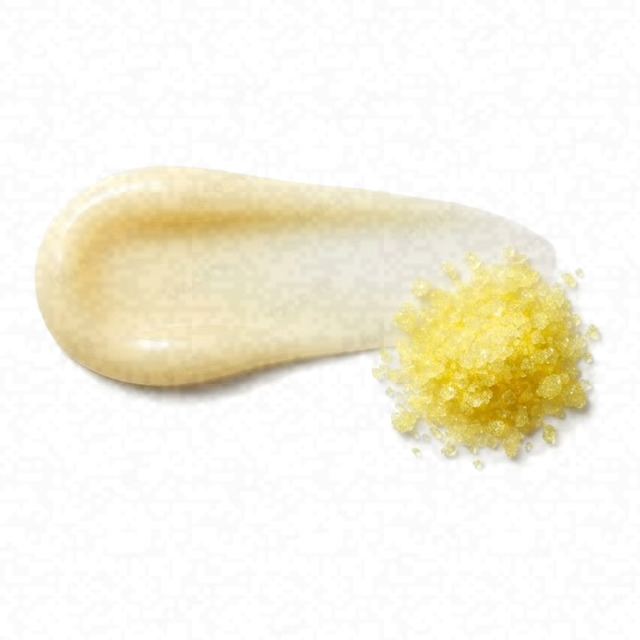 Retinal A Form Of Vitamin A
 Sodium Hyaluronate
 Tetrahexyldecyl Ascorbate
 Squalane
 Glycerin
High
- HighCombination Skin Fit
- HighEffectiveness
- ExcellentSafety
A great choice for acne-prone skin; a few serums fit it even better.
This fit is calculated for the concerns frequently associated with acne-prone skin: breakouts, blackheads, and post-acne marks. For scores and recommendations based on your full skin profile, including your 12D face scan results and any goals or preferences you have, please use the Lovi app.
Page built Nov 8, 2026How the Fit score works
Lovi Assistant explains
- Offers excellent skin rejuvenation for your combination skin, as retinal and 3-o-ethyl ascorbic acid work to smooth texture and minimize fine lines while regulating desquamation and providing antioxidant activity.
- The formula also addresses your acne, blemishes, and breakouts by promoting skin renewal and targeting blemishes with high concentrations of these key ingredients.
- The product is safe for your skin due to the absence of harsh ingredients and the inclusion of soothing honeysuckle flower extract and vanilla fruit extract.
How to apply
- Use your serum as part of your PM routine and start 3x/week before working up to daily use.
- Apply this treatment after cleansing and toner, and before your moisturizer.
- Gently press 2-3 drops of the serum into your skin and let it absorb for a minute.
- Apply the product on clean, dry skin to help manage your breakouts safely.
- Avoid the eye area and do a patch test before your first use.
People Say
★4.7Overall rating based on 3.2k+ reviewsBased on a very large amount of data, users consistently praise this serum as an exceptional entry-level retinal for sensitive or reactive skin, noting visible improvements in skin texture and brightness without the irritation typical of retinoids. Many reviewers report significant reductions in hormonal breakouts and fine lines, describing the formula as a "game changer" that leaves skin smoother, plumper, and clearer.
Highlights
Gentle on skin Mostly Mentioned
- “perfect for beginners”
- “no stinging or redness”
Smoothes texture Often Mentioned
- “skin feels like glass”
- “bumps disappeared”
- “face is much softer”
High price point Often Mentioned
- “very expensive for the size”
- “pricey investment”
- “wish it was cheaper”
Absorbs fast Sometimes Noted
- “sinks in immediately”
- “creamy and moisturizing”
- “non-greasy finish”
Reduces acne Sometimes Noted
- “cleared my hormonal acne”
- “stops spots forming”
- “keeps blemishes in check”
Initial purging Rarely Noted
- “broke out the first week”
- “had a few spots initially”
- “skin got worse before better”
Mild dryness Rarely Noted
- “slight tingle upon application”
- “needed extra moisturizer”
- “dry patches around nose”
Packaging issues Rarely Noted
- “pump stopped working”
- “hard to get last bit out”
- “tube topples over easily”
Sources: lovi.care, cultbeauty.co.uk, dermstore.com, spacenk.com, womenshealthmag.com, alexaskin.com, and more
Questions and answers
What makes Medik8 Crystal Retinal 1 a great fit for acne-prone skin?
Medik8 Crystal Retinal 1 is a great fit for acne-prone skin because it helps clear blemishes and smooth texture by promoting skin renewal. It also keeps skin calm and comfortable through the use of soothing plant extracts and a gentle formula.
Which ingredients make this serum a good fit for acne-prone skin?
This serum is a great fit for your acne-prone skin because retinal helps clear and calm breakouts while promoting fresh skin renewal. Additionally, ingredients like soothing honeysuckle flower extract and vanilla fruit extract keep your skin feeling calm and safe from harsh reactions.
What does Retinal do for acne-prone skin?
Retinal helps clear acne-prone skin by reducing blemishes, clogged pores, and redness while improving overall skin texture. Side effects are very uncommon when using this ingredient.
International Journal of Cosmetic Science, 2026Clinical and Experimental Dermatology, 1999
What does Hyaluronic Acid do for acne-prone skin?
Hyaluronic acid helps acne-prone skin by soothing irritation, calming redness, and keeping the skin balanced without clogging pores. When combined with targeted ingredients like zinc oxide, it may also help reduce breakouts.
Where does this serum go in a skincare routine for acne-prone skin?
Apply this treatment in the evening after cleansing and toning, and before your moisturizer. Treatments with active ingredients are placed in the evening routine for simplicity and extra safety around sun exposure.
Can I use this serum with niacinamide, and in what order?
You can use this serum with niacinamide by applying niacinamide first to calm and hydrate your skin, followed by this treatment once it absorbs. This combination helps clear breakouts and smooth texture while keeping your skin comfortable.
How often should I use this serum?
Use this treatment in your evening routine, starting once a week and slowly increasing the frequency as your skin feels comfortable. This gradual approach helps your skin adjust to the active ingredients while keeping irritation unlikely.
Can this serum clog pores, cause breakouts or purging for acne-prone skin?
This treatment is a great fit because it targets blemishes and breakouts by promoting skin renewal, though initial purging is a known possibility. It is unlikely to cause issues as it lacks harsh ingredients and includes soothing extracts to keep skin calm.
Is this serum fragrance-free and alcohol-free?
It has no drying alcohol and contains fragrance (coumarin). Cetearyl alcohol is a fatty alcohol, which soften the skin.
What the research says
Concurrent treatment with 3-O-ethyl ascorbic acid and cannabigerol in UVB-irradiated human keratinocytes prevents membrane structure alterations, promotes cell survival, enhances antioxidant enzyme activity and GSH- and Trx-dependent systems, reduces lipid and protein oxidative modifications, and exerts anti-inflammatory effects.
Free Radical Biology & Medicine, 2025Dissolving microneedles loaded with 3-O-ethyl ascorbic acid and acetyl hexapeptide-8 achieved higher cumulative transdermal delivery than aqueous solutions and significantly reduced photoaging signs while restoring oxidative balance in a UV/D-galactose-induced mouse model.
International Journal of Biological Macromolecules, 2026Liposomal formulation of 3-O-ethyl-L-ascorbic acid enhanced skin retention and reduced UV-induced extracellular matrix degradation in skin explants compared to free EAA.
Journal of Liposome Research, 2025Twice daily application of retinaldehyde 0.1% and 0.05% creams for 3 months improved skin texture and hydration and reduced transepidermal water loss in 40 female Korean volunteers, with only the 0.1% cream significantly improving the melanin index.
Journal of Cosmetic Dermatology, 2018Topical retinaldehyde demonstrated significant antibacterial activity against gram-positive bacteria both in vitro and in vivo, leading to decreased bacterial counts without inducing resistance.
Dermatology, 2002Topical 0.05% retinaldehyde applied over 1 year significantly increased epidermal thickness of the temple and cutaneous elasticity compared to an emollient control group in 40 aging skin patients.
Dermatology, 1999Topical application of 0.1% hyaluronic acid formulations of different molecular weights led to significant improvements in skin hydration and elasticity, with low-molecular-weight formulations also significantly reducing wrinkle depth in seventy-six female subjects compared to a vehicle control.
Journal of Drugs in Dermatology, 2011Topical application of hyaluronic acid in conjunction with free gingival graft significantly reduced donor site postoperative pain until day 7 compared to normal saline, with no significant differences in graft dimensions or patient satisfaction.
Clinical Oral Investigations, 2022Treatment with a hyaluronic acid-containing mouth rinse or topical gel led to significant lesion reduction, pain relief, and normalization of lesion color in adult patients with minor recurrent aphthous stomatitis, with the gel formulation showing an earlier healing onset at 3 days.
BMC Oral Health, 2019Topical application of 5% vitamin C cream significantly improved global clinical scores, increased skin microrelief density, and induced elastic tissue repair in photoaged skin compared to excipient control in healthy female volunteers.
Experimental Dermatology, 2003Ascorbic acid 2-glucoside gel significantly reduced gingival melanin pigmentation after 4 weeks compared to placebo in 73 subjects with symmetric pigmentation.
Journal of Periodontology, 2009Topical application of VC-IP cream twice daily for 8 weeks reduces periorbital wrinkles in female subjects compared to a placebo cream.
Journal of Cosmetic Dermatology, 2022Squalane at 0.005-0.015% counteracts UVA-induced oxidative stress, inflammation, and collagen metabolism inhibition while stimulating fibroblast migration in human dermal fibroblasts.
Molecules, 2025Plant-derived squalane protected human dermal fibroblasts against UVA-induced damage by counteracting ROS formation, suppressing apoptosis-related proteins p53, caspase-3, caspase-9, and PARP, and restoring the pro-survival p-Akt/mTOR pathway.
Antioxidants, 2025A single application of a moisturizing fluid containing hyaluronic acid 1%, glycerin 5%, and Centella asiatica stem cells extract significantly increased skin hydration by 29% and reduced transepidermal water loss at 24 hours compared to baseline and an untreated control site in twenty healthy women.
Clinical, Cosmetic and Investigational Dermatology, 2017The emollient V0034CR significantly reduced TEWL compared to vehicle and vehicle plus glycerol, and significantly increased corneometry scores compared to vehicle and vehicle plus petrolatum in healthy volunteers with dry skin, demonstrating combined barrier function improvement from petrolatum and hydration improvement from glycerol.
Journal of Cosmetic Dermatology, 2020Ten days of treatment with a cream containing 20% glycerin significantly increased skin hydration measured by corneometer values in 17 healthy volunteers compared to a placebo cream, but showed no influence on transepidermal water loss or skin sensitivity to an irritating surfactant.
International Journal of Cosmetic Science, 2001
Ingredients
Water, Caprylic Capric Triglyceride, Glycerin, Isododecane, Cetearyl Olivate, Sodium Acrylate Sodium Acryloyldimethyl Taurate Copolymer, Cetearyl Alcohol, Ppg-12 Smdi Copolymer, Sorbitan Olivate, Tocopheryl Acetate, Titanium Dioxide, Squalane, Eclipta Prostrata Extract, Hydroxyethyl Acrylate Sodium Acryloyldimethyl Taurate Copolymer, Phenoxyethanol, Cyclodextrin, Hydroxypropyl Methylcellulose, Sodium Hyaluronate, Tetrahexyldecyl Ascorbate, Melia Azadirachta Leaf Extract, Alumina, Isostearic Acid, Lecithin, Polyglyceryl-3 Polyricinoleate, Disodium Edta, Hydroxyacetophenone, Polyhydroxystearic Acid, Stearic Acid, Ethylhexylglycerin, 3-O-Ethyl Ascorbic Acid, Daucus Carota Sativa Seed Oil Carrot Seed Oil, Sodium Polyaspartate, Climbazole, Retinal, Dipteryx Odorata Extract Tonka Extract Bean Extract, Lonicera Japonica Flower Extract Honeysuckle Flower Extract, Lonicera Caprifolium Flower Extract Honeysuckle Flower Extract, Rubus Chamaemorus Seed Oil, Moringa Oleifera Seed Oil, Polysorbate 60, Sorbitan Isostearate, Pentylene Glycol, Vanilla Planifolia Fruit Extract Vanilla Fruit Extract, Decylene Glycol, Bht, 1,2-Hexanediol, Coumarin
Behind this fit score
Lovi calculates every fit score from the full ingredient list with brand-independent rules our dermatologists and cosmetic chemists build and review, and personalizes every pick with AI trained on the real results of millions of users. Lovi trains its fit score models on a proprietary dataset built from more than 10,000 expert-labeled products and more than 100,000 simulated examples, following an internally consistent methodology presented at Cosmoprof, AMWC, and Skin of Color Update.
-

Co-founder, Medical Director
Cosmetic chemist, cosmetologist, aesthetic products developer
-

Co-founder, CEO and CTO
PhD in computer science, 3x US patent holder, ex-Google, ex-Yandex
-

Dr. Sofía Perea Pérez, MD, MSc
Medical Board
Aesthetic medicine practitioner, MSc in Longevity and Anti-Aging Medicine
-

Medical Board
Specialist dermatologist, MBBS, MD, IFAAD
-

Medical Board
Cosmetic chemist, SCS, IFSCC member
-

Medical Board, Medical Advisor
Dermatology MD
-

Elina Nazarenko, MD
Medical Board
Dermatology and diagnostic consultant
-

Victoria Derkova, MS
Medical Board
Cosmetic chemist, cosmetic development technologist


How does it fit your skin?
Scan your face, then any product: Lovi shows how well it fits you and what fits even better.