
Medicube Deep Vita C Pad for acne-prone skin

 3-O-Ethyl Ascorbic Acid
 Niacinamide
 Sodium Hyaluronate
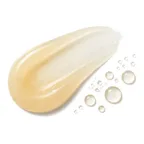 Vitamin Water
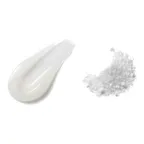 Adenosine
Average
- HighCombination Skin Fit
- AverageEffectiveness
- HighSafety
Works for acne-prone skin; other serums fit it better.
This fit is calculated for the concerns frequently associated with acne-prone skin: breakouts, blackheads, and post-acne marks. For scores and recommendations based on your full skin profile, including your 12D face scan results and any goals or preferences you have, please use the Lovi app.
Updated How the Fit score works
Lovi Assistant explains
- Offers moderate brightening and smoothing for your combination skin due to 3-O-Ethyl Ascorbic Acid and Gluconolactone, which help refine texture and provide antioxidant benefits. Niacinamide further supports seboregulation, making it suitable for your skin type.
- While Panthenol and Allantoin offer general hydration and soothing effects, they are not the primary focus for addressing your specific concerns of acne, blemishes, and breakouts.
- The product is safe for your combination skin, as it lacks prohibited or harsh ingredients that could cause irritation.
Buy online

Prices checked 20 Nov 2026
The Lovi Fit is the same in every country; only the stores and prices differ, and the ones here are for Europe.
How to apply
- Use your serum as part of your PM routine and start 3x/week before working up to daily use.
- Apply this treatment after cleansing and toner, and before your moisturizer.
- Gently press 2-3 drops of the serum into your skin and let it absorb for a minute.
- Apply the product on clean, dry skin to help manage your breakouts safely.
- Avoid the eye area and do a patch test before your first use.
People Say
★4.8Overall rating based on 300+ reviewsUsers report that these pads effectively brighten dull complexions and fade acne scars within weeks. The pads are praised for delivering a glow and gentle exfoliation, making them suitable for most skin types, though sensitive users should be cautious. Some users note a sticky finish and potential for tingling upon application.
Highlights
Brightens & Fades Spots Mostly Mentioned
- “Dark spots go away faster”
- “complexion is a lot more even”
- “acne scars lightened up”
Hydrating & Glowy Often Mentioned
- “Skin felt super hydrated”
- “make my skin so glassy”
- “leaves skin plump and moisturized”
Convenient & Hygienic Sometimes Noted
- “Morning quick fix”
- “love the little tweezers”
- “no messy serums”
Fast Results Sometimes Noted
- “Notice a huge difference in 3 weeks”
- “results in just 7 days”
- “skin looks brighter immediately”
Gentle Exfoliation Sometimes Noted
- “Removes dead skin cells”
- “skin feels smoother”
- “gentle daily exfoliation”
Leaky packaging Sometimes Noted
- “Package is super leaky”
- “leaked in the box”
- “hard to travel with”
Sticky finish Sometimes Noted
- “A bit sticky”
- “feels tacky at first”
- “takes time to absorb”
Pricey Rarely Noted
- “pricey for daily use”
- “wait for a sale”
Scent Rarely Noted
- “Clinical citrus scent”
- “smell is a bit strong”
- “scent is okay but noticeable”
Tingling sensation Rarely Noted
- “Slight tingling sensation”
- “stung a little”
- “felt like it was burning initially”
Sources: lovi.care, oliveyoung.com, stylekorean.com, gopicky.com, reddit.com, medicube.us, and more
Questions and answers
How well does Medicube Deep Vita C Pad work for acne-prone skin?
Medicube Deep Vita C Pad works as an average fit for acne-prone skin, providing moderate brightening and soothing without targeting breakouts directly. A product of this type needs effective ingredients like niacinamide, propolis, or zinc PCA that target acne and blemishes, control oil, and keep skin balanced without irritation.
Which ingredients make this pad a good fit for acne-prone skin?
This pad contains niacinamide, which helps balance oil, along with gluconolactone and 3-O-ethyl ascorbic acid to smooth texture and provide antioxidants. While it offers moderate brightening and gentle hydration, acne-prone skin needs products with ingredients like propolis or zinc PCA that directly target breakouts and blemishes while controlling oiliness.
What does 3-O-Ethyl Ascorbic Acid do for acne-prone skin?
3-O-Ethyl Ascorbic Acid is a steady form of vitamin C that helps fade dark spots left behind by breakouts and shields skin from everyday stress. It may also calm angry, red skin and support healing, though acne-prone skin generally needs formulas that balance oil and clear pores.
Free Radical Biology & Medicine, 2025Journal of Cosmetic Dermatology, 2022
What does Niacinamide do for acne-prone skin?
Niacinamide helps control acne-prone skin by reducing pimples and balancing oil production. It is well tolerated and may also help calm redness and improve overall skin texture in acne-prone skin.
International Journal of Dermatology, 2013Journal of Cosmetic Dermatology, 2024
Where does this pad go in a skincare routine for acne-prone skin?
This treatment pad goes in your evening routine, starting out just once a week. Products for this skin need soothing ingredients and gentle exfoliants like salicylic acid or niacinamide to help clear blemishes and calm the skin.
Can I use this pad with retinol, and in what order?
You can use this pad in the same routine as retinol by applying the pad first to clean skin and waiting a few minutes before putting on your retinol. However, this product is an average fit for acne-prone skin, so this skin type also needs targeted blemish-fighting ingredients like salicylic acid or benzoyl peroxide.
How often should I use this pad?
Start by using this pad once a week in your evening routine, and if your acne-prone skin handles it well and sees good results, you may carefully use it more often. This type of skin needs acne-focused ingredients like salicylic acid or benzoyl peroxide to effectively target breakouts and blemishes.
Can this pad clog pores, cause breakouts or purging for acne-prone skin?
This pad is unlikely to clog pores or cause purging, but it may not fully address breakouts for acne-prone skin. Acne-prone skin needs products with targeted blemish-fighting ingredients and oil-balancing agents to better manage active breakouts.
Skin Research and Technology, 2023American Journal of Clinical Dermatology, 2002
Is this pad fragrance-free and alcohol-free?
It has no drying alcohol and contains fragrance (geraniol, citronellol, and linalool).
What the research says
Combining 10% gluconolactone chemical peeling with oxybrasion or microneedle mesotherapy increased skin hydration and decreased sebum, pH, and TEWL in twenty-one Caucasian women, with no significant differences between the two methods.
Skin Research and Technology, 2023Combined treatment with cannabigerol and 3-O-ethyl ascorbic acid abolished UVB-induced changes by decreasing the expression of kinases and reducing protein modifications by 4-hydroxynonenal in cultured human keratinocytes, restoring the kinase profile to that of non-irradiated controls.
Scientific Reports, 2024Concurrent treatment with 3-O-ethyl ascorbic acid and cannabigerol in UVB-irradiated human keratinocytes prevents membrane structure alterations, promotes cell survival, enhances antioxidant enzyme activity and GSH- and Trx-dependent systems, reduces lipid and protein oxidative modifications, and exerts anti-inflammatory effects.
Free Radical Biology & Medicine, 2025Topical dexpanthenol acts as a moisturizer, improves stratum corneum hydration, accelerates wound healing and epidermal regeneration, reduces erythema, and improves symptoms of skin irritation compared to vehicle or no pretreatment.
American Journal of Clinical Dermatology, 2002A new topical panthenol-containing emollient significantly improved transepidermal water loss reduction, stratum corneum hydration, and intercellular lipid lamellae length compared with control in healthy subjects without negatively impacting bacterial viability.
The Journal of Dermatological Treatment, 2017Topical application of 5% vitamin C cream significantly improved global clinical scores, increased skin microrelief density, and induced elastic tissue repair in photoaged skin compared to excipient control in healthy female volunteers.
Experimental Dermatology, 2003Topical application of VC-IP cream twice daily for 8 weeks reduces periorbital wrinkles in female subjects compared to a placebo cream.
Journal of Cosmetic Dermatology, 2022Topical treatment with 5% vitamin C and 0.1% madecassoside significantly improved clinical scores for wrinkles, suppleness, firmness, roughness, and skin hydration, along with functional and structural remodeling of the elastic fiber network in 20 female volunteers with photoaged skin after 6 months compared to baseline.
Experimental Dermatology, 2008Topical nicotinamide prevented solar-simulated UV-induced immunosuppression in healthy volunteers, and men experienced immunosuppression at solar-simulated UV doses three times lower than those required for women.
The Journal of Investigative Dermatology, 2008Topical 5% niacinamide applied twice daily for 12 weeks reduced fine lines and wrinkles, hyperpigmented spots, red blotchiness, and skin sallowness, and improved skin elasticity compared to vehicle control in 50 female white subjects with facial photoaging.
Dermatologic Surgery, 2005Topical 2% niacinamide significantly decreased sebum excretion rate in Japanese individuals and casual sebum levels in Caucasian individuals compared to placebo or baseline.
Journal of Cosmetic and Laser Therapy, 2006Topical application of 0.1% hyaluronic acid formulations of different molecular weights led to significant improvements in skin hydration and elasticity, with low-molecular-weight formulations also significantly reducing wrinkle depth in seventy-six female subjects compared to a vehicle control.
Journal of Drugs in Dermatology, 2011Topical hyaluronic acid serum used twice daily by 40 females with facial photoaging produced an immediate 134% increase in skin hydration, a sustained 55% increase at week 6, and significant improvements in smoothness, plumping, fine lines, wrinkles, and global appearance without causing irritation.
Dermatology and Therapy, 2021A topical antioxidant serum significantly reduced air pollution-induced skin pigmentation and proinflammatory gene expression ex vivo, and improved skin aging signs in 40 healthy adult females after 90 days of daily use.
Journal of Cosmetic Dermatology, 2022Topical application of a disodium adenosine monophosphate-based formulation reduced wrinkles and hyperpigmentation while improving hydration, barrier function, skin lifting, and epidermal turnover in female participants.
International Journal of Molecular Sciences, 2026Adenosine and cordycepin stimulate the Wnt/beta-catenin signaling pathway through adenosine receptor and PKA activation, promoting cell proliferation, migration, and growth factor secretion in cultured dermal fibroblasts.
International Journal of Molecular Sciences, 2021Topical application of the A2BAR agonist BAY60-6583 prevented TPA-induced inflammation, hyperproliferation, and acanthosis while normalizing epidermal barrier protein expression in a murine model of epidermal hyperplasia, effects that were reversed by the selective antagonist PSB-1115.
Biomedicine & Pharmacotherapy = Biomedecine & Pharmacotherapie, 2024
Why other serums fit acne-prone skin better
Co-delivery of paeonol and madecassoside via nanoemulsions improved transdermal delivery, promoted barrier repair proteins, inhibited inflammatory cytokine secretion in cellular and 3D models, and reduced transepidermal water loss and acne in human facial skin compared to free components.
Molecules, 2023
Ingredients
Hippophae Rhamnoides Water, Water, Methyl Gluceth-20, Methylpropanediol, Niacinamide, Glycereth-26, Methyl Gluceth-10, Polyglycerin-3, 1,2-Hexanediol, Gluconolactone, 3-O-Ethyl Ascorbic Acid, Ethylhexylglycerin, Cymbopogon Martini Oil, Citronella Oil, Adenosine, Butylene Glycol, Disodium Edta, Spearmint Extract, Lactobacillus Lemon Peel Extract Ferment, Geraniol, Citronellol, Coptis Japonica Extract, Cucumis Melo Seed Extract, Litsea Cubeba Oil Fruit, Pelargonium Graveolens Extract, Allantoin, Dipotassium Glycyrrhizate, Panthenol, Sodium Hyaluronate, Lactic Acid, Glucose, Beta-Glucan, Linalool, Glycerin, Caprylic Capric Triglyceride, Tocopherol, Cetyl Palmitate, Ubiquinone, Polysorbate 80, Sorbitan Stearate, Sodium Benzoate, Citric Acid, Hydrogenated Lecithin, Palmitoyl Tripeptide-5, Ergothioneine, Hesperidin, Palmitoyl Tetrapeptide-10
Behind this fit score
Lovi calculates every fit score from the full ingredient list with brand-independent rules our dermatologists and cosmetic chemists build and review, and personalizes every pick with AI trained on the real results of millions of users. Lovi trains its fit score models on a proprietary dataset built from more than 10,000 expert-labeled products and more than 100,000 simulated examples, following an internally consistent methodology presented at Cosmoprof, AMWC, and Skin of Color Update.
-

Co-founder, Medical Director
Cosmetic chemist, cosmetologist, aesthetic products developer
-

Co-founder, CEO and CTO
PhD in computer science, 3x US patent holder, ex-Google, ex-Yandex
-

Dr. Sofía Perea Pérez, MD, MSc
Medical Board
Aesthetic medicine practitioner, MSc in Longevity and Anti-Aging Medicine
-

Medical Board
Specialist dermatologist, MBBS, MD, IFAAD
-

Medical Board
Cosmetic chemist, SCS, IFSCC member
-

Medical Board, Medical Advisor
Dermatology MD
-

Elina Nazarenko, MD
Medical Board
Dermatology and diagnostic consultant
-

Victoria Derkova, MS
Medical Board
Cosmetic chemist, cosmetic development technologist


How does it fit your skin?
Scan your face, then any product: Lovi shows how well it fits you and what fits even better.