MAËLYS TOO-FINE for oily acne-prone skin

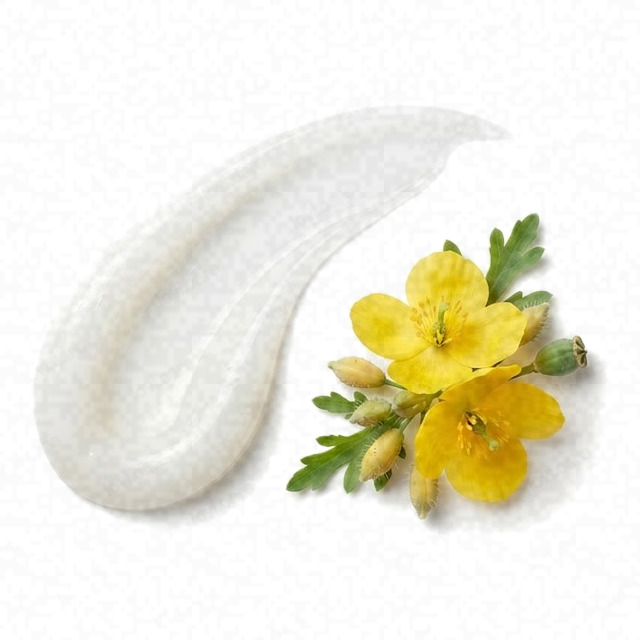 Glaucine
 Lactobacillus
Low
- AverageOily Skin Fit
- AverageEffectiveness
- ConcerningSafety
A weak match for oily acne-prone skin; the serums alongside fit it better.
This fit is calculated for the concerns frequently associated with oily acne-prone skin: shine, breakouts, blemishes, and enlarged pores. For scores and recommendations based on your full skin profile, including your 12D face scan results and any goals or preferences you have, please use the Lovi app.
Page built Nov 8, 2026How the Fit score works
Lovi Assistant explains
- Offers moderate plumping for your oily skin due to glaucine, which enhances skin elasticity and provides some seboregulating and barrier-repairing actions.
- Lactobacillus offers supportive benefits for acne, blemishes, and breakouts, though lighter emollients could improve overall comfort.
How to apply
- Could be used as part of your PM routine. Start 3 times a week and build up to daily use if your skin tolerates it well.
- Apply your serum after cleansing and toning, but before putting on your moisturizer.
- Gently press 2 to 3 drops of the serum into your skin and let it absorb for a minute.
- Apply the serum on clean, dry skin to help manage your blemishes safely.
- Do a patch test before your first use and avoid the delicate eye area.
People Say
★4.0Overall rating based on 400+ reviewsThis serum is praised for its ability to provide a temporary tightening and lifting effect, particularly on the jawline and eye area, with many users appreciating its cooling applicator and pleasant scent. Some users note that consistent, long-term use is necessary for optimal results and that the product can be depleted quickly due to its small size.
Highlights
Cooling applicator Often Mentioned
- “The applicator that is built in to the lid... stay cold feeling.”
- “I love the easy applicator. It feels nice and cool on my skin.”
- “Features a cooling metal applicator for precision.”
Visible tightening Often Mentioned
- “Makes the skin feel tighter.”
- “I saw results immediately... lifted eye area, diminished bags.”
- “Clinically proven to provide lifted-looking skin.”
- “Noticeable tightening and lifting effect.”
Small quantity Often Mentioned
- “The small bottle goes very quickly.”
- “The stuff goes quick!”
- “Small bottle size.”
Non-tacky finish Sometimes Noted
- “Doesn't leave the skin tacky.”
- “Lightweight and fast-absorbing.”
- “Provides hydration without heaviness.”
Pleasant scent/texture Sometimes Noted
- “Love the smell and a little goes a long way.”
- “Everything from the scent to the consistency makes me super happy.”
- “Light fruity scent adds niceness.”
Needs consistent use Sometimes Noted
- “Stick with it for at least 2 plus months.”
- “I have not noticed any improvement... but I know it will take time.”
- “Results can vary among users.”
Fragile packaging Rarely Noted
- “The glass bottle's fragility has raised concerns.”
Potential irritation Rarely Noted
- “Contains fragrance, which can irritate sensitive or reactive skin.”
- “Some users may experience mild irritation.”
Sources: lovi.care, maelyscosmetics.com, ulta.com, u-buy.co.nz, ubuy.sc, skincarisma.com, and more
Questions and answers
Why is MAËLYS TOO-FINE treatment a weak match for oily acne-prone skin?
MAËLYS TOO-FINE is a weak match because, although it contains ingredients that help calm breakouts and offer some firmness, it lacks lighter skin-softening ingredients that would make it more comfortable for daily use on oily skin. Treatments of this type that fit oily acne-prone skin well need ingredients like niacinamide, propolis, benzoyl peroxide, or Vitamin C to control excess oil, clear breakouts without irritation, and maintain a healthy glow.
Journal of Cosmetic Dermatology, 2022International Journal of Medical Sciences, 2021
Which ingredients make this treatment a poor fit for oily acne-prone skin?
Glaucine and lactobacillus make this treatment a weak match because, while they offer some firming and breakout support, this skin needs lighter, non-greasy ingredients like niacinamide, propolis, benzoyl peroxide, or vitamin C to control excess oil and clear blemishes comfortably.
Journal of Cosmetic Dermatology, 2022International Journal of Medical Sciences, 2021
What does Glaucine do for oily acne-prone skin?
Glaucine is not typically used to treat oily or acne-prone skin, as its main focus is on firming and smoothing aging skin. For oily and acne-prone skin, a product needs ingredients that help clear pores and balance oil, rather than the firming components found here.
What does Lactobacillus do for oily acne-prone skin?
Lactobacillus helps calm oily and acne-prone skin by reducing pimples, redness, and excess oil while keeping your skin barrier balanced with fewer side effects than traditional treatments. It works by supporting good skin bacteria and soothing irritation.
Journal of Cosmetic Dermatology, 2022International Journal of Medical Sciences, 2021
Where does this treatment go in a skincare routine for oily acne-prone skin?
This treatment goes in the evening routine after cleansing and before moisturizing, though an oily acne-prone skin needs lighter emollients to feel completely comfortable.
Can I use this treatment with retinol, and in what order?
You can use this treatment with retinol by applying your retinol first at night and following with this treatment, but this product is a weak match for your oily skin because it lacks lighter emollients to improve comfort.
How often should I use this treatment?
You can use this treatment in the evening as part of your routine. Because it is a weak match for oily acne-prone skin, this skin type needs lighter emollients for better comfort alongside ingredients that manage oil and calm breakouts.
Journal of Cosmetic Dermatology, 2022International Journal of Medical Sciences, 2021
Can this treatment clog pores, cause breakouts or purging for oily acne-prone skin?
This treatment is a weak match for your oily acne-prone skin, as it lacks the lighter emollients needed to keep this skin type comfortable and clear. While it contains Lactobacillus which may help with blemishes, a product of this type needs non-clogging, lightweight hydrators and oil-balancing ingredients to truly suit oily and breakout-prone skin.
Journal of Cosmetic Dermatology, 2022International Journal of Medical Sciences, 2021
What the research says
A novel topical product containing retinol, tripeptide, and glaucine significantly improved neck aging attributes including fine lines/wrinkles, crepiness, laxity, and texture after 12 or 16 weeks of usage.
Journal of Cosmetic Dermatology, 2023Use of a combined retinol, tripeptide, and glaucine containing cream led to both clinical and histologic improvement of photoaging in 20 healthy subjects.
Journal of Cosmetic Dermatology, 2023Probiotic-derived lotion successfully reduced inflammatory acne lesion counts and erythema index comparably to 2.5% benzoyl peroxide in patients with mild-to-moderate acne vulgaris, while causing fewer side effects.
Journal of Cosmetic Dermatology, 2022Topical application of Lactobacillus plantarum-GMNL6 enhanced collagen synthesis and SPTSSA gene expression while reducing melanin synthesis, Staphylococcus aureus biofilm, and Cutibacterium acnes proliferation, leading to clinical improvements in skin moisture, color, spots, wrinkles, UV spots, and porphyrins in human volunteers.
International Journal of Medical Sciences, 2021Lactobacillus plantarum extracellular vesicles modulated extracellular matrix related gene expression in vitro and suppressed wrinkle formation and pigmentation in clinical trials.
Current Issues in Molecular Biology, 2022Topical application of a postbiotic Saccharomyces and Lactobacillus ferment complex for 28 days significantly modulated the scalp microbiome and achieved a 100% sensitive scalp syndrome alleviation effect in Chinese women with sensitive scalp syndrome.
Clinical, Cosmetic and Investigational Dermatology, 2023Topical application of live Lactobacillus reuteri DSM 17938 and its lysate reduced proinflammatory IL-6 and IL-8 in UVB-R-induced inflammation models, with live bacteria also increasing aquaporin 3 expression and exhibiting antimicrobial activity against skin pathogens.
Experimental Dermatology, 2019
Ingredients
Glaucine, Lactobacillus
Behind this fit score
Lovi calculates every fit score from the full ingredient list with brand-independent rules our dermatologists and cosmetic chemists build and review, and personalizes every pick with AI trained on the real results of millions of users. Lovi trains its fit score models on a proprietary dataset built from more than 10,000 expert-labeled products and more than 100,000 simulated examples, following an internally consistent methodology presented at Cosmoprof, AMWC, and Skin of Color Update.
-

Co-founder, Medical Director
Cosmetic chemist, cosmetologist, aesthetic products developer
-

Co-founder, CEO and CTO
PhD in computer science, 3x US patent holder, ex-Google, ex-Yandex
-

Dr. Sofía Perea Pérez, MD, MSc
Medical Board
Aesthetic medicine practitioner, MSc in Longevity and Anti-Aging Medicine
-

Medical Board
Specialist dermatologist, MBBS, MD, IFAAD
-

Medical Board
Cosmetic chemist, SCS, IFSCC member
-

Medical Board, Medical Advisor
Dermatology MD
-

Elina Nazarenko, MD
Medical Board
Dermatology and diagnostic consultant
-

Victoria Derkova, MS
Medical Board
Cosmetic chemist, cosmetic development technologist


How does it fit your skin?
Scan your face, then any product: Lovi shows how well it fits you and what fits even better.