Elemis Pro-Collagen Tri-Acid Peel for acne-prone skin

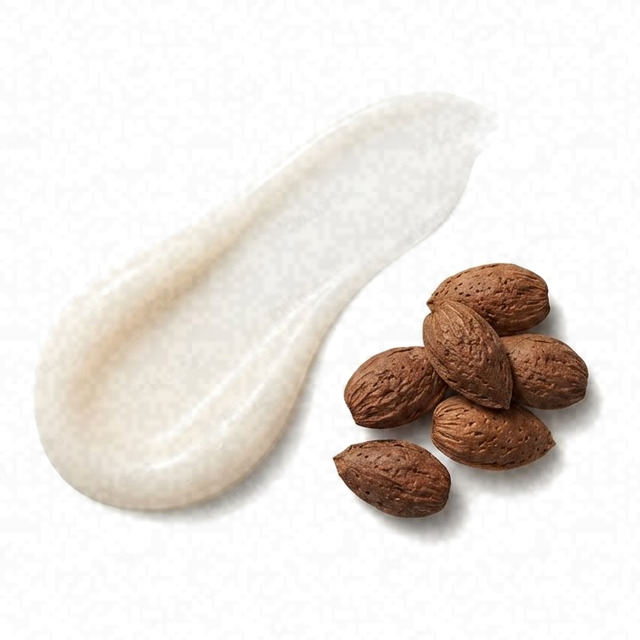 Mandelic Acid
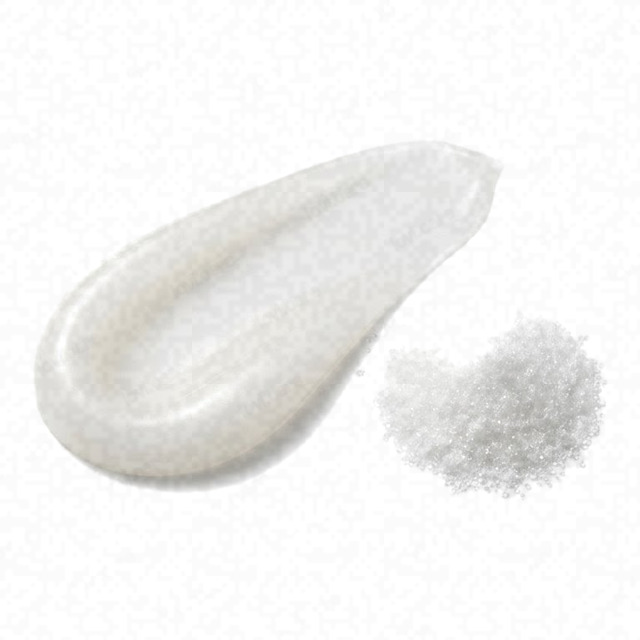 Lactobionic Acid
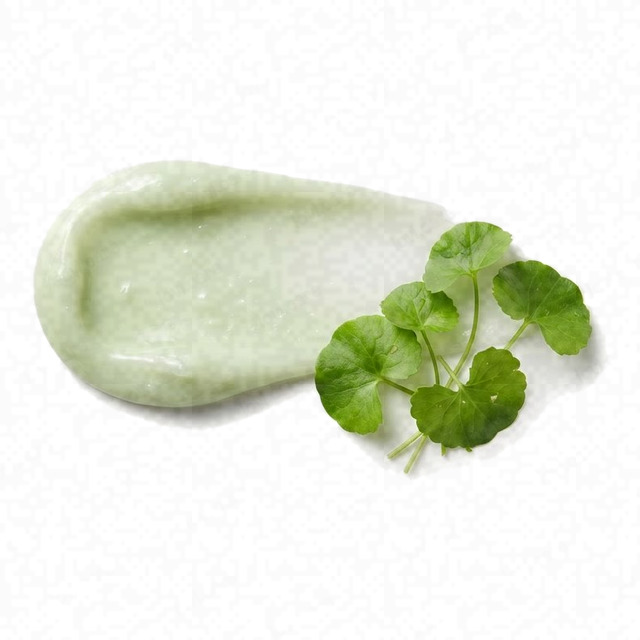 Asiatic Acid
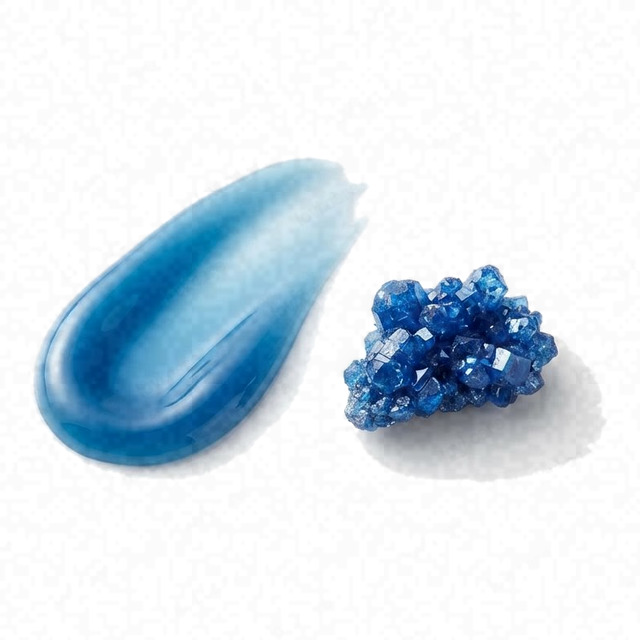 Copper Pca
 Sodium Hyaluronate
Average
- HighCombination Skin Fit
- AverageEffectiveness
- HighSafety
Works for acne-prone skin; other products fit it better.
This fit is calculated for the concerns frequently associated with acne-prone skin: breakouts, blackheads, and post-acne marks. For scores and recommendations based on your full skin profile, including your 12D face scan results and any goals or preferences you have, please use the Lovi app.
Page built Nov 8, 2026How the Fit score works
Lovi Assistant explains
- Offers moderate exfoliation for your acne-prone skin, as mandelic acid and lactobionic acid provide mild chemical exfoliation to address breakouts and blemishes. The inclusion of Asiatic acid also helps to soothe the skin, minimizing potential irritation.
- While the formula effectively targets acne concerns, it lacks sufficient hydrating ingredients to fully address potential dryness in combination skin areas.
- The product is safe for your skin, with no risks of irritation due to the absence of harsh ingredients and the presence of soothing components.
How to apply
- Use this exfoliant PM once a week to start, and gradually increase if your combination skin tolerates it well. Always apply SPF the next morning to protect your clear skin.
- Apply the exfoliant after cleansing and toning, but right before your moisturizer step. This ensures the treatment targets blemishes effectively.
- Gently press 2-3 drops of the exfoliant into your skin without rubbing. Let it absorb for a minute before moving to the next step.
- Apply the exfoliant on clean, dry skin to help control breakouts safely. Since your skin is not sensitive, this dry application method ensures good product absorption.
- Avoid the sensitive eye area and do a patch test before your first use. Do not mix this exfoliant with other strong acids in the same routine.
People Say
★4.7Overall rating based on 400+ reviewsThis product is highly praised for rejuvenating dull, aging, and textured skin. Users consistently report a brighter, smoother, and more even-toned complexion with a noticeable reduction in fine lines and pores. It is generally gentle on the skin, though some users experience slight tingling. A common drawback mentioned is the high price point.
Highlights
Improves texture Mostly Mentioned
- “my skin looked noticeably smoother”
- “significant improvement in my skin's texture”
- “leaving me with beautiful smooth skin”
- “immediate smoothness”
Brightens skin Often Mentioned
- “my skin looked immediately brighter”
- “The glow it gives is unreal!”
- “brightened up my complexion”
- “complexion looks visibly brighter”
Expensive product Often Mentioned
- “too pricey at £70”
- “I agree too priceyyyyy!!”
- “While on the pricier side”
- “There are lots of more affordable alternatives”
Gentle formula Sometimes Noted
- “gentle and non-irritating, even for sensitive skin”
- “The peel is gentle but so effective”
- “hesitant to use this as have quite sensitive skin... No problems at all”
- “without the harshness of traditional AHAs”
Reduces lines Sometimes Noted
- “helps reduce the appearance of fine lines”
- “dramatically reduced the appearance of fine lines”
- “softens the look of fine lines”
Causes tingling Sometimes Noted
- “slight tingling and a brief flush after rinsing”
- “My face is still slightly tingling an hour later”
- “yes, it tingles for a wee while”
- “A slight tingling sensation and redness may occur”
Underwhelming results Rarely Noted
- “It's just ok... just doesn't do what I want it too”
- “no obvious signs of performance”
- “It can be harsh for others”
Sources: lovi.care, elemis.com, johnlewis.com, boots.com, macys.com, reddit.com, and more
Questions and answers
How well does Elemis Pro-Collagen Tri-Acid Peel work for acne-prone skin?
Elemis Pro-Collagen Tri-Acid Peel works moderately well for acne-prone skin, as mandelic acid and lactobionic acid provide mild chemical exfoliation to clear breakouts while soothing ingredients calm the skin. However, it lacks enough hydrating ingredients to properly care for dry areas on combination skin. An exfoliant treatment for this skin needs ingredients like niacinamide, zinc pca, propolis, antioxidants, and rich hydrators to balance oil and provide deep moisture without irritation.
Journal of Cosmetic Dermatology, 2020Journal of Cosmetic Dermatology, 2019
Which ingredients make this exfoliant a good fit for acne-prone skin?
Mandelic acid and lactobionic acid help clear breakouts by providing mild chemical exfoliation, while asiatic acid soothes your skin and minimizes potential irritation. To be a better fit for this skin type, a product of this kind also needs ingredients like niacinamide, propolis, or zinc PCA to provide balanced hydration and control oiliness.
Journal of Cosmetic Dermatology, 2020Journal of Cosmetic Dermatology, 2019
What does Mandelic Acid do for acne-prone skin?
Mandelic acid helps clear acne and smooth the skin by gently exfoliating and calming breakouts with fewer side effects than many other acids. It is unlikely to cause heavy irritation, and combining it with other treatments may improve stubborn acne and dark spots even further.
What does Lactobionic Acid do for acne-prone skin?
Lactobionic acid helps acne-prone skin by gently clearing pores while keeping your skin calm and moisturized. Because it is very gentle, it is unlikely to cause irritation or damage your skin barrier while working to make your skin smooth.
Journal of Cosmetic Dermatology, 2010Journal of Cosmetic Dermatology, 2019
Where does this exfoliant go in a skincare routine for acne-prone skin?
This exfoliant goes in your evening routine, starting at once a week to see how your skin responds. It is unlikely to cause irritation thanks to its soothing components, but this type of product also needs extra hydrating ingredients to keep acne-prone skin from feeling dry.
Can I use this exfoliant with retinol, and in what order?
You can use this exfoliant on a different night than your retinol to help prevent irritation on your acne-prone skin. Alternating nights allows both active ingredients to work effectively while keeping your skin calm and comfortable.
American Family Physician, 2012Journal of Cosmetic Dermatology, 2024
How often should I use this exfoliant?
Start using this exfoliant treatment once a week in your evening routine, and if your skin feels fine and you see good results, you may carefully use it more often. This type of product works best for acne-prone skin when it also includes enough hydrating ingredients to prevent dryness.
Can this exfoliant clog pores, cause breakouts or purging for acne-prone skin?
This exfoliant is unlikely to clog pores or cause breakouts for your acne-prone skin, as mandelic acid and lactobionic acid help clear blemishes while soothing ingredients minimize irritation. However, because this product is only an average fit, acne-prone skin needs added hydrating ingredients and gentle balancing agents to keep dry areas comfortable.
Journal of Cosmetic Dermatology, 2020International Journal of Pharmaceutics, 2024
Is this exfoliant fragrance-free and alcohol-free?
It contains fragrance (parfum) and drying alcohol (alcohol denat and alcohol).
What the research says
Treatment with 45% mandelic acid peel showed nearly equal overall efficacy as 30% salicylic acid peel in patients with mild-to-moderate facial acne vulgaris, but with fewer adverse effects.
Journal of Cosmetic Dermatology, 2020Asiatic acid-loaded solid lipid microparticles stabilized with poloxamer-188 reduced porphyrin intensity, enhanced skin barriers, and improved skin hydration and brightness in fifteen participants with mild-to-moderate acne.
International Journal of Pharmaceutics, 2024Commonly used chemical peels showed no significant differences in effectiveness for acne vulgaris in most comparisons, though combined salicylic and mandelic acid peeling was superior to glycolic acid and glycolic acid was superior to placebo, based on twelve randomized controlled trials.
BMJ Open, 2018An emulsion containing 10% lactobionic acid significantly reduces human skin surface pH without causing skin irritation or barrier impairment.
Journal of Cosmetic Dermatology, 2019Chemical peels using 35% glycolic acid, 20% salicylic-10% mandelic acid, and phytic acid reduce acne scores by 70.55%, 74.14%, and 69.7% respectively, and significantly decline the postacne hyperpigmentation index in Asian patients with mild to moderate acne.
Journal of Cutaneous and Aesthetic Surgery, 2019Treatment with 30% lactic acid peel showed a significantly greater reduction in pigmentation and higher patient satisfaction compared to 30% mandelic acid peel in patients with periorbital melanosis.
Indian Dermatology Online Journal, 2025Lactobionic acid produced better skin performance with a lack of skin irritation and barrier impairment compared to glycolic acid in 77 healthy volunteers.
Journal of Cosmetic Dermatology, 2010Combining a 20% lactobionic acid peel with aluminum oxide crystal microdermabrasion increases skin hydration, improves elasticity, and decreases transepidermal water loss in 20 Caucasian females compared to lactobionic acid peel alone.
Journal of Cosmetic Dermatology, 2019Carboxytherapy alone and combined with lactobionic acid, ferulic acid, and ascorbic acid significantly reduced vascular dark circles and combined pigmentation in the tear trough and lower eyelid of 39 Caucasian participants.
Clinical, Cosmetic and Investigational Dermatology, 2024Topical application of 0.05% w/w ECa 233 gel reduced erythema index by 0.03 U and improved early crusting and general wound appearance compared to placebo in thirty individuals undergoing facial laser resurfacing.
Journal of Alternative and Complementary Medicine, 2020A single application of a moisturizing fluid containing hyaluronic acid 1%, glycerin 5%, and Centella asiatica stem cells extract significantly increased skin hydration by 29% and reduced transepidermal water loss at 24 hours compared to baseline and an untreated control site in twenty healthy women.
Clinical, Cosmetic and Investigational Dermatology, 2017Moisturizer containing 5% panthenol, madecassoside, and copper-zinc-manganese decreased adverse reactions and downtime after ablative fractional carbon dioxide laser resurfacing with comparable efficacy to 0.02% triamcinolone acetonide cream in 20 subjects.
Journal of Cosmetic Dermatology, 2019Topical application of 0.1% hyaluronic acid formulations of different molecular weights led to significant improvements in skin hydration and elasticity, with low-molecular-weight formulations also significantly reducing wrinkle depth in seventy-six female subjects compared to a vehicle control.
Journal of Drugs in Dermatology, 2011Topical application of hyaluronic acid in conjunction with free gingival graft significantly reduced donor site postoperative pain until day 7 compared to normal saline, with no significant differences in graft dimensions or patient satisfaction.
Clinical Oral Investigations, 2022Treatment with a hyaluronic acid-containing mouth rinse or topical gel led to significant lesion reduction, pain relief, and normalization of lesion color in adult patients with minor recurrent aphthous stomatitis, with the gel formulation showing an earlier healing onset at 3 days.
BMC Oral Health, 2019
Why other products fit acne-prone skin better
A panthenol-enriched mask improved skin hydration, regulated sebum, and reduced redness and TEWL across dry sensitive, oily sensitive, and oily acne skin subgroups with excellent tolerance and no adverse reactions.
Journal of Cosmetic Dermatology, 2024Topical dexpanthenol formulated in lipophilic vehicles improved stratum corneum hydration and reduced transepidermal water loss compared to vehicle control in humans.
Arzneimittel-Forschung, 2000A cream combining propolis, tea tree oil, and Aloe vera reduced erythema scars, acne severity index, and total lesion count better than erythromycin cream in sixty patients with mild to moderate acne vulgaris compared to placebo.
Clinical Pharmacology, 2018
Ingredients
Water, Mandelic Acid, Glycerin, Lactobionic Acid, Hydroxyethylcellulose, Sodium Hydroxide, Propanediol, Phenoxyethanol, Hydroxyacetophenone, Menthyl Ethylamido Oxalate, Alcohol Denat, Xanthan Gum, Parfum, Disodium Edta, Asiatic Acid, Copper Pca, Padina Pavonica Thallus Extract, Chlorella Vulgaris Extract, Acacia Decurrens Flower Extract, Rosa Centifolia Flower Extract, Rhizobian Gum, Sodium Hyaluronate, Chlorphenesin, Alcohol
Behind this fit score
Lovi calculates every fit score from the full ingredient list with brand-independent rules our dermatologists and cosmetic chemists build and review, and personalizes every pick with AI trained on the real results of millions of users. Lovi trains its fit score models on a proprietary dataset built from more than 10,000 expert-labeled products and more than 100,000 simulated examples, following an internally consistent methodology presented at Cosmoprof, AMWC, and Skin of Color Update.
-

Co-founder, Medical Director
Cosmetic chemist, cosmetologist, aesthetic products developer
-

Co-founder, CEO and CTO
PhD in computer science, 3x US patent holder, ex-Google, ex-Yandex
-

Dr. Sofía Perea Pérez, MD, MSc
Medical Board
Aesthetic medicine practitioner, MSc in Longevity and Anti-Aging Medicine
-

Medical Board
Specialist dermatologist, MBBS, MD, IFAAD
-

Medical Board
Cosmetic chemist, SCS, IFSCC member
-

Medical Board, Medical Advisor
Dermatology MD
-

Elina Nazarenko, MD
Medical Board
Dermatology and diagnostic consultant
-

Victoria Derkova, MS
Medical Board
Cosmetic chemist, cosmetic development technologist


How does it fit your skin?
Scan your face, then any product: Lovi shows how well it fits you and what fits even better.