
APLB Glutathione Niacinamide Sunscreen

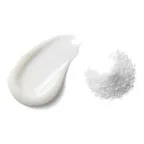 Glutathione
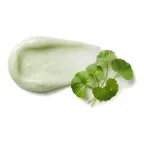 Madecassoside
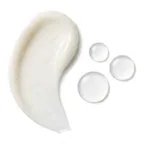 Squalane
Glutathione, madecassoside, and squalane even out skin tone, soothe irritation, and lock in moisture, so it suits dry skin, combination skin, skin with dark spots, and mature skin best. For skin that needs oil control, sunscreens with zinc and niacinamide get higher fit scores.
Each fit is calculated for the concerns frequently associated with that skin type. For scores and recommendations based on your full skin profile, including your 12D face scan results and goals, use the Lovi app.
Updated How the Fit score works
Where it fits best and least
Best fit High
Dry Skin, Combination Skin, Skin with Dark Spots, Mature Skin
A great choice for dry skin; a few sunscreens fit it even better.
- Offers moderate suitability for your dry skin due to the presence of squalane and glycerin for emollient and humectant actions, which provide basic hydration. While sodium hyaluronate and glycerin offer supportive hydration for dry or flaky skin, the formula lacks specialized ingredients to directly address significant dryness.
Lowest fit Average
Oily Skin, Sensitive Skin, Acne-Prone Skin, Dry Sensitive Skin, Oily Acne-Prone Skin
Works for oily skin; other sunscreens fit it better.
- Suitable for oily skin as Melaleuca Alternifolia Tree Extract and Glutathione offer seboregulation and antioxidant activity, while Ethylhexyl Methoxycinnamate and Octocrylene provide excellent sun protection. The formula also includes Beta-Glucan and Melaleuca Alternifolia Tree Extract, which are beneficial for soothing oily skin and preventing irritation.
How to apply
- Use this moisturizing sunscreen daily in your AM routine. Reapply every two hours when exposed to direct sun.
- Apply this moisturizing sunscreen as the final step of your morning routine after your moisturizer.
- Smooth an even layer of the moisturizing sunscreen over your face and neck, avoiding harsh rubbing.
- Avoid the immediate eye area and discontinue use if any irritation occurs.
People Say
★4.7Overall rating based on 1.4k+ reviewsBased on a very large amount of data, users with sensitive and combination skin frequently praise this chemical sunscreen for its lightweight, lotion-like texture that absorbs quickly without stinging the eyes. While the inclusion of Glutathione and Niacinamide is highlighted for potential brightening effects over time, the immediate consensus focuses on its comfortable, moisturizing finish that leaves no white cast, though some find the 40ml tube smaller than average.
Highlights
Lightweight texture Mostly Mentioned
- “feels like a light moisturizer”
- “absorbs in seconds”
- “weightless on skin”
- “not sticky at all”
No white cast Mostly Mentioned
- “leaves no white cast”
- “finish is totally transparent”
- “blends like your own skin”
- “no white film”
Non-irritating Often Mentioned
- “doesn't sting my eyes”
- “calmed my redness”
- “no irritation on sensitive skin”
- “gentle formula”
Moisturizing finish Sometimes Noted
- “leaves a healthy glow”
- “moisturizing without stickiness”
- “skin feels hydrated”
- “good base for makeup”
Small volume Sometimes Noted
- “size seems small”
- “wish it came in a bigger bottle”
- “finished it in a month”
- “tube feels a bit empty”
Limited hydration Rarely Noted
- “dry skin may need something richer”
- “lightly hydrating but not enough for winter”
- “need a cream underneath”
Shiny finish Rarely Noted
- “a bit too glowy for me”
- “initially shiny”
- “takes a moment to absorb fully”
- “prefer a matte finish”
Sources: lovi.care, iherb.com, stylevana.com, yesstyle.com, reddit.com, youtube.com, and more
Questions and answers
What makes APLB Glutathione Niacinamide Sunscreen a great fit for dry skin?
This sunscreen is a great fit because it provides excellent moisturizing and UV protection, using squalane and glycerin to keep dry skin soft and hydrated. It also features a very safe formula with soothing ingredients like beta-glucan and sodium hyaluronate that are unlikely to cause irritation.
How well does APLB Glutathione Niacinamide Sunscreen work for oily skin?
This sunscreen works for oily skin by offering sun protection and soothing benefits, though it lacks specialized ingredients to directly manage excess oil. Oily skin works best with lightweight formulas that control shine and balance oil levels without heaviness.
Journal of Cosmetic Science, 2008Archives of Dermatological Research, 2024
How often should I use this cream?
You can use this moisturizing spf every morning as the final step of your daytime routine to keep your skin protected and hydrated. Daily application helps maintain skin moisture and shields against the sun without causing irritation.
Is this cream fragrance-free and alcohol-free?
Yes, it has no fragrance and no drying alcohol. Stearyl alcohol and cetearyl alcohol are fatty alcohols, which soften the skin.
What makes APLB Glutathione Niacinamide Sunscreen a great fit for combination skin?
This sunscreen is a great fit because it protects against UV damage while helping to control oiliness and brighten your complexion. Ingredients like glutathione and madecassoside help improve moisture and smoothness while keeping your skin calm.
How well does APLB Glutathione Niacinamide Sunscreen work for sensitive skin?
This sunscreen works moderately well for sensitive skin, using squalane and sodium hyaluronate to help keep skin hydrated while beta-glucan and madecassoside help calm redness. It is considered a safe choice, though sensitive skin often does better with a formula that includes ceramides, niacinamide, and extra soothing antioxidants for comfort.
What makes APLB Glutathione Niacinamide Sunscreen a great fit for skin with dark spots?
APLB Glutathione Niacinamide Sunscreen is a great fit for skin with dark spots because it combines sun protection with helpful ingredients like glutathione, which supports overall skin health and protects against environmental stress. The formula is also very safe and gentle, using soothing agents to minimize the risk of irritation.
Journal of the European Academy of Dermatology and Venereology, 2024
How well does APLB Glutathione Niacinamide Sunscreen work for acne-prone skin?
APLB Glutathione Niacinamide Sunscreen works moderately well for acne-prone skin, providing sun protection and mild soothing effects without causing irritation. To fit this skin better, a product of this type needs lightweight hydration that avoids excess oiliness while delivering targeted ingredients like ceramides and centella asiatica to calm breakouts and support the skin barrier.
Indian Journal of Dermatology, Venereology and Leprology, 2007Molecules, 2023
What makes APLB Glutathione Niacinamide Sunscreen a great fit for mature skin?
This sunscreen is a great fit for mature skin because it combines broad-spectrum UV protection with hydrating squalane and sodium hyaluronate to keep dry areas smooth and soft. It also includes adenosine and hydrolyzed collagen, which help improve skin elasticity and reduce the look of fine lines.
International Journal of Cosmetic Science, 2018International Journal of Molecular Sciences, 2026
How well does APLB Glutathione Niacinamide Sunscreen work for dry sensitive skin?
This sunscreen works moderately well for dry sensitive skin by providing basic moisture with squalane and sodium hyaluronate, but it lacks deeper hydration to fully address dryness. Because it is free of harsh ingredients, it is unlikely to cause irritation while protecting against the sun. To work better for dry skin, a product of this type needs richer moisturizing agents and higher concentrations of deeply hydrating ingredients.
How well does APLB Glutathione Niacinamide Sunscreen work for oily acne-prone skin?
This sunscreen works moderately well for oily acne-prone skin, providing reliable sun protection and helping to manage oiliness, though it does not directly target active breakouts. To truly excel on this skin type, a product of this type needs lightweight hydration that avoids excess oiliness alongside beneficial ingredients like niacinamide and Centella Asiatica to effectively address blemishes.
Journal of the European Academy of Dermatology and Venereology, 2024Skin Pharmacology and Physiology, 2018
What the research says
A single application of a moisturizing fluid containing hyaluronic acid 1%, glycerin 5%, and Centella asiatica stem cells extract significantly increased skin hydration by 29% and reduced transepidermal water loss at 24 hours compared to baseline and an untreated control site in twenty healthy women.
Clinical, Cosmetic and Investigational Dermatology, 2017Glutathione amino acid precursors effectively increase cellular glutathione levels, reducing oxidative stress, ATP depletion, and DNA damage in human keratinocytes, clinical subjects, and ex vivo skin compared to controls.
Journal of the European Academy of Dermatology and Venereology, 2024Topical oxidized glutathione significantly decreases the skin melanin index and improves moisture content, smoothness, wrinkle formation, and elasticity compared to placebo in healthy women.
Clinical, Cosmetic and Investigational Dermatology, 2014Topical glutathione improves hyperpigmentation, reduces ultraviolet-induced erythema and wrinkles, decreases transepidermal water loss, and enhances antioxidant capacity.
The Journal of Clinical and Aesthetic Dermatology, 2025Topical treatment with 5% vitamin C and 0.1% madecassoside significantly improved clinical scores for wrinkles, suppleness, firmness, roughness, and skin hydration, along with functional and structural remodeling of the elastic fiber network in 20 female volunteers with photoaged skin after 6 months compared to baseline.
Experimental Dermatology, 2008Treatment with an asiaticoside-containing cream applied twice daily for 12 weeks significantly improved periorbital wrinkles in 65% of 27 female volunteers compared to a vehicle control cream.
International Journal of Cosmetic Science, 2008Application of fullerene-C60 dissolved in squalane cream twice daily for 8 weeks significantly enhanced skin moisture and reduced wrinkle formation compared to placebo in 23 Japanese women without severe side effects.
Journal of Nanoscience and Nanotechnology, 2010Squalane at 0.005-0.015% counteracts UVA-induced oxidative stress, inflammation, and collagen metabolism inhibition while stimulating fibroblast migration in human dermal fibroblasts.
Molecules, 2025Plant-derived squalane protected human dermal fibroblasts against UVA-induced damage by counteracting ROS formation, suppressing apoptosis-related proteins p53, caspase-3, caspase-9, and PARP, and restoring the pro-survival p-Akt/mTOR pathway.
Antioxidants, 2025Combining high-intensity focused ultrasound with a topical agent containing glutathione and hyaluronic acid significantly improves skin quality, fine wrinkles, hyperpigmentation, hydration, and brightness in female volunteers compared to the topical agent alone.
The Journal of Dermatological Treatment, 2024Multilamellar liposomes containing octyl methoxycinnamate increased stratum corneum accumulation and reduced deeper skin penetration compared to conventional emulsions and small unilamellar liposomes in six volunteers, resulting in a slightly better sun protection factor.
Journal of Cosmetic Science, 2008Hyaluronic acid-based formulations exhibit remarkable anti-wrinkle, anti-aging, and skin rejuvenating effects via soft tissue augmentation, improved skin hydration, and face volume restoration.
International Journal of Biological Macromolecules, 2018The application of a sunscreen formulation containing ethylhexyl methoxycinnamate, ethylhexyl salicylate, methyl anthranilate, and octocrylene does not significantly affect critical acne-related species such as Cutibacterium acnes and Staphylococcus epidermidis, refuting the induction of facial dysbiosis in men.
Archives of Dermatological Research, 2024Topical 5% tea tree oil gel significantly improved total acne lesions and acne severity index compared to placebo in 60 patients with mild to moderate acne vulgaris, showing 3.55 times and 5.75 times greater efficacy respectively.
Indian Journal of Dermatology, Venereology and Leprology, 2007Replacing 20% of the chemical UV filter octyl methoxycinnamate with urucum oil in solid lipid nanoparticles maintained the skin protection factor without inducing toxic responses or significant skin penetration in human volunteers.
Skin Pharmacology and Physiology, 2018Colloidal oatmeal acts as a cleanser, moisturizer, buffer, and soothing anti-inflammatory agent due to its starches, beta-glucan, phenols, and saponins, relieving itch and irritation in xerotic dermatoses.
Journal of Drugs in Dermatology, 2007Cosmetic formulations containing 5% Centella asiatica extract showed the best efficacy in improving skin moisture and decreasing transepidermal water loss, while also exhibiting antiinflammatory properties in 25 volunteers compared to baseline measurements.
Indian Journal of Pharmaceutical Sciences, 2016Co-delivery of paeonol and madecassoside via nanoemulsions improved transdermal delivery, promoted barrier repair proteins, inhibited inflammatory cytokine secretion in cellular and 3D models, and reduced transepidermal water loss and acne in human facial skin compared to free components.
Molecules, 2023Incorporating rosmarinic acid into sunscreens enhanced the in vivo SPF of octocrylene by over 157% and reduced lipid peroxidation in the human stratum corneum.
Antioxidants, 2025A combination serum containing galactomyces ferment filtrate, dexpanthenol, and Centella asiatica effectively treated post-acne hyperpigmentation in subjects with colored skin by significantly increasing lightness scores in Fitzpatrick skin type V and reducing the melanin index in Fitzpatrick skin type IV compared to placebo.
Skinmed, 2021Topical and oral glutathione improved pigmentation, skin brightness, hydration, and oxidative stress markers, whereas injectable glutathione yielded rapid systemic increases with short-lasting effects and safety concerns.
Molecules, 2026Glutathione amino acid precursors blend (GAP) inhibited melanin production more effectively than ascorbic acid derivatives in normal human epidermal melanocytes, and protected pigmented living skin equivalent models against UVB-induced pigmentation, alterations in gene expression, and elevation of biological age.
Journal of the European Academy of Dermatology and Venereology, 2024Topical hyaluronic acid filler serum combined with Botulinum toxin type A lengthened the duration of the toxin's effect in reducing wrinkles compared to Botulinum toxin type A alone.
Dermatologic Therapy, 2022Topical application of a vitamin C-squalene bioconjugate significantly increased epidermal thickness, type III collagen production, and glycosaminoglycans production in human skin explants compared to free vitamin C and vitamin C-palmitate.
Scientific Reports, 2020Adenosine-loaded dissolving microneedle patches showed similar or better efficacy on skin wrinkles, dermal density, elasticity, and hydration compared to adenosine cream in 22 female subjects.
International Journal of Cosmetic Science, 2018Topical application of a disodium adenosine monophosphate-based formulation reduced wrinkles and hyperpigmentation while improving hydration, barrier function, skin lifting, and epidermal turnover in female participants.
International Journal of Molecular Sciences, 2026Collagen peptides and their active serum metabolites promote photoaging skin cell repair by activating the TGF-β/Smad pathway to stimulate procollagen synthesis and suppressing matrix metalloproteinases to prevent collagen degradation in skin fibroblasts.
Food & Function, 2019The novel high-payload nanosuspension system of Centella asiatica extract increased skin accumulation of asiatic acid, madecassic acid, and asiaticoside by 5-, 4-, and 4.5-fold respectively compared to a marketed cream in porcine skin, with no local skin irritation in normal rats.
International Journal of Nanomedicine, 2021
Ingredients
Water, Ethylhexyl Methoxycinnamate, Butylene Glycol, Ethylhexyl Salicylate, Octocrylene, Bis-Ethylhexyloxyphenol Methoxyphenyl Triazine, Butyl Methoxydibenzoylmethane, Dipropylene Glycol, Squalane, C14-22 Alcohols, 1,2-Hexanediol, Polyglyceryl-2 Stearate, Propanediol, Hydroxyacetophenone, Glyceryl Stearate, Stearyl Alcohol, C12-20 Alkyl Glucoside, Tromethamine, Carbomer, Melaleuca Alternifolia Tree Extract, Hippophae Rhamnoides Fruit Extract, Vitis Vinifera Fruit Extract Grape Fruit Extract, Acrylates C10-30 Alkyl Acrylate Crosspolymer, Uncaria Sinensis Extract, Glycerin, Adenosine, Disodium Edta, Rice Bran Extract, Hydrogenated Phosphatidylcholine, Caprylic Capric Triglyceride, Sodium Hyaluronate, Glucose, Hydrolyzed Collagen, Sucrose Stearate, Glutathione, Cyclodextrin, Cetearyl Alcohol, Caprylyl Glycol, Beta-Glucan, Caprylhydroxamic Acid, Ethylhexylglycerin, Asiatic Acid, Asiaticoside, Madecassic Acid, Madecassoside, Tropolone, Potassium Hyaluronate
Behind these fit scores
Lovi calculates every fit score from the full ingredient list with brand-independent rules our dermatologists and cosmetic chemists build and review, and personalizes every pick with AI trained on the real results of millions of users. Lovi trains its fit score models on a proprietary dataset built from more than 10,000 expert-labeled products and more than 100,000 simulated examples, following an internally consistent methodology presented at Cosmoprof, AMWC, and Skin of Color Update.
-

Co-founder, Medical Director
Cosmetic chemist, cosmetologist, aesthetic products developer
-

Co-founder, CEO and CTO
PhD in computer science, 3x US patent holder, ex-Google, ex-Yandex
-

Dr. Sofía Perea Pérez, MD, MSc
Medical Board
Aesthetic medicine practitioner, MSc in Longevity and Anti-Aging Medicine
-

Medical Board
Specialist dermatologist, MBBS, MD, IFAAD
-

Medical Board
Cosmetic chemist, SCS, IFSCC member
-

Medical Board, Medical Advisor
Dermatology MD
-

Elina Nazarenko, MD
Medical Board
Dermatology and diagnostic consultant
-

Victoria Derkova, MS
Medical Board
Cosmetic chemist, cosmetic development technologist


How does it fit your skin?
Scan your face, then any product: Lovi shows how well it fits you and what fits even better.