
NATURIUM Retinaldehyde Cream Serum 0.05%

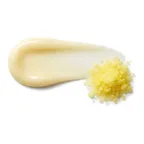 Retinal, retinaldehyde
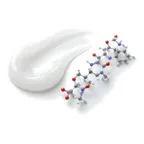 Biofermented Oligopeptide
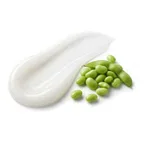 Amino Acids
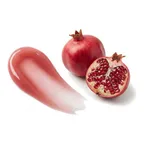 Punica Granatum Seed Extract
Retinaldehyde and punica granatum seed extract promote cell turnover and provide nourishment, so it suits every skin type. Consider buying on Amazon.com or Amazon.co.uk.
Each fit is calculated for the concerns frequently associated with that skin type. For scores and recommendations based on your full skin profile, including your 12D face scan results and goals, use the Lovi app.
Updated How the Fit score works
Fit for every skin type
Every skin type Average
Oily Skin, Dry Skin, Combination Skin, Sensitive Skin, Acne-Prone Skin, Skin with Dark Spots, Mature Skin, Dry Sensitive Skin, Oily Acne-Prone Skin
Works for oily skin; other serums fit it better.
- Offers moderate suitability for your oily skin as retinaldehyde promotes cell turnover and antioxidant activity, while glycerin provides essential hydration. Yeast extract and punica granatum seed extract further support skin health without causing irritation.
Buy online

Prices checked 22 Nov 2026
The Lovi Fit is the same in every country; these offers are from Amazon.com and Amazon.co.uk.
How to apply
- Apply this serum PM, starting 3×/week and working up to daily use as your skin adjusts.
- Place the serum after cleansing and toner, but right before your moisturizer.
- Gently press 2-3 drops of the serum into your skin and let it absorb for a minute.
- Apply the serum on slightly damp skin to help lock in extra moisture.
- Avoid the eye area and do a patch test before your first use.
People Say
★4.6Overall rating based on 400+ reviewsThis serum is widely praised as an excellent, gentle introduction to retinaldehyde, with users reporting visible improvements in skin texture, brightness, and acne control without the harsh irritation often associated with retinoids.
Highlights
Gentle & Non-irritating Mostly Mentioned
- “zero irritation”
- “skin friendly”
- “gentle formula”
- “no sensitivity”
Improves Texture & Tone Often Mentioned
- “skin is glowing”
- “smoother texture”
- “even tone”
- “faded dark spots”
Pleasant Texture Often Mentioned
- “lightweight”
- “absorbs well”
- “creamy serum”
- “hydrating feel”
Effective for Acne Sometimes Noted
- “holygrail for acne”
- “reduction in breakouts”
- “unclogs pores”
- “fades post-acne marks”
Great Value Sometimes Noted
- “affordable price”
- “great price point”
- “well priced”
- “good value”
Slow results Sometimes Noted
- “taken weeks/months”
- “slow progress”
- “not huge difference”
- “needs time”
Breakouts/Purging Rarely Noted
- “tiny bumps appeared”
- “small pimples”
- “caused breakout”
- “purging phase”
Dryness Rarely Noted
- “makes skin dry”
- “caused flakiness”
- “not hydrating enough”
- “dried out patches”
Skin irritation Rarely Noted
- “burning and itching”
- “caused rashes”
- “redness after use”
Sources: lovi.care, naturium.com, target.com, spacenk.com, reddit.com, youtube.com, and more
Questions and answers
How well does Naturium Retinaldehyde Cream Serum 0.05% work for oily skin?
This product works moderately well for oily skin, helping manage shine and support skin health with gentle hydration and cell turnover. To get an even better fit for oily skin, a treatment of this type needs ingredients like niacinamide, zinc PCA, and balancing extracts that actively control excess oil, minimize pores, and enhance radiance.
How well does Naturium Retinaldehyde work for acne-prone skin?
Naturium Retinaldehyde Cream Serum works moderately well for acne-prone skin, helping clear blemishes and smooth fine lines while providing gentle hydration. However, because it may not fully manage T-zone oiliness, an acne-prone skin routine needs ingredients like niacinamide, zinc PCA, and antioxidants to balance oil production and calm breakouts.
Clinical, Cosmetic and Investigational Dermatology, 2017Colloids and Surfaces. B, Biointerfaces, 2019
How well does Naturium Retinaldehyde Cream Serum work for skin with dark spots?
Naturium Retinaldehyde Cream Serum 0.05% works as an average fit for skin with dark spots because its ingredients focus more on general skin health and fine lines than on pigmentation. For this skin, a treatment needs effective antioxidants and soothing ingredients that target dark spots directly while keeping normal skin calm.
Is this serum fragrance-free and alcohol-free?
Yes, it has no fragrance and no drying alcohol.
How well does Naturium Retinaldehyde Cream Serum 0.05% work for dry skin?
Naturium Retinaldehyde Cream Serum 0.05% works moderately well for dry skin, providing hydration and smoothing texture while soothing the skin. However, dry skin needs a treatment that is exceptionally suitable, rich in intensive hydrating ingredients, and packed with barrier-supporting components like ceramides, niacinamide, or peptides to nourish and promote a healthy glow.
How well does Naturium Retinaldehyde work for oily acne-prone skin?
Naturium Retinaldehyde Cream Serum 0.05% works moderately well for oily acne-prone skin, as it helps with cell turnover and hydration while posing a low risk of irritation. However, it lacks ingredients that actively control oil and breakouts. A product of this type needs oil-regulating ingredients like niacinamide, salicylic acid, or vitamin C to better target acne and excess oil.
Clinical, Cosmetic and Investigational Dermatology, 2017Journal of Cosmetic Dermatology, 2013
How well does Naturium Retinaldehyde Cream Serum 0.05% work for combination skin?
Naturium Retinaldehyde Cream Serum 0.05% works moderately well for combination skin, as Retinaldehyde helps smooth fine lines while Glycerin and Propanediol hydrate and balance oiliness. A treatment for combination skin needs effective ingredients like niacinamide, propolis, or zinc PCA to manage oily shine, enhance radiance, and provide balanced hydration without causing excess oiliness or dryness.
Clinical, Cosmetic and Investigational Dermatology, 2017International Journal of Cosmetic Science, 2024
How well does Naturium Retinaldehyde Cream Serum 0.05% work for sensitive skin?
This serum works moderately well for sensitive skin, offering gentle exfoliation and hydration while safely avoiding harsh irritants. Because other options fit this skin type better, a sensitive skin routine needs ingredients that specifically calm redness and irritation, such as niacinamide and soothing botanical extracts.
How well does Naturium Retinaldehyde Cream Serum 0.05% work for mature skin?
Naturium Retinaldehyde Cream Serum 0.05% works moderately well for mature skin, offering helpful support for fine lines and hydration. To get a better fit for this skin type, a treatment needs high concentrations of powerful antioxidants, hydrating components, and skin-repairing ingredients that improve elasticity without any risk of irritation.
International Journal of Molecular Sciences, 2026Food & Function, 2019
How well does Naturium Retinaldehyde Cream Serum 0.05% work for dry sensitive skin?
This serum works reasonably well for dry and sensitive skin, offering moderate moisture and smoother texture, though it may need to be started slowly. To get a better fit for this skin type, a product needs rich hydrating and nourishing ingredients, along with ceramides and barrier-supporting components that prevent irritation.
What the research says
Twice daily application of retinaldehyde 0.1% and 0.05% creams for 3 months improved skin texture and hydration and reduced transepidermal water loss in 40 female Korean volunteers, with only the 0.1% cream significantly improving the melanin index.
Journal of Cosmetic Dermatology, 2018Topical 0.05% retinaldehyde applied over 1 year significantly increased epidermal thickness of the temple and cutaneous elasticity compared to an emollient control group in 40 aging skin patients.
Dermatology, 1999Topical 0.05% retinaldehyde cream reduced wrinkle and roughness features similarly to 0.05% retinoic acid cream in patients with photodamaged facial skin, while demonstrating superior local tolerance and better patient compliance.
Journal of the American Academy of Dermatology, 1998Topical preparations containing zinc(II) complexes with glycine and histidine effectively treat acne skin by providing high antibacterial activity against C. acnes and low cytotoxicity for skin cells, with no observed irritation or allergy in healthy volunteers.
International Journal of Molecular Sciences, 2021Mycosporine-like amino acids serve as promising multifunctional natural ingredients for sun care products, offering UV protection, anti-photoaging, and skin renewal benefits.
Marine Drugs, 2017An analysis of 14 patents filed between 2014 and 2024 revealed the increasing use of mycosporine-like amino acids in sunscreens, anti-aging creams, and antioxidant formulations, featuring enhanced water resistance, increased SPF, and defense against electromagnetic radiation.
Photochemical & Photobiological Sciences, 2025Daily consumption of fermented pomegranate extract drinks and serums improved skin moisture, brightness, elasticity, and collagen density while reducing spots in healthy subjects compared to baseline.
Journal of Cosmetic Dermatology, 2022Phenolic-rich pomegranate peel extract formulated into a serum and mask showed significantly better facial skin lightening efficacy than placebo in 30 volunteers over 28 days.
Planta Medica, 2020Topical application of a 2% cream containing combined fruit extracts for 56 days significantly reduced wrinkle depth by 11.5%, length by 10.07%, and area by 29.55% in 21 female subjects compared to a placebo.
Clinical, Cosmetic and Investigational Dermatology, 2015A single application of a moisturizing fluid containing hyaluronic acid 1%, glycerin 5%, and Centella asiatica stem cells extract significantly increased skin hydration by 29% and reduced transepidermal water loss at 24 hours compared to baseline and an untreated control site in twenty healthy women.
Clinical, Cosmetic and Investigational Dermatology, 2017Topical moisturizers improved skin barrier function and surface moisture, while a postbiotic moisturizer with yeast extract uniquely supported microbiome balance and modulated biomarkers of skin barrier, structure, and inflammation in participants and ex vivo explants exposed to environmental aggressors.
Journal of Clinical Medicine, 2023A topical antioxidant serum significantly reduced air pollution-induced skin pigmentation and proinflammatory gene expression ex vivo, and improved skin aging signs in 40 healthy adult females after 90 days of daily use.
Journal of Cosmetic Dermatology, 2022Topical application of a disodium adenosine monophosphate-based formulation reduced wrinkles and hyperpigmentation while improving hydration, barrier function, skin lifting, and epidermal turnover in female participants.
International Journal of Molecular Sciences, 2026Topical application of 1,3-propanediol at various concentrations, alone or combined with butylene glycol and/or glycerol, increased skin hydration and reduced trans epidermal water loss in 30 healthy female subjects over an 8-hour period, with the 15% concentration and the addition of glycerol providing greater benefits.
International Journal of Cosmetic Science, 2024A mixture of propanediol, xylitol, and caprylic acid demonstrated in vitro antimicrobial activity against C. acnes and S. aureus, reduced 5-alpha reductase expression, and decreased skin oiliness, porphyrin, and inflammatory lesions in participants over 28 days.
Molecules, 2021Hydrogels containing vitamin E-loaded nanostructured lipid carriers exhibited better occlusive properties and long-lasting effects, while vitamin E-loaded nanoemulsions performed a faster skin hydration effect and were selected as more attractive for skin application.
Colloids and Surfaces. B, Biointerfaces, 2019A topical serum containing vitamin C, vitamin E, and raspberry leaf cell culture extract improved skin color, elasticity, radiance, smoothness, scaliness, and wrinkles compared to the untreated contralateral side in fifty female volunteers.
Journal of Cosmetic Dermatology, 2020Mycosporine-like amino acids derived from the marine green alga Chlamydomonas hedleyi exhibited antioxidant, anti-inflammatory, and anti-skin aging activities by modulating the expression of UV-responsive genes in the human fibroblast cell line HaCaT.
Marine Drugs, 2014Collagen peptides and their active serum metabolites promote photoaging skin cell repair by activating the TGF-β/Smad pathway to stimulate procollagen synthesis and suppressing matrix metalloproteinases to prevent collagen degradation in skin fibroblasts.
Food & Function, 2019An amino acid complex provided ultraviolet protection and damage repair in human skin models, preventing collagen I decreases, reducing TNFalpha, histamine, and MMP-1, and improving cellular markers when applied as an ingredient, in a lotion, or combined with sunscreen.
Journal of Drugs in Dermatology, 2024Vegetable oils rich in essential fatty acids, particularly linoleic acid, significantly promoted human keratinocyte and fibroblast proliferation in vitro compared to unsaponifiable compounds and punicic acid, while sterculic and oleic acids inhibited gap closure and altered cell morphology.
Scientific Reports, 2025A novel formulation of hydroxyphenoxy propionic acid, ellagic acid, yeast extract, and salicylic acid demonstrated parity in improving pigmentation, skin tone, spot intensity, and spot size compared to standard prescription 4% hydroquinone and 0.025% tretinoin in 82 subjects, with superior tolerability.
Journal of Cosmetic Dermatology, 2013A maintenance therapy with a cosmeceutical formulation containing hydroxyphenoxy propionic acid, ellagic acid, yeast extract, and salicylic acid over 20 weeks significantly improved even skin tone, spot intensity, spot size, and overall hyperpigmentation in 33 healthy subjects with moderate facial dyspigmentation.
Journal of Drugs in Dermatology, 2015
Ingredients
Water, Glycerin, Propanediol, Triheptanoin, C13-15 Alkane, Coco-Caprylate Caprate, Carbomer, Yeast Extract, Apricot Polyglyceryl-6 Esters Kernel Oil, Amino Acids, Punica Granatum Seed Extract, Cetyl Diglyceryl Tris Trimethylsiloxy Silylethyl Dimethicone, Hydrolyzed Yeast Extract, Olivine Extract, Dilinoleic Acid Butanediol Copolymer, Cellulose, Phenoxyethanol, Sorbitan Oleate, Sodium Metabisulfite, Retinal, Guanosine, Uracil, Polyacrylate Crosspolymer-6, C9-12 Alkane, Caprylyl Glycol, Polyglyceryl-10 Dipalmitate, Dipropylene Glycol, Sodium Hydroxide, Glyceryl Polyacrylate, Tocopherol, Pvm Ma Copolymer, Adenosine Phosphate, Castor Ipdi Copolymer Oil, Potassium Sorbate, Hexadecene, Sodium Benzoate, T-Butyl Alcohol
Behind these fit scores
Lovi calculates every fit score from the full ingredient list with brand-independent rules our dermatologists and cosmetic chemists build and review, and personalizes every pick with AI trained on the real results of millions of users. Lovi trains its fit score models on a proprietary dataset built from more than 10,000 expert-labeled products and more than 100,000 simulated examples, following an internally consistent methodology presented at Cosmoprof, AMWC, and Skin of Color Update.
-

Co-founder, Medical Director
Cosmetic chemist, cosmetologist, aesthetic products developer
-

Co-founder, CEO and CTO
PhD in computer science, 3x US patent holder, ex-Google, ex-Yandex
-

Dr. Sofía Perea Pérez, MD, MSc
Medical Board
Aesthetic medicine practitioner, MSc in Longevity and Anti-Aging Medicine
-

Medical Board
Specialist dermatologist, MBBS, MD, IFAAD
-

Medical Board
Cosmetic chemist, SCS, IFSCC member
-

Medical Board, Medical Advisor
Dermatology MD
-

Elina Nazarenko, MD
Medical Board
Dermatology and diagnostic consultant
-

Victoria Derkova, MS
Medical Board
Cosmetic chemist, cosmetic development technologist


How does it fit your skin?
Scan your face, then any product: Lovi shows how well it fits you and what fits even better.