NatureWell Extra Virgin Coconut Oil Moisturizing Cream for oily acne-prone skin

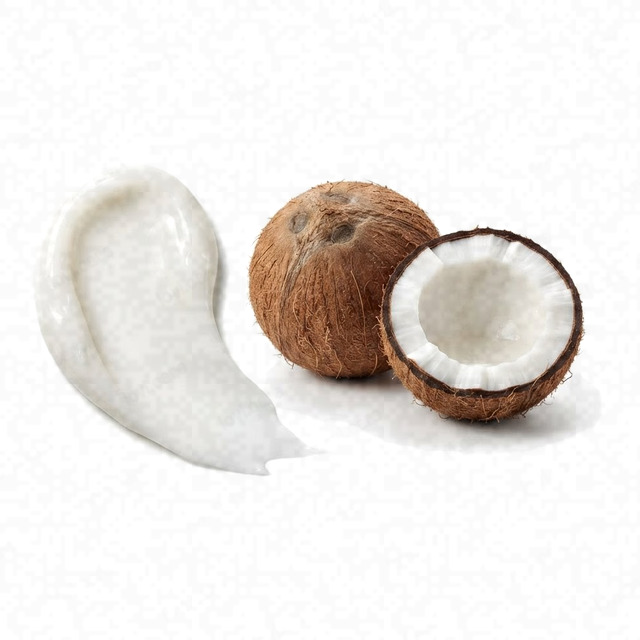 Extra Coconut Oil
 Glycerin
 Retinyl Palmitate Vitamin A
 Tocopheryl Acetate Vitamin E
 Ascorbic Acid
Caution
- AverageOily Skin Fit
- AverageEffectiveness
- RiskySafety
A poor match for oily acne-prone skin; the moisturizers alongside fit it better.
This fit is calculated for the concerns frequently associated with oily acne-prone skin: shine, breakouts, blemishes, and enlarged pores. For scores and recommendations based on your full skin profile, including your 12D face scan results and any goals or preferences you have, please use the Lovi app.
Page built Nov 8, 2026How the Fit score works
Lovi Assistant explains
- Offers moderate moisturizing for your oily skin due to coconut oil and glycerin, but the presence of coconut oil and dimethicone may clog pores and worsen oiliness, making it less suitable for your acne and blemishes.
- While the formula is free of harsh ingredients and poses no irritation risk for your oily skin, it lacks sufficient ingredients for effective seboregulation, which is a key concern for your additional goal of managing oiliness.
How to apply
- Use this AM and PM routine every day to help clear your skin. Always remember to finish with SPF in the morning.
- Apply the moisturizer after your cleanser and toner, right before your SPF during the day.
- Gently press a small amount into your skin and avoid rubbing to keep pores clear.
- Apply on clean, slightly damp skin to help the product absorb better and control oil.
- Avoid the sensitive eye area and do a simple patch test before your first use.
People Say
★4.8Overall rating based on 900+ reviewsThis moisturizing cream is highly praised for delivering intense hydration, leaving skin feeling soft and smooth without greasiness. The cream also has a mild, pleasant scent.
Highlights
Deeply hydrating Mostly Mentioned
- “Provides intense hydration to help maintain visually softer, smoother, & more supple skin.”
- “My skin often feels dry and neglected... this product lived up to its promises.”
- “Kept my skin from drying or flaking or peeling.”
Non-greasy formula Often Mentioned
- “Absorbs quickly without leaving any greasy residue.”
- “It's not greasy, it has a very clean and pleasant smell.”
- “The cream absorbs quickly into the skin, not sticky.”
Mild, pleasant scent Sometimes Noted
- “Scent is mild and clean smelling.”
- “Mild coconut aroma that smells good enough to eat but isn't overpowering.”
- “Fragrance a coco delicada y suave.”
Versatile usage Sometimes Noted
- “Works amazing on the whole body. Face too.”
- “Great for skin and HAIR.”
- “Can use on your face but also your body.”
Bulky container size Rarely Noted
- “Not the most travel-friendly packaging due to its size.”
- “16-ounce capacity... might be too large for some travel needs.”
Fragrance sensitivity Rarely Noted
- “Some users who are sensitive to fragrance might find it unnecessary.”
- “I would have liked more if the fragrance was stronger" (or conversely, too much for some).”
Jar packaging hygiene Rarely Noted
- “The jar format might not appeal to individuals who prefer pump bottles for hygiene reasons.”
- “Jar might not be the most hygienic compared to a pump.”
Sources: lovi.care, samsclub.com, ebay.com, reddit.com, youtube.com, walmart.com, and more
Questions and answers
Why does Lovi advise caution with NatureWell Coconut Oil Cream for oily acne-prone skin?
Lovi advises caution because coconut oil and dimethicone may clog your pores and worsen oiliness, making this cream less suitable for your acne and blemishes. It also lacks the ingredients needed to control oil. Oily acne-prone skin needs a lightweight moisturizer without heavy oils, featuring ingredients that support the skin barrier and manage oil without clogging pores.
Which ingredients make this cream a poor fit for oily acne-prone skin?
Coconut oil and dimethicone make this cream a poor fit because they may clog pores and worsen oiliness on your skin. A moisturizing treatment for oily acne-prone skin needs lightweight hydrating agents and the absence of heavy oils to maintain a clear complexion without adding excess oil.
What does Coconut Oil do for oily acne-prone skin?
Coconut oil is generally not a good fit for oily, acne-prone skin because it tends to clog pores and can make breakouts more likely. This skin type needs lightweight, non-clogging hydrators and balancing ingredients that keep pores clear without adding extra weight.
What does Glycerin do for oily acne-prone skin?
Glycerin helps keep oily acne-prone skin hydrated without feeling heavy. It draws moisture into the skin while supporting the skin barrier so it stays soft and balanced.
The British Journal of Dermatology, 2008Clinical, Cosmetic and Investigational Dermatology, 2017
Where does this cream go in a skincare routine for oily acne-prone skin?
This cream is a poor match for oily acne-prone skin because coconut oil and dimethicone may clog pores and worsen oiliness. Oily acne-prone skin needs a lightweight, oil-free moisturizer with ingredients like niacinamide to help manage oil and prevent blemishes.
Can I use this cream with retinol, and in what order?
This cream is unlikely to cause irritation when used with retinol, but because its coconut oil and dimethicone may clog pores, it is a poor match for oily acne-prone skin. Skin of this type needs a lightweight, non-clogging moisturizer with ingredients that help control oil and balance blemishes.
How often should I use this cream?
This cream is a poor match for your oily acne-prone skin because coconut oil and dimethicone may clog your pores and worsen oiliness. Oily and acne-prone skin needs lightweight products with oil-controlling ingredients to keep pores clear and manage excess shine.
Can this cream clog pores, cause breakouts or purging for oily acne-prone skin?
Yes, this cream may clog pores and worsen oiliness because it contains coconut oil and dimethicone, making it a poor match for oily and acne-prone skin. A product for this skin needs lightweight hydrators and ingredients that help control excess oil without blocking pores.
Can I use this cream around the eyes or on my body?
You can use this moisturizing treatment on your body, but it is less suited for the very thin skin around the eyes because heavy ingredients may clog pores there. A product for the eye area needs lightweight hydrators and soothing plant extracts that keep skin soft and smooth without feeling heavy.
Is this cream fragrance-free and alcohol-free?
It has no drying alcohol and contains fragrance (parfum, hexyl cinnamal, coumarin, and benzyl alcohol). Cetyl alcohol is a fatty alcohol, which soften the skin.
What the research says
Overnight virgin coconut oil application provides a skin protective effect against damage and increased TEWL from frequent alcohol-based hand sanitizer usage in 60 volunteers, resulting in a 25% increase in perceived moisture content compared to the control group.
Journal of Cosmetic Dermatology, 2021A single application of a moisturizing fluid containing hyaluronic acid 1%, glycerin 5%, and Centella asiatica stem cells extract significantly increased skin hydration by 29% and reduced transepidermal water loss at 24 hours compared to baseline and an untreated control site in twenty healthy women.
Clinical, Cosmetic and Investigational Dermatology, 2017The emollient V0034CR significantly reduced TEWL compared to vehicle and vehicle plus glycerol, and significantly increased corneometry scores compared to vehicle and vehicle plus petrolatum in healthy volunteers with dry skin, demonstrating combined barrier function improvement from petrolatum and hydration improvement from glycerol.
Journal of Cosmetic Dermatology, 2020Ten days of treatment with a cream containing 20% glycerin significantly increased skin hydration measured by corneometer values in 17 healthy volunteers compared to a placebo cream, but showed no influence on transepidermal water loss or skin sensitivity to an irritating surfactant.
International Journal of Cosmetic Science, 2001Over-the-counter retinol products provided only weak evidence for a mild ameliorating effect on fine facial skin wrinkle lines in randomized, double-blind, vehicle-controlled trials, and major methodological flaws call the validity of positive results into question.
The Journal of Clinical and Aesthetic Dermatology, 2021A cosmetic niacinamide/peptide/retinyl propionate regimen significantly improved periorbital wrinkle appearance relative to a 0.02% tretinoin regimen at 8 weeks with comparable benefits at 24 weeks, while demonstrating significantly better tolerability in 196 women.
The British Journal of Dermatology, 2010A novel triple-active cosmetic formulation containing 4-hexylresorcinol, retinyl propionate, and niacinamide improved the visual appearance of photoageing similarly to 0.02% tretinoin and reversed a consensus gene signature associated with ageing in female adults while causing less skin irritation.
International Journal of Cosmetic Science, 2024Topical application of an antioxidant serum containing 15% ascorbic acid, 0.5% ferulic acid, and 1% tocopherol prevented particulate matter-induced degradation of extracellular matrix components, inflammation, and oxidative stress in the skin of 15 female volunteers compared to untreated controls.
Journal of Cosmetic Dermatology, 2025Dermatological products containing d-alpha tocopheryl acetate showed non-comedogenic potential with less than a 50% increase in microcomedones in 12 healthy male subjects compared to octyl palmitate.
Contemporary Clinical Trials Communications, 2021Topical application of an antioxidant mix containing 15% ascorbic acid, 0.5% ferulic acid, and 1% tocopherol prevented PM and UV-induced skin barrier perturbation, lipid peroxidation, inflammatory markers, MMP9 activation, and Type I collagen loss in 15 healthy females compared to untreated exposed skin.
Journal of Cosmetic Dermatology, 2024Topical application of 5% vitamin C cream significantly improved global clinical scores, increased skin microrelief density, and induced elastic tissue repair in photoaged skin compared to excipient control in healthy female volunteers.
Experimental Dermatology, 2003Ascorbic acid 2-glucoside gel significantly reduced gingival melanin pigmentation after 4 weeks compared to placebo in 73 subjects with symmetric pigmentation.
Journal of Periodontology, 2009Topical application of VC-IP cream twice daily for 8 weeks reduces periorbital wrinkles in female subjects compared to a placebo cream.
Journal of Cosmetic Dermatology, 2022
Ingredients
Water, Coconut Oil, Caprylic Capric Triglyceride, Octyldodecyl Myristate, Dimethicone, Glycerin, Peg-8 Beeswax, Macadamia Ternifolia Seed Oil, Vitis Vinifera Seed Oil Grape Seed Oil, Allantoin, Retinyl Palmitate, Tocopheryl Acetate, Ascorbic Acid, Polysorbate 85, Cetyl Alcohol, Ceteth-20, Steareth-20, Glyceryl Stearate, Mineral Oil, Acrylates Acrylamide Copolymer, Phenoxyethanol, Parfum, Hexyl Cinnamal, Coumarin, Benzyl Alcohol
Behind this fit score
Lovi calculates every fit score from the full ingredient list with brand-independent rules our dermatologists and cosmetic chemists build and review, and personalizes every pick with AI trained on the real results of millions of users. Lovi trains its fit score models on a proprietary dataset built from more than 10,000 expert-labeled products and more than 100,000 simulated examples, following an internally consistent methodology presented at Cosmoprof, AMWC, and Skin of Color Update.
-

Co-founder, Medical Director
Cosmetic chemist, cosmetologist, aesthetic products developer
-

Co-founder, CEO and CTO
PhD in computer science, 3x US patent holder, ex-Google, ex-Yandex
-

Dr. Sofía Perea Pérez, MD, MSc
Medical Board
Aesthetic medicine practitioner, MSc in Longevity and Anti-Aging Medicine
-

Medical Board
Specialist dermatologist, MBBS, MD, IFAAD
-

Medical Board
Cosmetic chemist, SCS, IFSCC member
-

Medical Board, Medical Advisor
Dermatology MD
-

Elina Nazarenko, MD
Medical Board
Dermatology and diagnostic consultant
-

Victoria Derkova, MS
Medical Board
Cosmetic chemist, cosmetic development technologist


How does it fit your skin?
Scan your face, then any product: Lovi shows how well it fits you and what fits even better.