Medicube Red Serum for dry skin

 Salicylic Acid
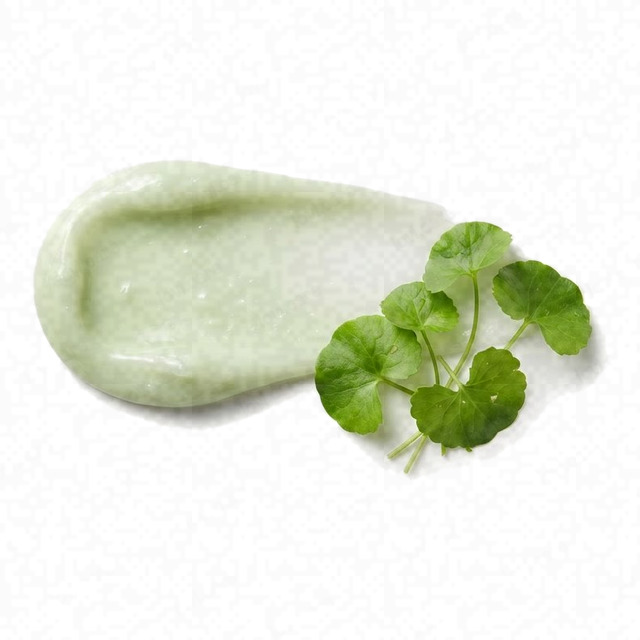 Centella Asiatica Extract
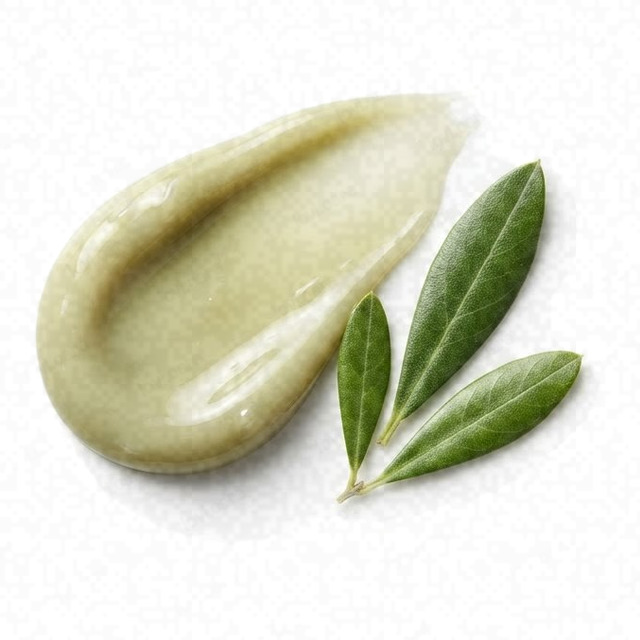 Oil Tree Leaf
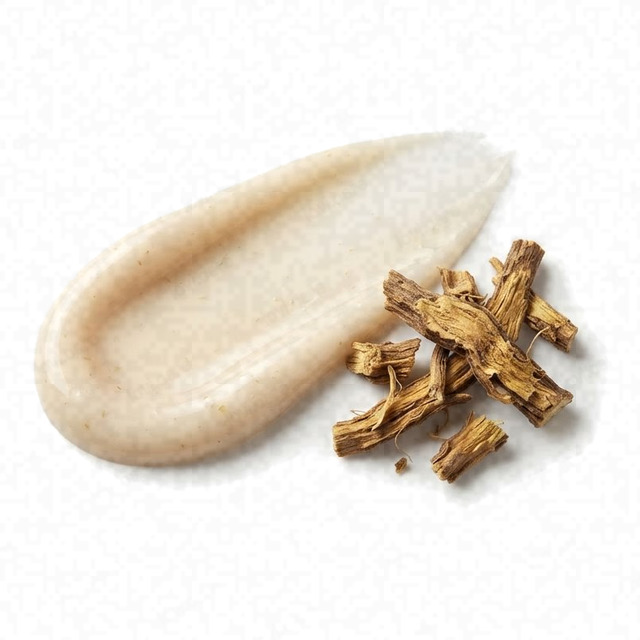 Sophora Angustifolia Root Extract
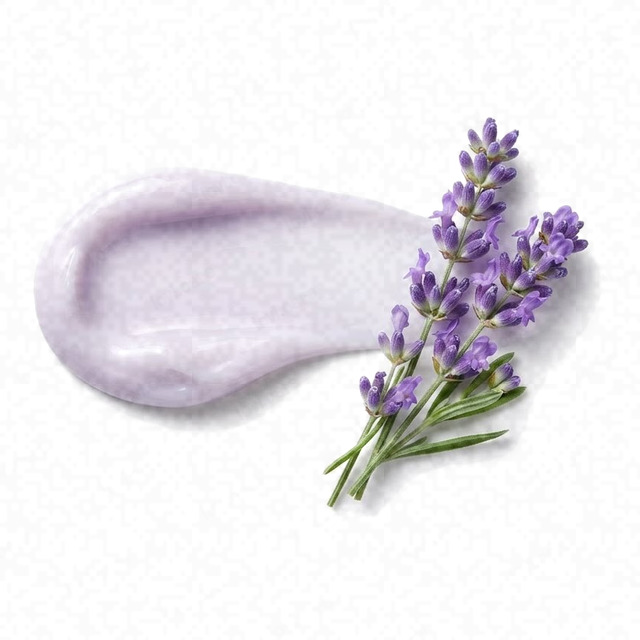 Lavandula Angustifolia Lavender Water
Caution
- LowDry Skin Fit
- AverageEffectiveness
- HighSafety
A poor match for dry skin; the serums alongside fit it better.
This fit is calculated for the concerns frequently associated with dry skin: flakiness, tightness, dehydration, fine lines, and wrinkles. For scores and recommendations based on your full skin profile, including your 12D face scan results and any goals or preferences you have, please use the Lovi app.
Page built Nov 8, 2026How the Fit score works
Lovi Assistant explains
- Offers moderate exfoliation for acne-prone skin due to salicylic acid and willow bark extract, but the presence of ethanol may be drying for your dry skin.
- While Centella Asiatica Extract and Chamomilla Recutita Flower Extract offer soothing benefits, the formula lacks deeply hydrating ingredients like hyaluronic acid or ceramides to directly address your dry or flaky skin concerns.
- The product is safe for your dry skin as it avoids harsh ingredients and includes soothing components.
How to apply
- Apply this serum PM, starting 3×/week and working up to daily use as your skin adjusts.
- Place the serum after cleansing and toner, but right before your moisturizer.
- Gently press 2-3 drops of the serum into your skin and let it absorb for a minute.
- Apply the serum on slightly damp skin to help lock in extra moisture.
- Avoid the eye area and do a patch test before your first use.
People Say
★4.2Overall rating based on 100+ reviewsBased on limited data, users with acne-prone and sensitive skin find this serum effective at calming redness and providing deep hydration without greasiness. Many users appreciate its ability to soothe inflammation and control sebum. However, opinions on its effectiveness in reducing active acne are divided, with some experiencing significant clearing and others seeing minimal improvement.
Highlights
Hydrating, lightweight Often Mentioned
- “lightweight, non greasy”
- “deep hydration”
- “absorbs well”
- “moisturizing effect”
Soothes redness Often Mentioned
- “reduced my redness”
- “calming effect”
- “calm down within minutes”
- “soothe irritated skin”
Small quantity Often Mentioned
- “price is quite expensive for 30mls”
- “quantity is disappointingly small”
- “runs out much faster”
- “pricey”
Strong medicinal scent Often Mentioned
- “smell is a bit strong”
- “medicinal smell”
- “tea tree scent is overpowering”
- “smells like clay”
Controls acne Sometimes Noted
- “helped with my acne”
- “reduced small bumps”
- “controls sebum production”
- “prevent new ones”
Non-sticky finish Sometimes Noted
- “not sticky”
- “absorbs quickly”
- “leaves skin soft”
- “no tackiness”
Faulty dispenser Sometimes Noted
- “shoots out suddenly”
- “splatters everywhere”
- “dispense... too forcefully”
- “hard to control”
Mixed acne results Rarely Noted
- “didn't make a difference”
- “just okay”
- “not sure if it's actually helping”
- “no dramatic improvements”
Sources: lovi.care, medicube.us, oliveyoung.com, gopicky.com, yesstyle.com, stylekorean.com, and more
Questions and answers
Why does Lovi advise caution with Medicube Red Serum for dry skin?
Lovi advises caution because this treatment contains salicylic acid and willow bark extract for acne, but the ethanol may dry out dry skin. While it includes soothing ingredients like centella asiatica extract, it lacks deeply hydrating components like hyaluronic acid or ceramides. A treatment for dry skin needs rich, hydrating ingredients like ceramides and hyaluronic acid to deliver moisture and support the skin barrier without irritation.
Indian Journal of Pharmaceutical Sciences, 2016Journal of Cosmetic Dermatology, 2024
Which ingredients make this serum a poor fit for dry skin?
This serum may be a poor match for dry skin because it contains ethanol, which can be drying, and lacks deeply hydrating ingredients like hyaluronic acid or ceramides. A treatment for dry skin needs rich, nourishing ingredients that provide deep hydration and support the skin barrier, such as ceramides, peptides, niacinamide, and propolis.
What does Salicylic Acid do for dry skin?
Salicylic acid is generally not a good fit for dry skin, as it is meant to clear out pores and remove dead skin rather than hydrate. Because dry skin needs soothing and moisture rather than exfoliation, a product for dry skin needs nourishing ingredients like urea to lock in moisture and keep the skin soft.
What does Centella Asiatica Extract do for dry skin?
Centella asiatica extract helps dry skin by boosting moisture and reducing water loss while calming irritation. It supports barrier repair to keep the skin feeling soft and smooth.
Indian Journal of Pharmaceutical Sciences, 2016Clinical, Cosmetic and Investigational Dermatology, 2017
Where does it go in a skincare routine for dry skin?
This treatment goes in the evening routine after cleansing and before your moisturizer. For dry skin, a product of this type needs deeply hydrating ingredients like hyaluronic acid or ceramides to prevent the drying effects of its exfoliating acids.
Can I use this serum with retinol, and in what order?
This serum may be too drying to use alongside retinol on dry skin because it contains salicylic acid and ethanol without deep hydrators like hyaluronic acid or ceramides. A treatment for dry skin needs to gently exfoliate while restoring moisture with hydrating ingredients.
How often should I use it?
Start by using this treatment once a week in the evening to see how your dry skin tolerates it, as exfoliating acids can be drying. If your skin feels comfortable and you see good results, you may carefully use it more often. To properly care for dry skin, this type of product needs deeply hydrating ingredients like hyaluronic acid or ceramides.
Can this serum clog pores, cause breakouts or purging for dry skin?
This serum contains salicylic acid and willow bark extract which help clear pores and may cause mild initial purging on dry skin. Because it lacks deeply hydrating ingredients, this skin type needs products that include hyaluronic acid or ceramides.
Is it fragrance-free and alcohol-free?
Yes, it has no fragrance and no drying alcohol.
What the research says
Twice daily application of a multitargeted dermocosmetic cream provided comparable efficacy to benzoyl peroxide 5% gel in reducing inflammatory, non-inflammatory, and total lesions in 150 Caucasian subjects with mild-to-moderate acne over 56 days, while demonstrating superior skin tolerability.
Journal of Cosmetic Dermatology, 2024A moisturizer containing licochalcone A, 1,2-decanediol, L-carnitine, and salicylic acid significantly reduced noninflammatory, inflammatory, and total acne lesion counts compared to a vehicle control in Thai patients during a 12-week maintenance phase.
BioMed Research International, 2020The use of a salicylic acid-based dermocosmetic significantly reduces the needed quantity of benzoyl peroxide without impacting efficacy in mild to moderate acne, and as maintenance post-benzoyl peroxide allows a significant reduction of acne relapse compared to vehicle.
Journal of Drugs in Dermatology, 2023Cosmetic formulations containing 5% Centella asiatica extract showed the best efficacy in improving skin moisture and decreasing transepidermal water loss, while also exhibiting antiinflammatory properties in 25 volunteers compared to baseline measurements.
Indian Journal of Pharmaceutical Sciences, 2016Bioactive lipid nanocarriers co-loaded with willow bark or ivy leaf extracts and UV-filters provided pronounced UVA photoprotection up to an SPF-equivalent value of 13 and a maximum in vivo skin hydration effect of 97% when prepared with pomegranate oil.
Nanomaterials, 2022Cryotherapy with liquid nitrogen achieved a higher cure rate (39%) than salicylic acid (24%) and a wait-and-see approach (16%) for cutaneous warts at 13 weeks in primary care patients.
CMAJ, 2010Treatment with 2% supramolecular salicylic acid hydrogel resulted in a regression and markedly improvement rate of 51.01% compared to 43.10% for Adapaline gel in patients with mild to moderate facial acne vulgaris, showing no significant difference in efficacy.
Journal of Cosmetic Dermatology, 2024Topical 5% benzoyl peroxide plus salicylic acid achieved the greatest lesion reduction at early 2 to 4 week time points compared to benzoyl peroxide, clindamycin, and combination benzoyl peroxide/clindamycin, while 5% benzoyl peroxide plus salicylic acid and combination benzoyl peroxide/clindamycin showed similar efficacy at 10 to 12 weeks in acne patients.
Journal of the American Academy of Dermatology, 2010Topical application of 0.05% w/w ECa 233 gel reduced erythema index by 0.03 U and improved early crusting and general wound appearance compared to placebo in thirty individuals undergoing facial laser resurfacing.
Journal of Alternative and Complementary Medicine, 2020A single application of a moisturizing fluid containing hyaluronic acid 1%, glycerin 5%, and Centella asiatica stem cells extract significantly increased skin hydration by 29% and reduced transepidermal water loss at 24 hours compared to baseline and an untreated control site in twenty healthy women.
Clinical, Cosmetic and Investigational Dermatology, 2017Moisturizer containing 5% panthenol, madecassoside, and copper-zinc-manganese decreased adverse reactions and downtime after ablative fractional carbon dioxide laser resurfacing with comparable efficacy to 0.02% triamcinolone acetonide cream in 20 subjects.
Journal of Cosmetic Dermatology, 2019Topical herbal treatments including lemon balm, olive leaf extract, propolis, and sage-rhubarb cream reduce pain, swelling, lesion size, and healing time in patients with herpes labialis compared with placebo or acyclovir.
Journal of Integrative and Complementary Medicine, 2025Topical oleuropein formulations reduced erythema, transepidermal water loss, and blood flow by approximately 22%, 35%, and 30% in healthy volunteers with UVB-induced erythema.
International Journal of Cosmetic Science, 2008An oil-in-serum formulation containing olive extract standardized in hydroxytyrosol improved skin barrier function and significantly reduced hyperpigmentation in participants with post-inflammatory hyperpigmentation after 45 days of application.
AAPS PharmSciTech, 2026Combining azelaic acid and matrine in dissolving microneedles at a 1:1 molar ratio achieved higher skin permeability, synergistic antibacterial rates above 95%, and no skin irritation compared to commercially available azelaic acid gel.
European Journal of Pharmaceutical Sciences, 2021Co-amorphous salt of ursodeoxycholic acid and matrine incorporated into dissolving microneedles enhanced aqueous solubility, skin permeation, growth-inhibitory effects against Cutibacterium acnes, and anti-inflammatory activity compared to single-component groups and topical gel in a murine acne model.
International Journal of Pharmaceutics, 2026Lavandula angustifolia leaf callus extract enhanced skin cell viability, reduced oxidative stress and melanin content, improved wound healing, and enhanced skin barrier function in human skin cells and clinical tests.
Free Radical Biology & Medicine, 2025Tea tree oil effectively treated acne while lavender and rosemary oils demonstrated anti-inflammatory and anti-aging properties in derma cosmetic applications based on an evaluation of various essential oils.
Frontiers in Medicine, 2025A blend of Lavandula angustifolia flower extract and dipeptide-4 reduced oxidative and glycation markers, enhanced ATP, SOD, autophagy, and melatonin production, and improved tissue morphology in human skin models and fibroblasts.
International Journal of Cosmetic Science, 2026
Ingredients
C12-14 Pareth-12, C13-14 Isoparaffin, Sophora Angustifolia Root Extract, Camellia Japonica Leaf Extract, Dimethicone Vinyl Dimethicone Crosspolymer, Disodium Edta, Dipotassium Glycyrrhizate, Dipropylene Glycol, Lavandula Angustifolia Lavender Water, Portulaca Oleracea Extract, Betaine, Centella Asiatica Extract, Borago Officinalis Extract, Zingiber Officinale Root Extract, Sorbitol, Centaurea Cyanus Flower Extract, Artemisia Vulgaris Extract, Rhus Semialata Gall Extract, Polygala Tenuifolia Root Extract, Melia Azadirachta Extract, Xylitol, Water, Zanthoxylum Piperitum Fruit Extract, Chamomilla Recutita Leaf Extract Flower Matricaria Leaf Extract Flower, Carbomer, Butylene Glycol, Propylene Glycol, Salvia Sclarea Extract, Melaleuca Alternifolia Tree Oil Leaf, Salicylic Acid, Pulsatilla Koreana Extract, Willow Bark Extract, Phellodendron Amurense Bark Extract, Magnolia Obovata Bark Extract, Hyacinthus Orientalis Extract, Tocopherol Vitamin E, Rice Extract, Ci 42090, Camellia Sinensis Leaf Extract, Laureth-7, Tocopheryl Acetate Vitamin E, Peg-60 Hydrogenated Castor Oil, Peg Ppg-17 6 Copolymer, Phenoxyethanol, Polyacrylamide, Triethanolamine, Ethanolamine, Platycodon Grandiflorum Root Extract, Diethoxyethyl Succinate, Dandelion Root Extract Rhizome, Usnea Barbata Extract, Ovalicin, Grapefruit Leaf Extract, Colloidal Sulfur
Behind this fit score
Lovi calculates every fit score from the full ingredient list with brand-independent rules our dermatologists and cosmetic chemists build and review, and personalizes every pick with AI trained on the real results of millions of users. Lovi trains its fit score models on a proprietary dataset built from more than 10,000 expert-labeled products and more than 100,000 simulated examples, following an internally consistent methodology presented at Cosmoprof, AMWC, and Skin of Color Update.
-

Co-founder, Medical Director
Cosmetic chemist, cosmetologist, aesthetic products developer
-

Co-founder, CEO and CTO
PhD in computer science, 3x US patent holder, ex-Google, ex-Yandex
-

Dr. Sofía Perea Pérez, MD, MSc
Medical Board
Aesthetic medicine practitioner, MSc in Longevity and Anti-Aging Medicine
-

Medical Board
Specialist dermatologist, MBBS, MD, IFAAD
-

Medical Board
Cosmetic chemist, SCS, IFSCC member
-

Medical Board, Medical Advisor
Dermatology MD
-

Elina Nazarenko, MD
Medical Board
Dermatology and diagnostic consultant
-

Victoria Derkova, MS
Medical Board
Cosmetic chemist, cosmetic development technologist


How does it fit your skin?
Scan your face, then any product: Lovi shows how well it fits you and what fits even better.