Mario Badescu Drying Lotion for dry sensitive skin

 Salicylic Acid
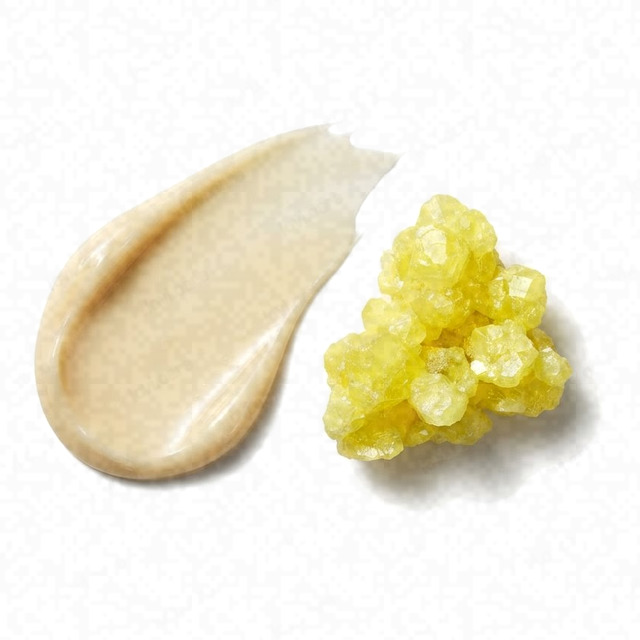 Sulfur
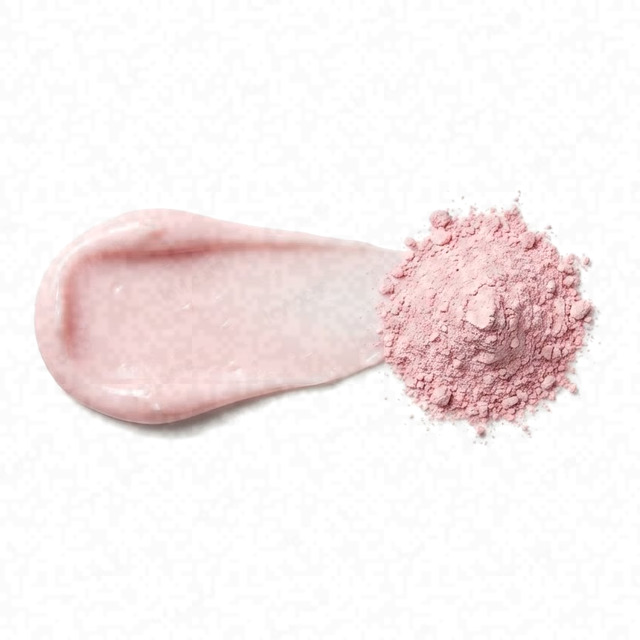 Calamine
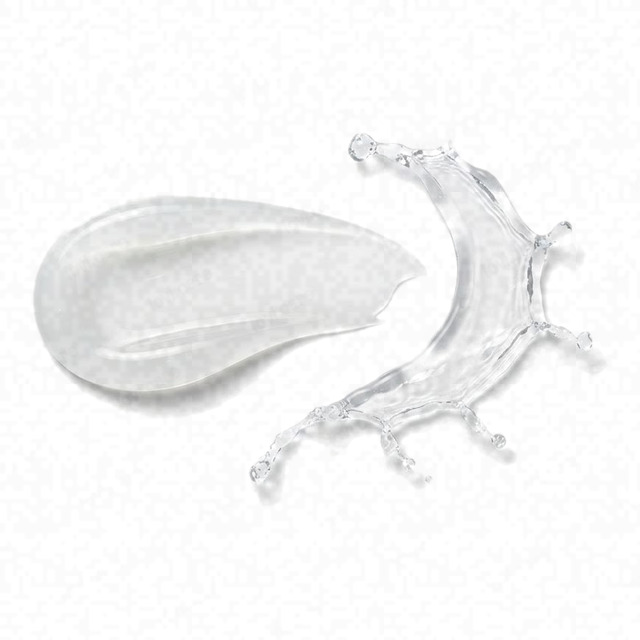 Isopropyl Alcohol
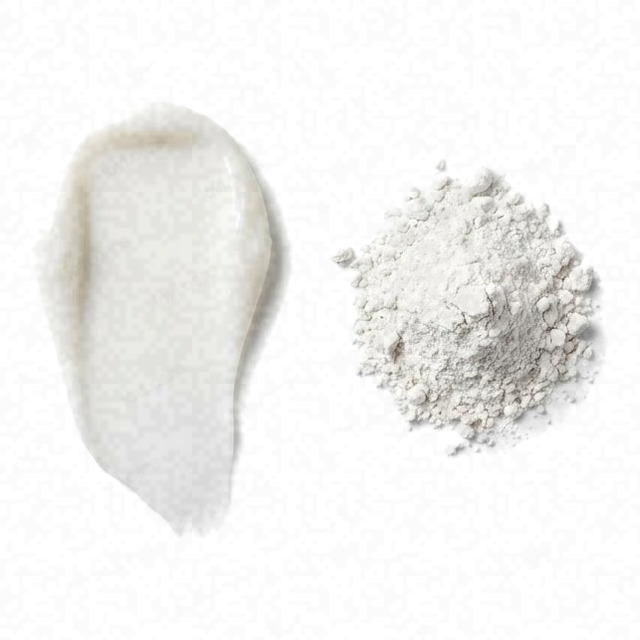 Zinc Oxide
Caution
- CautionDry Skin Fit
- AverageEffectiveness
- ConcerningSafety
A poor match for dry sensitive skin; the serums alongside fit it better.
This fit is calculated for the concerns frequently associated with dry sensitive skin: flakiness, tightness, redness, fine lines, and wrinkles. For scores and recommendations based on your full skin profile, including your 12D face scan results and any goals or preferences you have, please use the Lovi app.
Page built Nov 8, 2026How the Fit score works
Lovi Assistant explains
- Offers moderate treatment for blemishes and exfoliation for dry or flaky skin, as sulfur and calamine help dry active breakouts while salicylic acid sheds dead skin cells.
- However, the presence of isopropyl alcohol and camphor can be drying and irritating for sensitive skin, potentially worsening dryness and flakiness, counteracting the humectant action of glycerin.
How to apply
- Use this PM routine for your evening skincare. Start using the serum 3 times a week and increase to daily use if your skin feels comfortable.
- Apply the serum after cleansing and toner, but right before your moisturizer. This step locks in deep hydration for dry skin.
- Gently press 2-3 drops of the serum into your skin using your palms. Let it absorb completely for a minute ⏱ before applying your next product.
- Since your skin is sensitive, apply the serum on completely dry skin for better tolerance and less irritation.
- Avoid the sensitive eye area during application. Always do a patch test before your first use to ensure your skin reacts well.
People Say
★4.5Overall rating based on 5.0k+ reviewsBased on a very large amount of data, this spot treatment is highly effective at quickly reducing the size of whiteheads and surface pimples, with many users reporting overnight improvements. It is also noted for being a long-lasting product. However, it is frequently reported as ineffective for deeper cystic acne and can cause dryness or irritation, particularly for sensitive skin types. Some users also mention a strong medicinal smell and a messy residue.
Highlights
Shrinks whiteheads overnight Mostly Mentioned
- “gone the next morning”
- “flattened pimple overnight”
- “reduced redness significantly”
Fast-acting results Often Mentioned
- “works in one night”
- “speedy recovery”
- “immediate difference”
Ineffective on cystic acne Often Mentioned
- “did nothing for bumps”
- “useless on deep zits”
- “only for whiteheads”
Long-lasting bottle Sometimes Noted
- “lasts forever”
- “years of use”
- “little goes a long way”
Drying and stinging Sometimes Noted
- “burns upon application”
- “flaky dry patches”
- “irritated surrounding skin”
Strong medicinal smell Sometimes Noted
- “smells like chemicals”
- “strong camphor scent”
- “intense alcohol odor”
Easy application Rarely Noted
- “simple pink dot”
- “easy spot treat”
- “fun to apply”
Messy residue Rarely Noted
- “flakes on pillow”
- “pink smears on sheets”
- “chalky dust everywhere”
Sources: lovi.care, ulta.com, sephora.sg, parade.com, shape.com, acne.org, and more
Questions and answers
Why does Lovi advise caution with Mario Badescu Drying Lotion for dry sensitive skin?
This product contains isopropyl alcohol and camphor, which can dry out and irritate sensitive skin and worsen your dryness and flakiness. Treatments for dry sensitive skin need hydrating and nourishing ingredients, ceramides, multiple forms of vitamin C, and moisturizing components that provide excellent hydration and support the skin barrier without any risk of irritation.
Which ingredients make this treatment a poor fit for dry sensitive skin?
Isopropyl alcohol and camphor make this treatment a poor fit because they can dry and irritate sensitive skin, which may worsen dryness and flakiness. A product of this type needs effective moisturizing ingredients that provide excellent hydration and texture improvement without any risk of irritation, along with ceramides and skin barrier support.
What does Salicylic Acid do for dry sensitive skin?
Salicylic acid is generally a poor fit for dry, sensitive skin because it is designed to clear out pores by removing excess oil, which can easily leave dry skin irritated. A product of this type needs gentle exfoliating helpers paired with rich, soothing moisturizers and barrier-repairing ingredients to keep dry skin calm and comfortable.
What does Sulfur do for dry sensitive skin?
Sulfur is generally not an ideal choice for dry sensitive skin because it can be drying and irritating. Skin of this type needs gentle, hydrating ingredients and calming agents to maintain comfort and protect the skin barrier.
Where does this treatment go in a skincare routine for dry sensitive skin?
This treatment goes in the evening routine after cleansing and a soothing toner, followed by a moisturizer. Because isopropyl alcohol and camphor may dry and irritate dry sensitive skin, this skin type needs a gentle blemish treatment with soothing and hydrating ingredients instead.
Can I use this treatment with retinol, and in what order?
It is best to avoid using this treatment and retinol together, because both are very drying and may easily irritate dry sensitive skin. A product of this type needs gentle blemish-fighting ingredients alongside rich hydrators and skin-calming agents to keep this skin soft and smooth.
How often should I use this treatment?
This treatment is a poor fit for dry sensitive skin, as ingredients like alcohol and camphor may dry out and irritate the skin. To care for this skin type, a product needs gentle hydrators and soothing ingredients instead of harsh drying agents.
Can this treatment clog pores, cause breakouts or purging for dry sensitive skin?
This treatment is unlikely to clog pores, but for dry sensitive skin it may cause extra dryness and flakiness due to alcohol and camphor. A product for this skin needs gentle hydrators and soothing ingredients to calm irritation while clearing breakouts.
Is this treatment fragrance-free and alcohol-free?
It has no fragrance and contains drying alcohol (isopropyl alcohol).
What the research says
A moisturizer containing licochalcone A, 1,2-decanediol, L-carnitine, and salicylic acid significantly reduced noninflammatory, inflammatory, and total acne lesion counts compared to a vehicle control in Thai patients during a 12-week maintenance phase.
BioMed Research International, 2020Twice daily application of a multitargeted dermocosmetic cream provided comparable efficacy to benzoyl peroxide 5% gel in reducing inflammatory, non-inflammatory, and total lesions in 150 Caucasian subjects with mild-to-moderate acne over 56 days, while demonstrating superior skin tolerability.
Journal of Cosmetic Dermatology, 2024The use of a salicylic acid-based dermocosmetic significantly reduces the needed quantity of benzoyl peroxide without impacting efficacy in mild to moderate acne, and as maintenance post-benzoyl peroxide allows a significant reduction of acne relapse compared to vehicle.
Journal of Drugs in Dermatology, 2023A single application of a moisturizing fluid containing hyaluronic acid 1%, glycerin 5%, and Centella asiatica stem cells extract significantly increased skin hydration by 29% and reduced transepidermal water loss at 24 hours compared to baseline and an untreated control site in twenty healthy women.
Clinical, Cosmetic and Investigational Dermatology, 2017Cryotherapy with liquid nitrogen achieved a higher cure rate (39%) than salicylic acid (24%) and a wait-and-see approach (16%) for cutaneous warts at 13 weeks in primary care patients.
CMAJ, 2010Treatment with 2% supramolecular salicylic acid hydrogel resulted in a regression and markedly improvement rate of 51.01% compared to 43.10% for Adapaline gel in patients with mild to moderate facial acne vulgaris, showing no significant difference in efficacy.
Journal of Cosmetic Dermatology, 2024Topical 5% benzoyl peroxide plus salicylic acid achieved the greatest lesion reduction at early 2 to 4 week time points compared to benzoyl peroxide, clindamycin, and combination benzoyl peroxide/clindamycin, while 5% benzoyl peroxide plus salicylic acid and combination benzoyl peroxide/clindamycin showed similar efficacy at 10 to 12 weeks in acne patients.
Journal of the American Academy of Dermatology, 2010Azelaic acid was probably less effective than benzoyl peroxide in acne treatment response, while showing little or no difference compared to tretinoin, and adverse events were mild and transient across evaluated topical treatments.
Journal of Evidence-based Medicine, 2020Topical application of precipitated sulphur 2-8% petrolatum achieved a 95% clinical and ectoparasitological cure rate in 40 ambulatory scabies patients without relevant adverse effects.
Revista de Investigacion Clinica; Organo Del Hospital de Enfermedades de la Nutricion, 2004Topical 10% benzoyl peroxide and 2%-5% sulfur cream achieved "good" to "excellent" results with no undesirable side effects in 113 consecutive patients with acne.
Canadian Medical Association Journal, 1966Topical 0.5% hyaluronic-ZnO nanogel applied twice daily reduced inflammatory-lesion counts by 58% at week four in human subjects compared to baseline without causing erythema.
Biomedicines, 2025Topical zinc oxide 20% ointment achieved a complete cure in 50% of patients with warts compared to 42% in the salicylic acid-lactic acid group, with no serious side-effects.
International Journal of Dermatology, 2007The use of 70% isopropyl alcohol in conjunction with scrubbing with a bristled brush significantly reduced positive bacterial cultures at the nail fold compared to povidone-iodine with soft sponges in volunteers.
The Journal of Bone and Joint Surgery. American Volume, 2005Friction with 70% ethyl or isopropyl alcohol immediately eliminates the heart-shaped pigmented lesion characteristic of terra firma-forme dermatosis in a 14-year-old boy.
Cureus, 2024Rubbing 70% isopropyl alcohol wipes cleared persistent reticulated brown patches in five patients with terra firma-forme dermatosis.
Skinmed, 2016Nels cream achieved a similar reduction in inflammatory and noninflammatory lesion counts compared to 5% benzoyl peroxide in acne vulgaris patients, but caused significantly fewer side-effects such as peeling and dryness.
Clinical and Experimental Dermatology, 2000Topically applied coated and uncoated zinc oxide nanoparticles under flexing and massage are retained in the stratum corneum with no significant penetration into the viable epidermis and no cellular toxicity in human skin.
Nanomedicine, 2016
Ingredients
Isopropyl Alcohol, Calamine, Camphor, Sulfur, Zinc Oxide, Talc, Glycerin, Salicylic Acid, Ci 77891 Titanium Dioxide
Behind this fit score
Lovi calculates every fit score from the full ingredient list with brand-independent rules our dermatologists and cosmetic chemists build and review, and personalizes every pick with AI trained on the real results of millions of users. Lovi trains its fit score models on a proprietary dataset built from more than 10,000 expert-labeled products and more than 100,000 simulated examples, following an internally consistent methodology presented at Cosmoprof, AMWC, and Skin of Color Update.
-

Co-founder, Medical Director
Cosmetic chemist, cosmetologist, aesthetic products developer
-

Co-founder, CEO and CTO
PhD in computer science, 3x US patent holder, ex-Google, ex-Yandex
-

Dr. Sofía Perea Pérez, MD, MSc
Medical Board
Aesthetic medicine practitioner, MSc in Longevity and Anti-Aging Medicine
-

Medical Board
Specialist dermatologist, MBBS, MD, IFAAD
-

Medical Board
Cosmetic chemist, SCS, IFSCC member
-

Medical Board, Medical Advisor
Dermatology MD
-

Elina Nazarenko, MD
Medical Board
Dermatology and diagnostic consultant
-

Victoria Derkova, MS
Medical Board
Cosmetic chemist, cosmetic development technologist


How does it fit your skin?
Scan your face, then any product: Lovi shows how well it fits you and what fits even better.