La Roche-Posay Cicaplast Gel B5 for oily acne-prone skin

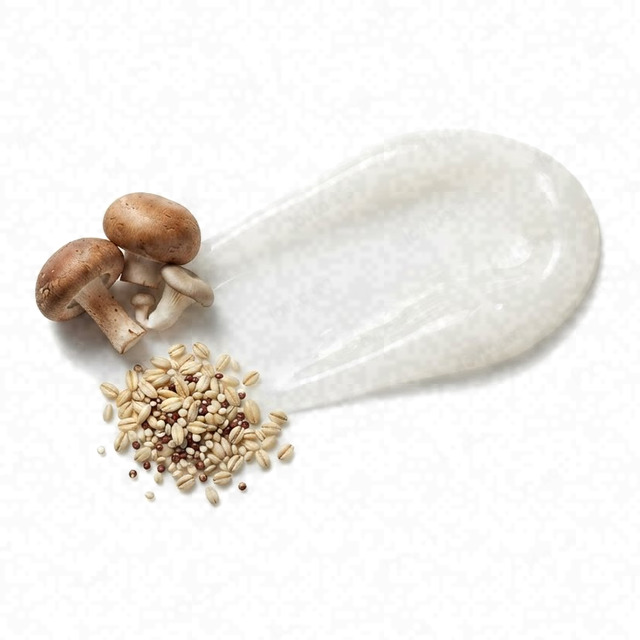 Panthenol B5
 Glycerin
 Madecassoside
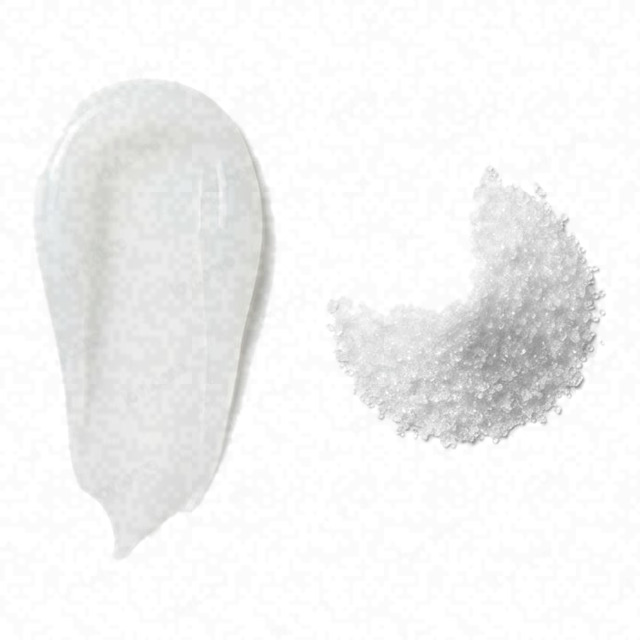 Zinc Gluconate
 Sodium Hyaluronate
High
- AverageOily Skin Fit
- HighEffectiveness
- HighSafety
A great choice for oily acne-prone skin; a few serums fit it even better.
This fit is calculated for the concerns frequently associated with oily acne-prone skin: shine, breakouts, blemishes, and enlarged pores. For scores and recommendations based on your full skin profile, including your 12D face scan results and any goals or preferences you have, please use the Lovi app.
Page built Nov 8, 2026How the Fit score works
Lovi Assistant explains
- Offers excellent barrier resilience for your oily skin due to the presence of panthenol and madecassoside, which support skin repair and hydration. Glycerin and sodium hyaluronate provide humectant action, but the formula lacks strong seboregulating ingredients to directly address oiliness.
- The product provides general skincare benefits like hydration and soothing, which are beneficial for acne-prone skin.
- The safety profile is excellent, with no risks of irritation for your oily skin due to the absence of prohibited or harsh ingredients.
How to apply
- Could be used as part of your PM routine. Start 3 times a week and build up to daily use if your skin tolerates it well.
- Apply your serum after cleansing and toning, but before putting on your moisturizer.
- Gently press 2 to 3 drops of the serum into your skin and let it absorb for a minute.
- Apply the serum on clean, dry skin to help manage your blemishes safely.
- Do a patch test before your first use and avoid the delicate eye area.
People Say
★4.6Overall rating based on 700+ reviewsUsers find this gel to be a lightweight, non-greasy option for repairing skin barriers, particularly beneficial for oily or acne-prone skin. It is highly effective for healing post-procedure skin, soothing irritation from treatments like retinoids, and protecting compromised skin. Some users note a shiny finish that may not be ideal for daytime wear.
Highlights
Accelerates healing Mostly Mentioned
- “Healed my surgery scar beautifully”
- “Reduces redness from acne overnight”
- “Saved my skin barrier after over-exfoliating”
- “Great for post-laser recovery”
Lightweight & non-greasy Often Mentioned
- “Absorbs quickly without residue”
- “Much lighter than the balm version”
- “Perfect for oily skin, doesn't feel heavy”
- “Glides on smoothly, not thick or pasty”
Soothing & calming Often Mentioned
- “Instantly stops the itching”
- “Relieves burning sensation from retinol”
- “Comforts chapped and irritated areas”
Safe for acne-prone Sometimes Noted
- “Didn't break me out like the balm did”
- “Non-comedogenic and pore-friendly”
- “Good for healing popped pimples”
- “Hydrates without causing new acne”
Shiny/tacky finish Sometimes Noted
- “Leaves a shiny film on the face”
- “Can feel a bit sticky/tacky initially”
- “Too glossy for daytime use”
- “Looks greasy even if it doesn't feel heavy”
Small size/price Sometimes Noted
- “Tube is tiny for the price”
- “Wish it came in a larger bottle”
- “Runs out very quickly with daily use”
- “Expensive for the amount you get”
Makeup incompatibility Rarely Noted
- “Pills under my foundation”
- “Hard to layer makeup over the silicone texture”
- “Causes concealer to slide off”
- “Best used only at night due to texture”
Not moisturizing enough Rarely Noted
- “Need a moisturizer on top for dry skin”
- “Not hydrating enough for winter alone”
- “More of a sealant than a moisturizer”
- “Dry patches needed something thicker”
Sources: lovi.care, influenster.com, lovelyskin.com, walmart.com, ulta.com, dermstore.com, and more
Questions and answers
What makes La Roche-Posay Cicaplast Gel B5 a great fit for oily acne-prone skin?
La Roche-Posay Cicaplast Gel B5 is a great fit for oily acne-prone skin because it offers very strong barrier support and soothing hydration without any harsh or irritating ingredients. It helps keep your skin calm and hydrated while supporting skin repair, making it exceptionally safe and comfortable for daily use.
Molecules, 2023The Journal of Dermatological Treatment, 2017
Which ingredients make this gel a good fit for oily acne-prone skin?
Panthenol and madecassoside make this gel a great fit because they support skin repair and keep your skin calm. Glycerin and sodium hyaluronate add hydration, while zinc gluconate brings a safe profile that is unlikely to cause irritation.
Molecules, 2023Clinical, Cosmetic and Investigational Dermatology, 2017
What does Panthenol do for oily acne-prone skin?
Panthenol helps regulate sebum, improves skin hydration, and may reduce redness and irritation for oily acne-prone skin. It is well tolerated and is unlikely to cause adverse reactions when used on this skin type.
What does Glycerin do for oily acne-prone skin?
Glycerin helps keep oily acne-prone skin hydrated without feeling heavy. It draws moisture into the skin while supporting the skin barrier so it stays soft and balanced.
The British Journal of Dermatology, 2008Clinical, Cosmetic and Investigational Dermatology, 2017
Where does this gel go in a skincare routine for oily acne-prone skin?
This treatment goes in the evening routine after cleansing and before moisturizing. It is very unlikely to cause irritation for your oily skin because it avoids harsh or prohibited ingredients.
Can I use this gel with retinol, and in what order?
Yes, you can use this gel with retinol by applying the retinol first and following with this treatment to help keep your oily skin calm and hydrated. The product is unlikely to cause irritation and is well-suited to support skin comfort when using strong acne treatments.
How often should I use this gel?
Apply this treatment in the evening as part of your routine. It is safe for daily use and helps keep your oily skin calm and hydrated without irritation.
Molecules, 2023Clinical, Cosmetic and Investigational Dermatology, 2017
Can this gel clog pores, cause breakouts or purging for oily acne-prone skin?
La Roche-Posay Cicaplast Gel B5 is unlikely to clog pores or cause breakouts on oily acne-prone skin. The safety profile is excellent, with no harsh ingredients that typically trigger irritation or new breakouts.
Molecules, 2023Clinical, Cosmetic and Investigational Dermatology, 2017
Is this gel fragrance-free and alcohol-free?
Yes, it has no fragrance and no drying alcohol.
What the research says
Co-delivery of paeonol and madecassoside via nanoemulsions improved transdermal delivery, promoted barrier repair proteins, inhibited inflammatory cytokine secretion in cellular and 3D models, and reduced transepidermal water loss and acne in human facial skin compared to free components.
Molecules, 2023A single application of a moisturizing fluid containing hyaluronic acid 1%, glycerin 5%, and Centella asiatica stem cells extract significantly increased skin hydration by 29% and reduced transepidermal water loss at 24 hours compared to baseline and an untreated control site in twenty healthy women.
Clinical, Cosmetic and Investigational Dermatology, 2017A new topical panthenol-containing emollient significantly improved transepidermal water loss reduction, stratum corneum hydration, and intercellular lipid lamellae length compared with control in healthy subjects without negatively impacting bacterial viability.
The Journal of Dermatological Treatment, 2017Daily use of a deep cleansing gel containing salicylic acid 2%, zinc gluconate 0.2% and lipohydroxy acid 0.05% significantly reduced total lesion count by 56.3% after 84 days in 35 subjects with mild to moderate truncal acne.
Clinical, Cosmetic and Investigational Dermatology, 2023A dermocosmetic cream containing Punica granatum Pericarp extract, Salicylic acid, Niacinamide, Zinc gluconate, and Aqua Posae Filiformis significantly decreased inflammatory, non-inflammatory, and total lesion counts in subjects with mild to moderate acne compared to untreated hemi-faces after 15 days.
Journal of Cosmetic Dermatology, 2026Moisturizer containing 5% panthenol, madecassoside, and copper-zinc-manganese decreased adverse reactions and downtime after ablative fractional carbon dioxide laser resurfacing with comparable efficacy to 0.02% triamcinolone acetonide cream in 20 subjects.
Journal of Cosmetic Dermatology, 2019Panthenyl triacetate (PTA) demonstrated skin de-acetylation into panthenol, stimulated energetic and synthesis metabolic pathways, and achieved a statistically significant improvement in wound healing after 72 hours compared to saline treatment in human volunteers, outperforming panthenol in long-lasting wound healing action.
Journal of Cosmetic Science, 2012A comprehensive topical regimen incorporating niacinamide, Pro-Xylane, and panthenol following PicoWay laser treatment decreased transepidermal water loss, increased hydration and skin elasticity, reduced wrinkles and redness, and improved skin tone in 88 Chinese females compared to a standard care control group.
Lasers in Medical Science, 2026The emollient V0034CR significantly reduced TEWL compared to vehicle and vehicle plus glycerol, and significantly increased corneometry scores compared to vehicle and vehicle plus petrolatum in healthy volunteers with dry skin, demonstrating combined barrier function improvement from petrolatum and hydration improvement from glycerol.
Journal of Cosmetic Dermatology, 2020Ten days of treatment with a cream containing 20% glycerin significantly increased skin hydration measured by corneometer values in 17 healthy volunteers compared to a placebo cream, but showed no influence on transepidermal water loss or skin sensitivity to an irritating surfactant.
International Journal of Cosmetic Science, 2001Niacinamide/glycerin body moisturizers provided better rapid and prolonged improvement of cosmetic xerosis through functional improvement of stratum corneum barrier function compared to no treatment and conventional moisturizers in female subjects.
Journal of Drugs in Dermatology, 2012Topical application of 0.05% w/w ECa 233 gel reduced erythema index by 0.03 U and improved early crusting and general wound appearance compared to placebo in thirty individuals undergoing facial laser resurfacing.
Journal of Alternative and Complementary Medicine, 2020Topical treatment with 5% vitamin C and 0.1% madecassoside significantly improved clinical scores for wrinkles, suppleness, firmness, roughness, and skin hydration, along with functional and structural remodeling of the elastic fiber network in 20 female volunteers with photoaged skin after 6 months compared to baseline.
Experimental Dermatology, 2008Treatment with an asiaticoside-containing cream applied twice daily for 12 weeks significantly improved periorbital wrinkles in 65% of 27 female volunteers compared to a vehicle control cream.
International Journal of Cosmetic Science, 2008Different strains of Propionibacterium acnes modulate cutaneous innate immunity with varying pro-inflammatory potentials, with P. acnes type III showing the highest and P. avidum the weakest, and zinc gluconate down-regulates the expression of most induced immune markers.
Experimental Dermatology, 2013Zinc gluconate induced alpha2, alpha3, alphaV, and alpha6 integrins, copper gluconate induced alpha2, alpha6, and beta1, and manganese gluconate induced most studied integrins in cultured keratinocytes.
The British Journal of Dermatology, 1999Topical application of 0.1% hyaluronic acid formulations of different molecular weights led to significant improvements in skin hydration and elasticity, with low-molecular-weight formulations also significantly reducing wrinkle depth in seventy-six female subjects compared to a vehicle control.
Journal of Drugs in Dermatology, 2011Topical application of hyaluronic acid in conjunction with free gingival graft significantly reduced donor site postoperative pain until day 7 compared to normal saline, with no significant differences in graft dimensions or patient satisfaction.
Clinical Oral Investigations, 2022Treatment with a hyaluronic acid-containing mouth rinse or topical gel led to significant lesion reduction, pain relief, and normalization of lesion color in adult patients with minor recurrent aphthous stomatitis, with the gel formulation showing an earlier healing onset at 3 days.
BMC Oral Health, 2019
Ingredients
Water, Glycerin, Dimethicone, Panthenol, Pentylene Glycol, C30-45 Alkyl Dimethicone, Polybutene, Sodium Citrate, Peg Ppg-18 18 Dimethicone, Zinc Gluconate, Madecassoside, Dimethiconol, Manganese Gluconate, Sodium Hyaluronate, Copper Gluconate, Caprylyl Glycol, Citric Acid, Polysorbate 20, Tocopherol
Behind this fit score
Lovi calculates every fit score from the full ingredient list with brand-independent rules our dermatologists and cosmetic chemists build and review, and personalizes every pick with AI trained on the real results of millions of users. Lovi trains its fit score models on a proprietary dataset built from more than 10,000 expert-labeled products and more than 100,000 simulated examples, following an internally consistent methodology presented at Cosmoprof, AMWC, and Skin of Color Update.
-

Co-founder, Medical Director
Cosmetic chemist, cosmetologist, aesthetic products developer
-

Co-founder, CEO and CTO
PhD in computer science, 3x US patent holder, ex-Google, ex-Yandex
-

Dr. Sofía Perea Pérez, MD, MSc
Medical Board
Aesthetic medicine practitioner, MSc in Longevity and Anti-Aging Medicine
-

Medical Board
Specialist dermatologist, MBBS, MD, IFAAD
-

Medical Board
Cosmetic chemist, SCS, IFSCC member
-

Medical Board, Medical Advisor
Dermatology MD
-

Elina Nazarenko, MD
Medical Board
Dermatology and diagnostic consultant
-

Victoria Derkova, MS
Medical Board
Cosmetic chemist, cosmetic development technologist


How does it fit your skin?
Scan your face, then any product: Lovi shows how well it fits you and what fits even better.