La Roche-Posay Anthelios Clear Skin Dry Touch Sunscreen SPF 60 for combination skin

 Cell-Ox Shield Technology
 Avobenzone
 Homosalate
 Octisalate
 Octocrylene
Superior
- SuperiorCombination Skin Fit
- SuperiorEffectiveness
- ExcellentSafety
One of the best sunscreens for combination skin.
This fit is calculated for the concerns frequently associated with combination skin: an oily T-zone, enlarged pores, and dry cheeks. For scores and recommendations based on your full skin profile, including your 12D face scan results and any goals or preferences you have, please use the Lovi app.
Page built Nov 8, 2026How the Fit score works
Lovi Assistant explains
- Excellent suitability for your combination skin and oily shine concerns, as silica and nylon-12 effectively absorb excess oil while avobenzone, homosalate, octisalate, and octocrylene provide robust UV protection. Cassia Alata Leaf Extract and tocopherol further enhance the formula by offering antioxidant benefits and soothing properties, complementing your skin's needs.
- The inclusion of perlite alongside silica ensures superior mattifying effects, addressing your primary concern of oily shine.
- This product is safe for your skin, featuring a formula free from harsh ingredients and containing beneficial soothing components.
How to apply
- Apply this sunscreen during your AM routine every single day. Make sure to reapply ⏱ every two hours if you stay outside.
- Apply this sunscreen as the very last step of your morning routine after your moisturizer. Allow your moisturizer to ⏳ sink in for a minute first.
- Smooth an even layer over your face and gently pat it into the skin without harsh rubbing. Be sure to cover all exposed areas thoroughly.
- For the best finish on your combination skin, apply the sunscreen on completely dry skin over your moisturizer. This helps control any oily shine throughout the day.
- Avoid getting the product directly into your eyes. Do a small patch test before your first full application.
People Say
★4.3Overall rating based on 2.5k+ reviewsBased on a very large amount of data, this sunscreen is highly recommended for oily and acne-prone skin, offering effective sun protection with a matte finish that controls shine. While many users praise its non-comedogenic properties, a significant number report issues with the product pilling or flaking during application, which should be taken into account.
Highlights
Severe pilling Mostly Mentioned
- “balls up”
- “flakes off”
- “pills like crazy”
Acne-safe formula Often Mentioned
- “only sunscreen”
- “won't cause breakouts”
- “clog pores”
- “cystic acne”
Excellent oil control Often Mentioned
- “shine-free”
- “matte”
- “heat and humidity”
Fragrance-free/gentle Sometimes Noted
- “sensitive skin”
- “unscented”
- “no irritation”
- “no stinging”
High sun protection Sometimes Noted
- “SPF 60”
- “prevents sunburn”
- “sun spots”
Difficult texture Sometimes Noted
- “thick”
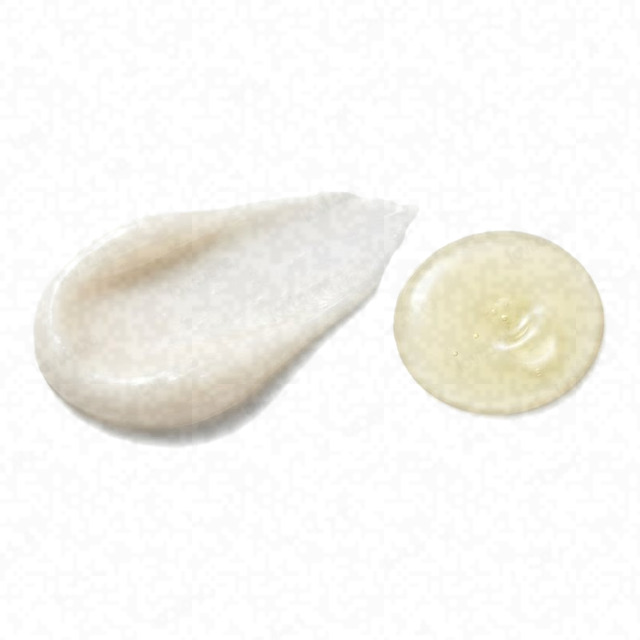
- “paste-like”
- “hard to spread”
Visible white cast Sometimes Noted
- “purple residue”
- “ghostly white residue”
- “takes time to fade”
Drying effect Rarely Noted
- “too drying”
- “leaving dry patches”
- “makeup look cakey”
Sources: lovi.care, walmart.com, dermstore.com, target.com, ulta.com, lovelyskin.com, and more
Questions and answers
What makes La Roche-Posay Anthelios Clear Skin Sunscreen one of the best fits for combination skin?
This sunscreen is a great fit for your combination skin because silica and nylon-12 soak up extra oil to stop shine, while chemical sunscreens protect you from UV rays. It also includes soothing antioxidants to keep your skin calm and protected.
Which ingredients make this sunscreen a good fit for combination skin?
Silica and nylon-12 help absorb excess oil, while avobenzone, homosalate, octisalate, and octocrylene provide strong UV protection for your combination skin. Perlite adds extra mattifying effects, and cassia alata leaf extract along with tocopherol offer soothing and antioxidant benefits.
What does Cell-Ox Shield do for combination skin?
Cell-Ox Shield helps protect combination skin from sun damage, tanning, and early aging by filtering out harmful UVA and UVB rays. This type of sunscreen is lightweight and safe for daily use, but combination skin also needs a balanced formula that provides oil control without making dry areas feel tight.
Journal of Photochemistry and Photobiology. B, Biology, 1998Photochemistry and Photobiology, 2000
What does Avobenzone do for combination skin?
Avobenzone helps protect combination skin from sun damage, but it is best used in a stable formulation because it can break down under sunlight. Encapsulating this ingredient or combining it with photostability boosters may reduce skin irritation and improve safety.
European Journal of Pharmaceutical Sciences, 2023Journal of Photochemistry and Photobiology. B, Biology, 2015
Where does this sunscreen go in a skincare routine for combination skin?
This sunscreen goes in the final step of your morning skincare routine after your moisturizer. It provides broad-spectrum sun protection while silica and perlite help keep oily shine under control.
Can I use this sunscreen with retinol, and in what order?
You can use this sunscreen in the morning as the final step of your skincare routine, after your moisturizer and before any makeup. It is safe for your skin and helps protect against UV rays while keeping oily shine under control.
How often should I use this sunscreen?
Apply this sunscreen every morning as the final step in your daytime routine. Using a broad-spectrum sunscreen daily helps protect your skin from UV damage while keeping oily shine under control.
Can this sunscreen clog pores, cause breakouts or purging for combination skin?
This sunscreen is unlikely to clog pores or cause breakouts for combination skin because it features a lightweight, oil-absorbing formula designed to keep oily shine under control. Tocopherol further helps support a calm and smooth complexion without heavy residue.
Is this sunscreen fragrance-free and alcohol-free?
Yes, it has no fragrance and no drying alcohol. Behenyl alcohol, arachidyl alcohol, and stearyl alcohol are fatty alcohols, which soften the skin.
What the research says
A topical serum containing vitamin C, vitamin E, and raspberry leaf cell culture extract improved skin color, elasticity, radiance, smoothness, scaliness, and wrinkles compared to the untreated contralateral side in fifty female volunteers.
Journal of Cosmetic Dermatology, 2020Topical application of an aqueous gel containing 0.1% w/w naringenin demonstrated in vitro safety, significantly reduced UV-induced stratum corneum lipid peroxidation, and showed in vivo anti-inflammatory efficacy against methyl nicotinate-induced inflammation in human participants compared to a blank gel and untreated area, while chlorogenic acid, apigenin, and kaempferol displayed pro-oxidant profiles.
Frontiers in Chemistry, 2024Sunscreens containing Mexoryl SX provide superior protection against UVA- and solar-simulated radiation-induced biological damage, including pigmentation, DNA damage, immune suppression, and dermal alterations, compared to formulations without it in human volunteers and patients.
Photodermatology, Photoimmunology & Photomedicine, 2008Mexoryl SX (5%) efficiently prevents UVA-induced skin alterations including pigmentation, stratum corneum thickening, and protein expression changes in human skin.
Journal of Photochemistry and Photobiology. B, Biology, 1998Topical application of both a UVB absorber and a broad-spectrum Mexoryl SX sunscreen effectively prevented UVB-induced damage in in vitro reconstructed human skin, whereas only the Mexoryl SX-containing preparation successfully prevented UVA-specific dermal fibroblast disappearance.
Photochemistry and Photobiology, 2000Encapsulation of ethylhexyl methoxycinnamate and butyl methoxydibenzoylmethane in lipid microparticles significantly reduced their in vivo human skin penetration compared to nonencapsulated filters.
Skin Pharmacology and Physiology, 2011Microencapsulation of the BMDBM/HP-beta-CD complex in lipid microparticles significantly decreased the percutaneous penetration of the UV filter into the stratum corneum of human volunteers compared to the non-encapsulated sunscreen agent.
Journal of Pharmaceutical and Biomedical Analysis, 2011Following human skin application of an O/W emulsion containing 2% BMDBM loaded in lipospheres, 15% of the sunscreen accumulated in the uppermost layers of the stratum corneum without remarkably modifying skin permeation compared to unencapsulated sunscreen.
Skin Pharmacology and Physiology, 2008Dermal application of a sunscreen containing 10% homosalate in four volunteers resulted in delayed elimination with terminal half-times around 24 h and a bioavailability of cis-homosalate a factor of 2 lower than trans-homosalate, while metabolite ratios supported using oral-route urinary excretion fractions for dermal exposure assessments.
Archives of Toxicology, 2024Chemical sunscreens containing avobenzone, octocrylene, homosalate, and octisalate showed no to minimal risks of dermal irritation, sensitization, photo-allergy, and photo-irritation in human subjects.
Journal of Drugs in Dermatology, 2025Homosalate exhibited the highest permeation among tested filters with a relative permeability rate of 4.2% and a depth of 60 um, and specific thickeners and emulsifiers successfully reduced its permeation without inhibiting the skin permeation of niacinamide.
Photodermatology, Photoimmunology & Photomedicine, 2026Simulated real-life dermal sunscreen exposure in twenty human volunteers leads to the systemic bioavailability and urinary excretion of the UV filter 2-ethylhexyl salicylate and its metabolite, reaching concentration peaks at 7 to 8 hours with 70-80% of overall excretion within 24 hours.
Archives of Toxicology, 2019The application of a sunscreen formulation containing ethylhexyl methoxycinnamate, ethylhexyl salicylate, methyl anthranilate, and octocrylene does not significantly affect critical acne-related species such as Cutibacterium acnes and Staphylococcus epidermidis, refuting the induction of facial dysbiosis in men.
Archives of Dermatological Research, 2024Controlled single dermal exposure to an EHS-containing sunscreen in three volunteers resulted in delayed systemic resorption with elimination half-lives between 6.6 and 9.7 hours, where the parent compound EHS occurred as the dominant urinary parameter.
Archives of Toxicology, 2024Incorporating rosmarinic acid into sunscreens enhanced the in vivo SPF of octocrylene by over 157% and reduced lipid peroxidation in the human stratum corneum.
Antioxidants, 2025Early application of sunscreen after ablative fractional skin resurfacing significantly increased the sensitization rate of the UV-filter, octocrylene, and the sunscreen compared to intact skin.
The Journal of Dermatological Treatment, 2015Dermal sunscreen exposure in 20 healthy volunteers led to plasma concentrations of avobenzone, octocrylene, and its metabolite CDAA reaching up to 11 μg/L, 25 μg/L, and 1352 μg/L, respectively.
Environment International, 2019
Ingredients
Avobenzone, Homosalate, Octisalate, Octocrylene, Water, Silica, Dicaprylyl Carbonate, Styrene Acrylates Copolymer, Butyloctyl Salicylate, Methyl Methacrylate Crosspolymer, Nylon-12, Peg-100 Stearate, Glyceryl Stearate, Perlite, Beeswax, Ammonium Polyacryloyldimethyl Taurate, Phenoxyethanol, Peg-8 Laurate, Behenyl Alcohol, Sodium Stearoyl Glutamate, Chlorphenesin, P-Anisic Acid, Xanthan Gum, Tocopherol, Disodium Edta, Arachidyl Alcohol, Diethylhexyl Syringylidenemalonate, Propylene Glycol, Cassia Alata Leaf Extract, Maltodextrin, Stearyl Alcohol, T-Butyl Alcohol, Caprylic Capric Triglyceride
Behind this fit score
Lovi calculates every fit score from the full ingredient list with brand-independent rules our dermatologists and cosmetic chemists build and review, and personalizes every pick with AI trained on the real results of millions of users. Lovi trains its fit score models on a proprietary dataset built from more than 10,000 expert-labeled products and more than 100,000 simulated examples, following an internally consistent methodology presented at Cosmoprof, AMWC, and Skin of Color Update.
-

Co-founder, Medical Director
Cosmetic chemist, cosmetologist, aesthetic products developer
-

Co-founder, CEO and CTO
PhD in computer science, 3x US patent holder, ex-Google, ex-Yandex
-

Dr. Sofía Perea Pérez, MD, MSc
Medical Board
Aesthetic medicine practitioner, MSc in Longevity and Anti-Aging Medicine
-

Medical Board
Specialist dermatologist, MBBS, MD, IFAAD
-

Medical Board
Cosmetic chemist, SCS, IFSCC member
-

Medical Board, Medical Advisor
Dermatology MD
-

Elina Nazarenko, MD
Medical Board
Dermatology and diagnostic consultant
-

Victoria Derkova, MS
Medical Board
Cosmetic chemist, cosmetic development technologist


How does it fit your skin?
Scan your face, then any product: Lovi shows how well it fits you and what fits even better.