e.l.f. All the Feels Facial Oil for dry sensitive skin

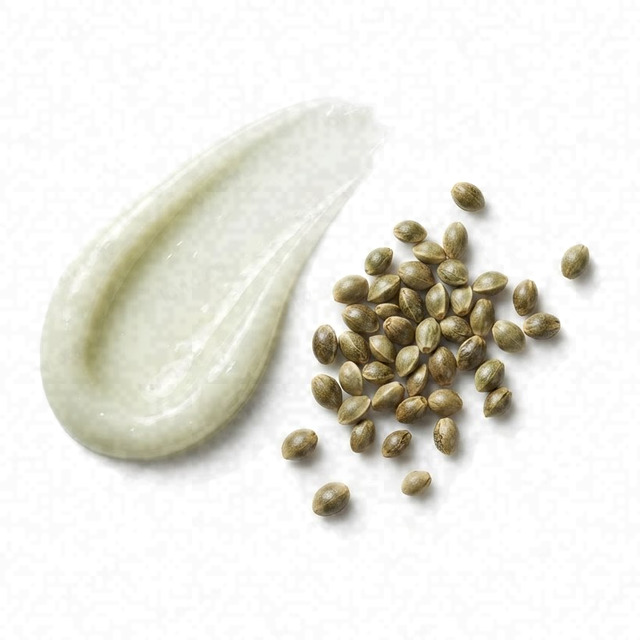 Cannabis Sativa Seed Oil
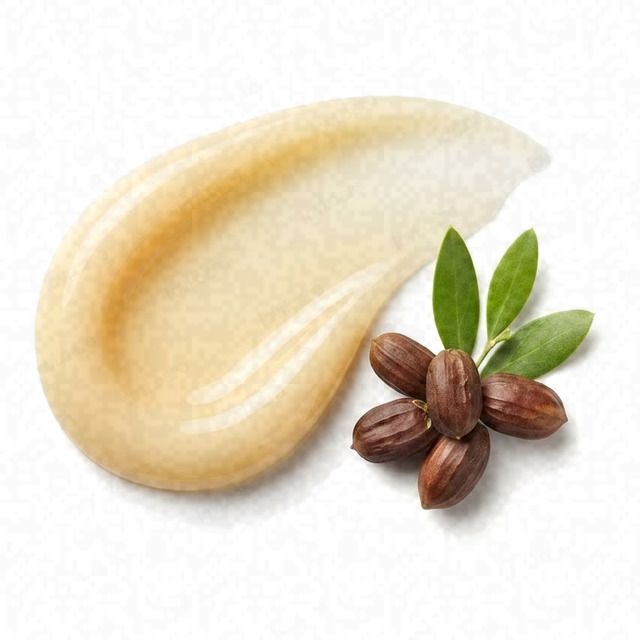 Jojoba Seed Oil
 Aloe Barbadensis Leaf Juice Powder
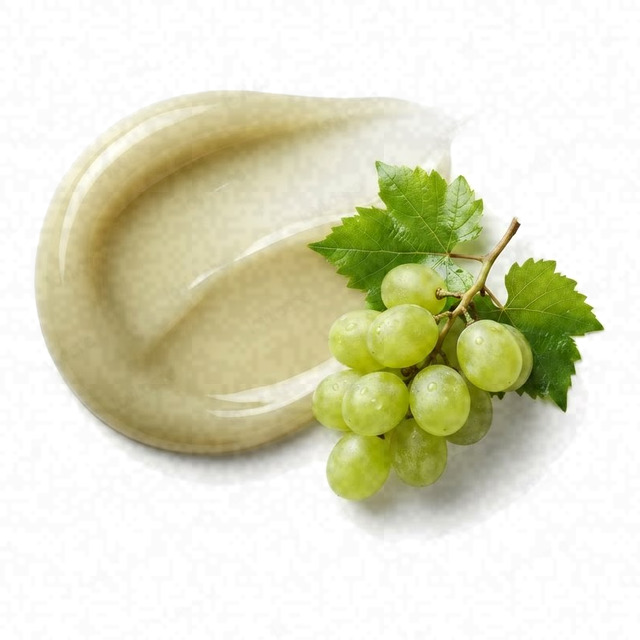 Vitis Vinifera Seed Oil Grape Seed Oil
 Tocopherol Vitamin E
High
- HighDry Skin Fit
- HighEffectiveness
- HighSafety
A great choice for dry sensitive skin; a few moisturizers fit it even better.
This fit is calculated for the concerns frequently associated with dry sensitive skin: flakiness, tightness, redness, fine lines, and wrinkles. For scores and recommendations based on your full skin profile, including your 12D face scan results and any goals or preferences you have, please use the Lovi app.
Page built Nov 8, 2026How the Fit score works
Lovi Assistant explains
- Highly suitable for your dry and sensitive skin as jojoba seed oil and squalane provide excellent emollient action and barrier repair, addressing dryness and flakiness effectively.
- Sunflower seed oil and grape seed oil further nourish and hydrate, enhancing skin resilience and comfort.
- The formula is safe for your skin due to the absence of harsh ingredients, minimizing irritation risks.
How to apply
- Could be used as part of your AM or PM routine. Start using this moisturizer 3 times a week and move to daily use if your dry skin tolerates it well.
- Apply this moisturizer after cleansing and toner in the morning, or after your serum in the evening. Always pair it with SPF in the morning.
- Gently press a small amount of the moisturizer into your skin. Avoid rubbing it harshly to protect your sensitive skin.
- Apply the moisturizer on slightly damp skin to help with hydration absorption. This also works well for dry and flaky skin types.
- Do a patch test before your first use. Avoid the eye area to prevent any irritation.
People Say
★4.9Overall rating based on 100+ reviewsBased on limited data, users find this facial oil provides effective, weightless hydration and a soothing effect on the skin. It is frequently noted for its versatility, working well both as a standalone moisturizer and mixed with foundation to combat dryness and improve skin texture.
Highlights
Deeply hydrating Often Mentioned
- “Keeps winter dryness at bay”
- “Great at keeping in moisture”
- “Keeps me so hydrated”
Lightweight feel Sometimes Noted
- “Lightweight feel and comfortable”
- “Offer weightless hydration”
- “Isn't as goopy as some others”
Soothing and calming Sometimes Noted
- “Helps relieve skin inflammation”
- “Reduces redness”
- “Calm down inflammation in skin”
Versatile application Sometimes Noted
- “Wear alone or mix with foundation”
- “Mixed a drop into her foundation”
Natural oily scent Rarely Noted
- “Has an oily scent as you would expect”
Slow absorption Rarely Noted
- “Absorbs fairly slowly”
Sources: lovi.care, influenster.com, vancouversun.com, gopicky.com, whatsinmyjar.com, and more
Questions and answers
What makes e.l.f. All the Feels Facial Oil a great fit for dry sensitive skin?
This oil is a great fit because jojoba seed oil and squalane soften dry skin and help repair the skin barrier, while sunflower and grape seed oils nourish and calm it. The formula also has a high safety profile for sensitive skin because it is made without harsh ingredients, which helps keep irritation risks low.
Which ingredients make this facial oil a good fit for dry sensitive skin?
Jojoba seed oil and squalane make this facial oil a great fit by keeping your skin soft and repairing its barrier to stop dryness and flakiness. Sunflower seed oil and grape seed oil also help nourish and hydrate, making your skin feel more comfortable.
What does Hemp Seed Oil do for dry sensitive skin?
Hemp seed oil helps comfort dry sensitive skin by calming irritation and keeping essential moisture locked in. It supports the natural skin barrier so your face feels soft and smooth throughout the day.
What does Jojoba Seed Oil do for dry sensitive skin?
Jojoba seed oil helps calm dry and sensitive skin while supporting its moisture barrier. It is unlikely to cause irritation and may reduce redness and inflammation.
Frontiers in Pharmacology, 2024International Journal of Cosmetic Science, 2022
Where does this facial oil go in a skincare routine for dry sensitive skin?
This facial oil goes in your evening routine as a treatment step after your toner and before your moisturizer. Using it at night helps nourish and hydrate your dry skin while keeping irritation risks low.
Can I use this facial oil with retinol, and in what order?
How often should I use this facial oil?
This facial oil is a great fit for your dry sensitive skin and works best as an evening treatment. You can use it daily in your nighttime routine to help nourish, soften, and comfort your skin while repairing dryness and flakiness.
Journal of Cosmetic Dermatology, 2020Health Science Reports, 2021
Can this facial oil clog pores, cause breakouts or purging for dry sensitive skin?
This facial oil is unlikely to clog pores or cause breakouts for dry sensitive skin because it relies on nourishing plant oils like jojoba and squalane that help repair your skin barrier without heavy residues. The gentle formula avoids harsh ingredients to keep irritation risks low.
Frontiers in Pharmacology, 2024Journal of Nanobiotechnology, 2025
Can I use this facial oil around the eyes or on my body?
You can use this facial oil around the eyes and on the body because its nourishing plant oils and squalane are gentle and safe for delicate areas. Jojoba seed oil and other plant extracts help hydrate and calm dry skin, making it soft and comfortable.
Is this facial oil fragrance-free and alcohol-free?
Yes, it has no fragrance and no drying alcohol.
What the research says
Topical application of jojoba wax reduced LPS-induced secretion of IL-6, IL-8, and TNFα by approximately 30% and increased the synthesis of pro-collagen III and hyaluronic acid compared to untreated skin in an ex-vivo human skin organ culture model.
Frontiers in Pharmacology, 2024Application of squalene/phosphotungstate calcium nanowires (Sql/PWC) oleogel on UVB-irradiated skin decreased epidermal thickness, increased dermal thickness, and promoted the expression of elastin, collagen, and skin barrier markers through antioxidant and anti-inflammatory activities.
Journal of Nanobiotechnology, 2025Unencapsulated cold-pressed industrial hemp seed oil at 0.12 mg/mL accelerated wound healing and increased normal human dermal fibroblast cell proliferation by 72% at 48 hours compared to baseline, though microencapsulation reduced this biological activity.
Journal of Oleo Science, 2026Clay jojoba oil facial masks reduced total skin lesions by a mean of 54% after 6 weeks in 133 participants with acne-prone, lesioned skin and mild acne compared to baseline.
Forschende Komplementarmedizin, 2012Topical jojoba oil application in male mice decreased exercise-induced pro-inflammatory gene expression (Il-1b and Il-6 in soleus, Il-1b in gastrocnemius) compared to untreated exercised mice.
Biomolecules, 2025Nanolipidgel formulations with argan or jojoba oil and humectants demonstrate good sensory attributes, instrumental properties, and moisturizing efficacy for cosmetic application.
International Journal of Cosmetic Science, 2014A cream combining propolis, tea tree oil, and Aloe vera reduced erythema scars, acne severity index, and total lesion count better than erythromycin cream in sixty patients with mild to moderate acne vulgaris compared to placebo.
Clinical Pharmacology, 2018Topical aloe vera gel significantly accelerated split-thickness skin graft donor-site healing compared to placebo in 12 patients, but showed no significant difference in pain relief.
Plastic and Reconstructive Surgery, 2018Topical application of Aloe vera cream reduced postoperative pain at rest and during defecation, accelerated wound healing at two weeks, and decreased analgesic requirements in patients after open hemorrhoidectomy compared to placebo.
Journal of Alternative and Complementary Medicine, 2010Grapeseed oil-loaded dermocosmetic nanoemulgel applied on the cheeks of healthy volunteers significantly reduced skin melanin, erythema, sebum production, and pores while increasing moisture and elasticity compared to a placebo.
Journal of Cosmetic Dermatology, 2022Topical treatment with cranberry oil and grape oil improved wound healing in rats, with cranberry oil showing an 88.1% wound area reduction and grape oil showing 84.6% compared to 74.1% in controls and 78.4% in the mupirocin standard group on day 13.
Phytotherapy Research, 2011An ionic liquid-based grapeseed oil emulsion increased transdermal penetration by 4.63-fold and improved skin hydration, firmness, elasticity, and facial wrinkles after 28 days of continuous use compared to ordinary emulsion.
Pharmaceuticals, 2024Topical application of an antioxidant serum containing 15% ascorbic acid, 0.5% ferulic acid, and 1% tocopherol prevented particulate matter-induced degradation of extracellular matrix components, inflammation, and oxidative stress in the skin of 15 female volunteers compared to untreated controls.
Journal of Cosmetic Dermatology, 2025Dermatological products containing d-alpha tocopheryl acetate showed non-comedogenic potential with less than a 50% increase in microcomedones in 12 healthy male subjects compared to octyl palmitate.
Contemporary Clinical Trials Communications, 2021Topical application of an antioxidant mix containing 15% ascorbic acid, 0.5% ferulic acid, and 1% tocopherol prevented PM and UV-induced skin barrier perturbation, lipid peroxidation, inflammatory markers, MMP9 activation, and Type I collagen loss in 15 healthy females compared to untreated exposed skin.
Journal of Cosmetic Dermatology, 2024
Ingredients
Jojoba Seed Oil, Caprylic Capric Triglyceride, Helianthus Annuus Seed Oil Sunflower Seed Oil, Vitis Vinifera Seed Oil Grape Seed Oil, Limnanthes Alba Seed Oil, Cannabis Sativa Seed Oil, Squalane, Rosa Rubiginosa Seed Oil, Aloe Barbadensis Leaf Juice Powder, Tocopherol Ve, Daucus Carota Sativa Seed Oil Carrot Seed Oil, Daucus Carota Sativa Root Extract Carrot Root Extract, Beta-Carotene Va, Isopropyl Palmitate, Phenoxyethanol, Caprylyl Glycol, Ascorbyl Palmitate Vc, Bht
Behind this fit score
Lovi calculates every fit score from the full ingredient list with brand-independent rules our dermatologists and cosmetic chemists build and review, and personalizes every pick with AI trained on the real results of millions of users. Lovi trains its fit score models on a proprietary dataset built from more than 10,000 expert-labeled products and more than 100,000 simulated examples, following an internally consistent methodology presented at Cosmoprof, AMWC, and Skin of Color Update.
-

Co-founder, Medical Director
Cosmetic chemist, cosmetologist, aesthetic products developer
-

Co-founder, CEO and CTO
PhD in computer science, 3x US patent holder, ex-Google, ex-Yandex
-

Dr. Sofía Perea Pérez, MD, MSc
Medical Board
Aesthetic medicine practitioner, MSc in Longevity and Anti-Aging Medicine
-

Medical Board
Specialist dermatologist, MBBS, MD, IFAAD
-

Medical Board
Cosmetic chemist, SCS, IFSCC member
-

Medical Board, Medical Advisor
Dermatology MD
-

Elina Nazarenko, MD
Medical Board
Dermatology and diagnostic consultant
-

Victoria Derkova, MS
Medical Board
Cosmetic chemist, cosmetic development technologist


How does it fit your skin?
Scan your face, then any product: Lovi shows how well it fits you and what fits even better.