SkinCeuticals Tripeptide-R Neck Repair for dry sensitive skin

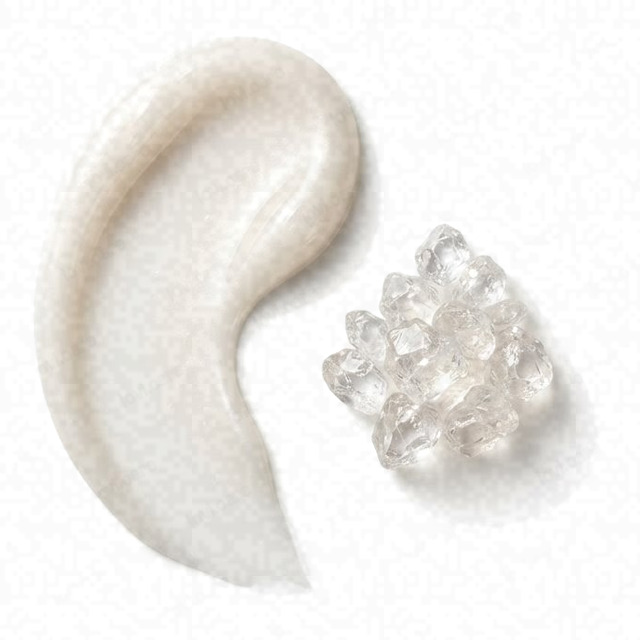 Tripeptides
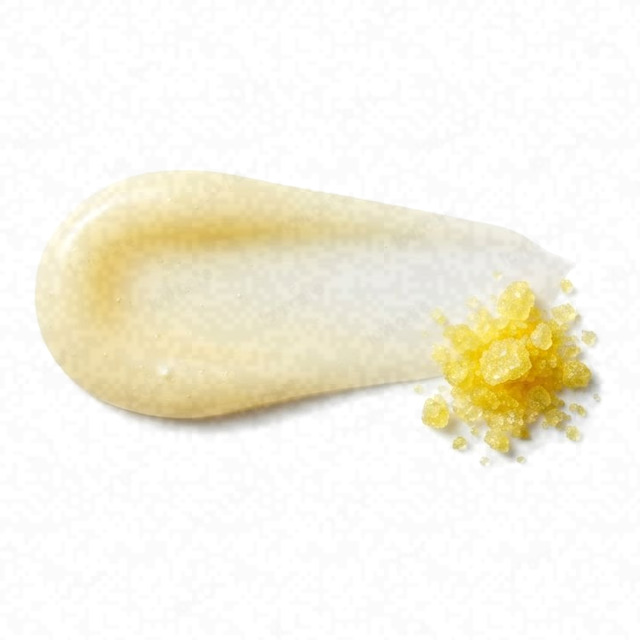 Retinol
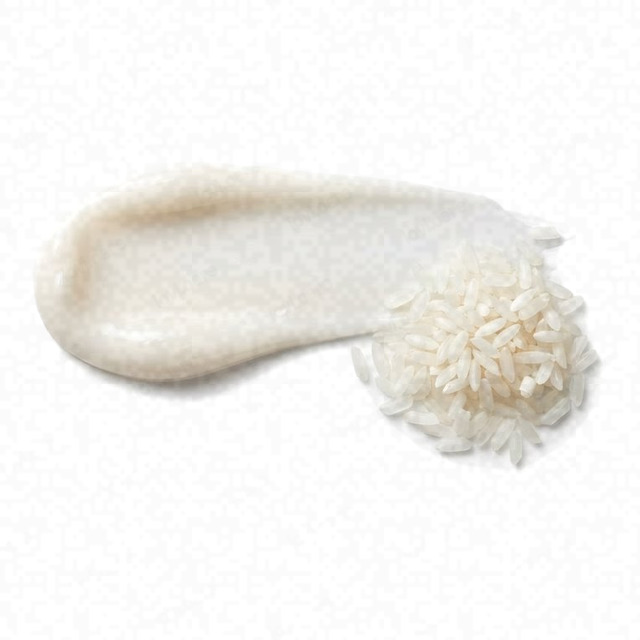 Hydrolyzed Rice Protein
 Glycerin
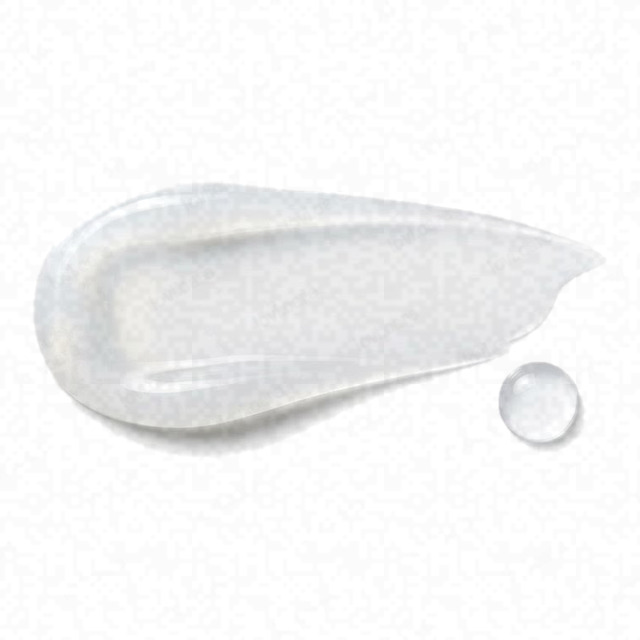 Dimethicone
Caution
- AverageDry Skin Fit
- HighEffectiveness
- RiskySafety
A poor match for dry sensitive skin; the products alongside fit it better.
- Clinical, Cosmetic and Investigational Dermatology, 2017
- International Journal of Cosmetic Science, 2017
This fit is calculated for the concerns frequently associated with dry sensitive skin: flakiness, tightness, redness, fine lines, and wrinkles. For scores and recommendations based on your full skin profile, including your 12D face scan results and any goals or preferences you have, please use the Lovi app.
Page built Nov 8, 2026How the Fit score works
Lovi Assistant explains
- Offers moderate suitability for your dry skin due to the humectant action of glycerin, but lacks sufficient emollient ingredients like dimethicone to fully address dryness and flakiness.
- The presence of retinol and tripeptide-r provides excellent firming and smoothing benefits for the neck area, supporting your anti-aging goals.
People Say
★4.0Overall rating based on 300+ reviewsUsers frequently report visible improvements in skin texture and firmness, specifically noting a reduction in "tech neck" lines and crepiness after consistent use. A significant minority experience adverse reactions typical of retinol, such as redness, itching, and rashes, emphasizing the need for a gradual introduction to the routine.
Highlights
Smoother skin Often Mentioned
- “neck looks and feels smoother”
- “texture is much improved”
- “softens appearance of dry skin”
Firmer appearance Sometimes Noted
- “improved elasticity”
- “tighten the appearance”
- “less crepey skin”
Pleasant application Sometimes Noted
- “absorbs quickly”
- “lightweight texture”
- “non-greasy feel”
Reduced neck lines Sometimes Noted
- “blur horizontal lines”
- “improvement of deep wrinkles”
- “minimized horizontal neck lines”
Skin irritation Sometimes Noted
- “itchy red areas”
- “bumpy skin”
- “red burn lines”
Adverse reaction Rarely Noted
- “woke up with rash”
- “severe reaction”
Dryness and peeling Rarely Noted
- “skin slightly drier”
- “drying effects of retinol”
- “flaking skin”
High price point Rarely Noted
- “expensive for the size”
- “not sure if needed”
- “pricey investment”
Sources: lovi.care, skinceuticals.com, dermstore.com, lovelyskin.com, cocooncenter.co.uk, bluemercury.com, and more
Questions and answers
Why does Lovi advise caution with SkinCeuticals Tripeptide-R Neck Repair for dry sensitive skin?
Lovi advises caution because this product lacks enough softening ingredients to fully address dryness and flakiness on sensitive skin, and a product of this type needs rich moisturizing and nourishing components to lock in moisture and support the skin barrier without causing irritation.
Which ingredients make this cream a poor fit for dry sensitive skin?
Retinol makes this cream a poor fit because it may irritate dry sensitive skin, while the formula lacks enough softening ingredients to fully stop dryness and flakiness. A product of this type needs rich moisturizing and nourishing ingredients that provide deep hydration and support the skin barrier without any risk of irritation.
What do Tripeptides do for dry sensitive skin?
Tripeptides help improve dry sensitive skin by increasing moisture, reducing roughness, and calming irritation. Topical and oral use of these peptides may strengthen the skin barrier and decrease water loss to keep skin soft and smooth.
International Journal of Cosmetic Science, 2009Journal of Dermatological Science, 2012
What does Retinol do for dry sensitive skin?
Retinol is often too strong for dry sensitive skin because it may cause scaling and stinging, so a product of this type needs gentle soothing ingredients and extra moisture to keep the skin calm and smooth.
The British Journal of Dermatology, 2019Toxicology Letters, 2003
Where does this cream go in a skincare routine for dry sensitive skin?
This neck cream is used as a treatment step in the evening routine, but dry sensitive skin needs to use it with caution because it lacks enough smoothing softeners to fully calm dryness and flakiness. A product of this type needs rich, gentle moisturizers and barrier-protecting ingredients to keep dry sensitive skin comfortable.
Can I use this cream with glycolic acid, and in what order?
It is best to avoid using this cream at the same time as glycolic acid, as combining them is likely to cause irritation on dry sensitive skin. A product of this type needs richer softening ingredients and soothing hydrators to properly comfort and protect sensitive skin.
How often should I use this cream?
This cream is a poor match for your dry sensitive skin, so use it sparingly or avoid it. A product of this type needs rich moisturizing ingredients like dimethicone and gentle hydrators to soothe dryness and protect delicate skin.
Can this cream clog pores, cause breakouts or purging for dry sensitive skin?
This cream is unlikely to clog pores or cause breakouts on dry sensitive skin, but the retinol inside may cause some peeling or irritation as your skin adjusts. A product for this skin type needs extra softening and smoothing ingredients like dimethicone to fully address dryness and flakiness while keeping the skin calm.
Is this cream fragrance-free and alcohol-free?
It contains fragrance (linalool) and drying alcohol (alcohol).
What the research says
A single application of a moisturizing fluid containing hyaluronic acid 1%, glycerin 5%, and Centella asiatica stem cells extract significantly increased skin hydration by 29% and reduced transepidermal water loss at 24 hours compared to baseline and an untreated control site in twenty healthy women.
Clinical, Cosmetic and Investigational Dermatology, 2017Topical 0.4% retinol significantly increased epidermal thickness, dermal vascularity, and extracellular matrix production by stimulating keratinocyte proliferation, endothelial cell proliferation, and fibroblast activation in naturally aged human skin compared to vehicle.
International Journal of Cosmetic Science, 2017Topical bakuchiol 0.5% applied twice daily compared with retinol 0.5% applied daily significantly decreased wrinkle surface area and hyperpigmentation with no statistical difference between the compounds in 44 patients over 12 weeks, while retinol users reported more facial skin scaling and stinging.
The British Journal of Dermatology, 2019Silicone particles encapsulating retinol increased its half-life by 9-fold and yielded 12-23% lower skin irritation in human subjects compared to Microsponge particles while maintaining biological activity.
Journal of Controlled Release, 2018Topical stabilized retinol treatment induced HAS gene expression and increased hyaluronic acid production in human skin in vitro, ex vivo, and in vivo compared to vehicle.
Archives of Dermatological Research, 2017Rice protein hydrolysate and its characteristic peptides Leu-Leu-Lys, Leu-Pro-Lys, and pyroGlu-Lys reduced melanin content, tyrosinase activity, and ROS production in UVB-induced human epidermal melanocyte PIG1 cells by regulating the JNK/Β-Trcp/NFΗB-p65/MITF signaling pathway and lowering TRP-1 and TRP-2 expression.
Food & Function, 2020The emollient V0034CR significantly reduced TEWL compared to vehicle and vehicle plus glycerol, and significantly increased corneometry scores compared to vehicle and vehicle plus petrolatum in healthy volunteers with dry skin, demonstrating combined barrier function improvement from petrolatum and hydration improvement from glycerol.
Journal of Cosmetic Dermatology, 2020Ten days of treatment with a cream containing 20% glycerin significantly increased skin hydration measured by corneometer values in 17 healthy volunteers compared to a placebo cream, but showed no influence on transepidermal water loss or skin sensitivity to an irritating surfactant.
International Journal of Cosmetic Science, 2001Niacinamide/glycerin body moisturizers provided better rapid and prolonged improvement of cosmetic xerosis through functional improvement of stratum corneum barrier function compared to no treatment and conventional moisturizers in female subjects.
Journal of Drugs in Dermatology, 2012Wearing an N95 mask alone compared to using dimethicone cream or hydrocolloid dressing caused more adverse skin reactions among 73 military health care workers, with no significant differences in fit test failure rates between groups.
Military Medicine, 2024A dimethicone skin protectant lotion significantly decreased visual scoring and transepidermal water loss compared to vehicle control and SLS-only treated sites in 12 healthy humans exposed to sodium lauryl sulfate.
Skin Research and Technology, 2000Treatment with a moisturizer containing dimethicone and glycerine increased epidermal thickness by 0.019 mm, improved barrier function by decreasing transepidermal water loss by 13%, decreased melanin intensity, and induced keratins 6 and 16 in fifteen women with moderately photoaged forearms.
Clinical and Experimental Dermatology, 2007
Ingredients
Water, Glycerin, Dimethicone, Hydrogenated Polyisobutene, Vinyl Dimethicone Methicone Silsesquioxane Crosspolymer, Methyl Methacrylate Crosspolymer, Ammonium Polyacryloyldimethyl Taurate, Helianthus Annuus Sunflower Seed Oil, Myristyl Myristate, Allyl Methacrylates Crosspolymer, Sodium Hydroxide, Potassium Cetyl Phosphate, Glyceryl Stearate Se, Capryloyl Glycine, Caprylyl Glycol, Silica Silylate, Pentylene Glycol, Stearic Acid, Hydrolyzed Rice Protein, Palmitic Acid, Retinol, Polysorbate 20, Coco-Glucoside, Argilla Magnesium Aluminum Silicate, Xanthan Gum, Alcohol, Bht, Sodium Citrate, Myristic Acid, Lavandula Angustifolia Lavender Oil, Rosmarinus Officinalis Rosemary Oil Leaf, Mentha Piperita Peppermint Oil, Glaucine, Citric Acid, Linalool, Tetradecyl Aminobutyroylvalylaminobutyric Urea Trifluoroacetate, Magnesium Chloride, Tocopherol, Propyl Gallate, Biotin
Behind this fit score
Lovi calculates every fit score from the full ingredient list with brand-independent rules our dermatologists and cosmetic chemists build and review, and personalizes every pick with AI trained on the real results of millions of users. Lovi trains its fit score models on a proprietary dataset built from more than 10,000 expert-labeled products and more than 100,000 simulated examples, following an internally consistent methodology presented at Cosmoprof, AMWC, and Skin of Color Update.
-

Co-founder, Medical Director
Cosmetic chemist, cosmetologist, aesthetic products developer
-

Co-founder, CEO and CTO
PhD in computer science, 3x US patent holder, ex-Google, ex-Yandex
-

Dr. Sofía Perea Pérez, MD, MSc
Medical Board
Aesthetic medicine practitioner, MSc in Longevity and Anti-Aging Medicine
-

Medical Board
Specialist dermatologist, MBBS, MD, IFAAD
-

Medical Board
Cosmetic chemist, SCS, IFSCC member
-

Medical Board, Medical Advisor
Dermatology MD
-

Elina Nazarenko, MD
Medical Board
Dermatology and diagnostic consultant
-

Victoria Derkova, MS
Medical Board
Cosmetic chemist, cosmetic development technologist


How does it fit your skin?
Scan your face, then any product: Lovi shows how well it fits you and what fits even better.