SkinCeuticals Glycolic 10 Renew Overnight for oily acne-prone skin

 Glycolic Acid
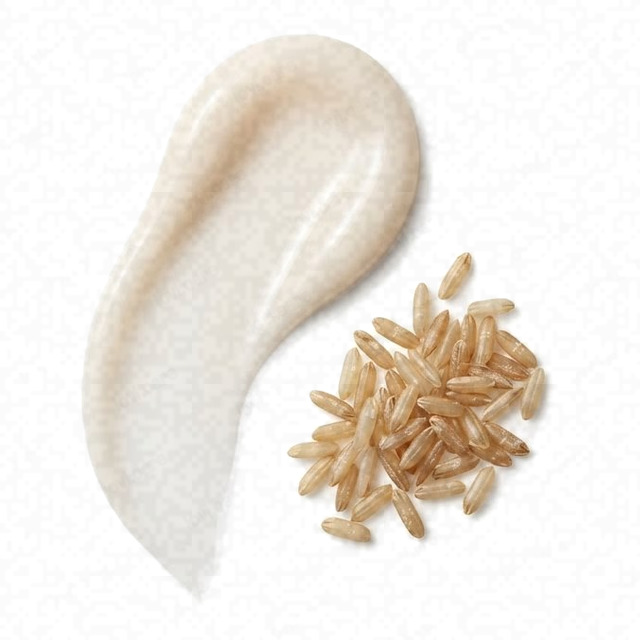 Phytic Acid
 Salicylic Acid
 Glycerin
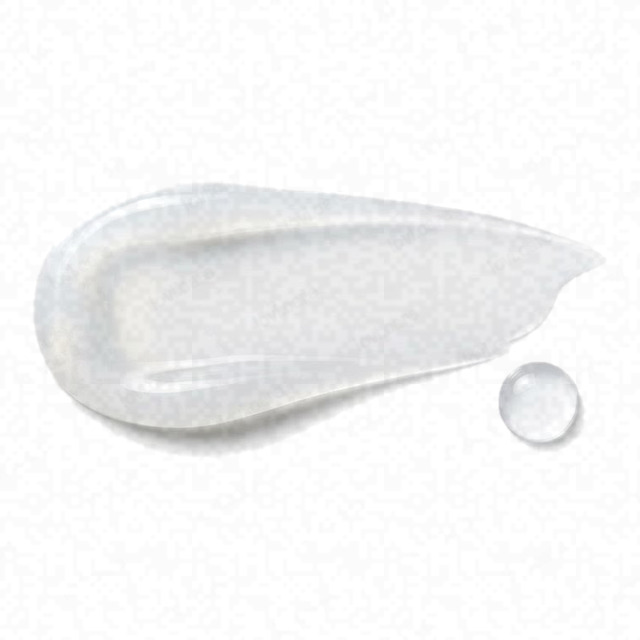 Dimethicone
High
- SuperiorOily Skin Fit
- SuperiorEffectiveness
- HighSafety
A great choice for oily acne-prone skin; a few products fit it even better.
This fit is calculated for the concerns frequently associated with oily acne-prone skin: shine, breakouts, blemishes, and enlarged pores. For scores and recommendations based on your full skin profile, including your 12D face scan results and any goals or preferences you have, please use the Lovi app.
Page built Nov 8, 2026How the Fit score works
Lovi Assistant explains
- Excellent suitability for your oily skin and acne concerns is provided by the high concentrations of glycolic acid and salicylic acid, which effectively exfoliate and regulate oil production.
- The inclusion of phytic acid and jojoba esters further supports skin texture refinement and hydration, complementing the primary exfoliating agents.
- The product is safe for your skin, with no reported risks of irritation due to the absence of harsh or prohibited ingredients.
How to apply
- Use this exfoliant as part of your PM routine once a week to start, increasing frequency only if your skin tolerates it well.
- Apply the exfoliant after cleansing and toning, but before your final moisturizer step.
- Gently press 2-3 drops of the exfoliant into your skin and let it absorb for a minute.
- Apply the product directly onto clean, dry skin for the best results against breakouts.
- Avoid the sensitive eye area and always use a daily SPF since exfoliating makes skin more sensitive to the sun.
People Say
★4.2Overall rating based on 1.0k+ reviewsBased on a very large amount of data, this nighttime glycolic acid treatment is widely praised for delivering a radiant glow and significantly smoothing skin texture. It is also frequently noted for helping to clear acne and minimize pores. However, a significant number of recent reviews indicate a disappointing change in formula, resulting in a watery consistency that makes application difficult and can lead to waste.
Highlights
Noticeable glow Mostly Mentioned
- “woke up with a glow”
- “skin looks radiant”
- “fresh from a facial look”
- “noticeably brighter”
Smoother texture Often Mentioned
- “baby soft skin”
- “texture is much smoother”
- “bumps are gone”
- “glass-like finish”
Watery consistency Often Mentioned
- “pours out like water”
- “formula has changed”
- “too runny to apply”
- “liquid mess”
Acne and pores Sometimes Noted
- “keeps acne away”
- “pores look smaller”
- “cleared up my congestion”
- “helped with breakouts”
Gentle exfoliation Sometimes Noted
- “no irritation”
- “gentle but effective”
- “didn't dry me out”
- “great for sensitive skin”
High price point Sometimes Noted
- “expensive for the amount”
- “not worth the price tag”
- “pricey for a runny product”
Dispensing issues Rarely Noted
- “leaks out of tube”
- “messy cap”
- “wasted product when opening”
Initial irritation Rarely Noted
- “stung upon application”
- “caused purging”
- “slight burning sensation”
- “redness at first”
Sources: lovi.care, dermstore.com, lovelyskin.com, cocooncenter.co.uk, bluemercury.com, skinceuticals.com, and more
Questions and answers
What makes SkinCeuticals Glycolic 10 Renew Overnight a great fit for oily acne-prone skin?
SkinCeuticals Glycolic 10 Renew Overnight is a great fit because its high concentrations of glycolic acid and salicylic acid effectively exfoliate and help control excess oil. Phytic acid and jojoba esters work together to refine your texture and keep skin balanced, while the formula has a very safe profile for daily use.
BioMed Research International, 2020Journal of Cosmetic Dermatology, 2024
Which ingredients make this exfoliant a good fit for oily acne-prone skin?
Glycolic acid and salicylic acid make this exfoliant a great fit because they effectively exfoliate the skin and help manage oil production. Phytic acid and jojoba esters further support smooth texture and hydration, and the product is unlikely to cause irritation.
BioMed Research International, 2020Journal of Cosmetic Dermatology, 2008
What does Glycolic Acid do for oily acne-prone skin?
Glycolic acid helps clear acne-prone skin by reducing pimples and soothing breakouts. It exfoliates the surface to keep pores clear and leaves the skin feeling smooth.
Clinical, Cosmetic and Investigational Dermatology, 2019Dermatologic Surgery, 2014
What does Phytic Acid do for oily acne-prone skin?
Phytic acid helps improve oily, acne-prone skin by reducing breakouts and fading dark spots left behind by pimples. A chemical peel containing phytic acid is unlikely to cause issues and may clear up acne quite well.
Where does it go in a skincare routine for oily acne-prone skin?
This treatment goes in the evening routine after cleansing and before moisturizing. Start using it once a week, and if your skin handles it well, you may carefully use it more often.
Can I use this exfoliant with retinol, and in what order?
Using this exfoliant with retinol may easily cause irritation, redness, or peeling on your oily acne-prone skin because both ingredients actively peel and renew the surface. It is best to use them on different nights, or apply the exfoliant at night and retinol on another evening, while keeping your skin calm and moisturized.
How often should I use it?
Start by using this treatment once a week in the evening, and if your skin feels comfortable and you see good results, you can carefully use it more often. This gentle approach helps your skin adjust to the exfoliating ingredients while keeping it smooth and calm.
Journal of Cosmetic Dermatology, 2021Journal of Cosmetic Dermatology, 2024
Can this exfoliant clog pores, cause breakouts or purging for oily acne-prone skin?
This exfoliant is a great fit for oily acne-prone skin, as glycolic acid and salicylic acid clear away dead skin cells and control excess oil to help prevent breakouts. Initial irritation is unlikely, but starting slowly allows your skin to adjust to the active ingredients safely.
BioMed Research International, 2020Journal of Cosmetic Dermatology, 2024
Is it fragrance-free and alcohol-free?
Yes, it has no fragrance and no drying alcohol.
What the research says
A moisturizer containing licochalcone A, 1,2-decanediol, L-carnitine, and salicylic acid significantly reduced noninflammatory, inflammatory, and total acne lesion counts compared to a vehicle control in Thai patients during a 12-week maintenance phase.
BioMed Research International, 2020Twice daily application of a multitargeted dermocosmetic cream provided comparable efficacy to benzoyl peroxide 5% gel in reducing inflammatory, non-inflammatory, and total lesions in 150 Caucasian subjects with mild-to-moderate acne over 56 days, while demonstrating superior skin tolerability.
Journal of Cosmetic Dermatology, 2024The use of a salicylic acid-based dermocosmetic significantly reduces the needed quantity of benzoyl peroxide without impacting efficacy in mild to moderate acne, and as maintenance post-benzoyl peroxide allows a significant reduction of acne relapse compared to vehicle.
Journal of Drugs in Dermatology, 2023Topical formulations containing 3.75% glycerol and 1.25% hydrolyzed jojoba esters produced significantly lower evaporative TEWL values compared to glycerol alone at 8 and 24 hours posttreatment in human subjects.
Journal of Cosmetic Dermatology, 2008Repeated short-contact 70% glycolic acid peels provided superior results in atrophic acne scars compared to daily low-strength glycolic acid cream or placebo in 58 women over 24 weeks.
International Journal of Dermatology, 2000Serial glycolic acid peels combined with a modified Kligman formula significantly reduced facial PIH severity in Indian patients compared to the modified Kligman formula alone.
Dermatologic Surgery, 2017L-ascorbic acid 10% plus phytic acid 2% serum significantly reduced the pigmentation index of solar lentigines compared to a vehicle control in 30 healthy subjects.
Journal of Cosmetic Dermatology, 2011Chemical peels using 35% glycolic acid, 20% salicylic-10% mandelic acid, and phytic acid reduce acne scores by 70.55%, 74.14%, and 69.7% respectively, and significantly decline the postacne hyperpigmentation index in Asian patients with mild to moderate acne.
Journal of Cutaneous and Aesthetic Surgery, 2019A topical facial emulsion containing 10% glycolic acid, 2% phytic acid, and a soothing complex significantly improved skin hyperpigmentation, texture, and tone homogeneity from week 4 through week 12 in American female volunteers with Fitzpatrick skin types II-VI.
Journal of Cosmetic Dermatology, 2021Cryotherapy with liquid nitrogen achieved a higher cure rate (39%) than salicylic acid (24%) and a wait-and-see approach (16%) for cutaneous warts at 13 weeks in primary care patients.
CMAJ, 2010Treatment with 2% supramolecular salicylic acid hydrogel resulted in a regression and markedly improvement rate of 51.01% compared to 43.10% for Adapaline gel in patients with mild to moderate facial acne vulgaris, showing no significant difference in efficacy.
Journal of Cosmetic Dermatology, 2024Topical 5% benzoyl peroxide plus salicylic acid achieved the greatest lesion reduction at early 2 to 4 week time points compared to benzoyl peroxide, clindamycin, and combination benzoyl peroxide/clindamycin, while 5% benzoyl peroxide plus salicylic acid and combination benzoyl peroxide/clindamycin showed similar efficacy at 10 to 12 weeks in acne patients.
Journal of the American Academy of Dermatology, 2010A single application of a moisturizing fluid containing hyaluronic acid 1%, glycerin 5%, and Centella asiatica stem cells extract significantly increased skin hydration by 29% and reduced transepidermal water loss at 24 hours compared to baseline and an untreated control site in twenty healthy women.
Clinical, Cosmetic and Investigational Dermatology, 2017The emollient V0034CR significantly reduced TEWL compared to vehicle and vehicle plus glycerol, and significantly increased corneometry scores compared to vehicle and vehicle plus petrolatum in healthy volunteers with dry skin, demonstrating combined barrier function improvement from petrolatum and hydration improvement from glycerol.
Journal of Cosmetic Dermatology, 2020Ten days of treatment with a cream containing 20% glycerin significantly increased skin hydration measured by corneometer values in 17 healthy volunteers compared to a placebo cream, but showed no influence on transepidermal water loss or skin sensitivity to an irritating surfactant.
International Journal of Cosmetic Science, 2001Wearing an N95 mask alone compared to using dimethicone cream or hydrocolloid dressing caused more adverse skin reactions among 73 military health care workers, with no significant differences in fit test failure rates between groups.
Military Medicine, 2024A dimethicone skin protectant lotion significantly decreased visual scoring and transepidermal water loss compared to vehicle control and SLS-only treated sites in 12 healthy humans exposed to sodium lauryl sulfate.
Skin Research and Technology, 2000Treatment with a moisturizer containing dimethicone and glycerine increased epidermal thickness by 0.019 mm, improved barrier function by decreasing transepidermal water loss by 13%, decreased melanin intensity, and induced keratins 6 and 16 in fifteen women with moderately photoaged forearms.
Clinical and Experimental Dermatology, 2007
Ingredients
Water, Glycolic Acid, Dicaprylyl Carbonate, Dimethicone, Sodium Hydroxide, Butylene Glycol, Propanediol, Glycerin, Phytic Acid, Cetyl Peg Ppg-10 1 Dimethicone, Aluminum Octenylsuccinate Starch, Nylon-12, Polyglyceryl-4 Isostearate, Magnesium Sulfate, Jojoba Esters, Phenoxyethanol, Helianthus Annuus Sunflower Wax Seed Cera, Caprylyl Glycol, Disodium Edta, Salicylic Acid, Acacia Decurrens Accia Decurrens Wax Flower Cera, Polyglycerin-3, Tocopherol, Pentaerythrityl Tetra-Di-T-Butyl Hydroxyhydrocinnamate
Behind this fit score
Lovi calculates every fit score from the full ingredient list with brand-independent rules our dermatologists and cosmetic chemists build and review, and personalizes every pick with AI trained on the real results of millions of users. Lovi trains its fit score models on a proprietary dataset built from more than 10,000 expert-labeled products and more than 100,000 simulated examples, following an internally consistent methodology presented at Cosmoprof, AMWC, and Skin of Color Update.
-

Co-founder, Medical Director
Cosmetic chemist, cosmetologist, aesthetic products developer
-

Co-founder, CEO and CTO
PhD in computer science, 3x US patent holder, ex-Google, ex-Yandex
-

Dr. Sofía Perea Pérez, MD, MSc
Medical Board
Aesthetic medicine practitioner, MSc in Longevity and Anti-Aging Medicine
-

Medical Board
Specialist dermatologist, MBBS, MD, IFAAD
-

Medical Board
Cosmetic chemist, SCS, IFSCC member
-

Medical Board, Medical Advisor
Dermatology MD
-

Elina Nazarenko, MD
Medical Board
Dermatology and diagnostic consultant
-

Victoria Derkova, MS
Medical Board
Cosmetic chemist, cosmetic development technologist


How does it fit your skin?
Scan your face, then any product: Lovi shows how well it fits you and what fits even better.