Obagi Rebalance Skin Barrier Recovery Cream for sensitive skin

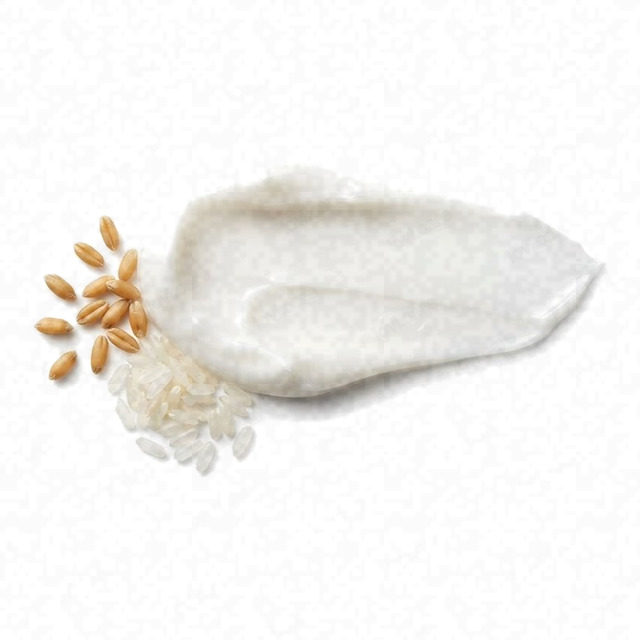 Ceramide Np
 Niacinamide
 Squalane
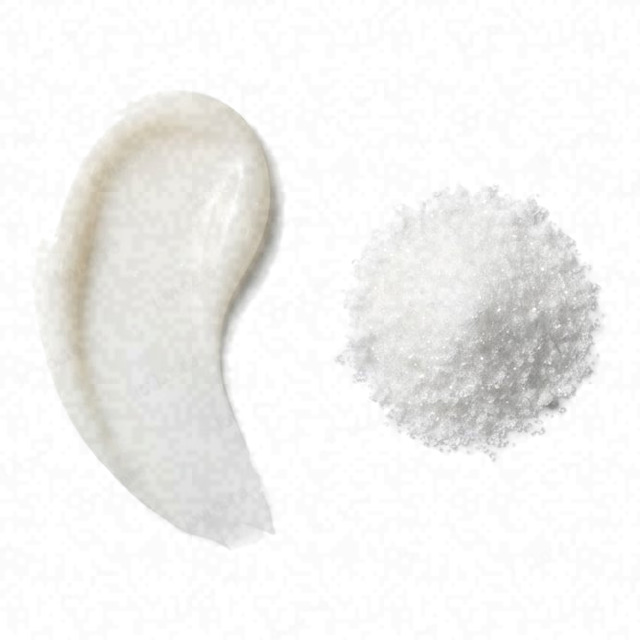 Phytosphingosine
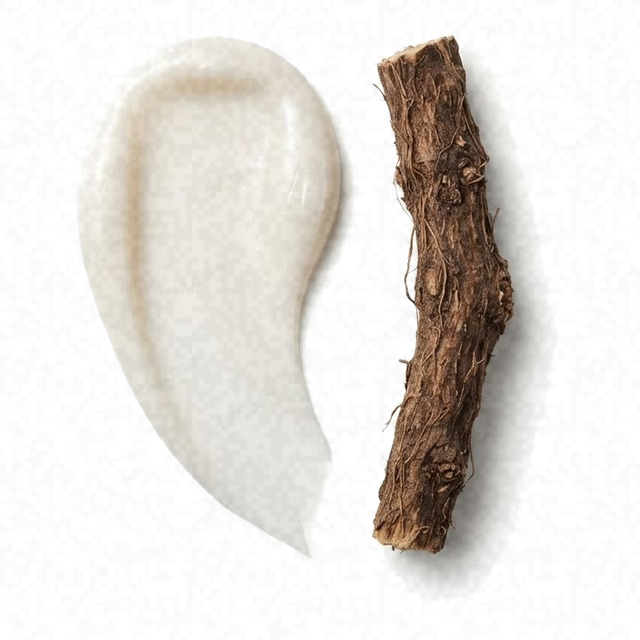 Allantoin
Average
- AverageNormal Skin Fit
- HighEffectiveness
- HighSafety
Works for sensitive skin; other moisturizers fit it better.
This fit is calculated for the concerns frequently associated with sensitive skin: redness, stinging, and reactions to new products. For scores and recommendations based on your full skin profile, including your 12D face scan results and any goals or preferences you have, please use the Lovi app.
Page built Nov 8, 2026How the Fit score works
Lovi Assistant explains
- Offers moderate benefits for your redness and irritation due to the presence of niacinamide and bisabolol, which help to soothe and reduce inflammation, while glycerin and squalane provide humectant and emollient actions suitable for normal skin.
- The ceramides and squalane enhance barrier resilience, providing excellent moisturizing treatment.
- The product is safe for your sensitive skin as it lacks harsh ingredients and includes soothing components.
How to apply
- Use this soothing AM and PM routine every day to keep your normal skin calm. Always remember to apply SPF in the morning after your moisturizer.
- Apply your moisturizer after your toner in the morning, and after your serum in the evening. This step locks in hydration and protects your skin.
- Gently press a small amount of the moisturizer evenly across your face. Avoid rubbing to keep your sensitive skin happy and calm.
- You can apply this gentle formula on dry or slightly damp skin for the best comfort. It works wonderfully on clean skin to soothe redness and irritation.
- Do a patch test before your very first use to check your skin's reaction. Avoid getting the product directly into your eyes .
People Say
★4.6Overall rating based on 400+ reviewsThis moisturizer is highly rated for its ability to soothe and repair compromised skin barriers, especially after treatments like chemical peels or retinoid use. Users frequently report significant improvements in hydration and a reduction in redness and irritation, making it a good choice for dry or post-procedure skin. Some users find it too heavy for oily or acne-prone skin, and the price point is considered moderate to high by many.
Highlights
Deeply hydrating Often Mentioned
- “soaks right in”
- “stays pretty hydrated all day”
- “comforting to winter dried out skin”
- “restores hydration for instant relief”
Soothes irritated skin Often Mentioned
- “really calms my skin”
- “so much less inflamed and irritated”
- “relieved the dry, itchy feeling”
Great post-procedure Sometimes Noted
- “helped my skin when I do a peel”
- “use this after peels and microneedling”
- “soothing effect on post-procedure skin”
- “first non-ointment moisturizer after peels”
Lightweight, non-greasy Sometimes Noted
- “lightweight, non-greasy”
- “Very light and smooth!”
- “glides on so smoothly”
- “without looking oily”
Expensive price point Sometimes Noted
- “expensive”
- “five to six times the price”
- “drugstore creams sell for a fifth”
Dispenser issues Rarely Noted
- “Pump dispenses more than most faces need”
- “dispenses more than most”
- “pump dispenses more”
Heavy for oily skin Rarely Noted
- “heavy on oily or acne-prone skin”
- “poorly suited to acne-prone”
- “congestion-prone users often prefer a lighter”
- “rich base is poorly suited”
Sources: lovi.care, dermapproved.com, lovelyskin.com, dermstore.com, skincareessentials.com, dermstreet.com, and more
Questions and answers
How well does Obagi Rebalance Skin Barrier Recovery Cream work for sensitive skin?
This cream is a moderate fit for sensitive skin, helping to calm redness and support the skin barrier with soothing ingredients and ceramides. A moisturizing treatment for sensitive skin needs highly effective calming ingredients like fermented centella asiatica or cica ceramide, along with nourishing oils, to deeply hydrate and repair without overwhelming the skin.
International Journal of Dermatology, 2008Journal of the European Academy of Dermatology and Venereology, 2002
Which ingredients make this cream a good fit for sensitive skin?
Ceramide np, niacinamide, squalane, phytosphingosine, and allantoin help soothe redness and irritation while strengthening your skin barrier. To work best for sensitive skin, a moisturizing treatment of this type needs highly effective soothing ingredients like fermented centella asiatica, cica ceramide, and nourishing oils to enhance barrier function and provide hydration without overwhelming the skin.
International Journal of Dermatology, 2008Journal of the European Academy of Dermatology and Venereology, 2002
What do Ceramides do for sensitive skin?
Ceramides help calm sensitive skin by strengthening the protective barrier, which may reduce discomfort and sensitivity over time. This type of product works best when it contains properly dissolved ceramides combined with soothing ingredients to support the skin without causing irritation.
Archives of Dermatological Research, 2018Skin Pharmacology and Physiology, 2026
What does Niacinamide do for sensitive skin?
Niacinamide helps calm sensitive skin by strengthening the skin barrier and reducing redness and irritation. It is very well tolerated and may improve overall comfort and resilience with regular use.
Where does this cream go in a skincare routine for sensitive skin?
This cream goes in the evening routine as a treatment step after your toner and before your moisturizer. It is unlikely to irritate sensitive skin because it lacks harsh ingredients and includes soothing components.
Can I use it with retinol, and in what order?
You can use this moisturizing treatment with retinol by applying the cream after your retinol to help calm irritation and keep your skin soft. Using a barrier-supporting moisturizer alongside retinol helps reduce dryness and improves how well your skin handles the treatment.
How often should I use this cream?
Use this cream as part of your evening routine, applying it once a day to help calm redness and keep your skin soft and smooth. Daily application of moisturizers of this type helps maintain skin hydration and barrier strength, though sensitive skin requires gentle barrier-supporting ingredients like ceramides, squalane, and soothing plant extracts.
Journal of Cosmetic Dermatology, 2020Health Science Reports, 2021
Can it clog pores, cause breakouts or purging for sensitive skin?
This cream is unlikely to clog pores or cause breakouts on sensitive skin, as it is free of harsh ingredients and safe for daily use. However, because it is rich and heavy, it may feel too thick if your skin leans oily.
Can I use this cream around the eyes or on my body?
You can use this moisturizing treatment around the eyes and on the body, as it has a safe profile for sensitive skin. However, because skin thickness varies across the body, sensitive skin in delicate areas often needs products loaded with extra soothing ingredients and barrier-repairing lipids to prevent irritation.
Surgical and Radiologic Anatomy, 2002International Journal of Dermatology, 2008
Is it fragrance-free and alcohol-free?
Yes, it has no fragrance and no drying alcohol. Cetearyl alcohol is a fatty alcohol, which soften the skin.
What the research says
Application of squalene/phosphotungstate calcium nanowires (Sql/PWC) oleogel on UVB-irradiated skin decreased epidermal thickness, increased dermal thickness, and promoted the expression of elastin, collagen, and skin barrier markers through antioxidant and anti-inflammatory activities.
Journal of Nanobiotechnology, 2025Emulsions containing ceramides 1 and 3 improved skin hydration and reduced transepidermal water loss in sodium lauryl sulfate-irritated skin of fifteen healthy Asian women compared to a control emulsion.
International Journal of Dermatology, 2008Topical application of an emulsion containing a complete mixture of ceramides III, IIIB, VI, phytosphingosine, cholesterol, and linoleic acid significantly accelerated barrier recovery after SLS damage and improved skin hydration after acetone treatment in human volunteers compared to an emulsion containing only two types of ceramides.
Journal of the European Academy of Dermatology and Venereology, 2002Phytosphingosine demonstrates anti-microbial and anti-inflammatory activity with excellent clinical results in acne vulgaris.
International Journal of Cosmetic Science, 2007Topical post-laser application of human adipocyte-derived mesenchymal stem cell media combined with niacinamide significantly improved wrinkle index, melanin index, patient satisfaction, and investigator esthetic improvement scores compared to vehicle cream in patients with aging skin.
Journal of Cosmetic Dermatology, 2021Topical nicotinamide prevented solar-simulated UV-induced immunosuppression in healthy volunteers, and men experienced immunosuppression at solar-simulated UV doses three times lower than those required for women.
The Journal of Investigative Dermatology, 2008Topical 5% niacinamide applied twice daily for 12 weeks reduced fine lines and wrinkles, hyperpigmented spots, red blotchiness, and skin sallowness, and improved skin elasticity compared to vehicle control in 50 female white subjects with facial photoaging.
Dermatologic Surgery, 2005Squalane at 0.005-0.015% counteracts UVA-induced oxidative stress, inflammation, and collagen metabolism inhibition while stimulating fibroblast migration in human dermal fibroblasts.
Molecules, 2025Plant-derived squalane protected human dermal fibroblasts against UVA-induced damage by counteracting ROS formation, suppressing apoptosis-related proteins p53, caspase-3, caspase-9, and PARP, and restoring the pro-survival p-Akt/mTOR pathway.
Antioxidants, 2025Phytosphingosine increased filaggrin metabolism and skin hydration in human skin by stimulating filaggrin biosynthesis and degradation leading to natural moisturizing factor formation.
Archives of Dermatological Research, 2017Phytosphingosine inhibits melanin synthesis in cultured melan-a cells and a reconstructed human skin model by modulating MITF through suppression of gene expression and induction of protein degradation.
Journal of Dermatological Science, 2017Phytosphingosine activated PPAR transcriptional activity, increased cornified envelope production and differentiation markers, inhibited DNA synthesis in normal human epidermal keratinocytes, and blocked TPA-induced epidermal hyperplasia and inflammation in hairless mice compared with controls.
Molecular Medicine, 2006Topical gel containing chitosan, 0.2% chlorhexidine, allantoin and dexpanthenol did not improve postoperative comfort regarding swelling and pain, but improved the wound's aesthetic appearance following impacted lower third molar extraction compared to no gel.
Medicina Oral, Patologia Oral Y Cirugia Bucal, 2016A topical gel containing chitosan, chlorhexidine, allantoin, and dexpanthenol significantly reduced postoperative pain, trismus, swelling, and analgesic consumption, while improving wound healing after third molar surgery compared to a placebo.
Medicina Oral, Patologia Oral Y Cirugia Bucal, 2020An overnight patch containing Allium cepa extract and allantoin safely promotes scar healing after dermatologic surgery, resulting in significantly greater reductions in observer- and patient-assessed POSAS scores compared to no treatment.
Aesthetic Plastic Surgery, 2018
Ingredients
Water, Caprylic Capric Triglyceride, Glycerin, Cetearyl Alcohol, Squalane, Glycol Palmitate, Coconut Alkanes, Niacinamide, Hexyldecanol, Cetearyl Olivate, Sorbitan Olivate, Maltodextrin, Hydrogenated Lecithin, Ceramide Np, Ceramide Ap, Ceramide Eop, Phytosphingosine, Hydrolyzed Caesalpinia Spinosa Gum, Caesalpinia Spinosa Gum, Cetylhydroxyproline Palmitamide, Hydroxyphenyl Propamidobenzoic Acid, Tetraselmis Suecica Extract, Lactobacillus Ferment, Brassica Campestris Sterols, Punica Granatum Pericarp Extract, Bisabolol, Arginine, Allantoin, Tocopherol, Cholesterol, Avena Sativa Kernel Flour Oat Kernel Flour, Coco-Caprylate Caprate, Pentylene Glycol, Butylene Glycol, Sodium Lauroyl Lactylate, Stearic Acid, Acacia Senegal Gum, Xanthan Gum, Carbomer, Phenoxyethanol, Caprylyl Glycol, Ethylhexylglycerin, Disodium Edta, Citric Acid
Behind this fit score
Lovi calculates every fit score from the full ingredient list with brand-independent rules our dermatologists and cosmetic chemists build and review, and personalizes every pick with AI trained on the real results of millions of users. Lovi trains its fit score models on a proprietary dataset built from more than 10,000 expert-labeled products and more than 100,000 simulated examples, following an internally consistent methodology presented at Cosmoprof, AMWC, and Skin of Color Update.
-

Co-founder, Medical Director
Cosmetic chemist, cosmetologist, aesthetic products developer
-

Co-founder, CEO and CTO
PhD in computer science, 3x US patent holder, ex-Google, ex-Yandex
-

Dr. Sofía Perea Pérez, MD, MSc
Medical Board
Aesthetic medicine practitioner, MSc in Longevity and Anti-Aging Medicine
-

Medical Board
Specialist dermatologist, MBBS, MD, IFAAD
-

Medical Board
Cosmetic chemist, SCS, IFSCC member
-

Medical Board, Medical Advisor
Dermatology MD
-

Elina Nazarenko, MD
Medical Board
Dermatology and diagnostic consultant
-

Victoria Derkova, MS
Medical Board
Cosmetic chemist, cosmetic development technologist


How does it fit your skin?
Scan your face, then any product: Lovi shows how well it fits you and what fits even better.