Haruharu Wonder Black Rice Pure Mineral Relief Daily Sunscreen for acne-prone skin

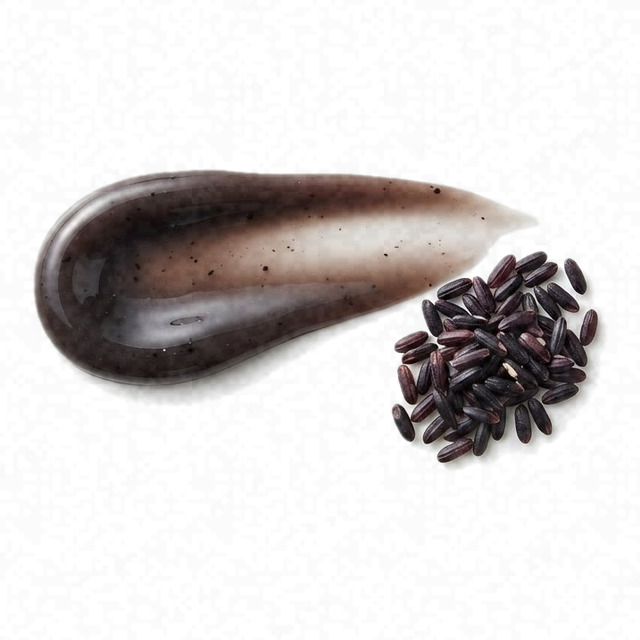 Black Rice Extract
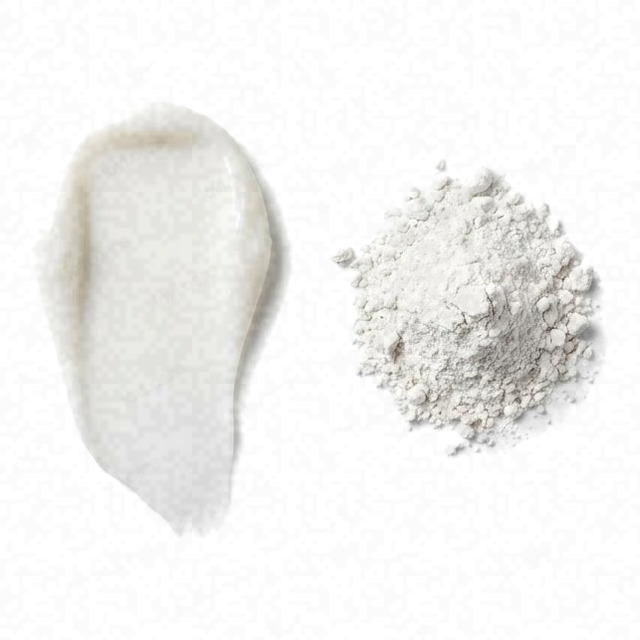 Zinc Oxide
 Niacinamide
 Sodium Hyaluronate
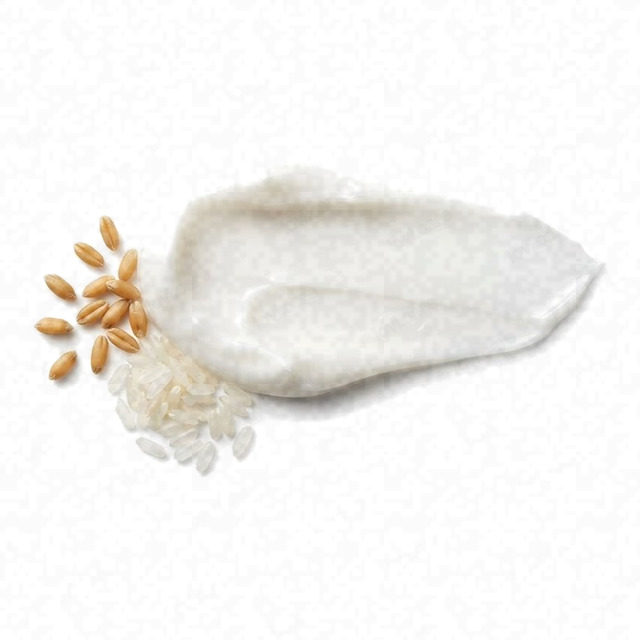 Ceramide Np
Superior
- SuperiorCombination Skin Fit
- SuperiorEffectiveness
- ExcellentSafety
One of the best sunscreens for acne-prone skin.
This fit is calculated for the concerns frequently associated with acne-prone skin: breakouts, blackheads, and post-acne marks. For scores and recommendations based on your full skin profile, including your 12D face scan results and any goals or preferences you have, please use the Lovi app.
Page built Nov 8, 2026How the Fit score works
Lovi Assistant explains
- Excellent suitability for your combination skin and acne concerns is provided by niacinamide and zinc oxide, which effectively control oil production and reduce inflammation. Sodium hyaluronate and rice extract further support hydration and soothe your skin, creating a balanced and comfortable feel.
- The formula's broad-spectrum sun protection, powered by a high concentration of zinc oxide, ensures optimal defense against UV damage.
- This product is safe for your skin, as it contains no harsh ingredients and includes soothing components like niacinamide and rice extract.
How to apply
- Apply this moisturizing sunscreen AM every morning as the final step of your daily routine.
- Layer the moisturizing sunscreen after your moisturizer has fully absorbed, right before heading out into the sun .
- Smooth a nickel-sized amount of the moisturizing sunscreen evenly over your face, avoiding harsh rubbing.
- Apply the moisturizing sunscreen onto clean, dry skin to ensure even coverage and protection.
- Perform a patch test before first use and avoid direct contact with the eyes.
People Say
★4.4Overall rating based on 200+ reviewsThis mineral sunscreen is well-loved by those with sensitive and oily-combination skin for its gentle, non-irritating formula and elegant satin finish that avoids greasiness. While often noted for minimal white cast among mineral SPFs, users with medium to deep skin tones frequently observe a noticeable white cast or "tone-up" effect that requires significant blending.
Highlights
Gentle on skin Mostly Mentioned
- “doesn't sting around the eye”
- “gentle... no irritation”
- “great for sensitive skin”
Non-greasy texture Often Mentioned
- “lightweight and non-greasy”
- “doesn't feel oily at all”
- “absorbs easily”
Satin/velvet finish Often Mentioned
- “leaves a nice satin finish”
- “velvet finish... not too oily”
- “finish is pretty natural”
Noticeable white cast Often Mentioned
- “leave a white cast”
- “white cast on darker skin”
- “slight milkiness at first”
Good makeup base Sometimes Noted
- “sit well under makeup”
- “great base for makeup”
- “works fantastic under foundation”
Difficult to blend Sometimes Noted
- “rub it in really carefully”
- “takes a bit more effort”
- “work to rub it in”
Can be drying Rarely Noted
- “drying on my cheeks”
- “clings to dry patches”
- “somewhat on the matte side”
Pilling issues Rarely Noted
- “started pilling a lot”
- “pilling”
- “white droplets... separated”
Sources: lovi.care, stylekorean.com, oliveyoung.com, yesstyle.com, reddit.com, hikoco.co.nz, and more
Questions and answers
What makes Haruharu Wonder Pure Mineral Relief Daily Sunscreen one of the best fits for acne-prone skin?
This sunscreen is a great fit for acne-prone skin because zinc oxide and niacinamide help control excess oil and reduce redness. It also features soothing rice extract and sodium hyaluronate to keep your skin hydrated and comfortable without clogging pores.
Which ingredients make this sunscreen a good fit for acne-prone skin?
This sunscreen is a great fit for acne-prone skin because it contains niacinamide and zinc oxide, which help control oil and calm redness. Sodium hyaluronate and rice extract also provide lightweight hydration while keeping your skin feeling balanced and comfortable.
What does Black Rice Extract do for acne-prone skin?
Black Rice Extract helps calm angry skin and reduce redness by supporting anti-inflammatory and antioxidant activity. It is unlikely to cause irritation and may help keep acne-prone skin balanced and clear.
Scientific Reports, 2020Journal of Cosmetic Dermatology, 2022
What does Zinc Oxide do for acne-prone skin?
Zinc oxide helps calm acne-prone skin by reducing breakouts, redness, and the bacteria linked to pimples. Studies show that using it on your skin is generally safe and unlikely to cause irritation.
Where does this sunscreen go in a skincare routine for acne-prone skin?
This sunscreen goes as the last step in your morning routine, right after your moisturizer. It provides broad-spectrum sun protection and helps calm your acne-prone skin without clogging pores.
Journal of Drugs in Dermatology, 2023Journal of Controlled Release, 2025
Can I use this sunscreen with retinol, and in what order?
Yes, you can use this sunscreen over your retinol in your morning routine after your moisturizer has absorbed. Niacinamide and zinc oxide help control oil and reduce redness, while zinc oxide and rice extract provide a safe profile and calm your skin.
How often should I use this sunscreen?
You should use this sunscreen every morning as the final step of your daytime routine. Daily use helps protect your skin from UV damage while keeping your skin calm and balanced.
Can this sunscreen clog pores, cause breakouts or purging for acne-prone skin?
This sunscreen is unlikely to clog pores or cause breakouts, as it features zinc oxide and niacinamide to help control oil and calm redness. Its gentle formula is well suited for your skin, though you may notice a slight white cast when applying it.
Is this sunscreen fragrance-free and alcohol-free?
Yes, it has no fragrance and no drying alcohol.
What the research says
Biomimetic hyaluronic acid-stabilized zinc oxide nanoparticles selectively inhibited C. acnes, outperformed erythromycin in preclinical acne models, and safely reduced acne lesions and redness in a clinical trial.
Journal of Controlled Release, 2025Daily application of a cream containing niosomes loaded with purple glutinous rice extract in 20 human volunteers for 28 days resulted in a significant decrease in melanin index and skin roughness by -14.05% and -9.95%, and increases in skin hydration and elastic recovery by +48.73% and +35.98% compared to initial values.
International Journal of Cosmetic Science, 2020Topical 0.5% hyaluronic-ZnO nanogel applied twice daily reduced inflammatory-lesion counts by 58% at week four in human subjects compared to baseline without causing erythema.
Biomedicines, 2025Black rice extract treatment downregulated MMP-1 and MMP-3 expression, increased type I procollagen expression, and reduced reactive oxygen species production in ultraviolet-irradiated HaCaT and human dermal fibroblast skin cells.
International Journal of Molecular Medicine, 2018Black rice hydrolyzed peptides induce a dose-dependent increase in hyaluronan synthase 2 gene expression and effectively increase hyaluronan production in HaCaT keratinocytes.
Journal of Microbiology and Biotechnology, 2007Nels cream achieved a similar reduction in inflammatory and noninflammatory lesion counts compared to 5% benzoyl peroxide in acne vulgaris patients, but caused significantly fewer side-effects such as peeling and dryness.
Clinical and Experimental Dermatology, 2000Topically applied coated and uncoated zinc oxide nanoparticles under flexing and massage are retained in the stratum corneum with no significant penetration into the viable epidermis and no cellular toxicity in human skin.
Nanomedicine, 2016Topical post-laser application of human adipocyte-derived mesenchymal stem cell media combined with niacinamide significantly improved wrinkle index, melanin index, patient satisfaction, and investigator esthetic improvement scores compared to vehicle cream in patients with aging skin.
Journal of Cosmetic Dermatology, 2021Topical nicotinamide prevented solar-simulated UV-induced immunosuppression in healthy volunteers, and men experienced immunosuppression at solar-simulated UV doses three times lower than those required for women.
The Journal of Investigative Dermatology, 2008Topical 5% niacinamide applied twice daily for 12 weeks reduced fine lines and wrinkles, hyperpigmented spots, red blotchiness, and skin sallowness, and improved skin elasticity compared to vehicle control in 50 female white subjects with facial photoaging.
Dermatologic Surgery, 2005Topical application of 0.1% hyaluronic acid formulations of different molecular weights led to significant improvements in skin hydration and elasticity, with low-molecular-weight formulations also significantly reducing wrinkle depth in seventy-six female subjects compared to a vehicle control.
Journal of Drugs in Dermatology, 2011Topical application of hyaluronic acid in conjunction with free gingival graft significantly reduced donor site postoperative pain until day 7 compared to normal saline, with no significant differences in graft dimensions or patient satisfaction.
Clinical Oral Investigations, 2022Treatment with a hyaluronic acid-containing mouth rinse or topical gel led to significant lesion reduction, pain relief, and normalization of lesion color in adult patients with minor recurrent aphthous stomatitis, with the gel formulation showing an earlier healing onset at 3 days.
BMC Oral Health, 2019
Ingredients
Water, Zinc Oxide, Cyclohexasiloxane, Butyloctyl Salicylate, Propanediol, Propylheptyl Caprylate, Caprylyl Methicone, Polyglyceryl-3 Polydimethylsiloxyethyl Dimethicone, Methyl Methacrylate Crosspolymer, Niacinamide, Methyl Trimethicone, Isododecane, Chickweed Extract, Helianthus Annuus Extract Sunflower Extract, Vaccinium Vitis-Idaea Fruit Extract, Rice Extract, Bellis Perennis Flower Extract, Houttuynia Cordata Extract, Rice Bran Oil, Sodium Hyaluronate, Hydrogenated Lecithin, Disteardimonium Hectorite, Magnesium Sulfate, Triethoxycaprylylsilane, Butylene Glycol, 1,2-Hexanediol, Polyglyceryl-2 Dipolyhydroxystearate, Polymethylsilsesquioxane, Lauryl Polyglyceryl-3 Polydimethylsiloxyethyl Dimethicone, Glyceryl Caprylate, Caprylyl Glycol, Ethylhexylglycerin, Tocopherol, Glycerin, Moringa Oleifera Seed Oil, Ceramide Np, Phytosphingosine, Phenethyl Alcohol, Sodium Chloride, Disodium Phosphate, Potassium Chloride, Potassium Phosphate
Behind this fit score
Lovi calculates every fit score from the full ingredient list with brand-independent rules our dermatologists and cosmetic chemists build and review, and personalizes every pick with AI trained on the real results of millions of users. Lovi trains its fit score models on a proprietary dataset built from more than 10,000 expert-labeled products and more than 100,000 simulated examples, following an internally consistent methodology presented at Cosmoprof, AMWC, and Skin of Color Update.
-

Co-founder, Medical Director
Cosmetic chemist, cosmetologist, aesthetic products developer
-

Co-founder, CEO and CTO
PhD in computer science, 3x US patent holder, ex-Google, ex-Yandex
-

Dr. Sofía Perea Pérez, MD, MSc
Medical Board
Aesthetic medicine practitioner, MSc in Longevity and Anti-Aging Medicine
-

Medical Board
Specialist dermatologist, MBBS, MD, IFAAD
-

Medical Board
Cosmetic chemist, SCS, IFSCC member
-

Medical Board, Medical Advisor
Dermatology MD
-

Elina Nazarenko, MD
Medical Board
Dermatology and diagnostic consultant
-

Victoria Derkova, MS
Medical Board
Cosmetic chemist, cosmetic development technologist


How does it fit your skin?
Scan your face, then any product: Lovi shows how well it fits you and what fits even better.