CeraVe Hydrating Sheer Sunscreen SPF 30 for acne-prone skin

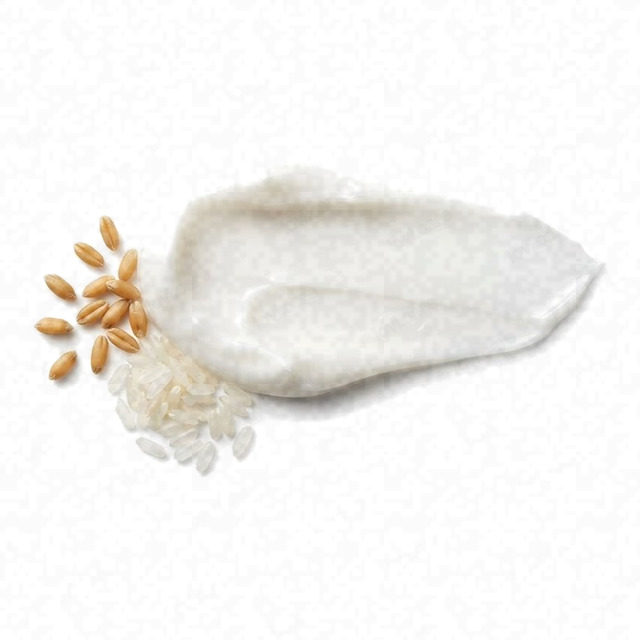 3 Essential Ceramides
 Niacinamide
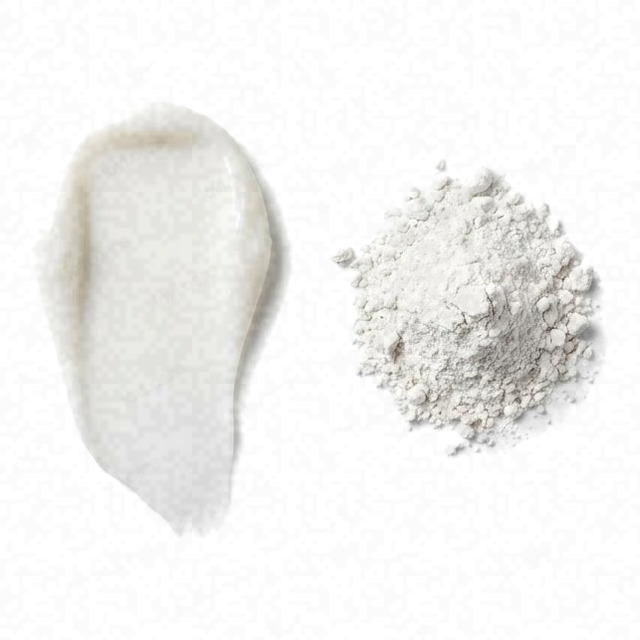 Zinc Oxide
 Glycerin
 Sodium Hyaluronate
High
- HighCombination Skin Fit
- HighEffectiveness
- HighSafety
A great choice for acne-prone skin; a few sunscreens fit it even better.
This fit is calculated for the concerns frequently associated with acne-prone skin: breakouts, blackheads, and post-acne marks. For scores and recommendations based on your full skin profile, including your 12D face scan results and any goals or preferences you have, please use the Lovi app.
Page built Nov 8, 2026How the Fit score works
Lovi Assistant explains
- Highly suitable for your combination skin, this sunscreen offers excellent sun protection with homosalate, octisalate, and octocrylene, while niacinamide helps regulate oil production and reduce inflammation for your acne and blemishes.
- The inclusion of sodium hyaluronate provides essential hydration without clogging pores, complementing the seboregulation benefits of niacinamide for your combination skin.
- The product is safe for your skin, with no risks of irritation due to the absence of prohibited or harsh ingredients.
How to apply
- Apply this moisturizing sunscreen AM every morning as the final step of your daily routine.
- Layer the moisturizing sunscreen after your moisturizer has fully absorbed, right before heading out into the sun .
- Smooth a nickel-sized amount of the moisturizing sunscreen evenly over your face, avoiding harsh rubbing.
- Apply the moisturizing sunscreen onto clean, dry skin to ensure even coverage and protection.
- Perform a patch test before first use and avoid direct contact with the eyes.
People Say
★4.5Overall rating based on 700+ reviewsThis sunscreen is highly recommended for individuals with dry or sensitive skin, who appreciate its ultra-fluid texture and hydrating, dewy finish that layers well under makeup. Users with oily skin often find it too greasy or shiny. While it blends clear on lighter skin tones, those with darker complexions frequently observe a noticeable white or purplish cast.
Highlights
Hydrating dewy finish Mostly Mentioned
- “leaves a nice glow”
- “very moisturizing”
- “skin feels soft”
- “great for dry skin”
Lightweight fluid texture Often Mentioned
- “spreads very easily”
- “feels like a serum”
- “very runny but blends fast”
- “thin consistency”
Minimal white cast Often Mentioned
- “rubbed in completely”
- “no white residue”
- “goes on white then clears”
- “invisible on fair skin”
Greasy and shiny Often Mentioned
- “looks very oily”
- “too shiny for face”
- “leaves a grease film”
- “never fully dries down”
Gentle on eyes Sometimes Noted
- “doesn't sting eyes”
- “no eye irritation”
- “good for sensitive eyes”
- “applied on eyelids fine”
Makeup compatible Sometimes Noted
- “sits well under foundation”
- “does not pill”
- “acts like a primer”
- “smooth base for makeup”
Runny consistency Sometimes Noted
- “pours out too fast”
- “messy application”
- “very watery liquid”
- “dripped everywhere”
White cast on dark skin Sometimes Noted
- “leaves a purple cast”
- “not brown skin friendly”
- “looks ashy”
- “visible residue on hairline”
Heavy feeling Rarely Noted
- “feels heavy on skin”
- “can feel it sitting”
- “traps heat”
- “sticky after application”
Sources: lovi.care, ulta.com, target.com, walmart.com, cerave.com, and more
Questions and answers
What makes CeraVe Hydrating Sheer Sunscreen SPF 30 a great fit for acne-prone skin?
This sunscreen is a great fit because it contains niacinamide to help calm inflammation and regulate oil, along with sodium hyaluronate for lightweight moisture that does not clog pores. Its chemical and mineral UV filters also show a low likelihood of irritating sensitive skin.
Journal of Drugs in Dermatology, 2025Archives of Dermatological Research, 2024
Which ingredients make this sunscreen a good fit for acne-prone skin?
This sunscreen is a great fit for acne-prone skin because it contains niacinamide to help regulate oil and reduce inflammation, along with sodium hyaluronate for hydration that is unlikely to clog pores. It also includes ceramides and zinc oxide to support the skin barrier while protecting against the sun.
Archives of Dermatological Research, 2024Scientific Reports, 2024
What do Ceramides do for acne-prone skin?
Ceramides help keep acne-prone skin calm and supported because acne is often linked to a weak skin barrier and low natural ceramide levels. Using ceramides in your routine helps reduce dryness, redness, and flaking while improving skin barrier function during acne treatments.
Journal of Drugs in Dermatology, 2023Archives of Dermatological Research, 1995
What does Niacinamide do for acne-prone skin?
Niacinamide helps acne-prone skin by reducing both inflamed and uninflamed breakouts and calming redness. It is also very helpful for keeping oily skin balanced by cutting down on excess oil production, and it is well tolerated by most people.
Where does this sunscreen go in a skincare routine for acne-prone skin?
This sunscreen is applied in the morning as the final step of your skincare routine, right after your moisturizer. It offers sun protection and hydration while helping to calm and manage your skin.
Can I use this sunscreen with retinol, and in what order?
You can use this sunscreen in the morning as the final step of your skincare routine before makeup, and apply your retinol in the evening. This sunscreen is unlikely to irritate your skin or clog your pores when paired with your routine.
How often should I use this sunscreen?
You can use this sunscreen every morning as the last step of your daytime routine. Daily use provides reliable sun protection while keeping your skin calm and hydrated without clogging pores.
Can this sunscreen clog pores, cause breakouts or purging for acne-prone skin?
This sunscreen is unlikely to clog pores or cause breakouts on acne-prone skin because it uses lightweight hydration that avoids heavy oils and includes ingredients that help calm inflammation and control oil. Chemical sunscreens and moisturizing ingredients like these are generally well-tolerated and do not disturb the natural skin balance.
Journal of Drugs in Dermatology, 2025Archives of Dermatological Research, 2024
Is this sunscreen fragrance-free and alcohol-free?
Yes, it has no fragrance and no drying alcohol. Cetearyl alcohol is a fatty alcohol, which soften the skin.
What the research says
The application of a sunscreen formulation containing ethylhexyl methoxycinnamate, ethylhexyl salicylate, methyl anthranilate, and octocrylene does not significantly affect critical acne-related species such as Cutibacterium acnes and Staphylococcus epidermidis, refuting the induction of facial dysbiosis in men.
Archives of Dermatological Research, 2024Treatment with a combination of niacinamide and hyaluronic acid improved skin aging signs and demonstrated a senomorphic effect by decreasing SASP and autocrine signaling genes in women.
Scientific Reports, 2024Chemical sunscreens containing avobenzone, octocrylene, homosalate, and octisalate showed no to minimal risks of dermal irritation, sensitization, photo-allergy, and photo-irritation in human subjects.
Journal of Drugs in Dermatology, 2025Topical post-laser application of human adipocyte-derived mesenchymal stem cell media combined with niacinamide significantly improved wrinkle index, melanin index, patient satisfaction, and investigator esthetic improvement scores compared to vehicle cream in patients with aging skin.
Journal of Cosmetic Dermatology, 2021Topical nicotinamide prevented solar-simulated UV-induced immunosuppression in healthy volunteers, and men experienced immunosuppression at solar-simulated UV doses three times lower than those required for women.
The Journal of Investigative Dermatology, 2008Topical 5% niacinamide applied twice daily for 12 weeks reduced fine lines and wrinkles, hyperpigmented spots, red blotchiness, and skin sallowness, and improved skin elasticity compared to vehicle control in 50 female white subjects with facial photoaging.
Dermatologic Surgery, 2005Topical 0.5% hyaluronic-ZnO nanogel applied twice daily reduced inflammatory-lesion counts by 58% at week four in human subjects compared to baseline without causing erythema.
Biomedicines, 2025Nels cream achieved a similar reduction in inflammatory and noninflammatory lesion counts compared to 5% benzoyl peroxide in acne vulgaris patients, but caused significantly fewer side-effects such as peeling and dryness.
Clinical and Experimental Dermatology, 2000Topically applied coated and uncoated zinc oxide nanoparticles under flexing and massage are retained in the stratum corneum with no significant penetration into the viable epidermis and no cellular toxicity in human skin.
Nanomedicine, 2016A single application of a moisturizing fluid containing hyaluronic acid 1%, glycerin 5%, and Centella asiatica stem cells extract significantly increased skin hydration by 29% and reduced transepidermal water loss at 24 hours compared to baseline and an untreated control site in twenty healthy women.
Clinical, Cosmetic and Investigational Dermatology, 2017The emollient V0034CR significantly reduced TEWL compared to vehicle and vehicle plus glycerol, and significantly increased corneometry scores compared to vehicle and vehicle plus petrolatum in healthy volunteers with dry skin, demonstrating combined barrier function improvement from petrolatum and hydration improvement from glycerol.
Journal of Cosmetic Dermatology, 2020Ten days of treatment with a cream containing 20% glycerin significantly increased skin hydration measured by corneometer values in 17 healthy volunteers compared to a placebo cream, but showed no influence on transepidermal water loss or skin sensitivity to an irritating surfactant.
International Journal of Cosmetic Science, 2001Topical application of 0.1% hyaluronic acid formulations of different molecular weights led to significant improvements in skin hydration and elasticity, with low-molecular-weight formulations also significantly reducing wrinkle depth in seventy-six female subjects compared to a vehicle control.
Journal of Drugs in Dermatology, 2011Topical application of hyaluronic acid in conjunction with free gingival graft significantly reduced donor site postoperative pain until day 7 compared to normal saline, with no significant differences in graft dimensions or patient satisfaction.
Clinical Oral Investigations, 2022Treatment with a hyaluronic acid-containing mouth rinse or topical gel led to significant lesion reduction, pain relief, and normalization of lesion color in adult patients with minor recurrent aphthous stomatitis, with the gel formulation showing an earlier healing onset at 3 days.
BMC Oral Health, 2019
Ingredients
Homosalate, Octisalate, Octocrylene, Zinc Oxide, Water, Glycerin, Coco-Caprylate Caprate, Propanediol, Butyloctyl Salicylate, C12-22 Alkyl Acrylate Hydroxyethylacrylate Copolymer, Niacinamide, Ethylhexyl Methoxycrylene, Rice Bran Wax, Steareth-20, Ceramide Np, Ceramide Ap, Ceramide Eop, Sorbitan Isostearate, Carbomer, Triethoxycaprylylsilane, Cetearyl Alcohol, Behentrimonium Methosulfate, Triethyl Citrate, Sodium Lauroyl Lactylate, Sodium Hyaluronate, Cholesterol, Chlorphenesin, Hydroxyacetophenone, Hydroxyethyl Acrylate Sodium Acryloyldimethyl Taurate Copolymer, Citric Acid, Caprylic Capric Triglyceride, Caprylyl Glycol, Trisodium Ethylenediamine Disuccinate, Diethylhexyl Syringylidenemalonate, Xanthan Gum, Phytosphingosine, Polyhydroxystearic Acid, Polysorbate 60, Benzoic Acid
Behind this fit score
Lovi calculates every fit score from the full ingredient list with brand-independent rules our dermatologists and cosmetic chemists build and review, and personalizes every pick with AI trained on the real results of millions of users. Lovi trains its fit score models on a proprietary dataset built from more than 10,000 expert-labeled products and more than 100,000 simulated examples, following an internally consistent methodology presented at Cosmoprof, AMWC, and Skin of Color Update.
-

Co-founder, Medical Director
Cosmetic chemist, cosmetologist, aesthetic products developer
-

Co-founder, CEO and CTO
PhD in computer science, 3x US patent holder, ex-Google, ex-Yandex
-

Dr. Sofía Perea Pérez, MD, MSc
Medical Board
Aesthetic medicine practitioner, MSc in Longevity and Anti-Aging Medicine
-

Medical Board
Specialist dermatologist, MBBS, MD, IFAAD
-

Medical Board
Cosmetic chemist, SCS, IFSCC member
-

Medical Board, Medical Advisor
Dermatology MD
-

Elina Nazarenko, MD
Medical Board
Dermatology and diagnostic consultant
-

Victoria Derkova, MS
Medical Board
Cosmetic chemist, cosmetic development technologist


How does it fit your skin?
Scan your face, then any product: Lovi shows how well it fits you and what fits even better.