CeraVe AM Facial Moisturising Lotion SPF50 for oily acne-prone skin

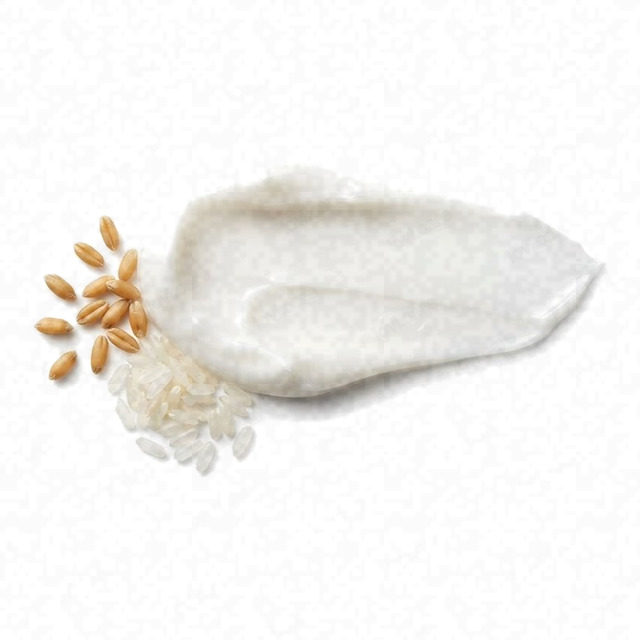 Ceramides
 Niacinamide
 Vitamin E
 Sodium Hyaluronate
 Glycerin
Average
- AverageOily Skin Fit
- AverageEffectiveness
- HighSafety
Works for oily acne-prone skin; other sunscreens fit it better.
This fit is calculated for the concerns frequently associated with oily acne-prone skin: shine, breakouts, blemishes, and enlarged pores. For scores and recommendations based on your full skin profile, including your 12D face scan results and any goals or preferences you have, please use the Lovi app.
Page built Nov 8, 2026How the Fit score works
Lovi Assistant explains
- Offers moderate suitability for your oily skin as niacinamide helps regulate sebum production, though it lacks sufficient mattifying ingredients for optimal results.
- The broad-spectrum UV filters, including Bis-Ethylhexyloxyphenol Methoxyphenyl Triazine and Ethylhexyl Salicylate, provide excellent sun protection, which is beneficial for overall skin health.
- The safety profile is excellent, with no risks of irritation for your oily skin due to the absence of prohibited or harsh ingredients.
How to apply
- Use your moisturizing sunscreen every morning. Reapply throughout the day if you are outside.
- Apply this moisturizing sunscreen as the final step of your morning routine after your moisturizer.
- Gently smooth a nickel-sized amount over your face and neck, avoiding harsh rubbing to keep oily areas calm.
- Apply this moisturizing sunscreen on clean, dry skin to ensure even coverage and protection.
- Avoid getting the product into your eyes and do a patch test before your first use.
People Say
★4.6Overall rating based on 2.8k+ reviewsBased on a very large amount of data, users with normal to dry skin frequently praise this lotion for effectively combining high sun protection with deep hydration, often noting it simplifies their morning routine. While many find it restores their skin barrier and layers well, those with oily or combination skin sometimes report a shiny finish or greasiness, and a subset of users experience eye irritation.
Highlights
High SPF Mostly Mentioned
- “Perfect everyday sun protection”
- “Great to have SPF 50 in a face cream”
- “Feel protected without an extra step”
Hydrating & soothing Often Mentioned
- “Leaves skin feeling plump”
- “Keeps my dry patches away”
- “Very moisturising for all day”
No white cast Often Mentioned
- “No white residue on my dark skin”
- “Disappears completely after rubbing”
- “Leaves no ghostly cast”
Beneficial ingredients Sometimes Noted
- “Love the niacinamide for my redness”
- “Ceramides helped my skin barrier”
- “Great ingredients list for the price”
Eye irritation Sometimes Noted
- “Stings my eyes badly”
- “Have to be careful around the eye area”
- “Made my eyes water for hours”
Greasy/shiny finish Sometimes Noted
- “Left a sticky film”
- “Too greasy for my T-zone”
- “Made me look very shiny by midday”
Pilling Rarely Noted
- “Pills under my foundation”
- “Balls up if you rub it too much”
- “Flakes off when I touch my face”
Thick texture Rarely Noted
- “Hard to spread evenly”
- “Thicker than the SPF 25 version”
- “Takes a while to rub in”
Sources: lovi.care, lookfantastic.com, boots.com, superdrug.com, cerave.co.uk, cultbeauty.co.uk, and more
Questions and answers
How well does CeraVe AM Facial Moisturising Lotion SPF50 work for oily acne-prone skin?
This moisturizer with sun protection works moderately well for oily skin, as niacinamide helps control oil, though it lacks enough mattifying ingredients. A better fit for this skin needs oil-controlling and mattifying ingredients that hydrate without feeling heavy or clogging pores while preventing excess oiliness.
Which ingredients make this cream a good fit for oily acne-prone skin?
Niacinamide helps make this cream a good fit for oily acne-prone skin by helping regulate oil production. However, an oily skin type needs lightweight formulas with stronger mattifying ingredients to control shine and keep pores clear.
What do Ceramides do for oily acne-prone skin?
Ceramides help restore the protective barrier of oily, acne-prone skin, which often lacks these vital lipids and suffers from moisture loss and irritation. Using products with ceramides supports skin hydration, calms redness, and improves overall texture while managing breakouts.
Journal of Cosmetic Dermatology, 2026Journal of Cosmetic Dermatology, 2023
What does Niacinamide do for oily acne-prone skin?
Niacinamide helps balance oil production, calms redness, and is unlikely to irritate oily, acne-prone skin while improving blemishes. Clinical tests show it reduces excess oil and helps clear up both inflammatory and non-inflammatory acne breakouts.
Journal of Cosmetic and Laser Therapy, 2006Journal of Cosmetic Dermatology, 2024
Where does this cream go in a skincare routine for oily acne-prone skin?
This moisturizing spf goes in the morning routine after your hydrating toner. Oily skin also needs a product of this type to include oil-absorbing powders or clays to keep shine under control.
Can I use this cream with retinol, and in what order?
Yes, you can use this cream with retinol by applying your retinol first and following it with this moisturizer. This combination is unlikely to cause irritation and helps keep your skin comfortable while using active treatments. To better suit oily skin, an ideal product of this type also needs strong oil-absorbing ingredients to keep shine under control.
How often should I use this cream?
You can use this moisturizing spf every morning as part of your routine. It is unlikely to irritate oily skin while providing sun protection, though oily skin of this type needs mattifying ingredients to control shine best.
Journal of Drugs in Dermatology, 2025Archives of Dermatological Research, 2024
Can this cream clog pores, cause breakouts or purging for oily acne-prone skin?
This cream is unlikely to cause irritation or breakouts on your oily skin since it avoids harsh ingredients, but it may leave a shiny finish because it lacks strong oil-absorbing components. Oily acne-prone skin typically needs lightweight, oil-free formulas with dedicated mattifying ingredients to keep shine under control.
Journal of Drugs in Dermatology, 2025Archives of Dermatological Research, 2024
Is this cream fragrance-free and alcohol-free?
Yes, it has no fragrance and no drying alcohol. Cetearyl alcohol is a fatty alcohol, which soften the skin.
What the research says
Chemical sunscreens containing avobenzone, octocrylene, homosalate, and octisalate showed no to minimal risks of dermal irritation, sensitization, photo-allergy, and photo-irritation in human subjects.
Journal of Drugs in Dermatology, 2025The application of a sunscreen formulation containing ethylhexyl methoxycinnamate, ethylhexyl salicylate, methyl anthranilate, and octocrylene does not significantly affect critical acne-related species such as Cutibacterium acnes and Staphylococcus epidermidis, refuting the induction of facial dysbiosis in men.
Archives of Dermatological Research, 2024Topical application of tocopherol succinate ethosomal gel decreased erythema, melanin, and sebum levels while improving moisture content and skin elasticity in 34 human women.
Journal of Cosmetic Dermatology, 2024Topical post-laser application of human adipocyte-derived mesenchymal stem cell media combined with niacinamide significantly improved wrinkle index, melanin index, patient satisfaction, and investigator esthetic improvement scores compared to vehicle cream in patients with aging skin.
Journal of Cosmetic Dermatology, 2021Topical nicotinamide prevented solar-simulated UV-induced immunosuppression in healthy volunteers, and men experienced immunosuppression at solar-simulated UV doses three times lower than those required for women.
The Journal of Investigative Dermatology, 2008Topical 5% niacinamide applied twice daily for 12 weeks reduced fine lines and wrinkles, hyperpigmented spots, red blotchiness, and skin sallowness, and improved skin elasticity compared to vehicle control in 50 female white subjects with facial photoaging.
Dermatologic Surgery, 2005Topical application of an antioxidant serum containing 15% ascorbic acid, 0.5% ferulic acid, and 1% tocopherol prevented particulate matter-induced degradation of extracellular matrix components, inflammation, and oxidative stress in the skin of 15 female volunteers compared to untreated controls.
Journal of Cosmetic Dermatology, 2025Dermatological products containing d-alpha tocopheryl acetate showed non-comedogenic potential with less than a 50% increase in microcomedones in 12 healthy male subjects compared to octyl palmitate.
Contemporary Clinical Trials Communications, 2021Topical application of an antioxidant mix containing 15% ascorbic acid, 0.5% ferulic acid, and 1% tocopherol prevented PM and UV-induced skin barrier perturbation, lipid peroxidation, inflammatory markers, MMP9 activation, and Type I collagen loss in 15 healthy females compared to untreated exposed skin.
Journal of Cosmetic Dermatology, 2024Topical application of 0.1% hyaluronic acid formulations of different molecular weights led to significant improvements in skin hydration and elasticity, with low-molecular-weight formulations also significantly reducing wrinkle depth in seventy-six female subjects compared to a vehicle control.
Journal of Drugs in Dermatology, 2011Topical application of hyaluronic acid in conjunction with free gingival graft significantly reduced donor site postoperative pain until day 7 compared to normal saline, with no significant differences in graft dimensions or patient satisfaction.
Clinical Oral Investigations, 2022Treatment with a hyaluronic acid-containing mouth rinse or topical gel led to significant lesion reduction, pain relief, and normalization of lesion color in adult patients with minor recurrent aphthous stomatitis, with the gel formulation showing an earlier healing onset at 3 days.
BMC Oral Health, 2019A single application of a moisturizing fluid containing hyaluronic acid 1%, glycerin 5%, and Centella asiatica stem cells extract significantly increased skin hydration by 29% and reduced transepidermal water loss at 24 hours compared to baseline and an untreated control site in twenty healthy women.
Clinical, Cosmetic and Investigational Dermatology, 2017The emollient V0034CR significantly reduced TEWL compared to vehicle and vehicle plus glycerol, and significantly increased corneometry scores compared to vehicle and vehicle plus petrolatum in healthy volunteers with dry skin, demonstrating combined barrier function improvement from petrolatum and hydration improvement from glycerol.
Journal of Cosmetic Dermatology, 2020Ten days of treatment with a cream containing 20% glycerin significantly increased skin hydration measured by corneometer values in 17 healthy volunteers compared to a placebo cream, but showed no influence on transepidermal water loss or skin sensitivity to an irritating surfactant.
International Journal of Cosmetic Science, 2001
Why other sunscreens fit oily acne-prone skin better
Biomimetic hyaluronic acid-stabilized zinc oxide nanoparticles selectively inhibited C. acnes, outperformed erythromycin in preclinical acne models, and safely reduced acne lesions and redness in a clinical trial.
Journal of Controlled Release, 2025Topical 0.5% hyaluronic-ZnO nanogel applied twice daily reduced inflammatory-lesion counts by 58% at week four in human subjects compared to baseline without causing erythema.
Biomedicines, 2025
Ingredients
Water, Glycerin, Isopropyl Palmitate, Bis-Ethylhexyloxyphenol Methoxyphenyl Triazine, Ethylhexyl Salicylate, Niacinamide, Pentylene Glycol, Butyl Methoxydibenzoylmethane, Ethylhexyl Triazone, Propanediol, Zea Mays Starch, Potassium Cetyl Phosphate, Diisopropyl Sebacate, Rice Cera, Rice Bran Wax, Stearic Acid, Ceramide Np, Ceramide Ap, Ceramide Eop, Carbomer, Glyceryl Stearate, Cetearyl Alcohol, Triethanolamine, Behentrimonium Methosulfate, Triethyl Citrate, Sodium Hyaluronate, Sodium Polyacrylate, Sodium Lauroyl Lactylate, Myristic Acid, Cholesterol, Palmitic Acid, Tocopherol, Caprylyl Glycol, Citric Acid, Trisodium Ethylenediamine Disuccinate, Xanthan Gum, Phytosphingosine, Acrylates C10-30 Alkyl Acrylate Crosspolymer, Butyrospermum Parkii Butter, Shea Butter, Benzoic Acid, Peg-100 Stearate
Behind this fit score
Lovi calculates every fit score from the full ingredient list with brand-independent rules our dermatologists and cosmetic chemists build and review, and personalizes every pick with AI trained on the real results of millions of users. Lovi trains its fit score models on a proprietary dataset built from more than 10,000 expert-labeled products and more than 100,000 simulated examples, following an internally consistent methodology presented at Cosmoprof, AMWC, and Skin of Color Update.
-

Co-founder, Medical Director
Cosmetic chemist, cosmetologist, aesthetic products developer
-

Co-founder, CEO and CTO
PhD in computer science, 3x US patent holder, ex-Google, ex-Yandex
-

Dr. Sofía Perea Pérez, MD, MSc
Medical Board
Aesthetic medicine practitioner, MSc in Longevity and Anti-Aging Medicine
-

Medical Board
Specialist dermatologist, MBBS, MD, IFAAD
-

Medical Board
Cosmetic chemist, SCS, IFSCC member
-

Medical Board, Medical Advisor
Dermatology MD
-

Elina Nazarenko, MD
Medical Board
Dermatology and diagnostic consultant
-

Victoria Derkova, MS
Medical Board
Cosmetic chemist, cosmetic development technologist


How does it fit your skin?
Scan your face, then any product: Lovi shows how well it fits you and what fits even better.