Neutrogena Ultra Sheer Dry-Touch Sunscreen for sensitive skin

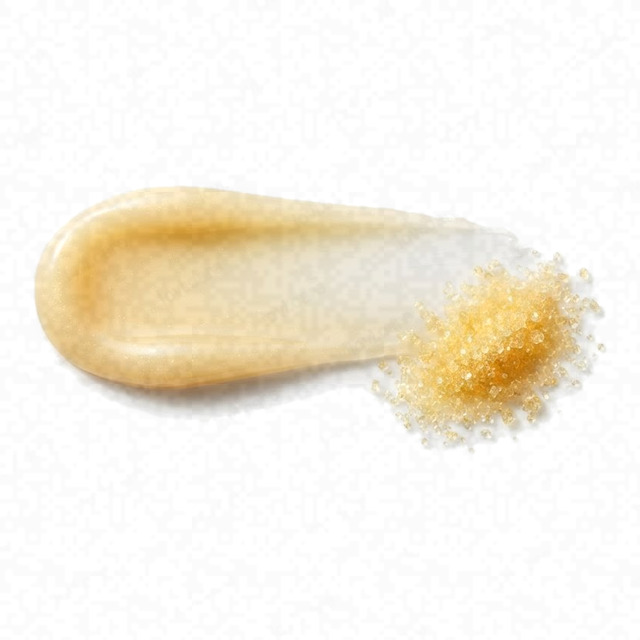 Helioplex Technology
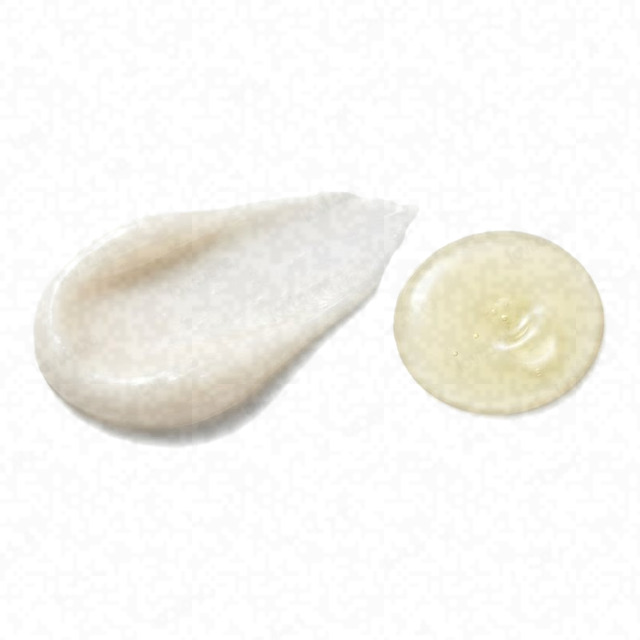 Octocrylene
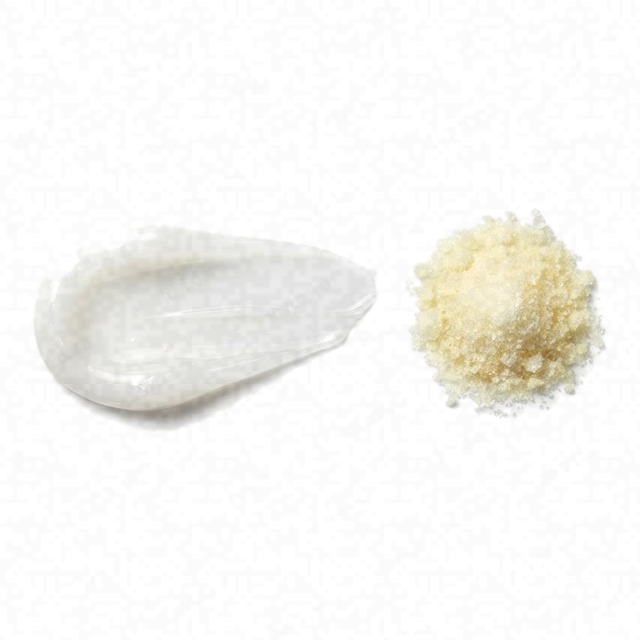 Avobenzone
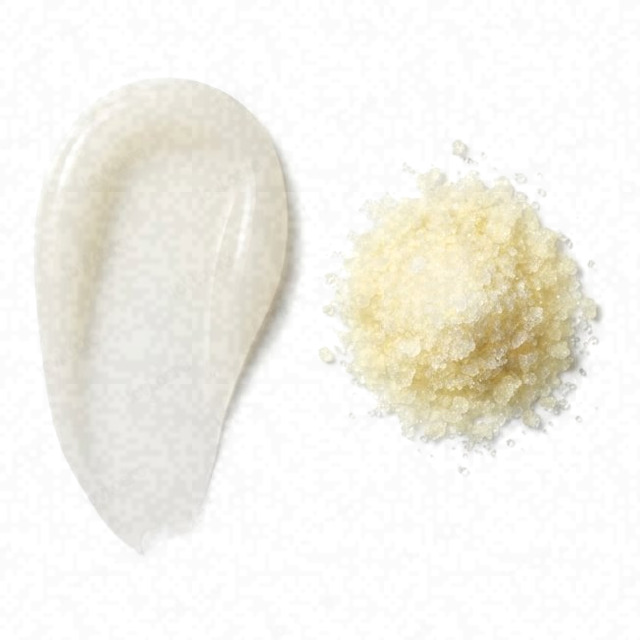 Oxybenzone
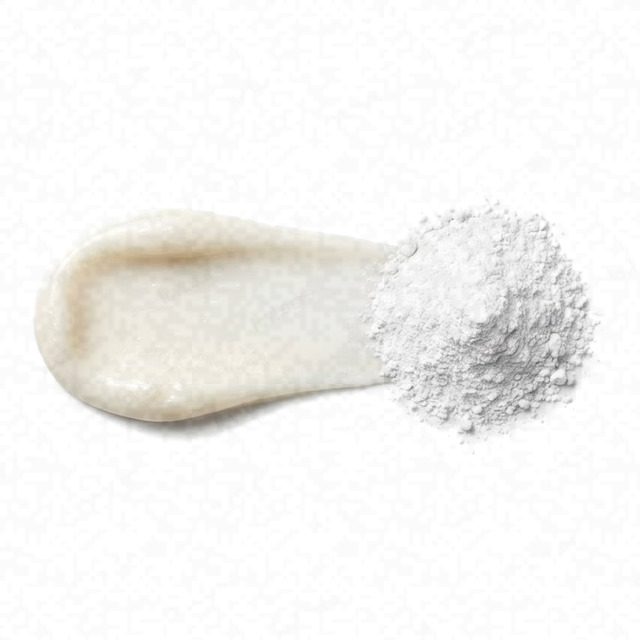 Titanium Dioxide
Superior
- SuperiorNormal Skin Fit
- HighEffectiveness
- HighSafety
One of the best sunscreens for sensitive skin.
- Skin Pharmacology and Applied Skin Physiology, 2001
- Photodermatology, Photoimmunology & Photomedicine, 2008
This fit is calculated for the concerns frequently associated with sensitive skin: redness, stinging, and reactions to new products. For scores and recommendations based on your full skin profile, including your 12D face scan results and any goals or preferences you have, please use the Lovi app.
Page built Nov 8, 2026How the Fit score works
Lovi Assistant explains
- Excellent suitability for your normal skin is provided by dimethicone and silica, which offer emollient action and a mattifying effect, respectively, without compromising your skin's natural balance.
- The product offers moderate benefits for redness and irritation due to soothing ingredients like water and dimethicone, which provide general skincare benefits.
- The safety profile is excellent, with no risks of irritation for your sensitive skin due to the absence of prohibited or harsh ingredients.
How to apply
- Apply this sunscreen during your AM routine every morning. Reapply every two hours if you are staying outdoors under direct sunlight.
- Order in routine: apply the sunscreen as the final step after your moisturizer and before applying makeup.
- Application method: gently press a nickel-sized amount over your face and neck without harsh rubbing.
- Skin condition guidance: apply the sunscreen directly onto dry skin for even coverage and reliable sun protection.
- Safety note: avoid direct contact with your eyes and do a patch test before first use to check for sensitivity.
People Say
★4.4Overall rating based on 11.1k+ reviewsBased on a very large amount of data, users frequently praise this sunscreen for its reliable broad-spectrum protection and unique dry-touch matte finish that avoids a greasy residue. However, a significant number of reviewers with darker skin tones report a visible white cast, and others note issues with the formula pilling under makeup or stinging sensitive eyes.
Highlights
Matte finish Mostly Mentioned
- “dries down completely matte”
- “doesn't leave me looking like an oil slick”
- “feels like nothing on my skin”
- “perfect for humid weather”
Reliable sun protection Often Mentioned
- “never burned once in Hawaii”
- “great for fair skin”
- “blocks sun effectively at the beach”
- “trusted by my dermatologist”
Eye irritation Often Mentioned
- “burns my eyes terribly”
- “makes eyes water when sweating”
- “can't use it on my forehead”
- “stings for hours”
Visible white cast Often Mentioned
- “leaves a purple/blue tint”
- “makes me look like a ghost”
- “takes forever to rub in”
- “not sheer on brown skin”
Lightweight texture Sometimes Noted
- “goes on like a lotion”
- “breathable on the face”
- “doesn't clog my pores”
- “easy to spread”
Pilling or flaking Sometimes Noted
- “balls up under foundation”
- “pills if you rub it too much”
- “flakes off like eraser dust”
- “doesn't layer well”
Mild scent Rarely Noted
- “smell is not overpowering”
- “light fresh scent”
- “doesn't smell like chemicals”
- “fragrance fades quickly”
Stains clothing Rarely Noted
- “ruined my white collar”
- “left yellow stains on my swimsuit”
- “transferred onto my car seat”
- “hard to wash out of clothes”
Sources: lovi.care, iherb.com, target.com, walmart.com, makeupalley.com, influenster.com, and more
Questions and answers
What makes Neutrogena Ultra Sheer Sunscreen one of the best fits for sensitive skin?
Neutrogena Ultra Sheer Dry-Touch Sunscreen is one of the best fits for sensitive skin because it avoids harsh ingredients, keeping the risk of irritation very low. Dimethicone and silica help calm redness while keeping your skin balanced and matte without feeling heavy.
Which ingredients make this sunscreen a good fit for sensitive skin?
This sunscreen is a great fit because it has an excellent safety profile with no harsh ingredients to cause irritation on sensitive skin. Ingredients like dimethicone and silica help keep the skin calm and smooth without upsetting its natural balance.
What does Helioplex do for sensitive skin?
Helioplex helps protect sensitive skin from the sun by keeping its UV-blocking ingredients stable, though sunscreen formulas containing it may occasionally cause irritation or allergic reactions for some people.
Photodermatology, Photoimmunology & Photomedicine, 2008International Journal of Women's Dermatology, 2019
What does Octocrylene do for sensitive skin?
Octocrylene is a common UV filter that protects skin from the sun, but it may cause irritation or allergic reactions in sensitive skin. Because it can act as a sensitizer for some people, sensitive skin types may need gentle mineral-based sunscreens with soothing ingredients like zinc oxide or titanium dioxide instead.
Where does this sunscreen go in a skincare routine for sensitive skin?
This sunscreen goes in your morning routine as the final step after your cleanser and soothing toner. It is a superior fit for sensitive skin with an excellent safety profile, meaning it is unlikely to cause irritation.
Can I use this sunscreen with retinol, and in what order?
You can use this sunscreen in the morning after applying your retinol and moisturizer, as it has an excellent safety profile with no harsh ingredients to cause irritation.
How often should I use this sunscreen?
You should use this sunscreen every morning as part of your daily routine. It has a great safety profile with no harsh ingredients, making it very gentle on your skin.
Can this sunscreen clog pores, cause breakouts or purging for sensitive skin?
This sunscreen is unlikely to clog pores or cause breakouts for sensitive skin because it features an excellent safety profile without harsh ingredients that disrupt your skin. Dimethicone and silica help keep the formula lightweight and balanced while protecting your skin without unwanted heavy buildup.
Is this sunscreen fragrance-free and alcohol-free?
It has no drying alcohol and contains fragrance (benzyl alcohol).
What the research says
Topical application of micronised titanium dioxide results in no dermal absorption, with the particles being deposited solely on the outermost surface of the stratum corneum.
Skin Pharmacology and Applied Skin Physiology, 2001Sunscreen products formulated with 1-6% oxybenzone yielded a mean rate of dermal irritation or sensitization of 0.26% and a contact allergy rate of 0.07% in participants from the general population.
Photodermatology, Photoimmunology & Photomedicine, 2008Topical application of sunscreen agents in human volunteers resulted in significant skin penetration of all agents and systemic absorption of oxybenzone and its metabolites.
Journal of Chromatography. B, Analytical Technologies in the Biomedical and Life Sciences, 2004Combined use of the insect repellent DEET and the sunscreen oxybenzone significantly enhanced percutaneous penetration percentages by 36% to 108% and increased their in vivo AUCP/MRT compared to separate applications.
Toxicology and Applied Pharmacology, 2007Incorporating rosmarinic acid into sunscreens enhanced the in vivo SPF of octocrylene by over 157% and reduced lipid peroxidation in the human stratum corneum.
Antioxidants, 2025The application of a sunscreen formulation containing ethylhexyl methoxycinnamate, ethylhexyl salicylate, methyl anthranilate, and octocrylene does not significantly affect critical acne-related species such as Cutibacterium acnes and Staphylococcus epidermidis, refuting the induction of facial dysbiosis in men.
Archives of Dermatological Research, 2024Early application of sunscreen after ablative fractional skin resurfacing significantly increased the sensitization rate of the UV-filter, octocrylene, and the sunscreen compared to intact skin.
The Journal of Dermatological Treatment, 2015Encapsulation of ethylhexyl methoxycinnamate and butyl methoxydibenzoylmethane in lipid microparticles significantly reduced their in vivo human skin penetration compared to nonencapsulated filters.
Skin Pharmacology and Physiology, 2011Microencapsulation of the BMDBM/HP-beta-CD complex in lipid microparticles significantly decreased the percutaneous penetration of the UV filter into the stratum corneum of human volunteers compared to the non-encapsulated sunscreen agent.
Journal of Pharmaceutical and Biomedical Analysis, 2011Following human skin application of an O/W emulsion containing 2% BMDBM loaded in lipospheres, 15% of the sunscreen accumulated in the uppermost layers of the stratum corneum without remarkably modifying skin permeation compared to unencapsulated sunscreen.
Skin Pharmacology and Physiology, 2008Daily whole-body topical application of sunscreens benzophenone-3, octyl-methoxycinnamate, and 3-(4-methylbenzylidene) camphor results in systemic absorption in healthy human volunteers but does not alter endogenous reproductive hormone levels.
The Journal of Investigative Dermatology, 2004Benzophenone-3 loaded starch microsponges provided improved photoprotection, higher sun protection factor, and reduced cutaneous penetration compared to raw benzophenone-3 cream.
Materials Science & Engineering. C, Materials for Biological Applications, 2019Benzophenone-3 applied via commercial sunscreen is percutaneously absorbed and excreted in urine, with an average total excreted amount of 11 mg in eleven volunteers.
Clinical and Experimental Dermatology, 2002Microfine titanium dioxide does not penetrate human skin when formulated in an oil-in-water emulsion with the pigment dispersed in the aqueous phase, compared to oily dispersions and liposomal encapsulation which allow deeper skin penetration.
International Journal of Cosmetic Science, 2000Replacing microsized titanium dioxide and zinc oxide with nanoparticles in sunscreens eliminates opaqueness and alters UV protection balance while inducing (photo)cyto- and genotoxicity and penetrating viable skin layers during long-term exposures.
Nanotechnology, Science and Applications, 2011Microfine zinc oxide and titanium dioxide do not penetrate the stratum corneum of porcine skin in vitro, indicating that their use in sunscreens does not pose a health risk from internal exposure.
Toxicology in Vitro, 2006
Ingredients
Avobenzone, Homosalate, Octisalate, Octocrylene, Oxybenzone, Water, Silica, Dimethicone, Styrene Acrylates Copolymer, Ethylhexylglycerin, Caprylyl Glycol, Phenoxyethanol, Acrylates Dimethicone Copolymer, Benzyl Alcohol, Bht, Disodium Edta, Glyceryl Stearate, Peg-100 Stearate, Polyester-8, Sodium Polyacrylate, Stearic Acid, Triethanolamine
Behind this fit score
Lovi calculates every fit score from the full ingredient list with brand-independent rules our dermatologists and cosmetic chemists build and review, and personalizes every pick with AI trained on the real results of millions of users. Lovi trains its fit score models on a proprietary dataset built from more than 10,000 expert-labeled products and more than 100,000 simulated examples, following an internally consistent methodology presented at Cosmoprof, AMWC, and Skin of Color Update.
-

Co-founder, Medical Director
Cosmetic chemist, cosmetologist, aesthetic products developer
-

Co-founder, CEO and CTO
PhD in computer science, 3x US patent holder, ex-Google, ex-Yandex
-

Dr. Sofía Perea Pérez, MD, MSc
Medical Board
Aesthetic medicine practitioner, MSc in Longevity and Anti-Aging Medicine
-

Medical Board
Specialist dermatologist, MBBS, MD, IFAAD
-

Medical Board
Cosmetic chemist, SCS, IFSCC member
-

Medical Board, Medical Advisor
Dermatology MD
-

Elina Nazarenko, MD
Medical Board
Dermatology and diagnostic consultant
-

Victoria Derkova, MS
Medical Board
Cosmetic chemist, cosmetic development technologist


How does it fit your skin?
Scan your face, then any product: Lovi shows how well it fits you and what fits even better.