Neutrogena Sensitive Skin Sunscreen Lotion SPF 60+ for skin with dark spots

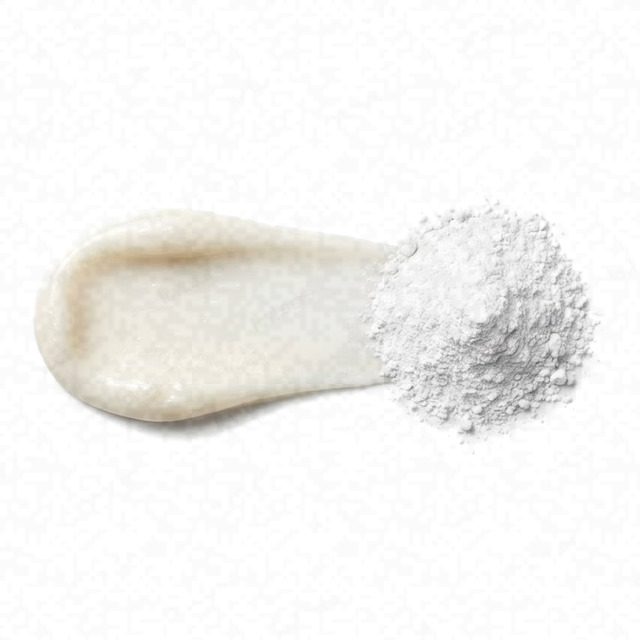 Titanium Dioxide
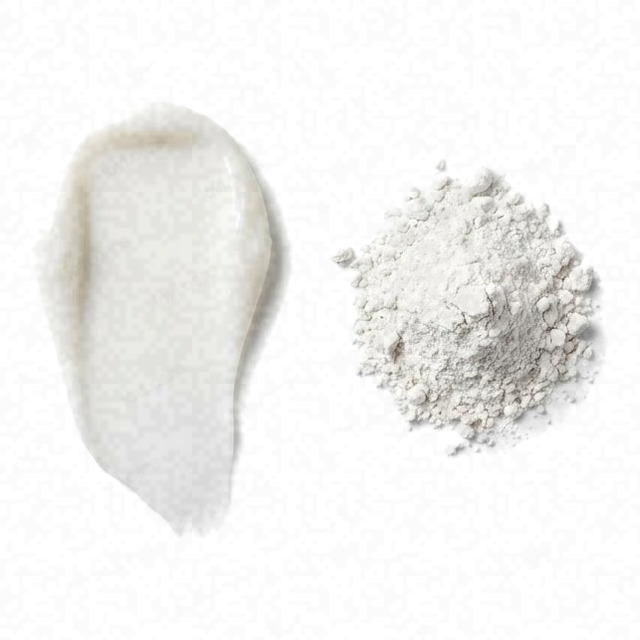 Zinc Oxide
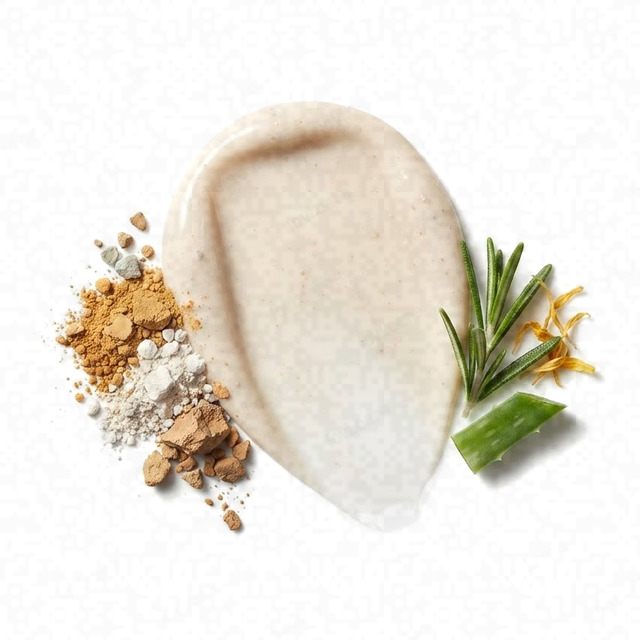 Naturally Sourced Sunscreen
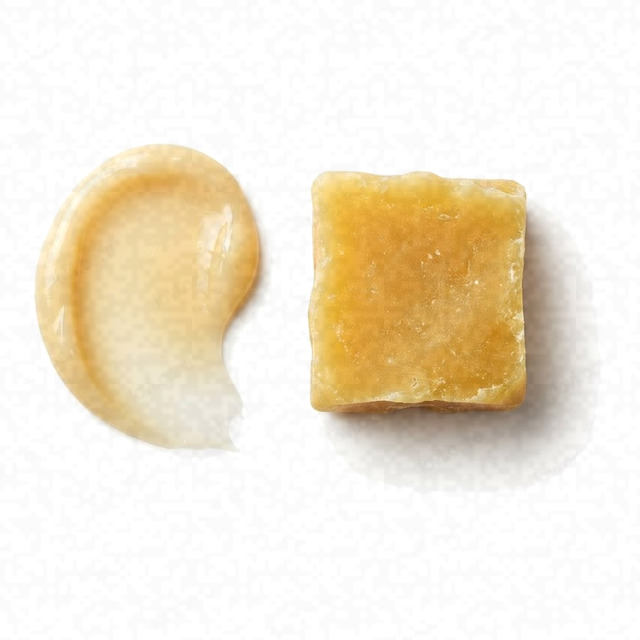 Beeswax
 Ascorbic Acid
Superior
- SuperiorNormal Skin Fit
- SuperiorEffectiveness
- ExcellentSafety
One of the best sunscreens for skin with dark spots.
This fit is calculated for the concerns frequently associated with dark spots: hyperpigmentation, sun spots, and uneven skin tone. For scores and recommendations based on your full skin profile, including your 12D face scan results and any goals or preferences you have, please use the Lovi app.
Page built Nov 8, 2026How the Fit score works
Lovi Assistant explains
- Excellent suitability for your normal skin and pigmentation concerns is provided by titanium dioxide and zinc oxide, which offer robust broad-spectrum UV protection to prevent darkening. Bisabolol and dipotassium glycyrrhizate further soothe your skin and support barrier repair, enhancing overall skin health.
- The formula is well-suited for normal skin due to the inclusion of bisabolol and dipotassium glycyrrhizate, which provide anti-inflammatory benefits and aid in skin barrier restoration.
- This product is safe for your skin as it contains no harsh ingredients and includes soothing components like bisabolol and dipotassium glycyrrhizate, minimizing any risk of irritation.
How to apply
- Apply your AM sunscreen as the final step of your morning skincare routine. Reapply every two hours when exposed to direct sunlight.
- Apply after your moisturizer and before applying any makeup. Make sure it is the very last step of your daytime skin care routine.
- Gently spread a generous amount evenly across your face and neck. Avoid rubbing too harshly to keep the protective layer even.
- Apply on completely dry skin after your moisturizer has fully absorbed. This ensures the protective barrier sits evenly on your face.
- Avoid direct contact with your eyes. Do a patch test before your first full application to ensure no irritation occurs.
People Say
★4.1Overall rating based on 1.5k+ reviewsHowever, a very large amount of data indicates that its physical filters often leave a noticeable white cast and a thick, heavy texture that can be difficult to blend, especially for those with darker skin tones.
Highlights
Gentle on sensitive skin Mostly Mentioned
- “Only sunscreen that doesn't sting my face”
- “Perfect for allergy-prone skin.”
Visible white cast Mostly Mentioned
- “Leaves a heavy white film”
- “Looked like a ghost”
- “Not usable for darker skin tones.”
Effective sun protection Often Mentioned
- “No burns on my trip”
- “Blocks the sun completely”
- “Reliable high SPF protection.”
Thick & heavy Often Mentioned
- “Hard to rub in”
- “Feels like a thick paste”
- “Suffocating feeling on skin.”
Fragrance-free formula Sometimes Noted
- “Love that it has no smell”
- “Great for fragrance allergies”
- “No masking scent.”
Mineral-based ingredients Sometimes Noted
- “Prefer mineral over chemical”
- “Safe ingredients”
- “Contains naturally sourced sunscreen filters.”
Greasy/shiny finish Sometimes Noted
- “Left my face shiny”
- “Feels greasy and sticky”
- “Never fully dries down.”
Stains clothing Rarely Noted
- “Ruined my black shirt”
- “Leaves white marks on car seats”
- “Stained my bathing suit.”
Sources: lovi.care, walmart.com, influenster.com, pickyskincare.com, glossypolish.com, youtube.com, and more
Questions and answers
What makes Neutrogena Sensitive Skin Sunscreen Lotion SPF 60+ one of the best fits for skin with dark spots?
This sunscreen is one of the best fits for your skin with dark spots because titanium dioxide and zinc oxide give it strong UV protection to help stop your spots from getting darker. It also features bisabolol and dipotassium glycyrrhizate, which help calm your skin and support a healthy skin barrier.
Which ingredients make this sunscreen a good fit for skin with dark spots?
Titanium dioxide and zinc oxide make this sunscreen a great fit by offering robust UV protection to prevent darkening. Ascorbic acid, bisabolol, and dipotassium glycyrrhizate also help brighten dark spots, calm the skin, and support a healthy barrier.
What does Titanium Dioxide do for skin with dark spots?
Titanium dioxide helps protect skin with dark spots from ultraviolet rays that can make pigmentation worse. When formulated with iron oxides, it can also block visible light to help improve hyperpigmentation.
What does Zinc Oxide do for skin with dark spots?
Zinc oxide helps improve dark spots, melasma, and age spots when used regularly in skin preparations. Clinical studies show that preparations containing zinc oxide can successfully reduce unwanted skin darkening and even out skin tone while remaining very gentle and non-irritating.
Where does this sunscreen go in a skincare routine for skin with dark spots?
This sunscreen goes as the last step of your morning skincare routine, right after your moisturizer. It provides robust broad-spectrum UV protection with titanium dioxide and zinc oxide to prevent dark spots from getting darker.
Can I use this sunscreen with retinol, and in what order?
You can use this sunscreen in the morning as the final step of your routine after applying your daytime moisturizers, and always use retinol at night instead. Using this mineral sunscreen during the day helps protect your skin from UV rays that can darken spots, while soothing ingredients like bisabolol may reduce potential irritation.
International Journal of Cosmetic Science, 2010Journal of Cosmetic Dermatology, 2026
How often should I use this sunscreen?
This sunscreen is a great fit for your skin with dark spots because its titanium dioxide and zinc oxide offer robust broad-spectrum protection that helps prevent darkening. You should use it every morning as the final step in your daytime routine.
Can this sunscreen clog pores, cause breakouts or purging for skin with dark spots?
This sunscreen is unlikely to clog pores or cause breakouts for skin with dark spots because it contains no harsh ingredients and includes soothing components that help minimize the risk of irritation. However, the thick and heavy formula may feel greasy for some skin types.
Is this sunscreen fragrance-free and alcohol-free?
It has no drying alcohol and contains fragrance (benzyl alcohol). Arachidyl alcohol and behenyl alcohol are fatty alcohols, which soften the skin.
What the research says
Application of an alpha-bisabolol-containing cream produced a significant skin-lightening effect in pigmented skin compared to a vehicle control in the majority of female subjects after 8 weeks.
International Journal of Cosmetic Science, 2010A topical formulation containing panthenol, niacinamide, and dipotassium glycyrrhizate increased skin hydration by 74.1% and reduced transepidermal water loss by 13.5% at 28 days compared to baseline and untreated control in 35 individuals with xerosis.
Journal of Cosmetic Dermatology, 2026Dipotassium glycyrrhizinate-loaded hydroxypropyl chitosan and poly(N-isopropylacrylamide) hydrogels applied to wounds in a mouse full-thickness skin defect model resulted in rapid wound closure, efficient tissue remolding, collagen deposition, and decreased inflammation compared to commercial Tegaderm film and 3M dressing controls.
Acta Biomaterialia, 2022Microfine titanium dioxide does not penetrate human skin when formulated in an oil-in-water emulsion with the pigment dispersed in the aqueous phase, compared to oily dispersions and liposomal encapsulation which allow deeper skin penetration.
International Journal of Cosmetic Science, 2000Replacing microsized titanium dioxide and zinc oxide with nanoparticles in sunscreens eliminates opaqueness and alters UV protection balance while inducing (photo)cyto- and genotoxicity and penetrating viable skin layers during long-term exposures.
Nanotechnology, Science and Applications, 2011Microfine zinc oxide and titanium dioxide do not penetrate the stratum corneum of porcine skin in vitro, indicating that their use in sunscreens does not pose a health risk from internal exposure.
Toxicology in Vitro, 2006Topical 0.5% hyaluronic-ZnO nanogel applied twice daily reduced inflammatory-lesion counts by 58% at week four in human subjects compared to baseline without causing erythema.
Biomedicines, 2025Nels cream achieved a similar reduction in inflammatory and noninflammatory lesion counts compared to 5% benzoyl peroxide in acne vulgaris patients, but caused significantly fewer side-effects such as peeling and dryness.
Clinical and Experimental Dermatology, 2000Topically applied coated and uncoated zinc oxide nanoparticles under flexing and massage are retained in the stratum corneum with no significant penetration into the viable epidermis and no cellular toxicity in human skin.
Nanomedicine, 2016Topical application of commercial zinc oxide nanoparticles to impaired barrier human skin resulted in a 60-65-fold increase in viable epidermis zinc after 24 hours and a greater than 100-fold increase after 48 hours for both Cct and sweat vehicles compared to the control, with zinc penetrating exclusively as solubilized species rather than nanoparticles.
ACS Applied Bio Materials, 2020Co-exposure to UVB and zinc oxide nanoparticles induces skin toxicity and pyroptosis via NLRP3 inflammasome activation, whereas topical pterostilbene attenuates this damage by decreasing reactive oxygen species and regulating the inflammasome-autophagy-exosome pathway.
Particle and Fibre Toxicology, 2022Topical application of a novel nanoparticulate zinc oxide sunscreen formulation resulted in less than 0.03% zinc penetration through the human epidermis over 24 hours, which was not significantly more than a placebo.
Skin Pharmacology and Physiology, 2007Topical application of a honey, olive oil, and beeswax mixture three times daily for up to 4 weeks resulted in clinical responses in 86% of patients with pityriasis versicolor, 78% with tinea cruris, and 75% with tinea corporis.
Complementary Therapies in Medicine, 2004A prototype body cream containing bee venom, propolis, honey, beeswax, and royal jelly demonstrated stability for 90 days, high antioxidant capacity of 85.45%, lack of cytotoxicity with over 70% cell viability, and no irritation or allergic reaction in dermatological analysis, while improving skin parameters in a panel test.
Journal of Cosmetic Dermatology, 2022MUD1 protected human dermal fibroblasts against AAPH-induced oxidative stress by increasing cell viability, reducing oxidative damage, improving mitochondrial functionality, and enhancing wound healing capacities.
International Journal of Molecular Sciences, 2018Topical application of 5% vitamin C cream significantly improved global clinical scores, increased skin microrelief density, and induced elastic tissue repair in photoaged skin compared to excipient control in healthy female volunteers.
Experimental Dermatology, 2003Ascorbic acid 2-glucoside gel significantly reduced gingival melanin pigmentation after 4 weeks compared to placebo in 73 subjects with symmetric pigmentation.
Journal of Periodontology, 2009Topical application of VC-IP cream twice daily for 8 weeks reduces periorbital wrinkles in female subjects compared to a placebo cream.
Journal of Cosmetic Dermatology, 2022
Ingredients
Titanium Dioxide, Zinc Oxide, Water, Butyloctyl Salicylate, Beeswax, Styrene Acrylates Copolymer, Silica, Butylene Glycol, Peg-8, Glyceryl Stearate, Peg-100 Stearate, Cetyl Dimethicone, Benzyl Alcohol, Dimethicone, Methicone, Arachidyl Alcohol, Polyhydroxystearic Acid, Hydroxyethyl Acrylate Sodium Acryloyldimethyl Taurate Copolymer, Peg-8 Laurate, Xanthan Gum, Isohexadecane, Behenyl Alcohol, Trisiloxane, Ethylhexylglycerin, Disodium Edta, Trimethylsiloxysilicate, Arachidyl Glucoside, Bisabolol, Dipotassium Glycyrrhizate, Triethoxycaprylylsilane, Bht, Polysorbate 60, Stearic Acid, Methylisothiazolinone, Polyaminopropyl Biguanide, Polymethyl Methacrylate, Tocopheryl Acetate, Ascorbic Acid, Pantothenic Acid, Retinyl Palmitate, Alumina
Behind this fit score
Lovi calculates every fit score from the full ingredient list with brand-independent rules our dermatologists and cosmetic chemists build and review, and personalizes every pick with AI trained on the real results of millions of users. Lovi trains its fit score models on a proprietary dataset built from more than 10,000 expert-labeled products and more than 100,000 simulated examples, following an internally consistent methodology presented at Cosmoprof, AMWC, and Skin of Color Update.
-

Co-founder, Medical Director
Cosmetic chemist, cosmetologist, aesthetic products developer
-

Co-founder, CEO and CTO
PhD in computer science, 3x US patent holder, ex-Google, ex-Yandex
-

Dr. Sofía Perea Pérez, MD, MSc
Medical Board
Aesthetic medicine practitioner, MSc in Longevity and Anti-Aging Medicine
-

Medical Board
Specialist dermatologist, MBBS, MD, IFAAD
-

Medical Board
Cosmetic chemist, SCS, IFSCC member
-

Medical Board, Medical Advisor
Dermatology MD
-

Elina Nazarenko, MD
Medical Board
Dermatology and diagnostic consultant
-

Victoria Derkova, MS
Medical Board
Cosmetic chemist, cosmetic development technologist


How does it fit your skin?
Scan your face, then any product: Lovi shows how well it fits you and what fits even better.