Medicube Deep Peptide Radiance Mask for oily acne-prone skin

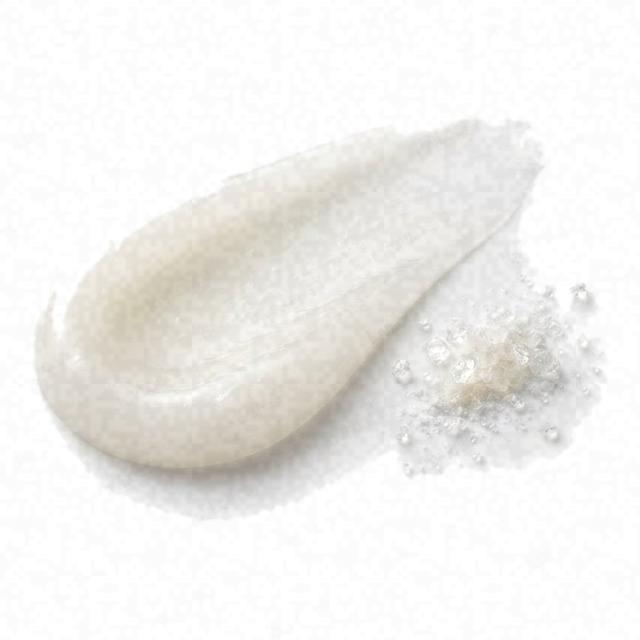 Peptide Complex
 Niacinamide
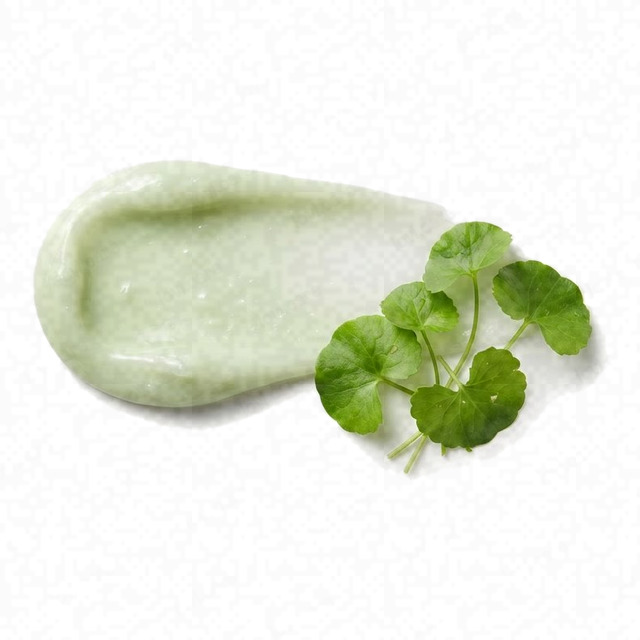 Centella Asiatica Leaf Extract
 Hydrolyzed Hyaluronic Acid
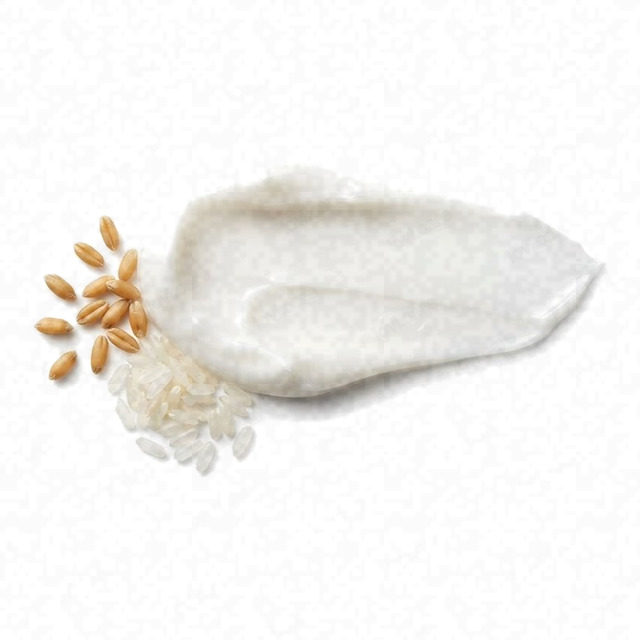 Ceramide Np
Superior
- HighOily Skin Fit
- HighEffectiveness
- HighSafety
One of the best nourishing masks for oily acne-prone skin.
This fit is calculated for the concerns frequently associated with oily acne-prone skin: shine, breakouts, blemishes, and enlarged pores. For scores and recommendations based on your full skin profile, including your 12D face scan results and any goals or preferences you have, please use the Lovi app.
Page built Nov 8, 2026How the Fit score works
Lovi Assistant explains
- Excellent for your oily skin, this mask features niacinamide and Centella Asiatica Leaf Extract to help regulate oil production and reduce inflammation, addressing your concerns with acne and breakouts.
- The high concentration of peptides like Acetyl Hexapeptide-1 and Palmitoyl Tripeptide-5 further enhances skin elasticity and provides plumping benefits, complementing the barrier-supporting ingredients.
- The formula is safe for your skin, with no harsh ingredients and the inclusion of soothing agents like Panthenol and Allantoin.
How to apply
- Use your sheet mask PM routine about 1-3 times a week to help with breakouts. Start slowly to see how your oily skin feels before using it more often.
- Put on your sheet mask after cleansing and toning, but before applying your final moisturizer. This helps your skin absorb all the good ingredients easily.
- Unfold the sheet mask and smooth it gently over your face without rubbing. Leave it on for ten to fifteen minutes ⏱ and gently pat any leftover essence into your skin.
- Apply the sheet mask directly onto clean and dry skin for the best results against blemishes. There is no need to wash your face again after removing the mask.
- Avoid getting the product into your eyes and always do a quick patch test before your very first use.
People Say
★4.8Overall rating based on 100+ reviewsBased on limited data, users love this mask for its intense hydration and ability to provide an instant glow, making it ideal for dry, dull, or sensitive skin. The peptide-rich essence is praised for plumping fine lines and soothing irritation without a sticky feel. Some users find the price high for frequent use and note the sheet size can be slightly small.
Highlights
Intense hydration Mostly Mentioned
- “moisture lasts for a long time”
- “skin feels refreshed and hydrated”
- “deeply nourishing without being sticky”
Instant radiance Often Mentioned
- “huge difference in after glow”
- “skin looks brighter”
- “pigmentation visibly faded”
Non-sticky finish Sometimes Noted
- “not overly sticky like collagen masks”
- “no heavy slippery feeling”
- “absorbs evenly and effectively”
Soothing and plumping Sometimes Noted
- “makes little bumps disappear”
- “skin feels firm”
- “doesn't irritate sensitive skin”
High price point Sometimes Noted
- “price isn't budget-friendly”
- “hard to use freely”
- “worth stocking up only on sale”
Handling difficulty Rarely Noted
- “tricky to unfold initially”
- “room for improvement in folding method”
Sheet fit issues Rarely Noted
- “size is a bit small”
- “wish it covered the neck”
- “openings for eyes/mouth could be better”
Sources: lovi.care, iherb.com, stylekorean.com, olivekollection.com, hwahae.co.kr, and more
Questions and answers
What makes medicube Deep Peptide Radiance Mask one of the best fits for oily acne-prone skin?
This mask is one of the best fits because it features niacinamide and Centella Asiatica Leaf Extract to help calm breakouts and keep oil in check, while soothing ingredients like panthenol maintain a safe, gentle touch. Its peptide complex further helps firm and smooth the skin without clogging pores.
Which ingredients make this mask a good fit for oily acne-prone skin?
This mask is a great fit for your oily acne-prone skin because niacinamide and Centella Asiatica Leaf Extract help control extra oil and calm breakouts. It also features soothing panthenol and allantoin to keep your skin safe and comfortable without clogging pores.
What does Peptide Complex do for oily acne-prone skin?
Peptide Complex helps oily acne-prone skin by improving skin barrier function and reducing acne symptoms and breakouts. It may also help decrease closed bumps and surface oils.
What does Niacinamide do for oily acne-prone skin?
Niacinamide helps balance oil production, calms redness, and is unlikely to irritate oily, acne-prone skin while improving blemishes. Clinical tests show it reduces excess oil and helps clear up both inflammatory and non-inflammatory acne breakouts.
Journal of Cosmetic and Laser Therapy, 2006Journal of Cosmetic Dermatology, 2024
Where does this mask go in a skincare routine for oily acne-prone skin?
This mask fits best in your weekly routine after cleansing and before toning. It helps balance oil production and soothe breakouts safely while enhancing firmness.
Can I use this mask with retinol, and in what order?
You can use this mask with retinol, applying the mask after your retinol treatment to help soothe your skin and keep it calm. This formula is safe and unlikely to cause irritation because it includes soothing ingredients like panthenol and allantoin that support your skin barrier.
How often should I use this mask?
This nourishing mask is an excellent fit for your oily acne-prone skin, featuring niacinamide and Centella Asiatica Leaf Extract to help control oil and soothe breakouts. It has a safe and gentle formula, making it comfortable for regular use as part of your routine.
Can this mask clog pores, cause breakouts or purging for oily acne-prone skin?
This mask is unlikely to clog pores or cause breakouts for oily acne-prone skin because it features niacinamide and Centella Asiatica Leaf Extract to help calm redness and manage oil production. Soothing ingredients like panthenol and allantoin further support a safe, comfortable experience without harsh elements.
Is this mask fragrance-free and alcohol-free?
Yes, it has no fragrance and no drying alcohol. Behenyl alcohol is a fatty alcohol, which soften the skin.
What the research says
Co-delivery of paeonol and madecassoside via nanoemulsions improved transdermal delivery, promoted barrier repair proteins, inhibited inflammatory cytokine secretion in cellular and 3D models, and reduced transepidermal water loss and acne in human facial skin compared to free components.
Molecules, 2023Supramolecular collagen nanoparticles composed of lactoferrin, recombinant human collagen, and palmitoyl tripeptide-5 improved transdermal efficiency by 69.90% and demonstrated moisturizing, whitening, wrinkle reduction, and firming effects.
Colloids and Surfaces. B, Biointerfaces, 2025A panthenol-enriched mask significantly decreased erythema and hyperpigmentation, increased sebum and stratum corneum moisture, and reduced transepidermal water loss compared to a saline dressing in 60 subjects undergoing facial laser treatment.
Journal of Cosmetic Dermatology, 2025Topical dexpanthenol acts as a moisturizer, improves stratum corneum hydration, accelerates wound healing and epidermal regeneration, reduces erythema, and improves symptoms of skin irritation compared to vehicle or no pretreatment.
American Journal of Clinical Dermatology, 2002Topical post-laser application of human adipocyte-derived mesenchymal stem cell media combined with niacinamide significantly improved wrinkle index, melanin index, patient satisfaction, and investigator esthetic improvement scores compared to vehicle cream in patients with aging skin.
Journal of Cosmetic Dermatology, 2021Topical nicotinamide prevented solar-simulated UV-induced immunosuppression in healthy volunteers, and men experienced immunosuppression at solar-simulated UV doses three times lower than those required for women.
The Journal of Investigative Dermatology, 2008Topical 5% niacinamide applied twice daily for 12 weeks reduced fine lines and wrinkles, hyperpigmented spots, red blotchiness, and skin sallowness, and improved skin elasticity compared to vehicle control in 50 female white subjects with facial photoaging.
Dermatologic Surgery, 2005Topical application of 0.05% w/w ECa 233 gel reduced erythema index by 0.03 U and improved early crusting and general wound appearance compared to placebo in thirty individuals undergoing facial laser resurfacing.
Journal of Alternative and Complementary Medicine, 2020A single application of a moisturizing fluid containing hyaluronic acid 1%, glycerin 5%, and Centella asiatica stem cells extract significantly increased skin hydration by 29% and reduced transepidermal water loss at 24 hours compared to baseline and an untreated control site in twenty healthy women.
Clinical, Cosmetic and Investigational Dermatology, 2017Moisturizer containing 5% panthenol, madecassoside, and copper-zinc-manganese decreased adverse reactions and downtime after ablative fractional carbon dioxide laser resurfacing with comparable efficacy to 0.02% triamcinolone acetonide cream in 20 subjects.
Journal of Cosmetic Dermatology, 2019Topical application of 0.1% hyaluronic acid formulations of different molecular weights led to significant improvements in skin hydration and elasticity, with low-molecular-weight formulations also significantly reducing wrinkle depth in seventy-six female subjects compared to a vehicle control.
Journal of Drugs in Dermatology, 2011Topical application of hyaluronic acid in conjunction with free gingival graft significantly reduced donor site postoperative pain until day 7 compared to normal saline, with no significant differences in graft dimensions or patient satisfaction.
Clinical Oral Investigations, 2022Treatment with a hyaluronic acid-containing mouth rinse or topical gel led to significant lesion reduction, pain relief, and normalization of lesion color in adult patients with minor recurrent aphthous stomatitis, with the gel formulation showing an earlier healing onset at 3 days.
BMC Oral Health, 2019
Ingredients
Water, Dipropylene Glycol, Glycerin, Butylene Glycol, Niacinamide, 1,2-Hexanediol, Cetyl Ethylhexanoate, Panthenol, Allantoin, Xylitol, Centella Asiatica Leaf Extract, Lactobacillus Lysate Ferment, Lactococcus Lysate Ferment, Bifida Lysate Ferment, Caprylyl Glycol, Sorbitan Laurate, Hydrogenated Lecithin, Hydrolyzed Hyaluronic Acid, Tocopherol, Asiaticoside, Madecassic Acid, Asiatic Acid, Acetyl Dipeptide-1, Cetyl Ester, Acetyl Hexapeptide-1, Palmitoyl Tripeptide-5, Beta-Glucan, Ceramide Np, Acetyl Octapeptide-3, Hydrogenated Oil, Behenyl Alcohol, Polyglyceryl-3 Methylglucose Distearate, Arginine, Carbomer, Adenosine, Hydroxyethylcellulose, Ethylhexylglycerin, Disodium Edta
Behind this fit score
Lovi calculates every fit score from the full ingredient list with brand-independent rules our dermatologists and cosmetic chemists build and review, and personalizes every pick with AI trained on the real results of millions of users. Lovi trains its fit score models on a proprietary dataset built from more than 10,000 expert-labeled products and more than 100,000 simulated examples, following an internally consistent methodology presented at Cosmoprof, AMWC, and Skin of Color Update.
-

Co-founder, Medical Director
Cosmetic chemist, cosmetologist, aesthetic products developer
-

Co-founder, CEO and CTO
PhD in computer science, 3x US patent holder, ex-Google, ex-Yandex
-

Dr. Sofía Perea Pérez, MD, MSc
Medical Board
Aesthetic medicine practitioner, MSc in Longevity and Anti-Aging Medicine
-

Medical Board
Specialist dermatologist, MBBS, MD, IFAAD
-

Medical Board
Cosmetic chemist, SCS, IFSCC member
-

Medical Board, Medical Advisor
Dermatology MD
-

Elina Nazarenko, MD
Medical Board
Dermatology and diagnostic consultant
-

Victoria Derkova, MS
Medical Board
Cosmetic chemist, cosmetic development technologist


How does it fit your skin?
Scan your face, then any product: Lovi shows how well it fits you and what fits even better.