Galderma Epiduo Gel for skin with dark spots

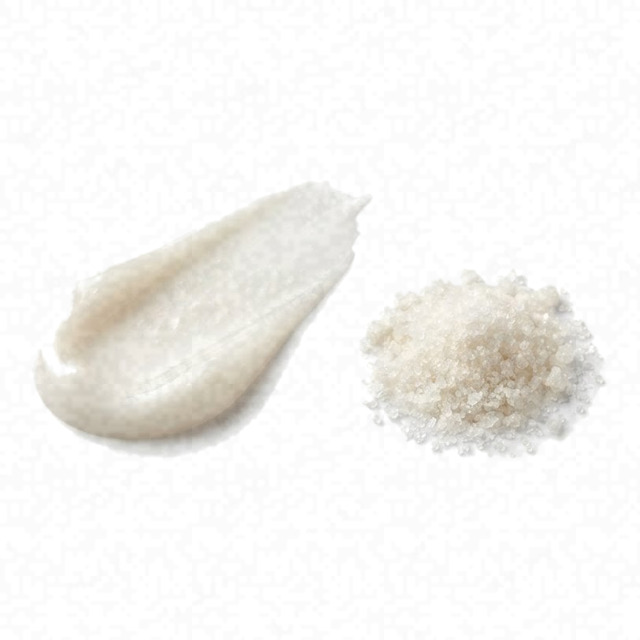 Adapalene
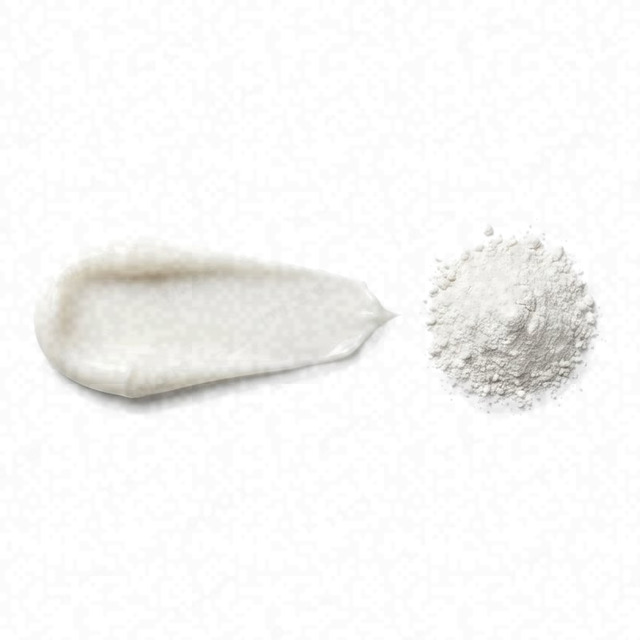 Benzoyl Peroxide
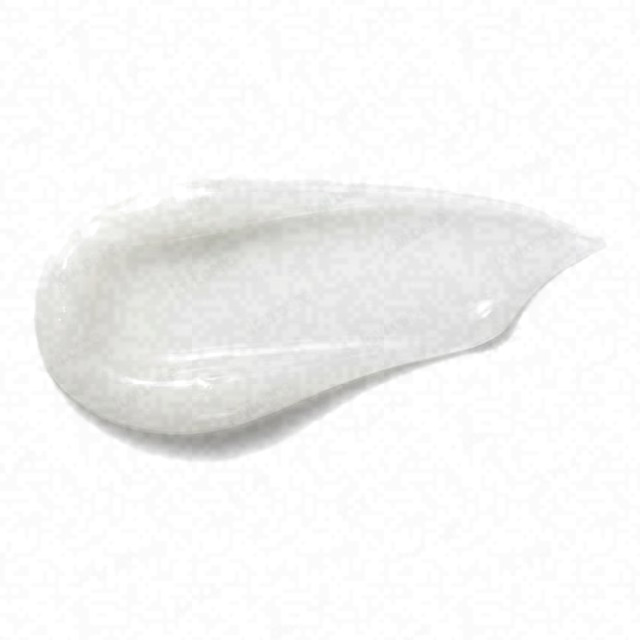 Docusate Sodium
 Glycerin
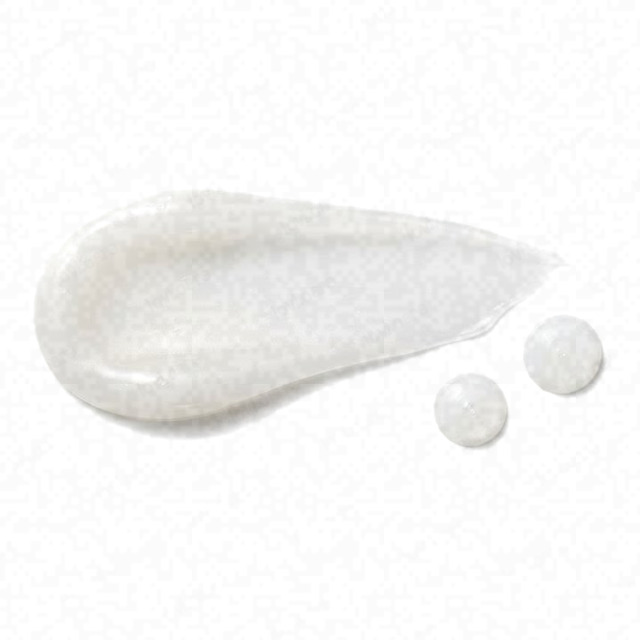 Simulgel 600 Pha
Low
- LowNormal Skin Fit
- HighEffectiveness
- ConcerningSafety
A weak match for skin with dark spots; the serums alongside fit it better.
This fit is calculated for the concerns frequently associated with dark spots: hyperpigmentation, sun spots, and uneven skin tone. For scores and recommendations based on your full skin profile, including your 12D face scan results and any goals or preferences you have, please use the Lovi app.
Page built Nov 8, 2026How the Fit score works
Lovi Assistant explains
- Offers moderate benefits for pigmentation due to adapalene and benzoyl peroxide, which target acne and post-inflammatory hyperpigmentation, but may pose risks of irritation and dryness for your normal skin.
- The presence of adapalene and benzoyl peroxide, while beneficial for acne, has strong keratolytic and antimicrobial actions that could lead to irritation and dryness in non-acne-prone skin.
How to apply
- Apply this serum as part of your PM routine starting 3x/week and build up to daily use if your skin likes it.
- Place the serum after cleansing and toning, but before your moisturizer.
- Gently press 2-3 drops of the serum into your skin and wait a minute for it to absorb.
- Apply the serum on dry skin to help fade pigmentation effectively.
- Avoid the eye area and always use SPF 30+ during the day.
People Say
★3.7Overall rating based on 1000+ reviewsUsers find this gel effective for stubborn acne, including cystic and hormonal types, with many experiencing significant skin clearing after an initial adjustment. However, the treatment is frequently associated with harsh side effects such as intense burning, dryness, and an initial worsening of acne, necessitating patience and a diligent moisturizing routine.
Highlights
Intense burning Mostly Mentioned
- “face on fire”
- “burns like crazy”
- “stings upon application”
Severe dryness Mostly Mentioned
- “skin flaking off”
- “lizard skin”
- “extremely dry patches”
Clears cystic acne Often Mentioned
- “cystic acne gone”
- “cleared hormonal breakouts”
- “stopped deep cysts”
Prevents breakouts Often Mentioned
- “stops new pimples”
- “keeps face clear”
- “preventative maintenance”
Initial acne purge Often Mentioned
- “got worse first”
- “broke out badly”
- “horrible purge phase”
Redness and irritation Often Mentioned
- “red as tomato”
- “face looks sunburned”
- “raw and irritated”
Fades scars Sometimes Noted
- “scars are fading”
- “hyperpigmentation reduced”
- “marks less visible”
Smooths skin texture Sometimes Noted
- “skin feels smooth”
- “bumps are gone”
- “texture is amazing”
Bleaches fabrics Sometimes Noted
- “bleached my towels”
- “ruined my pillowcases”
- “stained my clothes”
Sources: lovi.care, drugs.com, webmd.com, doctorfox.co.uk, and more
Questions and answers
Why is Epiduo Gel a weak match for skin with dark spots?
Epiduo Gel is a weak match because its active ingredients target acne and can cause irritation and dryness on your normal skin. A product for this skin needs potent antioxidants, soothing ingredients, hydrating components, and skin-repairing ingredients like niacinamide and propolis to safely address pigmentation without any risk of irritation.
Which ingredients make this gel a poor fit for skin with dark spots?
Adapalene and benzoyl peroxide make this gel a weak match for your skin because they may cause irritation and dryness. A treatment of this type needs effective antioxidants, soothing ingredients, and hydrating components that brighten dark spots without any risk of irritation for normal skin.
The Cochrane Database of Systematic Reviews, 2020American Journal of Clinical Dermatology, 2022
What does Adapalene do for skin with dark spots?
Adapalene helps fade dark spots and uneven pigmentation by encouraging skin renewal. Studies show that using it regularly can significantly decrease hyperpigmented marks and improve overall skin tone, though it may occasionally cause mild dryness or peeling.
Journal of the European Academy of Dermatology and Venereology, 2001Dermatologic Therapy, 2006
What does Benzoyl Peroxide do for skin with dark spots?
Benzoyl peroxide helps clear breakouts, but for skin with dark spots, this type of product needs added brightening ingredients like niacinamide to effectively fade discoloration.
Where does this gel go in a skincare routine for skin with dark spots?
This treatment goes in the evening routine before your moisturizer, for simplicity and extra safety around sun exposure. Because this product is a weak match that may cause dryness and irritation on your normal skin, a product of this type needs soothing ingredients like glycerin and gentle hydrators to keep your skin calm and soft.
Can I use this gel with retinol, and in what order?
Combining this treatment with retinol is a weak match for your skin because using these strong ingredients together often leads to excessive dryness and irritation. A product of this type works best for dark spots when paired with gentle hydrating ingredients and daily sun protection instead of another strong renewing ingredient.
How often should I use this gel?
This gel is used in the evening as part of your routine. Because it may cause irritation and dryness on your skin, a product of this type needs gentle soothing ingredients and extra moisture to keep your skin calm and smooth.
The Cochrane Database of Systematic Reviews, 2020American Journal of Clinical Dermatology, 2022
Can this gel clog pores, cause breakouts or purging for skin with dark spots?
This gel is unlikely to clog pores, but it may cause breakouts or purging when you start using it. Ingredients like adapalene and benzoyl peroxide help clear blemishes, yet they can also trigger dryness and irritation on normal skin.
The Cochrane Database of Systematic Reviews, 2020American Journal of Clinical Dermatology, 2022
Is this gel fragrance-free and alcohol-free?
Yes, it has no fragrance and no drying alcohol.
What the research says
Topical benzoyl peroxide may improve acne more effectively than placebo or no treatment, while showing little to no difference compared with adapalene or clindamycin, but with an increased risk of treatment discontinuation due to adverse effects compared to placebo.
The Cochrane Database of Systematic Reviews, 2020Once-daily fixed-dose clindamycin phosphate 1.2%/benzoyl peroxide 3.1%/adapalene 0.15% gel achieved superior treatment success (52.5%) and greater reductions in inflammatory and noninflammatory lesions compared to vehicle (8.1%) and dyad component gels in participants with moderate-to-severe acne over 12 weeks.
American Journal of Clinical Dermatology, 2022Topical clindamycin phosphate 1.2%/adapalene 0.15%/benzoyl peroxide 3.1% gel achieved significantly greater treatment success and lesion reductions compared to vehicle in participants with moderate-to-severe acne.
Journal of the American Academy of Dermatology, 2023Preoperative treatment with benzoyl peroxide significantly decreases the bacterial skin load of Cutibacterium acnes in patients undergoing elective shoulder surgery from skin incision until wound closure compared to preparation with soap.
Journal of Shoulder and Elbow Surgery, 2021Daily application of adapalene 0.3%/benzoyl peroxide 2.5% gel reduced and prevented atrophic acne scar formation, achieving a total scar count change of -15.5% versus +14.4% for vehicle over 24 weeks in 67 subjects with moderate or severe facial acne.
American Journal of Clinical Dermatology, 2018Tea tree oil nanoemulsion containing adapalene gel demonstrated significantly greater reductions in total, inflammatory, and non-inflammatory acne lesions as well as acne severity index compared to adapalene marketed gel in 100 patients with acne vulgaris over 12 weeks.
Archives of Dermatological Research, 2022Treatment with adapalene 0.3%/benzoyl peroxide 2.5% gel for 48 weeks reduced atrophic acne scar counts by 26.9% in subjects with moderate or severe facial acne, while delayed treatment starting at week 24 resulted in a smaller final reduction.
American Journal of Clinical Dermatology, 2019Adapalene 0.3 %/benzoyl peroxide 2.5 % gel applied once daily for 12 weeks achieved a superior success rate of 33.7% compared to 11.0% for vehicle in subjects with moderate and severe inflammatory acne.
American Journal of Clinical Dermatology, 2016Twice daily application of a multitargeted dermocosmetic cream provided comparable efficacy to benzoyl peroxide 5% gel in reducing inflammatory, non-inflammatory, and total lesions in 150 Caucasian subjects with mild-to-moderate acne over 56 days, while demonstrating superior skin tolerability.
Journal of Cosmetic Dermatology, 2024Clindamycin-BPO 2.5% aqueous gel applied once daily provided statistically significant greater efficacy than individual active ingredients and vehicle in reducing inflammatory and noninflammatory lesions and acne severity in 2813 patients with moderate to severe acne vulgaris.
Journal of the American Academy of Dermatology, 2008A single application of a moisturizing fluid containing hyaluronic acid 1%, glycerin 5%, and Centella asiatica stem cells extract significantly increased skin hydration by 29% and reduced transepidermal water loss at 24 hours compared to baseline and an untreated control site in twenty healthy women.
Clinical, Cosmetic and Investigational Dermatology, 2017The emollient V0034CR significantly reduced TEWL compared to vehicle and vehicle plus glycerol, and significantly increased corneometry scores compared to vehicle and vehicle plus petrolatum in healthy volunteers with dry skin, demonstrating combined barrier function improvement from petrolatum and hydration improvement from glycerol.
Journal of Cosmetic Dermatology, 2020Ten days of treatment with a cream containing 20% glycerin significantly increased skin hydration measured by corneometer values in 17 healthy volunteers compared to a placebo cream, but showed no influence on transepidermal water loss or skin sensitivity to an irritating surfactant.
International Journal of Cosmetic Science, 2001
Ingredients
Adapalene, Benzoyl Peroxide, Docusate Sodium, Disodium Edetate, Glycerin, Poloxamer, Propylene Glycol, Water
Behind this fit score
Lovi calculates every fit score from the full ingredient list with brand-independent rules our dermatologists and cosmetic chemists build and review, and personalizes every pick with AI trained on the real results of millions of users. Lovi trains its fit score models on a proprietary dataset built from more than 10,000 expert-labeled products and more than 100,000 simulated examples, following an internally consistent methodology presented at Cosmoprof, AMWC, and Skin of Color Update.
-

Co-founder, Medical Director
Cosmetic chemist, cosmetologist, aesthetic products developer
-

Co-founder, CEO and CTO
PhD in computer science, 3x US patent holder, ex-Google, ex-Yandex
-

Dr. Sofía Perea Pérez, MD, MSc
Medical Board
Aesthetic medicine practitioner, MSc in Longevity and Anti-Aging Medicine
-

Medical Board
Specialist dermatologist, MBBS, MD, IFAAD
-

Medical Board
Cosmetic chemist, SCS, IFSCC member
-

Medical Board, Medical Advisor
Dermatology MD
-

Elina Nazarenko, MD
Medical Board
Dermatology and diagnostic consultant
-

Victoria Derkova, MS
Medical Board
Cosmetic chemist, cosmetic development technologist


How does it fit your skin?
Scan your face, then any product: Lovi shows how well it fits you and what fits even better.