COSRX AC Collection Lightweight Soothing Moisturizer for oily acne-prone skin

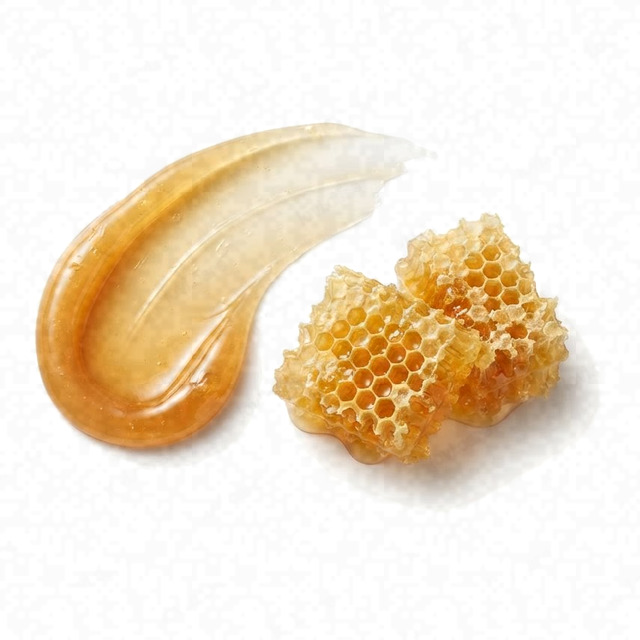 Propolis Extract
 Niacinamide
 Aloe Barbadensis Leaf Water
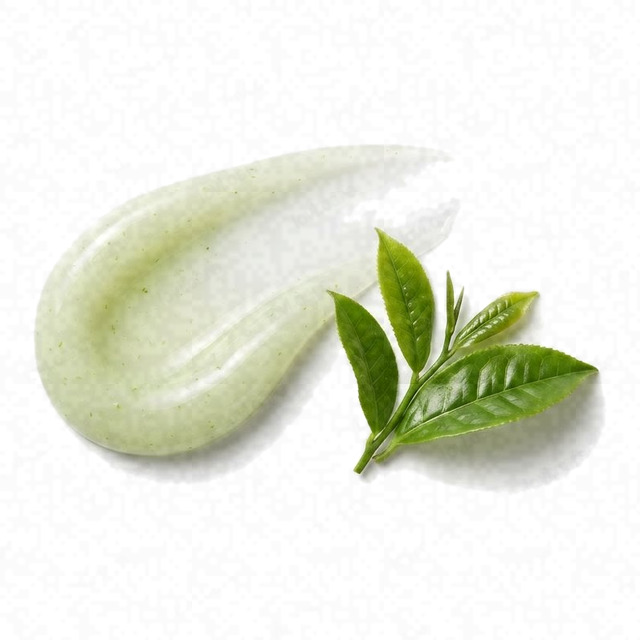 Camellia Sinensis Leaf Water
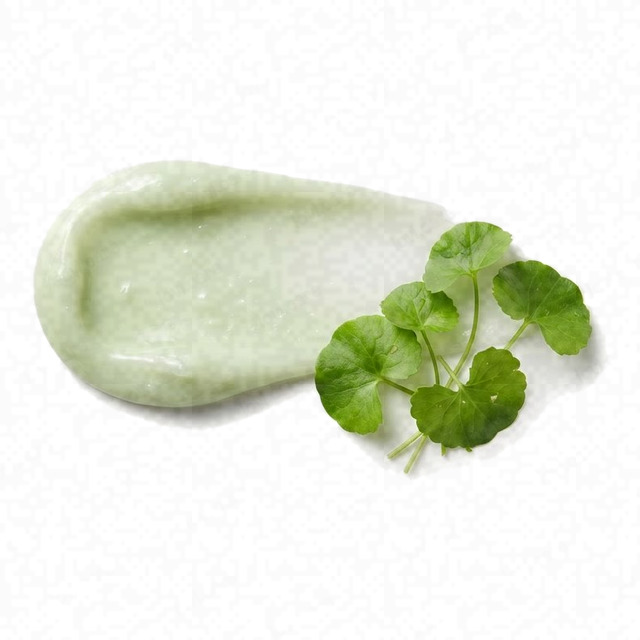 Madecassic Acid
High
- HighOily Skin Fit
- HighEffectiveness
- ExcellentSafety
A great choice for oily acne-prone skin; a few moisturizers fit it even better.
This fit is calculated for the concerns frequently associated with oily acne-prone skin: shine, breakouts, blemishes, and enlarged pores. For scores and recommendations based on your full skin profile, including your 12D face scan results and any goals or preferences you have, please use the Lovi app.
Page built Nov 8, 2026How the Fit score works
Lovi Assistant explains
- Offers excellent hydration and barrier support for your oily skin, as Propolis Extract and Sodium Hyaluronate work synergistically to moisturize and strengthen the skin's natural defenses.
- The formula also targets your acne and breakouts effectively with Zinc PCA and Betaine Salicylate, which help regulate sebum production and gently exfoliate pore-clogging debris.
- This product is safe for your skin, with no reported irritation risks due to its gentle formulation and the inclusion of soothing agents like Aloe Barbadensis Leaf Water.
How to apply
- Use this AM and PM routine every day to help clear your skin. Always remember to finish with SPF in the morning.
- Apply the moisturizer after your cleanser and toner, right before your SPF during the day.
- Gently press a small amount into your skin and avoid rubbing to keep pores clear.
- Apply on clean, slightly damp skin to help the product absorb better and control oil.
- Avoid the sensitive eye area and do a simple patch test before your first use.
People Say
★4.5Overall rating based on 700+ reviewsThis moisturizer is well-suited for oily, combination, and acne-prone skin, with a refreshing gel texture that effectively soothes redness and cools irritation without clogging pores. However, users with dry skin or those in colder climates often find it lacks sufficient hydration, necessitating layering or a richer cream.
Highlights
Lightweight & Non-greasy Mostly Mentioned
- “absorbs nicely into the skin”
- “doesn't feel sticky”
- “light gel-like consistency”
- “melts into skin effortlessly”
Acne-Safe Often Mentioned
- “never get a breakout”
- “doesn't clog pores”
- “good for acne prone”
- “helps clear up my face”
Soothing & Calming Often Mentioned
- “calms redness”
- “soothing for sensitive skin”
- “helps my acne”
- “calms down the redness on problem areas”
Insufficient hydration Often Mentioned
- “not moisturizing enough”
- “skin became really dry”
- “too light for winter”
- “not for dry skin”
Cooling Sensation Sometimes Noted
- “cooling effect”
- “feels fresh and clean”
- “cools down acne prone skin”
- “refreshing finish”
Medicinal scent Sometimes Noted
- “strong tea tree smell”
- “smells like mint”
- “medicinal smell”
- “scent is pleasant but strong”
Sticky residue Rarely Noted
- “sticky if overapplied”
- “skin becomes sticky”
- “greasy when first applied”
Sources: lovi.care, iherb.com, stylekorean.com, gopicky.com, reddit.com, beautybay.com, and more
Questions and answers
What makes COSRX Lightweight Soothing Moisturizer a great fit for oily acne-prone skin?
This moisturizer is a great fit because it provides light hydration and strengthens your skin barrier with propolis extract and sodium hyaluronate. It also helps manage breakouts and excess oil using zinc PCA and betaine salicylate while keeping your skin calm with soothing aloe vera water.
Clinical Pharmacology, 2018The Journal of Clinical and Aesthetic Dermatology, 2020
Which ingredients make this cream a good fit for oily acne-prone skin?
Propolis Extract and Sodium Hyaluronate make this cream a great fit by providing light moisture while strengthening your skin's natural defenses. Additionally, Zinc PCA and Betaine Salicylate help regulate oil and gently clear away pore-clogging debris to keep breakouts under control.
What does Propolis Extract do for oily acne-prone skin?
Propolis extract helps calm breakouts and redness on oily, acne-prone skin while fighting the bacteria that cause pimples. It works to reduce redness scars and clear up lesions, making it a helpful addition to your routine for clearer skin.
What does Niacinamide do for oily acne-prone skin?
Niacinamide helps balance oil production, calms redness, and is unlikely to irritate oily, acne-prone skin while improving blemishes. Clinical tests show it reduces excess oil and helps clear up both inflammatory and non-inflammatory acne breakouts.
Journal of Cosmetic and Laser Therapy, 2006Journal of Cosmetic Dermatology, 2024
Where does this cream go in a skincare routine for oily acne-prone skin?
This cream goes in your morning and evening routines as the moisturizer step, right after your toner and before your sunscreen in the day. It helps hydrate your oily skin and keep breakouts under control without clogging pores or causing irritation.
International Journal of Cosmetic Science, 2020Clinical Pharmacology, 2018
Can I use this cream with retinol, and in what order?
You can use this cream with retinol by applying the moisturizer first to help your skin stay comfortable and reduce the irritation risks often linked to retinol. Using a gentle barrier-strengthening moisturizer alongside acne treatments or retinoids is well supported to improve your skin tolerability and keep breakouts under control.
How often should I use this cream?
This lightweight moisturizing treatment is a great fit for your oily acne-prone skin and can be used daily in both your morning and evening routines. Ingredients like propolis extract and sodium hyaluronate provide great hydration while zinc PCA and betaine salicylate help regulate oil and keep pores clear without causing irritation.
Health Science Reports, 2021The Journal of Clinical and Aesthetic Dermatology, 2020
Can this cream clog pores, cause breakouts or purging for oily acne-prone skin?
This cream is unlikely to clog pores or cause breakouts for your oily skin, as it contains Zinc PCA and Betaine Salicylate to help clear pore-clogging debris and regulate oil production. It also features soothing ingredients like Aloe Barbadensis Leaf Water and Propolis Extract to help keep irritation risks very low.
Can I use this cream around the eyes or on my body?
This lightweight moisturizing treatment is generally safe to use on the body, but it is formulated primarily for facial skin rather than the very thin skin around the eyes. The gentle ingredients and soothing plant waters help keep skin calm, though stronger blemish-fighting ingredients are best kept away from the sensitive eye area.
Is this cream fragrance-free and alcohol-free?
Yes, it has no fragrance and no drying alcohol. Cetearyl alcohol is a fatty alcohol, which soften the skin.
What the research says
A cream combining propolis, tea tree oil, and Aloe vera reduced erythema scars, acne severity index, and total lesion count better than erythromycin cream in sixty patients with mild to moderate acne vulgaris compared to placebo.
Clinical Pharmacology, 2018Propolis demonstrates potential as an alternative healing treatment for skin wounds due to its antimicrobial, anti-inflammatory, analgesic, and angiogenesis-promoting properties, though clinical studies remain scarce compared to in vitro and in vivo data.
Pharmaceuticals, 2022Topical nicotinamide plus an antibacterial adhesive agent and zinc-pyrrolidone carboxylic acid combined with adapalene significantly reduced noninflammatory acne lesions by the second week of therapy compared to placebo with adapalene in patients with moderate acne vulgaris.
The Journal of Clinical and Aesthetic Dermatology, 2020Topical propolis application significantly reduced postoperative pain, hemorrhage, and accelerated wound healing in patients undergoing tonsillectomy compared to a control group.
Clinical and Experimental Otorhinolaryngology, 2018Topical treatment with ethanol propolis extract resulted in complete mycological and clinical cure in 56.25% of patients with onychomycosis, demonstrating non-toxicity and effective antifungal activity against Trichophyton spp. both in vitro and in patients.
Frontiers in Microbiology, 2018Topical hydrogel formulations containing hydroalcoholic extract of red propolis exhibited stability, non-Newtonian and pseudoplastic behavior, in vivo skin compatibility, and no skin irritancy.
Heliyon, 2022Topical post-laser application of human adipocyte-derived mesenchymal stem cell media combined with niacinamide significantly improved wrinkle index, melanin index, patient satisfaction, and investigator esthetic improvement scores compared to vehicle cream in patients with aging skin.
Journal of Cosmetic Dermatology, 2021Topical nicotinamide prevented solar-simulated UV-induced immunosuppression in healthy volunteers, and men experienced immunosuppression at solar-simulated UV doses three times lower than those required for women.
The Journal of Investigative Dermatology, 2008Topical 5% niacinamide applied twice daily for 12 weeks reduced fine lines and wrinkles, hyperpigmented spots, red blotchiness, and skin sallowness, and improved skin elasticity compared to vehicle control in 50 female white subjects with facial photoaging.
Dermatologic Surgery, 2005Topical aloe vera gel significantly accelerated split-thickness skin graft donor-site healing compared to placebo in 12 patients, but showed no significant difference in pain relief.
Plastic and Reconstructive Surgery, 2018Topical application of Aloe vera cream reduced postoperative pain at rest and during defecation, accelerated wound healing at two weeks, and decreased analgesic requirements in patients after open hemorrhoidectomy compared to placebo.
Journal of Alternative and Complementary Medicine, 2010Formulations containing 0.10%, 0.25%, and 0.50% freeze-dried Aloe vera extract increased stratum corneum water content compared with the vehicle in 20 female subjects, while transepidermal water loss was not modified.
Skin Research and Technology, 2006Topical green tea extract significantly improved clinical symptoms, tear breakup times, and meibomian gland health compared to standard treatment in patients with dry eye and Meibomian Gland Dysfunction.
Journal of Clinical and Diagnostic Research, 2017Topical low-dose green tea extract reduces UVB-induced p53 expression and apoptosis in human skin keratinocytes compared to placebo.
Experimental Dermatology, 2009An anti-acne hydrogel containing Aloe barbadensis, Garcinia mangostana, and Camellia sinensis extracts showed superior antiacne and antiblotch activities compared to 1% clindamycin gel in sixty subjects with mild-moderate acne.
Clinical, Cosmetic and Investigational Dermatology, 2019Topical application of 0.05% w/w ECa 233 gel reduced erythema index by 0.03 U and improved early crusting and general wound appearance compared to placebo in thirty individuals undergoing facial laser resurfacing.
Journal of Alternative and Complementary Medicine, 2020A single application of a moisturizing fluid containing hyaluronic acid 1%, glycerin 5%, and Centella asiatica stem cells extract significantly increased skin hydration by 29% and reduced transepidermal water loss at 24 hours compared to baseline and an untreated control site in twenty healthy women.
Clinical, Cosmetic and Investigational Dermatology, 2017Moisturizer containing 5% panthenol, madecassoside, and copper-zinc-manganese decreased adverse reactions and downtime after ablative fractional carbon dioxide laser resurfacing with comparable efficacy to 0.02% triamcinolone acetonide cream in 20 subjects.
Journal of Cosmetic Dermatology, 2019
Ingredients
Propolis Extract, Aloebarbadensis Leaf Water, Camellia Sinensis Leaf Water, Butylene Glycol, Cetyl Ethylhexanoate, Glycerin, 1,2-Hexanediol, Niacinamide, Hydroxyethyl Acrylate Sodium Acryloyldimethyl Taurate Copolymer, Cyclomethicone, Cetearyl Olivate, Betaine, Cetearyl Alcohol, Sorbitan Olivate, Panthenol, Ethylhexylglycerin, Allantoin, Xanthan Gum, Dimethicone Vinyl Dimethicone Crosspolymer, Sodium Hyaluronate, Arginine, Zinc Pca, Betaine Salicylate, Mentha Haplocalix Extract, Menthyl Lactate, Citric Acid, Melaleuca Alternifolia Tree Oil Leaf, Asiaticoside, Asiatic Acid, Madecassic Acid
Behind this fit score
Lovi calculates every fit score from the full ingredient list with brand-independent rules our dermatologists and cosmetic chemists build and review, and personalizes every pick with AI trained on the real results of millions of users. Lovi trains its fit score models on a proprietary dataset built from more than 10,000 expert-labeled products and more than 100,000 simulated examples, following an internally consistent methodology presented at Cosmoprof, AMWC, and Skin of Color Update.
-

Co-founder, Medical Director
Cosmetic chemist, cosmetologist, aesthetic products developer
-

Co-founder, CEO and CTO
PhD in computer science, 3x US patent holder, ex-Google, ex-Yandex
-

Dr. Sofía Perea Pérez, MD, MSc
Medical Board
Aesthetic medicine practitioner, MSc in Longevity and Anti-Aging Medicine
-

Medical Board
Specialist dermatologist, MBBS, MD, IFAAD
-

Medical Board
Cosmetic chemist, SCS, IFSCC member
-

Medical Board, Medical Advisor
Dermatology MD
-

Elina Nazarenko, MD
Medical Board
Dermatology and diagnostic consultant
-

Victoria Derkova, MS
Medical Board
Cosmetic chemist, cosmetic development technologist


How does it fit your skin?
Scan your face, then any product: Lovi shows how well it fits you and what fits even better.