BIOEFFECT EGF Power Serum for acne-prone skin

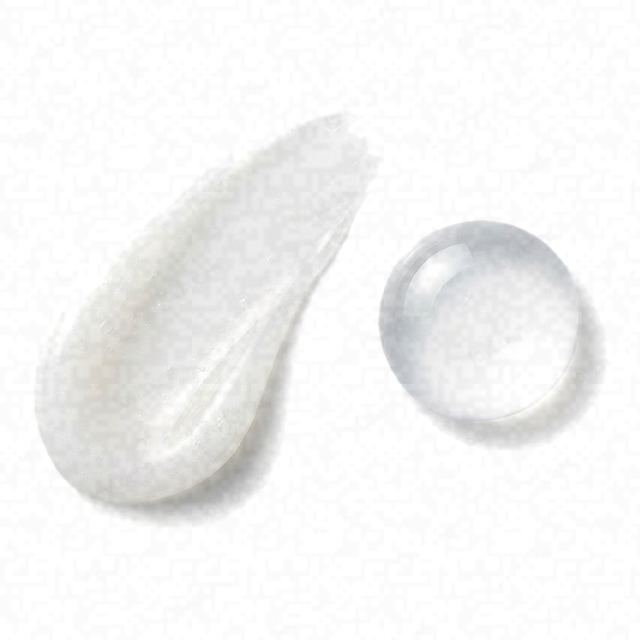 Rh-Oligopeptide-1
 Sodium Hyaluronate
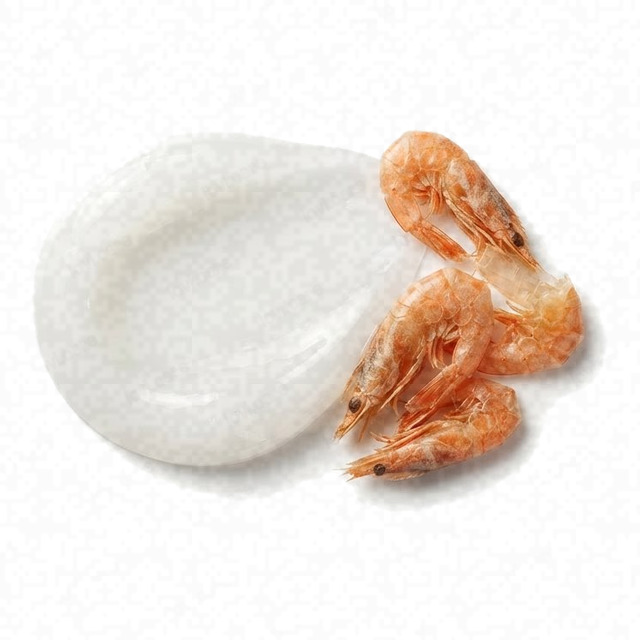 Acetyl Glucosamine
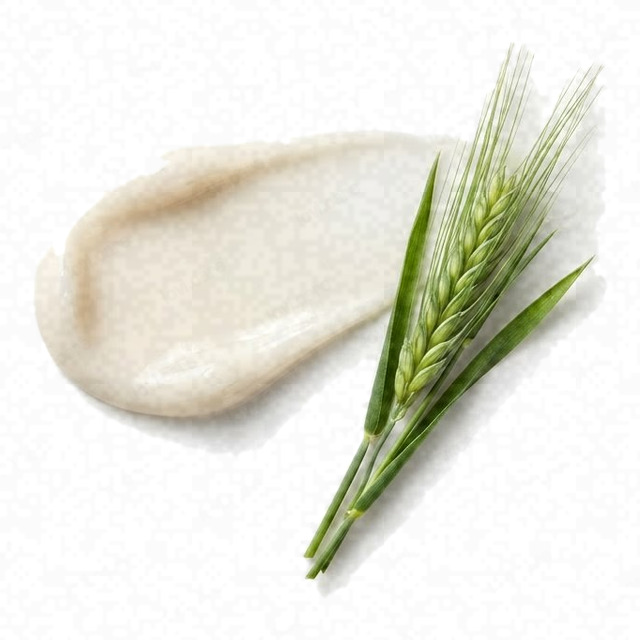 Hordeum Vulgare Seed Extract
 Glycerin
Average
- HighCombination Skin Fit
- AverageEffectiveness
- HighSafety
Works for acne-prone skin; other serums fit it better.
This fit is calculated for the concerns frequently associated with acne-prone skin: breakouts, blackheads, and post-acne marks. For scores and recommendations based on your full skin profile, including your 12D face scan results and any goals or preferences you have, please use the Lovi app.
Page built Nov 8, 2026How the Fit score works
Lovi Assistant explains
- Offers general skincare benefits like hydration due to Glycerin and Sodium Hyaluronate, which are supportive for your acne, blemishes, and breakouts, but lack targeted action for these specific concerns.
- The presence of Rh-Oligopeptide-1 Barley Sh-Oligopeptide-1 and Kgf Barley Sh-Polypeptide-3 provides excellent skin regeneration, and Sodium Hyaluronate offers humectant action suitable for your combination skin.
- The safety profile is excellent, with no risks of irritation for your combination skin due to the absence of prohibited or harsh ingredients.
How to apply
- Use your serum as part of your PM routine and start 3x/week before working up to daily use.
- Apply this treatment after cleansing and toner, and before your moisturizer.
- Gently press 2-3 drops of the serum into your skin and let it absorb for a minute.
- Apply the product on clean, dry skin to help manage your breakouts safely.
- Avoid the eye area and do a patch test before your first use.
People Say
★4.7Overall rating based on 100+ reviewsThis serum is highly effective for mature, dry, and aging skin, with users frequently reporting improvements in texture, firmness, and radiance. Based on limited data, the product is praised for visibly reducing fine lines and hyperpigmentation, leaving the complexion plumper and more even-toned. Some users note a tacky feel after application and that results require patience, while the high price point is a common concern.
Highlights
Improves skin texture Mostly Mentioned
- “Skin feels smoother”
- “texture has improved”
- “skin is plumper”
High price point Mostly Mentioned
- “Very pricey”
- “could not have afforded”
- “worth every penny but expensive”
Boosts skin radiance Often Mentioned
- “Skin looks glowing”
- “complexion more radiant”
- “beaming skin”
Reduces fine lines Often Mentioned
- “Laugh lines less obvious”
- “wrinkles less visible”
- “targets fine lines”
Deeply hydrating Sometimes Noted
- “Instant hydration boost”
- “sealing in moisture”
- “great for dehydrated skin”
Gentle formula Sometimes Noted
- “Great on sensitive skin”
- “no breakouts”
- “non-irritating”
Requires patience Sometimes Noted
- “Takes weeks to notice”
- “not instant results”
- “cumulative improvements”
Tacky skin feel Sometimes Noted
- “Sticky for 30 mins”
- “tacky feel after application”
Limited care feeling Rarely Noted
- “Doesn't feel 'creamed'”
- “need extra moisturizer”
- “not enough for some”
Sources: lovi.care, bioeffect.com, dermstore.com, whowhatwear.com, joannaczech.com, katiesnooks.com, and more
Questions and answers
How well does BIOEFFECT EGF Power Serum work for acne-prone skin?
This serum works well enough for acne-prone skin by offering general hydration, but it lacks targeted action for breakouts and blemishes. A product of this type needs effective ingredients like niacinamide, propolis, and zinc PCA to provide excellent benefits for acne while keeping skin balanced.
Which ingredients make this serum a good fit for acne-prone skin?
Glycerin and Sodium Hyaluronate make this serum a fit for acne-prone skin because they provide hydration, though acne-prone skin needs products with ingredients like niacinamide, propolis, and zinc PCA to target breakouts and control oiliness.
What does EGF do for acne-prone skin?
EGF helps calm acne-prone skin by reducing both inflamed and non-inflamed breakouts. It supports skin healing and barrier repair, making it a useful option for improving overall skin texture.
What does Hyaluronic Acid do for acne-prone skin?
Hyaluronic acid helps acne-prone skin by soothing irritation, calming redness, and keeping the skin balanced without clogging pores. When combined with targeted ingredients like zinc oxide, it may also help reduce breakouts.
Where does this serum go in a skincare routine for acne-prone skin?
This serum goes in your evening routine, applied after cleansing and before your moisturizer. Acne-prone skin works best with targeted blemish-fighting ingredients and gentle hydrators.
Can I use this serum with retinol, and in what order?
You can use this treatment with retinol by applying it after your cleanser and before your moisturizer in your evening routine, keeping in mind that it offers general hydration rather than targeted action for breakouts. Because it is free of harsh ingredients, it is unlikely to cause irritation when combined with other active products.
How often should I use this serum?
You can use this treatment in the evening as part of your routine. While it offers gentle hydration, acne-prone skin needs products with targeted active ingredients to effectively manage breakouts.
Can this serum clog pores, cause breakouts or purging for acne-prone skin?
This serum is unlikely to cause irritation or breakouts on acne-prone skin because it lacks harsh ingredients, though it offers general hydration rather than targeted blemish care. An acne-prone skin type needs targeted ingredients like salicylic acid or benzoyl peroxide to actively clear pores and prevent breakouts.
Is this serum fragrance-free and alcohol-free?
Yes, it has no fragrance and no drying alcohol.
What the research says
A single application of a moisturizing fluid containing hyaluronic acid 1%, glycerin 5%, and Centella asiatica stem cells extract significantly increased skin hydration by 29% and reduced transepidermal water loss at 24 hours compared to baseline and an untreated control site in twenty healthy women.
Clinical, Cosmetic and Investigational Dermatology, 2017Fibrin-bound keratinocyte growth factor released via cell-mediated degradation significantly enhanced wound closure in a hybrid model of full-thickness wound healing in athymic mice compared to topical KGF.
The American Journal of Pathology, 2005Epidermal growth factor stimulates keratinocyte proliferation, migration, and differentiation markers resembling wounded epidermis, whereas keratinocyte growth factor maintains a healthy native epidermal architecture and turnover.
Wound Repair and Regeneration, 2000Topical epidermal growth factor combined with silver sulfadiazine accelerated the rate of epidermal regeneration and significantly decreased healing time by approximately 1 to 1.5 days across all stages of healing in skin-graft-donor sites of 12 patients compared to silver sulfadiazine alone.
The New England Journal of Medicine, 1989Topical recombinant human epidermal growth factor combined with ablative fractional carbon dioxide laser significantly improved striae surface texture and showed significantly greater participant satisfaction regarding marked improvement compared to ablative fractional carbon dioxide laser combined with Aloe vera gel in patients with striae alba.
Lasers in Surgery and Medicine, 2020Topical EGF combined with fractional CO2 laser significantly improves the clinical appearance of atrophic acne scars and decreases skin pigmentation compared to fractional CO2 laser alone in patients with atrophic acne scars.
The Journal of Clinical and Aesthetic Dermatology, 2022Topical application of 0.1% hyaluronic acid formulations of different molecular weights led to significant improvements in skin hydration and elasticity, with low-molecular-weight formulations also significantly reducing wrinkle depth in seventy-six female subjects compared to a vehicle control.
Journal of Drugs in Dermatology, 2011Topical application of hyaluronic acid in conjunction with free gingival graft significantly reduced donor site postoperative pain until day 7 compared to normal saline, with no significant differences in graft dimensions or patient satisfaction.
Clinical Oral Investigations, 2022Treatment with a hyaluronic acid-containing mouth rinse or topical gel led to significant lesion reduction, pain relief, and normalization of lesion color in adult patients with minor recurrent aphthous stomatitis, with the gel formulation showing an earlier healing onset at 3 days.
BMC Oral Health, 2019Topical 2% N-acetyl glucosamine reduced facial hyperpigmentation in an 8-week split-face clinical test, with an even greater effect observed when combined with 4% niacinamide.
Journal of Cosmetic Dermatology, 2007N-acetyl-glucosamine-loaded nanostructured lipid carriers successfully delivered the hydrophilic agent through the skin and reduced melanin distribution in healthy volunteers.
Advanced Pharmaceutical Bulletin, 2016Topical cosmetic products containing hyaluronic acid, N-acetyl glucosamine, and gamma-amino butyric acid improved skin hydration by 24.28% to 33.60%, elasticity by 11.98%, and skin lightening by 5.26% over 2 months in 20 female participants.
Journal of Cosmetic and Laser Therapy, 2019The emollient V0034CR significantly reduced TEWL compared to vehicle and vehicle plus glycerol, and significantly increased corneometry scores compared to vehicle and vehicle plus petrolatum in healthy volunteers with dry skin, demonstrating combined barrier function improvement from petrolatum and hydration improvement from glycerol.
Journal of Cosmetic Dermatology, 2020Ten days of treatment with a cream containing 20% glycerin significantly increased skin hydration measured by corneometer values in 17 healthy volunteers compared to a placebo cream, but showed no influence on transepidermal water loss or skin sensitivity to an irritating surfactant.
International Journal of Cosmetic Science, 2001Niacinamide/glycerin body moisturizers provided better rapid and prolonged improvement of cosmetic xerosis through functional improvement of stratum corneum barrier function compared to no treatment and conventional moisturizers in female subjects.
Journal of Drugs in Dermatology, 2012
Why other serums fit acne-prone skin better
Topical nicotinamide plus an antibacterial adhesive agent and zinc-pyrrolidone carboxylic acid combined with adapalene significantly reduced noninflammatory acne lesions by the second week of therapy compared to placebo with adapalene in patients with moderate acne vulgaris.
The Journal of Clinical and Aesthetic Dermatology, 2020A cream combining propolis, tea tree oil, and Aloe vera reduced erythema scars, acne severity index, and total lesion count better than erythromycin cream in sixty patients with mild to moderate acne vulgaris compared to placebo.
Clinical Pharmacology, 2018Niacinamide and ferulic acid incorporated in a stable multiple emulsion successfully reduced melanin, sebum, and skin erythema while improving skin elasticity and hydration in human skin compared to a placebo.
BioMed Research International, 2022
Ingredients
Glycerin, Water, Sodium Citrate, Acetyl Glucosamine Nag, Isopentyldiol, Phenoxyethanol, Sodium Chloride, Sodium Hyaluronate, Citric Acid, Hordeum Vulgare Seed Extract, Rh-Oligopeptide-1 Barley Sh-Oligopeptide-1, Kgf Barley Sh-Polypeptide-3
Behind this fit score
Lovi calculates every fit score from the full ingredient list with brand-independent rules our dermatologists and cosmetic chemists build and review, and personalizes every pick with AI trained on the real results of millions of users. Lovi trains its fit score models on a proprietary dataset built from more than 10,000 expert-labeled products and more than 100,000 simulated examples, following an internally consistent methodology presented at Cosmoprof, AMWC, and Skin of Color Update.
-

Co-founder, Medical Director
Cosmetic chemist, cosmetologist, aesthetic products developer
-

Co-founder, CEO and CTO
PhD in computer science, 3x US patent holder, ex-Google, ex-Yandex
-

Dr. Sofía Perea Pérez, MD, MSc
Medical Board
Aesthetic medicine practitioner, MSc in Longevity and Anti-Aging Medicine
-

Medical Board
Specialist dermatologist, MBBS, MD, IFAAD
-

Medical Board
Cosmetic chemist, SCS, IFSCC member
-

Medical Board, Medical Advisor
Dermatology MD
-

Elina Nazarenko, MD
Medical Board
Dermatology and diagnostic consultant
-

Victoria Derkova, MS
Medical Board
Cosmetic chemist, cosmetic development technologist


How does it fit your skin?
Scan your face, then any product: Lovi shows how well it fits you and what fits even better.