SkinCeuticals LHA Toner for oily acne-prone skin

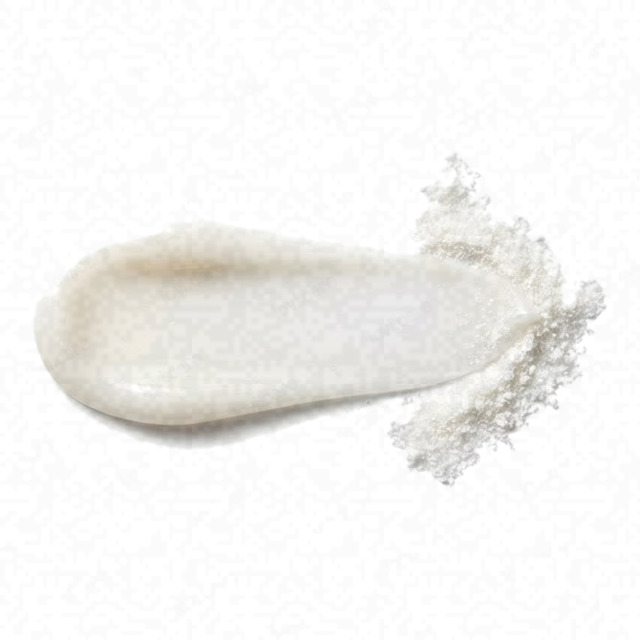 Lipo Hydroxy Acid
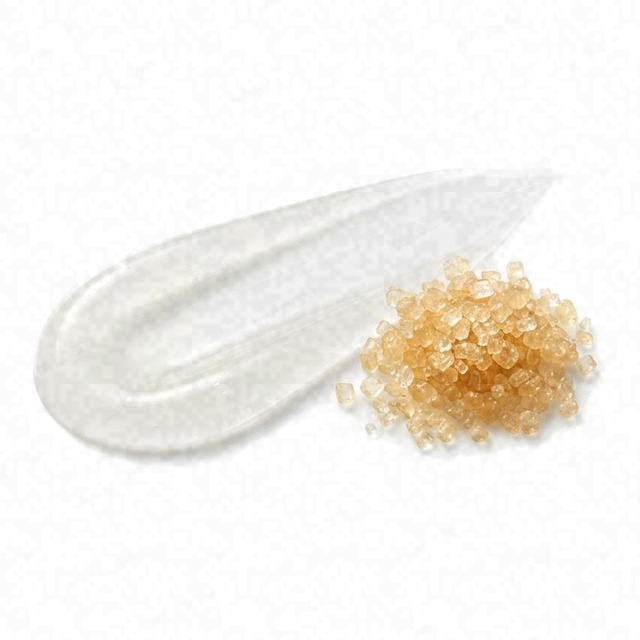 Glycolic Acid
 Salicylic Acid
 Alcohol Denat
High
- SuperiorOily Skin Fit
- HighEffectiveness
- HighSafety
A great choice for oily acne-prone skin; a few toners fit it even better.
This fit is calculated for the concerns frequently associated with oily acne-prone skin: shine, breakouts, blemishes, and enlarged pores. For scores and recommendations based on your full skin profile, including your 12D face scan results and any goals or preferences you have, please use the Lovi app.
Page built Nov 8, 2026How the Fit score works
Lovi Assistant explains
- Offers excellent exfoliation for your oily, acne-prone skin as glycolic acid and capryloyl salicylic acid work to renew the skin and decongest pores. These ingredients also help manage oiliness and breakouts, making them highly suitable for your skin type.
- The formulation is safe for your skin, with no harsh ingredients that could cause irritation.
- This toner provides potent keratolytic action and seboregulation, aligning well with your primary concerns.
How to apply
- Could be used as part of your PM routine. Start using your exfoliating toner once a week and slowly increase frequency if your skin tolerates it well.
- Apply your exfoliating toner after cleansing and before your moisturizer or other treatments.
- Gently press 2-3 drops of the exfoliating toner into your skin with your hands. Avoid any harsh rubbing .
- Apply the exfoliating toner on clean and completely dry skin to ensure the best results .
- Avoid the sensitive eye area and always use daily SPF while using exfoliating active products.
People Say
★4.3Overall rating based on 1000+ reviewsUsers with oily, acne-prone, and aging skin report that this toner effectively decongests pores and refines skin texture without excessive irritation. While many praise its ability to clear breakouts and remove residual makeup, those with dry or sensitive skin often find it too drying or stripping.
Highlights
Clears acne Often Mentioned
- “cleared my acne completely”
- “keeps my pores clear”
- “helps with blackheads”
- “minimizes acne breakouts”
Deep cleanse Often Mentioned
- “removes residual makeup”
- “gets all extra stuff off”
- “removes excess oil”
- “cotton pad shows dirt”
Gentle exfoliation Sometimes Noted
- “gentle on oily skin”
- “lightly exfoliates without harshness”
- “no strong scent”
- “tingles but fades quickly”
Refines texture Sometimes Noted
- “skin feels softer”
- “leaves skin glass-like”
- “smoother and looking clearer”
- “improves skin tone”
Drying and stripping Sometimes Noted
- “dries out the skin”
- “left face feeling tight”
- “too harsh for dry skin”
- “created dry patches”
High price point Sometimes Noted
- “overpriced for a toner”
- “pricey but effective”
- “not worth the money”
- “expensive for what it is”
Caused breakouts Rarely Noted
- “caused cystic acne”
- “broke me out bad”
- “made skin worse”
Packaging issues Rarely Noted
- “bottle leaks”
- “pump came off”
- “spilled inside packaging”
- “leaked during shipping”
Sources: lovi.care, dermstore.com, lovelyskin.com, bluemercury.com, skinceuticals.com, influenster.com, and more
Questions and answers
What makes SkinCeuticals LHA Toner a great fit for oily acne-prone skin?
Glycolic acid and capryloyl salicylic acid renew your skin, clear out pores, and help manage oiliness and breakouts. This toner has a very safe profile that is unlikely to cause irritation while addressing your main skin concerns.
Journal of Cosmetic Dermatology, 2021Journal of Drugs in Dermatology, 2013
Which ingredients make this toner a good fit for oily acne-prone skin?
Glycolic acid, capryloyl salicylic acid, and salicylic acid make this toner a great fit because they renew the skin, clear out pores, and help manage oiliness and breakouts. These ingredients are very suitable for oily, acne-prone skin and have a safe profile that is unlikely to cause irritation.
Journal of Cosmetic Dermatology, 2021Journal of Drugs in Dermatology, 2013
What does Lipo Hydroxy Acid do for oily acne-prone skin?
Lipo Hydroxy Acid helps clear clogged pores and calm angry breakouts on oily skin. It works gently to lift away dead skin cells and control oil, making it a great match for keeping acne-prone skin smooth and clear.
What does Glycolic Acid do for oily acne-prone skin?
Glycolic acid helps clear acne-prone skin by reducing pimples and soothing breakouts. It exfoliates the surface to keep pores clear and leaves the skin feeling smooth.
Clinical, Cosmetic and Investigational Dermatology, 2019Dermatologic Surgery, 2014
Where does this toner go in a skincare routine for oily acne-prone skin?
This toner is a great fit because glycolic acid and capryloyl salicylic acid renew the skin and decongest pores while helping manage oiliness and breakouts. You can start using exfoliating toners once a week in the evening after cleansing, and if your skin tolerates them well, you may carefully use them more often.
Can I use this toner with retinol, and in what order?
You can use this toner with retinol by applying the toner first in your routine and following it with your retinol product on different nights or spaced apart to prevent irritation. This helps manage breakouts while keeping your skin calm and safe from harsh reactions.
Journal of Cosmetic Dermatology, 2024American Family Physician, 2012
How often should I use this toner?
Start by using this toner once a week, and if your skin tolerates it well and you see good results, you can carefully use it more often. It helps renew the skin and decongest pores while managing oiliness and breakouts.
Dermatologic Surgery, 2003Journal of Cosmetic Dermatology, 2021
Can this toner clog pores, cause breakouts or purging for oily acne-prone skin?
This toner is a great fit for your oily, acne-prone skin because its glycolic acid and capryloyl salicylic acid clear out pores and help control breakouts. While it is safe and unlikely to irritate, some people may experience dryness or a few initial breakouts as it renews the skin.
Journal of Cosmetic Dermatology, 2021Journal of Cosmetic Dermatology, 2024
What the research says
Daily treatment with a facial serum containing multiple acids reduced post-inflammatory hyperchromia lesion grade and number by 29.4% at 56 days, and decreased skin oiliness by 30.7% at 7 days in Brazilian patients with acne vulgaris.
Journal of Cosmetic Dermatology, 2021A novel composition containing salicylic acid, capryloyl salicylic acid, HEPES, glycolic acid, citric acid, and dioic acid showed similar tolerance and efficacy compared with clindamycin 1% and benzoyl peroxide 5% gel in subjects with acne vulgaris.
Journal of Drugs in Dermatology, 2013Twice daily application of a multitargeted dermocosmetic cream provided comparable efficacy to benzoyl peroxide 5% gel in reducing inflammatory, non-inflammatory, and total lesions in 150 Caucasian subjects with mild-to-moderate acne over 56 days, while demonstrating superior skin tolerability.
Journal of Cosmetic Dermatology, 2024A moisturizer containing licochalcone A, 1,2-decanediol, L-carnitine, and salicylic acid significantly reduced noninflammatory, inflammatory, and total acne lesion counts compared to a vehicle control in Thai patients during a 12-week maintenance phase.
BioMed Research International, 2020The use of a salicylic acid-based dermocosmetic significantly reduces the needed quantity of benzoyl peroxide without impacting efficacy in mild to moderate acne, and as maintenance post-benzoyl peroxide allows a significant reduction of acne relapse compared to vehicle.
Journal of Drugs in Dermatology, 2023Capryloyl salicylic acid peel reduced fine lines, wrinkles, and hyperpigmentation comparably to glycolic acid peel in 44 female volunteers, with no statistically significant differences between the two treatments.
Journal of Cosmetic Dermatology, 2008Combining a salicylic acid and lipohydroxy acid facial serum and mask improved closed comedones and acne severity significantly more than serum alone in adults with acne over 8 weeks, with no adverse reactions reported.
Journal of Cosmetic Dermatology, 2023Parity was demonstrated between an OTC BPO 5.5% formulation with lipohydroxy acid and tretinoin cream 0.025% versus prescription clindamycin 1%-BPO 5% gel and tretinoin cream 0.025% in participants with mild to moderate acne vulgaris at 12 weeks.
Cutis, 2012Repeated short-contact 70% glycolic acid peels provided superior results in atrophic acne scars compared to daily low-strength glycolic acid cream or placebo in 58 women over 24 weeks.
International Journal of Dermatology, 2000Serial glycolic acid peels combined with a modified Kligman formula significantly reduced facial PIH severity in Indian patients compared to the modified Kligman formula alone.
Dermatologic Surgery, 2017Cryotherapy with liquid nitrogen achieved a higher cure rate (39%) than salicylic acid (24%) and a wait-and-see approach (16%) for cutaneous warts at 13 weeks in primary care patients.
CMAJ, 2010Treatment with 2% supramolecular salicylic acid hydrogel resulted in a regression and markedly improvement rate of 51.01% compared to 43.10% for Adapaline gel in patients with mild to moderate facial acne vulgaris, showing no significant difference in efficacy.
Journal of Cosmetic Dermatology, 2024Topical 5% benzoyl peroxide plus salicylic acid achieved the greatest lesion reduction at early 2 to 4 week time points compared to benzoyl peroxide, clindamycin, and combination benzoyl peroxide/clindamycin, while 5% benzoyl peroxide plus salicylic acid and combination benzoyl peroxide/clindamycin showed similar efficacy at 10 to 12 weeks in acne patients.
Journal of the American Academy of Dermatology, 2010
Ingredients
Water, Alcohol Denat, Glycolic Acid, Sodium Hydroxide, Capryloyl Salicylic Acid, Salicylic Acid
Behind this fit score
Lovi calculates every fit score from the full ingredient list with brand-independent rules our dermatologists and cosmetic chemists build and review, and personalizes every pick with AI trained on the real results of millions of users. Lovi trains its fit score models on a proprietary dataset built from more than 10,000 expert-labeled products and more than 100,000 simulated examples, following an internally consistent methodology presented at Cosmoprof, AMWC, and Skin of Color Update.
-

Co-founder, Medical Director
Cosmetic chemist, cosmetologist, aesthetic products developer
-

Co-founder, CEO and CTO
PhD in computer science, 3x US patent holder, ex-Google, ex-Yandex
-

Dr. Sofía Perea Pérez, MD, MSc
Medical Board
Aesthetic medicine practitioner, MSc in Longevity and Anti-Aging Medicine
-

Medical Board
Specialist dermatologist, MBBS, MD, IFAAD
-

Medical Board
Cosmetic chemist, SCS, IFSCC member
-

Medical Board, Medical Advisor
Dermatology MD
-

Elina Nazarenko, MD
Medical Board
Dermatology and diagnostic consultant
-

Victoria Derkova, MS
Medical Board
Cosmetic chemist, cosmetic development technologist


How does it fit your skin?
Scan your face, then any product: Lovi shows how well it fits you and what fits even better.