
NIOD Modulating Glucosides

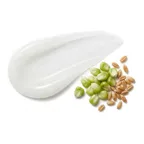 Glucosides
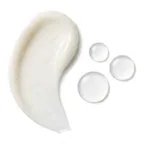 Squalane
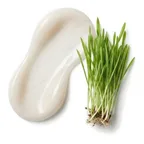 Superoxide Dismutase
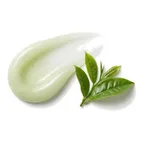 Epigallocatechin Gallatyl Glucoside
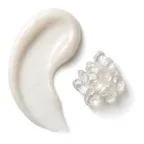 Palmitoyl Tripeptide-8
Glucosides, squalane, and palmitoyl tripeptide-8 calm redness, hydrate dry areas, and soothe irritation, so it suits most skin types. For skin that needs blemish care, serums with niacinamide and zinc get higher fit scores.
Each fit is calculated for the concerns frequently associated with that skin type. For scores and recommendations based on your full skin profile, including your 12D face scan results and goals, use the Lovi app.
Updated How the Fit score works
Where it fits best and least
Best fit High
Dry Skin, Combination Skin, Sensitive Skin, Mature Skin, Dry Sensitive Skin, Oily Acne-Prone Skin
A great choice for dry skin; a few serums fit it even better.
- Highly suitable for your dry skin, this formula leverages Squalane and Glycerin to provide essential emollient and humectant actions, supporting barrier repair and hydration for your dry or flaky skin.
Lowest fit Average
Oily Skin, Acne-Prone Skin, Skin with Dark Spots
Works for oily skin; other serums fit it better.
- Offers moderate soothing and calming effects for your oily skin, with Bisabolol and Epigallocatechin Gallatyl Glucoside helping to reduce redness and irritation. Squalane and Glycerin provide general hydration, which is supportive but not directly targeted at your oily shine.
How to apply
- Apply this serum PM, starting 3×/week and working up to daily use as your skin adjusts.
- Place the serum after cleansing and toner, but right before your moisturizer.
- Gently press 2-3 drops of the serum into your skin and let it absorb for a minute.
- Apply the serum on slightly damp skin to help lock in extra moisture.
- Avoid the eye area and do a patch test before your first use.
People Say
★4.8Overall rating based on 400+ reviewsThis serum is highly praised for its ability to calm sensitive, reactive, and irritated skin, with users frequently reporting significant improvements in redness, stinging, and compromised skin barriers. It is a popular choice for those recovering from aesthetic treatments or harsh active ingredients. Some users with normal skin may find the benefits less noticeable or the texture slightly heavy.
Highlights
Calms sensitive skin Mostly Mentioned
- “Like medicine to irritated skin.”
- “Great for sensitive, reactive skin.”
- “Helps quiet sensations of stinging and itching.”
Reduces skin redness Often Mentioned
- “Visibly reduced redness for a more even tone.”
- “Calms redness and stinging.”
- “It really did wonders in soothing skin and reducing redness.”
Buffers active irritation Sometimes Noted
- “Helps minimise the side effects of retinoids.”
- “Buffers retinoid/acid irritation.”
- “Reason my skin had been so calm while I was on Roaccutane.”
Strengthens skin barrier Sometimes Noted
- “Saved my skin barrier from beyond hope.”
- “Strengthens skin barrier integrity over time.”
- “Especially helpful when my barrier is compromised.”
Inconvenient packaging Sometimes Noted
- “Dropper bottle is messy to use.”
- “Not my favorite type of packaging.”
- “Why doesn't it come with a pump?”
Subtle for normal skin Sometimes Noted
- “If you have normal skin, benefits may not be apparent.”
- “I did not notice any improvement.”
Can cause breakouts Rarely Noted
- “It broke me out almost instantly.”
- “Heavy going on my face.”
Unappealing scent Rarely Noted
- “Strong nutty scent.”
- “A bit like paint.”
- “Has a bit of a medicinal smell.”
Sources: lovi.care, niod.com, skinsort.com, dermapproved.com, drrachelho.com, daniellesbeautyblog.com, and more
Questions and answers
What makes Modulating Glucosides a great fit for dry skin?
Modulating Glucosides is a great fit for dry skin because it uses ingredients like squalane and glycerin to deliver much-needed moisture and support skin barrier repair. It also helps calm redness and soothe irritated skin with bisabolol and Tasmanian pepperberry extract. The formula has an excellent safety profile, meaning it is unlikely to cause irritation.
What makes NIOD Modulating Glucosides a great fit for combination skin?
NIOD Modulating Glucosides is a great fit for combination skin because it uses Squalane and glycerin to give balanced moisture to both oily and dry areas. Bisabolol and Epigallocatechin Gallatyl Glucoside help calm redness and soothe skin with a very safe profile that is unlikely to cause irritation.
How well does NIOD Modulating Glucosides work for oily skin?
NIOD Modulating Glucosides works moderately well for oily skin, offering soothing benefits and general hydration to help calm redness and irritation. However, because it lacks targeted sebum-controlling ingredients like niacinamide, zinc PCA, and ferulic acid, an oily skin type needs a product with these components to effectively manage excess oil and shine.
How well does Modulating Glucosides work for acne-prone skin?
This treatment works for acne-prone skin by offering moderate soothing benefits and general hydration, though other products fit it better. A product of this type needs effective ingredients like niacinamide, propolis, or zinc PCA that target breakouts, control oiliness, and provide excellent skincare benefits for acne without any risk of irritation.
Can I use this serum with retinol, and in what order?
You can use this serum with retinol by applying your retinol first, letting it absorb, and then following with this treatment to help calm the skin and keep it hydrated. This formula is unlikely to cause irritation and helps support barrier repair.
Is this serum fragrance-free and alcohol-free?
It has no drying alcohol and contains fragrance (benzyl alcohol).
What makes Modulating Glucosides a great fit for sensitive skin?
Modulating Glucosides is a great fit for sensitive skin because it uses bisabolol and soothing plant extracts to calm redness and irritation. It also features superoxide dismutase to help protect your skin against damage and keep it comfortable.
European Journal of Pharmaceutics and Biopharmaceutics, 2016
What makes NIOD Modulating Glucosides a great fit for dry sensitive skin?
NIOD Modulating Glucosides is a great fit because ingredients like bisabolol and tasmannia lanceolata fruit extract calm irritation and reduce redness. At the same time, squalane and glycerin draw in moisture and smooth out dry or flaky areas to keep the skin comfortable.
Clinical, Cosmetic and Investigational Dermatology, 2017The Journal of Clinical and Aesthetic Dermatology, 2012
How well does NIOD Modulating Glucosides work for skin with dark spots?
NIOD Modulating Glucosides works moderately well for skin with dark spots, providing general soothing and hydration while other products target pigmentation more directly. To effectively care for skin with dark spots, a product of this type needs a blend of effective antioxidants and soothing ingredients that specifically target pigmentation without any risk of irritation.
What makes Modulating Glucosides a great fit for mature skin?
Modulating Glucosides is a great fit for mature skin because it uses Palmitoyl Tripeptide-8 and Epigallocatechin Gallatyl Glucoside to target wrinkles and fine lines. It also includes soothing ingredients like bisabolol to help calm the skin and reduce redness safely without irritation.
What makes NIOD Modulating Glucosides a great fit for oily acne-prone skin?
This formula is a great fit because it uses glucosides to provide antioxidant and anti-inflammatory benefits that help address oiliness and breakouts. Ingredients like bisabolol further soothe irritated skin safely without the risk of harsh reactions.
What the research says
Combining oxothiazolidine and delta-tocopheryl glucoside in a sunscreen formulation provides complementary immediate and 24-hour prolonged sunlight protection against oxidative stress markers in a reconstructed human epidermis model compared to individual antioxidants.
International Journal of Cosmetic Science, 2021Deoxyarbutin treatment decreased tyrosinase protein expression, exhibited lessened cytotoxicity under UVA irradiation, and suppressed ROS generation compared to arbutin and hydroquinone, while all three compounds similarly inhibited tyrosinase activity in murine melan-a melanocytes.
Journal of Dermatological Science, 2009Resveratrol glucoside sulfate exhibited 1000-fold higher water solubility and lower cytotoxicity in keratinocytes compared to resveratrol, while maintaining comparable protective effects against oxidative stress.
Journal of Molecular Endocrinology, 2018Application of fullerene-C60 dissolved in squalane cream twice daily for 8 weeks significantly enhanced skin moisture and reduced wrinkle formation compared to placebo in 23 Japanese women without severe side effects.
Journal of Nanoscience and Nanotechnology, 2010Squalane at 0.005-0.015% counteracts UVA-induced oxidative stress, inflammation, and collagen metabolism inhibition while stimulating fibroblast migration in human dermal fibroblasts.
Molecules, 2025Plant-derived squalane protected human dermal fibroblasts against UVA-induced damage by counteracting ROS formation, suppressing apoptosis-related proteins p53, caspase-3, caspase-9, and PARP, and restoring the pro-survival p-Akt/mTOR pathway.
Antioxidants, 2025Topical application of TAT-SOD significantly suppresses UVB-induced erythema formation, blood flow rise, and apoptotic sunburn cell formation in human volunteers compared to a vehicle control.
European Journal of Pharmaceutics and Biopharmaceutics, 2016Topical treatment with the synthetic SOD/catalase mimetic EUK-134 reduced lipid peroxide levels both at baseline on non-irradiated human skin and at the surface of UVA-exposed skin when applied before or after irradiation, compared to controls.
International Journal of Cosmetic Science, 2004Topical superoxide dismutase formulations maintained physical stability and enzymatic activity for 6 months at 4 and 30 degrees C, and effectively inhibited UVB-induced skin erythema for 48 hours, whereas formulations combined with alpha-tocopherol were unstable.
European Journal of Pharmaceutics and Biopharmaceutics, 2007A moisturizing cream containing 2% l-carnitine and 5% EGCG significantly reduced sebum levels and improved skin hydration in ninety subjects with seborrhea over 4 weeks, showing greater anti-sebum efficacy in the combination group compared to the l-carnitine group alone.
Journal of Cosmetic Dermatology, 2023Enzymatic alpha glucosylation of EGCG yielded EGCG-G1, which enhanced epidermal penetration, decreased melanogenesis through down-regulation of 13 genes including MITF, stimulated skin Lactobacillus growth, and decreased hyperpigmented spots while increasing skin brightness and homogeneity compared to EGCG and vitamin C across a large panel of phototypes.
Molecules, 2024Optimized transfersomes loaded with epigallocatechin-3-gallate and hyaluronic acid increased cell viability while reducing lipid peroxidation, intracellular ROS, and MMP expression in HaCaT cells, and exhibited higher skin permeation and deposition compared to plain EGCG.
Drug Delivery, 2017A single application of a moisturizing fluid containing hyaluronic acid 1%, glycerin 5%, and Centella asiatica stem cells extract significantly increased skin hydration by 29% and reduced transepidermal water loss at 24 hours compared to baseline and an untreated control site in twenty healthy women.
Clinical, Cosmetic and Investigational Dermatology, 2017Topical RM191A gel significantly inhibits UV-induced DNA damage, accelerates excisional wound healing, reduces inflammation, and attenuates age-associated oxidative stress in skin.
Redox Biology, 2021Topical oil-in-water and water-in-oil emulsions containing glyceryl glucoside, natural moisturizing factors, and ceramide significantly improved skin hydration and barrier function while reducing visible dryness and tactile roughness in subjects with very dry skin compared to untreated sites and vehicles.
The Journal of Clinical and Aesthetic Dermatology, 2012Topical application of glyceryl glucoside significantly increased AQP3 mRNA levels and reduced transepidermal water loss compared with vehicle-controlled areas in volunteer subjects.
Skin Pharmacology and Physiology, 2012Application of squalene/phosphotungstate calcium nanowires (Sql/PWC) oleogel on UVB-irradiated skin decreased epidermal thickness, increased dermal thickness, and promoted the expression of elastin, collagen, and skin barrier markers through antioxidant and anti-inflammatory activities.
Journal of Nanobiotechnology, 2025
Ingredients
Water, Squalane, Isodecyl Neopentanoate, Glycerin, Caprylic Capric Triglyceride, Pentylene Glycol, Propanediol, Hexyldecanol, Bisabolol, Butylene Glycol, Epigallocatechin Gallatyl Glucoside, Rosmarinyl Glucoside, Caffeyl Glucoside, Gallyl Glucoside, Tetrasodium Tetracarboxymethyl Naringeninchalcone, Hydroxymethoxyphenyl Decanone, 4-T-Butylcyclohexanol, Cetylhydroxyproline Palmitamide, Hydroxyphenyl Propamidobenzoic Acid, Palmitoyl Tripeptide-8, Superoxide Dismutase, Sodium Pca, Pca, Arginine, Glycine, Alanine, Serine, Valine, Isoleucine, Proline, Threonine, Histidine, Phenylalanine, Aspartic Acid, Sodium Lactate, Mirabilis Jalapa Callus Extract, Tasmannia Lanceolata Leaf Extract Fruit, Zingiber Officinale Root Extract, Curculigo Orchioides Root Extract, Isochrysis Galbana Extract, Brassica Campestris Sterols, Stearic Acid, Dextran, Isoceteth-20, Polyacrylate Crosspolymer-6, Xanthan Gum, Tocopherol, Propyl Gallate, Tromethamine, Dehydroacetic Acid, 1,2-Hexanediol, Benzyl Alcohol, Phenoxyethanol, Caprylyl Glycol
Behind these fit scores
Lovi calculates every fit score from the full ingredient list with brand-independent rules our dermatologists and cosmetic chemists build and review, and personalizes every pick with AI trained on the real results of millions of users. Lovi trains its fit score models on a proprietary dataset built from more than 10,000 expert-labeled products and more than 100,000 simulated examples, following an internally consistent methodology presented at Cosmoprof, AMWC, and Skin of Color Update.
-

Co-founder, Medical Director
Cosmetic chemist, cosmetologist, aesthetic products developer
-

Co-founder, CEO and CTO
PhD in computer science, 3x US patent holder, ex-Google, ex-Yandex
-

Dr. Sofía Perea Pérez, MD, MSc
Medical Board
Aesthetic medicine practitioner, MSc in Longevity and Anti-Aging Medicine
-

Medical Board
Specialist dermatologist, MBBS, MD, IFAAD
-

Medical Board
Cosmetic chemist, SCS, IFSCC member
-

Medical Board, Medical Advisor
Dermatology MD
-

Elina Nazarenko, MD
Medical Board
Dermatology and diagnostic consultant
-

Victoria Derkova, MS
Medical Board
Cosmetic chemist, cosmetic development technologist


How does it fit your skin?
Scan your face, then any product: Lovi shows how well it fits you and what fits even better.